
Belgium
Belgium Workplace Camera Law: CAO 68, Rules and Your Rights
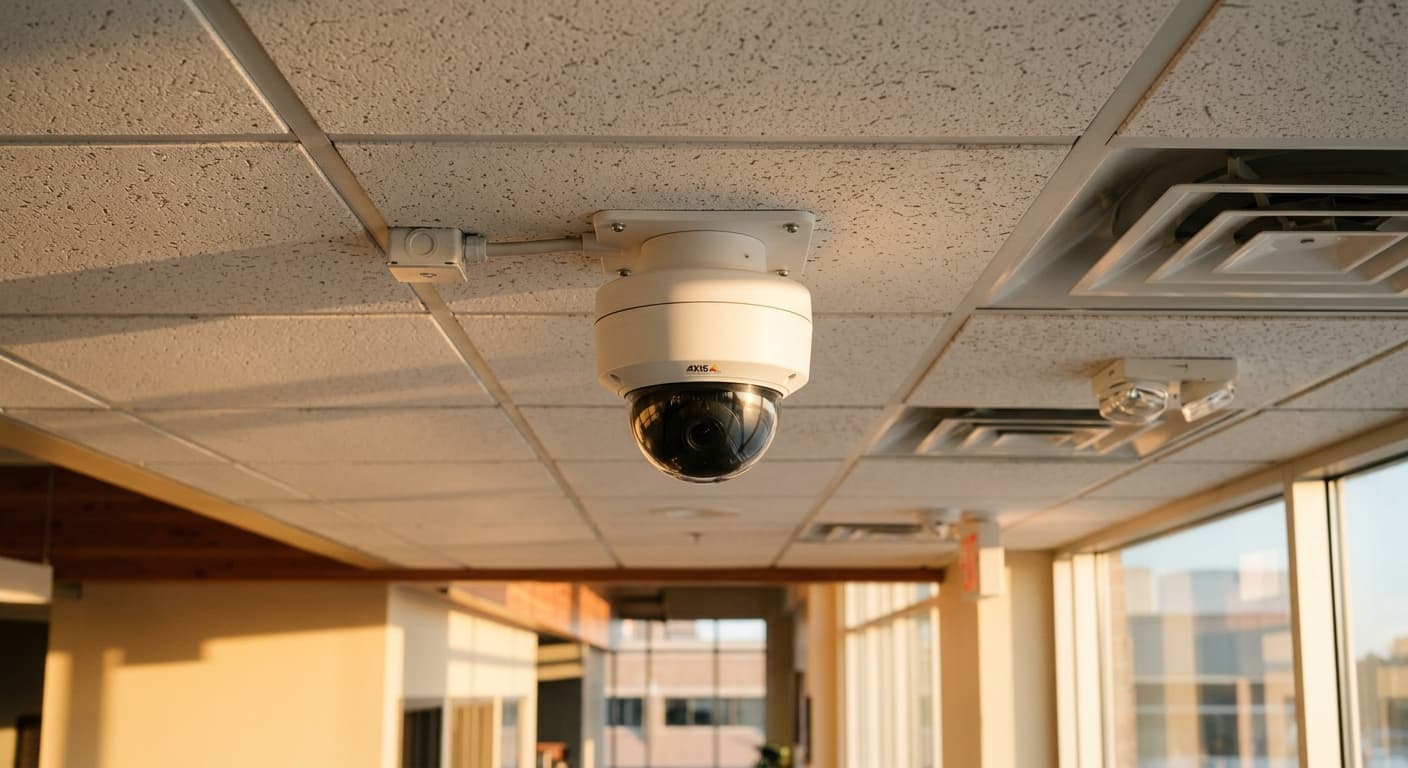
Belgian workers are not filmed at will. Camera surveillance in the workplace is governed by a specific collective labour agreement, CAO nr. 68 / CCT 68 van 16 juni 1998, which sets out exactly why, when, and how an employer may point a camera at staff. This page explains those rules and what they mean for your rights.
CAO nr. 68 sits inside the wider framework of Belgian privacy law and works alongside the general rules on camera surveillance. It is a lex specialis for the employment relationship: it does not replace the general camera or data-protection regimes, it adds an extra layer on top of them.
The agreement was concluded in the Nationale Arbeidsraad / Conseil national du Travail (NAR/CNT) and made generally binding by the KB 20 september 1998, so it applies across the private sector regardless of any individual contract.
Information last verified on 22 July 2026. This page provides general legal information and does not constitute legal advice in an individual case.
What CAO nr. 68 / CCT 68 is
CAO nr. 68 / CCT 68 van 16 juni 1998 concerns the protection of the privacy of workers with regard to camera surveillance in the workplace. It was concluded in the Nationale Arbeidsraad / Conseil national du Travail and made generally binding by the KB 20 september 1998 (published in the Belgisch Staatsblad / Moniteur belge), which is why it binds private-sector employers whether or not they ever negotiated it.
The agreement is of indefinite duration (art. 15). It rests on three principles drawn from earlier Belgian privacy law: purpose limitation (finaliteit), proportionality, and a prior information duty. Those principles apply whether or not the camera stores its images.
The four permitted purposes (art. 4)
An employer may only introduce workplace camera surveillance for one of four purposes set out in art. 4 §1. These are the health and safety; the protection of the goods of the company; the control of the production process; and the control of the work of the worker.
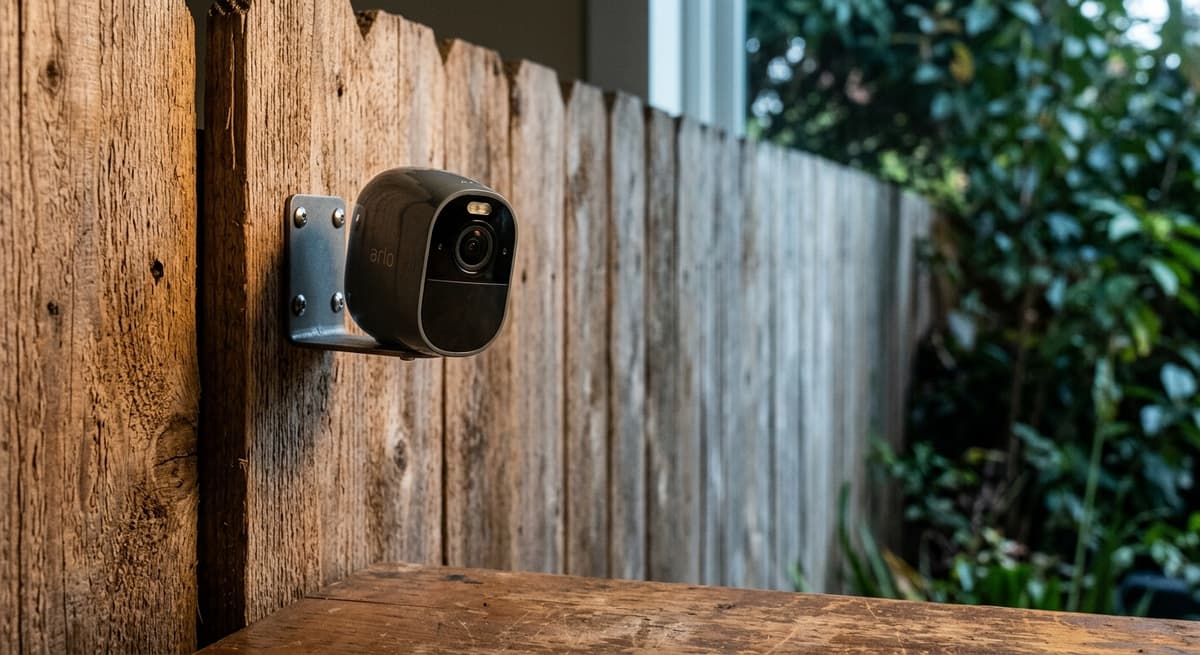
The purpose must be defined clearly and explicitly (duidelijk en expliciet / clairement et de manière explicite). Where the production-process purpose bears on workers rather than only on machines, it is understood as evaluating and improving the organisation of work, not as monitoring individuals for its own sake.
Control of the worker's work carries a specific guardrail: a decision about a worker may not rest exclusively on camera data, and the purpose is not meant to film the worker permanently.
Permanent versus temporary surveillance (arts. 5 to 8)
This is the pivotal distinction in CAO nr. 68. Permanent camera surveillance OF THE WORKER is not allowed. Continuous filming is only permitted where it does not target the worker: for safety and health, for the protection of the company's goods, or for production-process control that bears on machines only.
Camera surveillance to control the worker's work, and production control that bears on workers, may only be temporary. Article 7 requires that surveillance be adequate, relevant, and not excessive (toereikend, ter zake dienend en niet overmatig / adéquate, pertinente et non excessive), the proportionality test at the heart of the agreement.
The information and consultation duty (art. 9)
Before installing a system, and again when it starts up, the employer must inform the workforce's representatives. The duty runs in a fixed cascade: first the ondernemingsraad / conseil d'entreprise; if there is none, the comité PBW / CPPT; failing that, the vakbondsafvaardiging / délégation syndicale; and failing that, the workers themselves.
Article 9 §4 fixes four mandatory items of information: the purpose pursued; whether the images are stored; the number and placement of the cameras; and the period or periods during which they operate. Where the camera bears on pay determination or ongoing supervision, the change also runs through the werkreglement / règlement de travail procedure under the Wet 8 april 1965.
Article 10 adds a consultation step, and article 11 requires the system to be evaluated regularly, so a workplace camera is meant to be reviewed rather than installed once and forgotten.
GDPR, the GBA / APD, and the Camerawet
CAO nr. 68 does not stand alone. General data-protection law applies through the GDPR / AVG / RGPD, implemented in Belgium by the Wet 30 juli 2018, and the supervisory authority is the Gegevensbeschermingsautoriteit / Autorité de protection des données (GBA / APD). Storage of images therefore also triggers the data-subject rights that the GDPR guarantees.
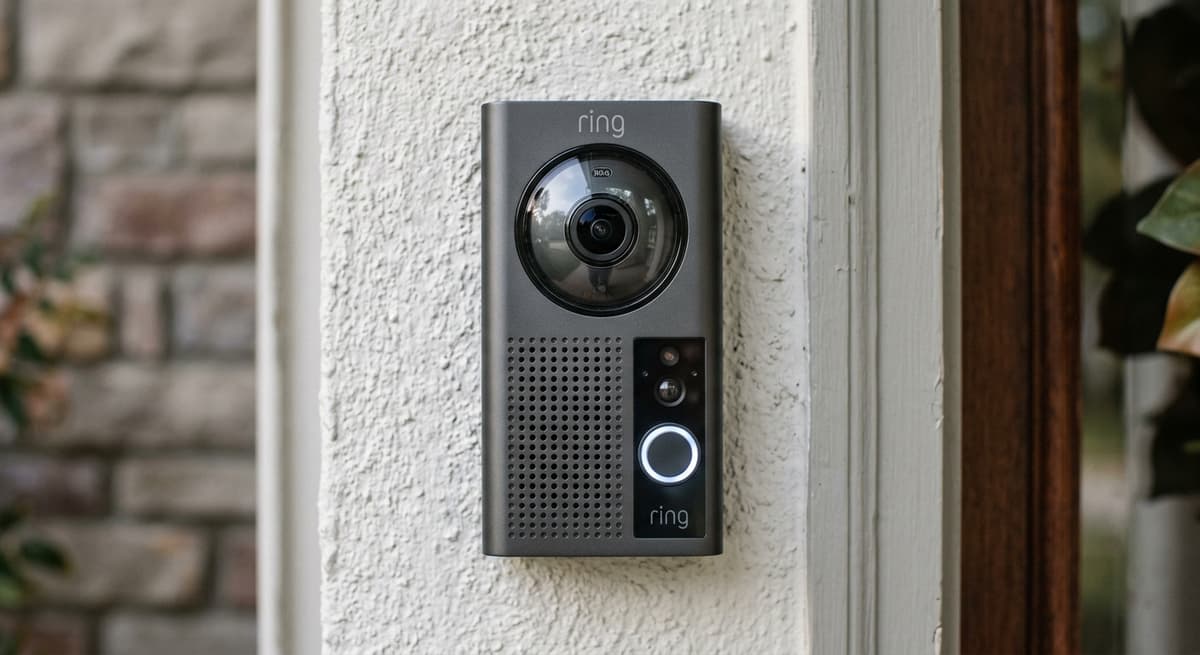
A workplace security camera must satisfy the Camerawet 21 maart 2007 as well. That law requires every bewakingscamera to be declared via aangiftecamera.be no later than the day before it goes into use, to carry the statutory pictogram, and to keep images for a standard maximum of one month (with narrow exceptions). Covert use of such a camera is forbidden. The GBA / APD confirms that the Camerawet and CAO nr. 68 can apply at the same time, so an ordinary workplace security camera generally has to meet both regimes.
Covert cameras
Secret camera surveillance is not an ordinary CAO nr. 68 route. The commentary to art. 4 is explicit that geheime camerabewaking engages the Strafwetboek / Code pénal and may only be introduced in conformity with the Wetboek van strafvordering / Code de procédure pénale. In practice this means a hidden workplace camera is exceptional and heavily constrained, not a tool an employer can reach for freely.
Using footage as evidence
Whether camera footage can be used against a worker, for example in a dismissal, is fact-specific. Belgian courts, under the Antigoon case-law, may admit even improperly obtained footage where the reliability of the evidence and the fairness of the proceedings are intact. That is not a guarantee either way: the outcome turns on the specific circumstances, so a worker faced with camera evidence should take advice on their own situation.
Related Belgian privacy pages
This page sits under Belgian privacy law. For the general rules that apply outside the employment relationship, see camera surveillance. For the separate question of recording spoken exchanges, see recording a conversation.
The following questions come up most often about camera surveillance at work in Belgium.
This page provides general information about camera surveillance in the Belgian workplace and does not constitute legal advice for an individual case. The rules under CAO nr. 68, the Camerawet, and the GDPR can change and turn on specific facts; confirm the current position with the GBA / APD or an advocaat / avocat before relying on anything here.
Frequently Asked Questions
Can my employer simply install a camera to watch me at work?
Not freely. Under CAO nr. 68 / CCT 68 a workplace camera is only lawful for one of four defined purposes: safety and health, protection of the company's goods, control of the production process, or control of the worker's work. The employer must also inform the ondernemingsraad / conseil d'entreprise (or, if none, the comité PBW / CPPT, the vakbondsafvaardiging / délégation syndicale, or the workers) beforehand.
Can I be filmed permanently at my workstation?
No. CAO nr. 68 does not allow permanent camera surveillance aimed at the worker. Continuous filming to control the worker's work is only ever temporary. Permanent cameras are limited to safety and health, protection of the company's goods, or production-process control bearing on machines.
What information must the employer give before installing a camera?
Under art. 9 §4 the employer must state the purpose pursued, whether the images are stored, the number and placement of the cameras, and the period or periods during which they operate. This goes to the ondernemingsraad / conseil d'entreprise first, then down the consultation cascade.
Is a hidden camera allowed at work?
A secret camera is not a normal CAO nr. 68 route. It engages the Strafwetboek / Code pénal and may only be introduced in conformity with the Wetboek van strafvordering / Code de procédure pénale. Separately, the Camerawet 21 maart 2007 forbids covert use of a security camera and requires the statutory pictogram.
Does the camera also have to be declared somewhere?
For an ordinary security camera, yes. The Camerawet 21 maart 2007 requires declaration via aangiftecamera.be no later than the day before it goes live, a visible pictogram, and a standard maximum retention of one month. A workplace security camera must satisfy both the Camerawet and CAO nr. 68 at the same time.
Can my employer use camera footage against me in a dismissal?
Sometimes. It is fact-specific. Belgian courts, under the Antigoon case-law, may admit even improperly obtained footage where the reliability of the evidence and fair-trial rights are intact, but this depends heavily on the circumstances. If footage is used against you, confirm your position with the GBA / APD or a lawyer.
Sources and References
- CAO nr. 68 van 16 juni 1998 betreffende de bescherming van de persoonlijke levenssfeer van de werknemers ten opzichte van de camerabewaking op de arbeidsplaats (Nationale Arbeidsraad)(cnt-nar.be).gov
- CCT n° 68 du 16 juin 1998 relative a la protection de la vie privée des travailleurs à l'égard de la surveillance par caméras sur le lieu du travail (APD)(autoriteprotectiondonnees.be).gov
- Gegevensbeschermingsautoriteit, Camerabewaking op de werkplek (toezicht van de werkgever)(gegevensbeschermingsautoriteit.be).gov
- Gegevensbeschermingsautoriteit, Bewakingscamera's (Camerawet 21 maart 2007, aangiftecamera.be, pictogram, bewaartermijn)(gegevensbeschermingsautoriteit.be).gov
- Koninklijk Besluit van 20 september 1998 waarbij CAO nr. 68 algemeen verbindend wordt verklaard (Belgisch Staatsblad / Moniteur belge, numac 1998012677)(etaamb.openjustice.be).gov
- FOD Werkgelegenheid, Arbeid en Sociaal Overleg, overlegorganen OR/CPBW/vakbondsafvaardiging(werk.belgie.be).gov