
New Hampshire
New Hampshire Pepper Spray and Stun Gun Laws (2026)
Independently fact-checked against primary sources (last audited September 23, 2026). · 17 primary sources cited on this page. How we verify our legal content
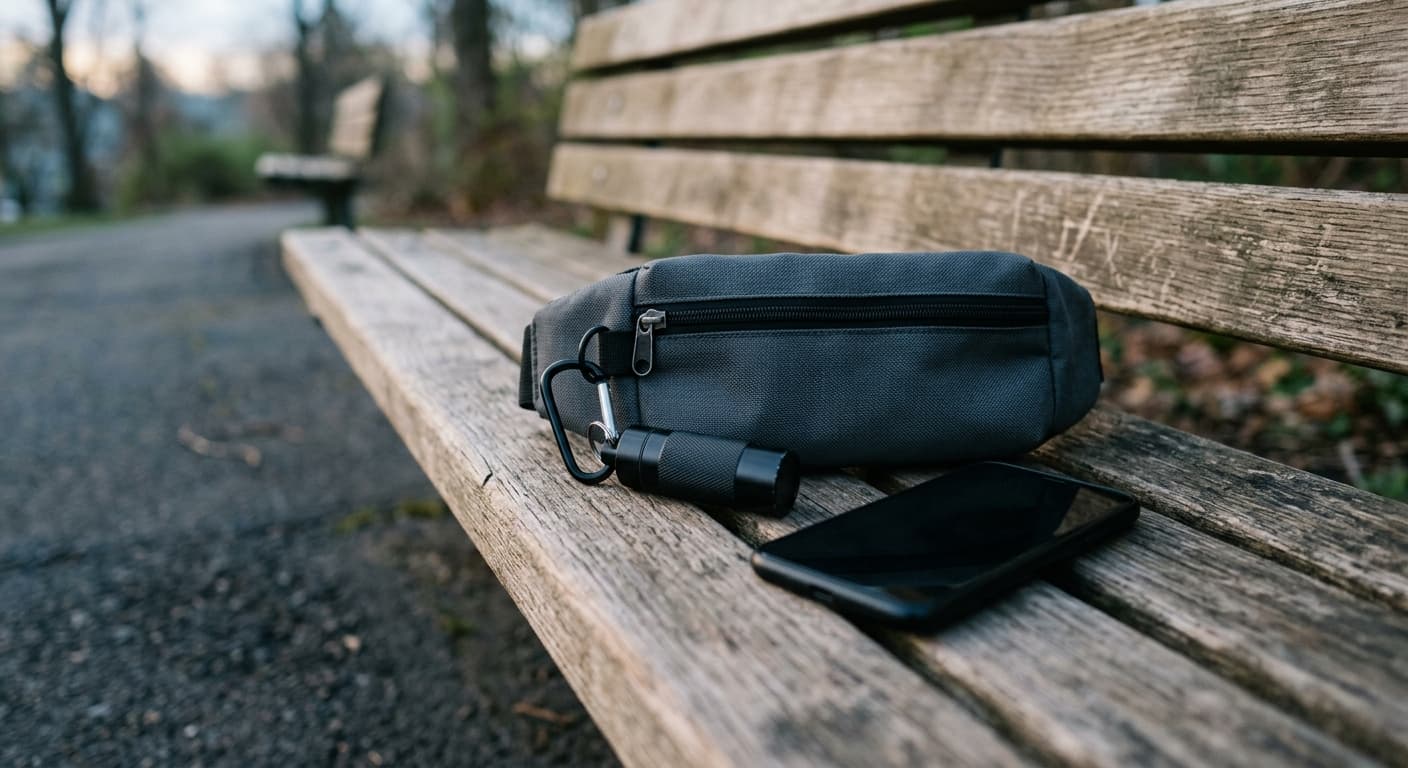
New Hampshire regulates pepper spray and stun guns through the same four-section subdivision of its pistols-and-revolvers chapter, but the two devices are not treated identically. The statute defines both as "self-defense weapons," bans criminal use of either, and restricts sale of one of them to minors, yet its felon-possession ban and its under-18 sale restriction, read on their own terms, name only the electronic device. A separate courthouse-security statute in the same chapter bars any "deadly weapon" from a courtroom, and whether either device qualifies is the same manner-of-use question addressed below, not a settled reach; the practical answer either way is not to bring one into a courthouse.
Jurisdiction scope: This page covers New Hampshire state law, principally RSA 159:3, 159:19 through 159:23, and 159:26. It does not cover any specific town or city ordinance, New Hampshire's pistol-and-revolver carry license statute in detail, or the safe school zones chapter beyond the single cross-reference described below.
Is pepper spray legal to carry in New Hampshire?
Legal to possess and carry, with no age minimum, capacity cap, or purchase restriction stated in the statute itself. RSA 159:20(II) defines an "aerosol self-defense spray weapon" as "any aerosol self-defense spray weapon which is designed to immobilize or incapacitate a person temporarily." Unlike many states, New Hampshire's subdivision does not set a maximum size, a formula requirement, or a minimum purchase age for this device. RSA 159:22's under-18 sale restriction names only the "electronic defense weapon," and RSA 159:21's felon-possession ban likewise names only the "electronic defense weapon." Neither section extends its restriction to the aerosol self-defense spray weapon by its own terms. What New Hampshire law regulates instead is offensive use: RSA 159:23(I) makes it a misdemeanor to use "an electronic defense or aerosol self-defense spray weapon on a law enforcement officer or another person with intent to commit a crime punishable as a misdemeanor," and RSA 159:23(II) raises that to a class B felony if the intended crime is punishable as a felony. RSA 159:23(III) adds a mandatory-consecutive-sentence rule: "Neither the whole nor any part of a sentence of imprisonment imposed for a violation of this section shall be served concurrently with any other term of imprisonment."

Are stun guns legal to carry in New Hampshire?
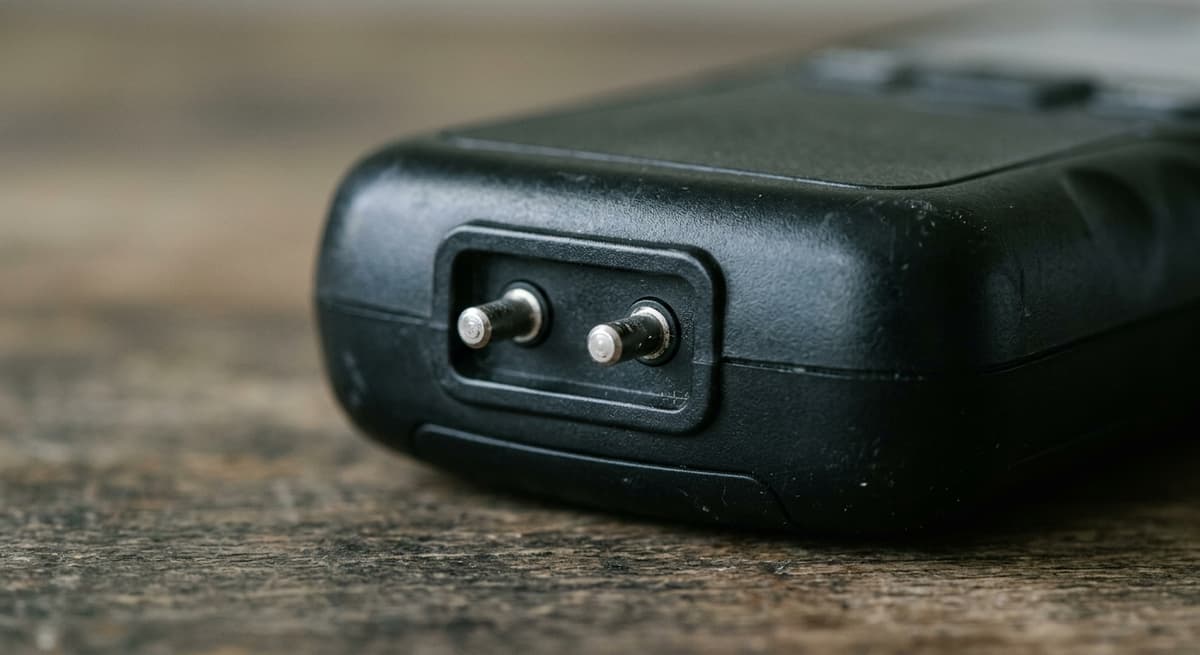
Legal to possess for an adult with no disqualifying felony conviction; New Hampshire calls the device an "electronic defense weapon" and regulates it more closely than pepper spray. RSA 159:20(I) defines it as "an electronically activated non-lethal device which is designed for or capable of producing an electrical charge of sufficient magnitude to immobilize or incapacitate a person temporarily." RSA 159:21 states in full: "Any person who has been convicted of a felony in this or any other state who possesses an electronic defense weapon away from the premises where he resides shall be guilty of a class B felony. Neither the whole nor any part of a sentence of imprisonment imposed for a violation of this section shall be served concurrently with any other term of imprisonment." The ban reaches a felon's possession away from the felon's own residence, not possession at that residence, but its sentencing tail is not lenient: no portion of the sentence may run concurrently with any other prison term. RSA 159:22 separately bars knowingly selling an electronic defense weapon to anyone under 18. That is a violation, and under RSA 625:9, II(b), "a violation does not constitute a crime and conviction of a violation shall not give rise to any disability or legal disadvantage based on conviction of a criminal offense." It carries a fine of up to $1,000 for an individual under RSA 651:2, IV(a), and no term of imprisonment. As with pepper spray, using an electronic defense weapon on a law enforcement officer or another person with intent to commit a crime is a separate offense under RSA 159:23, scaled to a misdemeanor or class B felony depending on the intended underlying crime, with the same bar on concurrent sentencing.

A related felon-weapons statute, RSA 159:3, separately makes it a class B felony for a person to own, possess, or control a list of enumerated weapons, plus "other deadly weapon as defined in RSA 625:11, V," if that person has been convicted of a felony. That predicate is narrower than "any convicted felon": subparagraph (b) limits it to a person convicted of "(1) A felony against the person or property of another; or (2) A felony under RSA 318-B [controlled drugs]; or (3) A felony violation of the laws of any other state... relating to controlled drugs." A person whose only felony conviction is, for example, a non-drug regulatory or tax offense against the state itself falls outside RSA 159:3 entirely, unlike RSA 159:21, which reaches anyone "convicted of a felony in this or any other state" with no such limitation on the predicate. RSA 159:3's enumerated list does not name an electronic defense weapon or aerosol spray weapon by name, so whether either device falls under its "other deadly weapon" catchall depends on the RSA 625:11, V definition: "any firearm, knife or other substance or thing which, in the manner it is used, intended to be used, or threatened to be used, is known to be capable of producing death or serious bodily injury." That is a fact-specific, manner-of-use question the statute's text does not resolve in advance. RSA 159:21's dedicated felon-possession ban for the electronic defense weapon applies regardless of that separate question, and to a broader group of felons than RSA 159:3 reaches.
Where you can't carry either device
RSA 159:19, Courthouse Security, sits in the same chapter as the self-defense-weapons subdivision and reaches "any other deadly weapon as defined in RSA 625:11, V." Whether an electronic defense weapon or aerosol self-defense spray weapon is a "deadly weapon" under that definition is the same fact-specific, manner-of-use question addressed above for RSA 159:3: RSA 625:11, V defines "deadly weapon" as "any firearm, knife or other substance or thing which, in the manner it is used, intended to be used, or threatened to be used, is known to be capable of producing death or serious bodily injury," with "serious bodily injury" defined as "any harm to the body which causes severe, permanent or protracted loss of or impairment to the health or of the function of any part of the body." The statute's text does not resolve that question in advance for either device, so this page does not resolve it either; whichever way it comes out, carrying either device into a courthouse risks a class B felony charge under this section, and the practical answer is not to do it. The full text of RSA 159:19, I: "No person shall knowingly carry a loaded or unloaded pistol, revolver, or firearm or any other deadly weapon as defined in RSA 625:11, V, whether open or concealed or whether licensed or unlicensed, upon the person or within any of the person's possessions owned or within the person's control in a courtroom or area used by a court. Whoever violates the provisions of this paragraph shall be guilty of a class B felony." "Area used by a court" is defined broadly: in a building used only for court purposes, it is the entire building outside the area between the entrance and courthouse security; in a mixed-use building, it covers the courtrooms, jury and deliberation rooms, conference and interview rooms, judge's chambers, other court staff facilities, holding facilities, and the corridors, stairways, waiting areas, and elevators that connect them. Paragraph IV's exceptions cover "marshals, sheriffs, deputy sheriffs, police or other duly appointed or elected law enforcement officers, bailiffs and court security officers, or persons with prior authorization of the court for the purpose of introducing weapons into evidence and as otherwise provided for in RSA 159:5." Court authorization is not general permission to carry a weapon in; it is authorization specifically to bring a weapon in as evidence. The cross-referenced RSA 159:5 adds its own narrow categories, including the regular transportation of firearms as merchandise, members of the armed services or national guard on duty, and authorized military or civil organizations when parading; none of them describes an ordinary visitor carrying pepper spray or a stun gun for personal protection. Paragraph V makes the absence of a required posted notice an affirmative defense.
RSA 193-D:1(I)(d), the definitions section of the state's safe school zones chapter, defines "unlawful possession or sale of a firearm or other dangerous weapon under RSA 159" as one of the "acts of theft, destruction, or violence" that trigger the chapter's school reporting and discipline rules. That definition is possession- and sale-specific, not a catch-all for anything unlawful under RSA 159: RSA 159:21's felon-possession ban and RSA 159:22's under-18 sale ban both fit its words, since both are possession or sale offenses; RSA 159:23's criminal-use offense does not, since using a weapon against someone is neither possessing nor selling it. So conduct already unlawful under RSA 159:21 or RSA 159:22 on school property is reportable under this chapter's definitions section; RSA 159:23 conduct is not reached by this particular definition, whatever else RSA 193-D's broader school-discipline provisions may separately cover.
Local ordinances and preemption
New Hampshire's firearms-preemption statute, RSA 159:26, has two operative sentences in paragraph I plus a savings clause, and they do not all cover the same list. The first sentence gives the state authority "over the sale, purchase, ownership, use, possession, transportation, licensing, permitting, taxation, or other matter pertaining to firearms, firearms components, ammunition, firearms supplies, or knives in the state." The actual local-ordinance prohibition is the second sentence, and its list is narrower, leaving knives out: "Except as otherwise specifically provided by statute, no ordinance or regulation of a political subdivision may regulate the sale, purchase, ownership, use, possession, transportation, licensing, permitting, taxation, or other matter pertaining to firearms, firearms components, ammunition, or firearms supplies in the state." A third sentence preserves local zoning authority over firearms or knives businesses "in the same manner as other businesses." Paragraph II then voids any municipal ordinance "not authorized under paragraph I relative to... firearms, firearm components, ammunition, firearms supplies, or knives." Neither list, in either paragraph, names an electronic defense weapon or an aerosol self-defense spray weapon, so RSA 159:26 does not extend its preemption to either device on its own text.
That is a statement about what this one statute does not preempt, not a statement about what a town or city may affirmatively regulate, and New Hampshire's local-government title answers the second question directly. RSA 31:39, I gives towns bylaw power over an enumerated list of subjects, not a general health-and-welfare grant: it runs from cemeteries and public institutions (a) through noise regulation (n) and local election-finance reporting (o) to, in subparagraph (p), "regulating the retail display and accessibility of martial arts weapons including throwing stars, throwing darts, nunchaku, blow guns, or any other objects designed for use in the martial arts that are capable of being used as lethal or dangerous weapons." Neither an electronic defense weapon nor an aerosol self-defense spray weapon is a martial-arts weapon, and no other subparagraph names a weapon of any kind, so a town ordinance reaching either device would have to rest on the catch-all in subparagraph (l), "making and ordering their prudential affairs," with penalties capped at $1,000 per offense under RSA 31:39, III. Cities draw their ordinance power from a different statute, RSA 47:17, whose paragraph II grants a general "order and police duty" power "to regulate the police of the city; to prevent any riot, noise, disturbance, or disorderly assemblages," a differently shaped grant than the town bylaw list, with penalties also capped at $1,000. Whether a specific town or city has actually adopted an ordinance under either grant is a separate question this page does not check.
Federal law: what it does and does not reach
No federal statute regulates a civilian's purchase or possession of pepper spray or a stun gun. Federal law matters in three places.
Federal buildings. Under 18 U.S.C. § 930(a), whoever knowingly possesses or causes to be present "a firearm or other dangerous weapon in a Federal facility (other than a Federal court facility)" faces a fine, imprisonment of up to 1 year, or both. Subsection (e) sets up to 2 years for a federal court facility, and subsection (b) up to 5 years where the weapon is intended to be used in a crime. Section 930(g)(2) defines the term:
The term "dangerous weapon" means a weapon, device, instrument, material, or substance, animate or inanimate, that is used for, or is readily capable of, causing death or serious bodily injury, except that such term does not include a pocket knife with a blade of less than 2½ inches in length.
The definition names neither device. Whether a particular spray or stun gun is "readily capable of" causing serious bodily injury is a question of fact the statute does not answer. Subsection (d)(3) exempts "the lawful carrying of firearms or other dangerous weapons in a Federal facility incident to hunting or other lawful purposes," and subsection (h) requires notice of the ban to be posted at each public entrance. A "Federal facility" is "a building or part thereof owned or leased by the Federal Government, where Federal employees are regularly present for the purpose of performing their official duties."
Air travel. The Transportation Security Administration's screening rules, which are agency policy rather than statute, bar both devices from carry-on bags. One 4 fl. oz. (118 ml) container of mace or pepper spray is permitted in checked baggage if it has a safety mechanism to prevent accidental discharge, and sprays containing more than 2 percent by mass of tear gas (CS or CN) are prohibited in checked baggage. Tasers, stun guns and other electro-shock weapons may travel in checked baggage only if transported so the device cannot discharge accidentally. Airlines may set stricter rules.
National parks. National Park Service regulations prohibit possessing, carrying or using a "weapon" in a park area except as the regulations provide (36 CFR 2.4(b)(1)). 36 CFR 1.4 defines "weapon" to include an "irritant gas device" and any "weapon the possession of which is prohibited under the laws of the State in which the park area or portion thereof is located."
Disclaimer: This article provides general legal information about New Hampshire's pepper spray and stun gun laws as of September 2026. It is not legal advice. Consult a lawyer licensed in New Hampshire for advice about a specific situation.
For a state-by-state comparison, see pepper spray and stun gun laws by state. New Hampshire's self-defense statutes are covered separately on the New Hampshire self-defense laws page.
Statutes cited reflect their in-force version as of 2026-09-20. Last updated: 2026-09-20.
Frequently Asked Questions
Is there an age minimum to buy pepper spray in New Hampshire?
The statute does not say. RSA 159:22's under-18 sale restriction names only the electronic defense weapon, not the aerosol self-defense spray weapon, so New Hampshire's self-defense weapons subdivision does not set an age floor for purchasing pepper spray on its own text.
Can a convicted felon own pepper spray in New Hampshire?
RSA 159:21's felon-possession ban names only the electronic defense weapon, not the aerosol self-defense spray weapon, so it does not by its own terms bar a felon from possessing pepper spray. RSA 159:3's separate felon-weapons statute reaches only a felon whose prior conviction was for a felony against a person or property of another, or a drug felony, and even then only if pepper spray meets the RSA 625:11, V 'deadly weapon' definition given how it is used, intended to be used, or threatened to be used, a fact-specific question the text does not resolve.
Can you carry pepper spray or a stun gun into a New Hampshire courthouse?
It is risky either way. RSA 159:19 makes it a class B felony to knowingly carry any 'deadly weapon' as RSA 625:11, V defines that term into a courtroom or area used by a court. Whether an electronic defense weapon or aerosol spray weapon meets that definition is a fact-specific question the statute does not resolve in advance, the same question this page addresses for RSA 159:3. There is no general exception for an ordinary visitor: the exceptions cover law enforcement officers, bailiffs, court security officers, a person authorized by the court specifically to introduce a weapon into evidence, and the narrow categories RSA 159:5 separately lists (military and national guard on duty, authorized parading organizations, and the like).
Can New Hampshire towns pass their own pepper spray or stun gun ordinances?
RSA 159:26 preempts local regulation of firearms, firearms components, ammunition, and firearms supplies (and separately reserves state authority, in its first sentence only, over knives too), but neither list names electronic defense weapons or aerosol self-defense spray weapons, so this statute does not extend its preemption to either device. That leaves the question of affirmative authority. Town bylaw power under RSA 31:39, I is an enumerated list, and its only weapons entry, regulating retail display of martial-arts weapons, does not cover either device; a town ordinance would have to rest on the general 'prudential affairs' catch-all, capped at a $1,000 penalty. Cities draw on a differently shaped 'order and police duty' grant in RSA 47:17, II, also capped at $1,000. Whether a specific town or city has actually adopted such an ordinance is a separate question this page does not check.
Is it a crime to use pepper spray or a stun gun on someone in New Hampshire?
Yes. RSA 159:23 makes it a misdemeanor to use either device on a law enforcement officer or another person with intent to commit a misdemeanor-level crime, and a class B felony if the intended crime is a felony, with no part of the sentence eligible to run concurrently with any other prison term.
Updates
Independently fact-checked against the cited primary sources
Sources and References
- N.H. RSA 159:20 - Self-Defense Weapons Defined(gc.nh.gov).gov
- N.H. RSA 159:21 - Possession by Felons Prohibited(gc.nh.gov).gov
- N.H. RSA 159:22 - Restricted Sale(gc.nh.gov).gov
- N.H. RSA 159:23 - Criminal Use of Electronic Defense or Aerosol Self-Defense Spray Weapons(gc.nh.gov).gov
- N.H. RSA 159:19 - Courthouse Security(gc.nh.gov).gov
- N.H. RSA 159:26 - Firearms, Ammunition, and Knives; Authority of the State(gc.nh.gov).gov
- N.H. RSA 159:3 - Convicted Felons(gc.nh.gov).gov
- N.H. RSA 625:11 - General Definitions ('deadly weapon')(gc.nh.gov).gov
- N.H. RSA 651:2 - Sentences and Limitations (violation-level fine)(gc.nh.gov).gov
- N.H. RSA 193-D:1 - Safe School Zones, Definitions(gc.nh.gov).gov
- N.H. RSA 159:5 - Exceptions(gc.nh.gov).gov
- N.H. RSA 31:39 - Purpose and Penalties (town bylaw power)(gc.nh.gov).gov
- N.H. RSA 47:17 - Bylaws and Ordinances (city ordinance power)(gc.nh.gov).gov
- 18 U.S.C. § 930 - Possession of firearms and dangerous weapons in Federal facilities(law.cornell.edu)
- Transportation Security Administration - What Can I Bring? Pepper Spray(tsa.gov).gov
- Transportation Security Administration - What Can I Bring? Stun Guns/Shocking Devices(tsa.gov).gov
- 36 CFR 1.4 - National Park Service definitions (weapon)(ecfr.gov).gov
- 36 CFR 2.4 - Weapons, traps and nets(ecfr.gov).gov