
Tennessee
Tennessee Open Container Law (2026): Driver-Only Rule Explained
Independently fact-checked against primary sources (last audited September 17, 2026). · 1 primary source cited on this page. How we verify our legal content
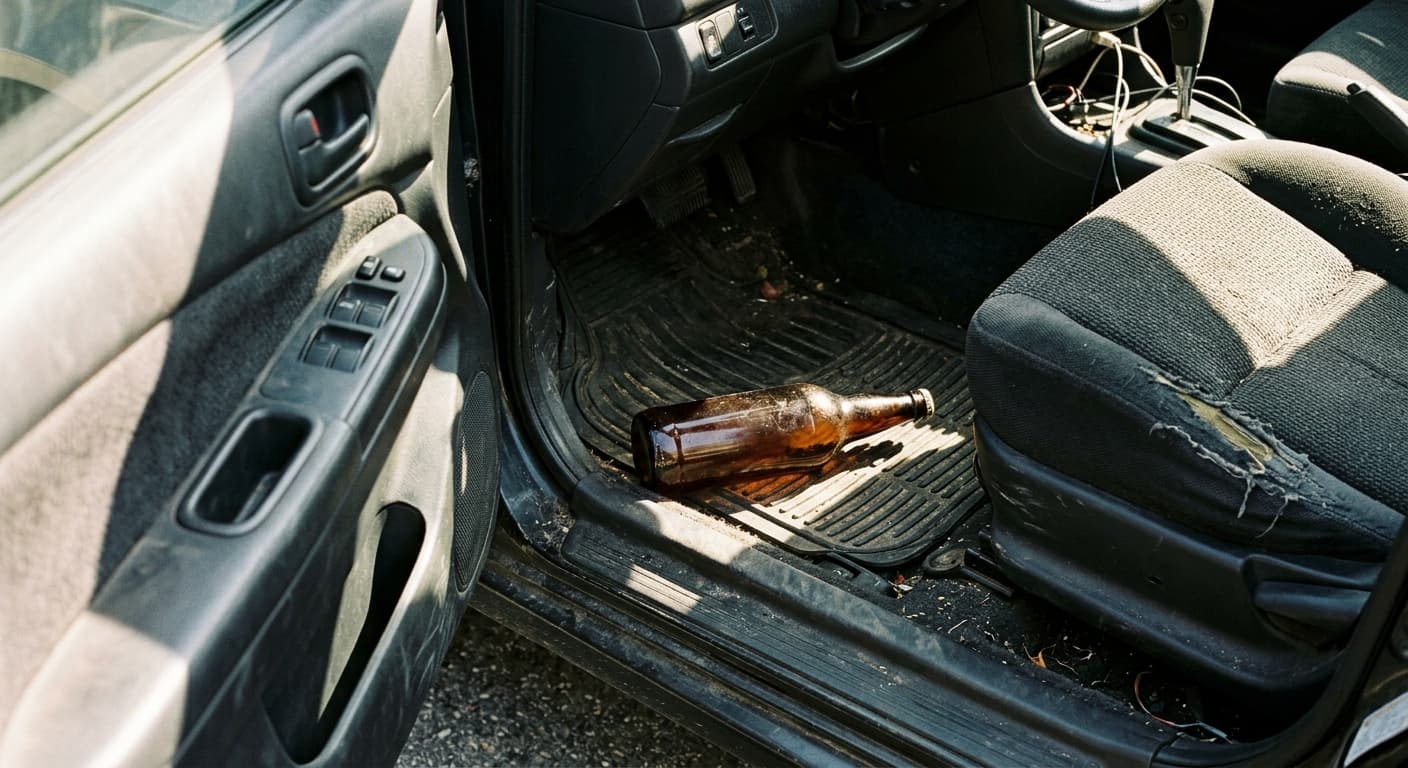
Tennessee's open container law bans only the driver, not passengers, from consuming or possessing an open alcoholic beverage or beer container while operating a vehicle, under Tenn. Code Ann. § 55-10-416. A city or county may extend the ban to passengers by local ordinance or resolution, but state law itself does not. As of September 2026, this reflects Tennessee's codified statute, published through the state's official Lexis-hosted public access portal.
Jurisdiction scope: This article addresses Tennessee's state open container statute and the local-ordinance option it authorizes. It does not address Tennessee's DUI laws in detail, or survey individual city and county ordinances. For Tennessee's DUI penalties, see Tennessee DUI laws.
Tennessee's Open Container Law Covers Only the Driver
Tennessee's statute reads, in relevant part:

"(a)(1) No driver shall consume any alcoholic beverage or beer or possess an open container of alcoholic beverage or beer while operating a motor vehicle in this state. (2) For purposes of this section: ... (B) An open container is in the possession of the driver when it is not in the possession of any passenger and is not located in a closed glove compartment, trunk or other nonpassenger area of the vehicle."
Tenn. Code Ann. § 55-10-416(a)(1), (a)(2)(B)
Read together, these two clauses mean something narrower than what most states' open container laws say. The core prohibition in (a)(1) names only "the driver." Subsection (a)(2)(B) then defines when a container counts as being in the driver's possession, and it excludes a container that a passenger is holding. The practical effect is that a passenger who has their own open container, and is not simply passing it to the driver, is not violating this state statute. This is a genuine outlier: most states in this dataset ban possession by any occupant, driver or passenger alike, but Tennessee's core text reaches only the driver.
Subsection (a)(2)(C) also defines when a vehicle is "in operation": the engine running, whether or not the vehicle is moving. That means a driver stopped at a red light, or parked with the engine idling, can still violate this section.
Tennessee's official code is published through a Lexis-hosted public access portal rather than a free state government website; that portal's table of contents did not yield section text when checked live this session. The statutory text quoted here is instead sourced from the corpus record of a 2021 Public.Resource.Org snapshot of the official Tennessee Code Annotated release, not a capture of the Lexis portal itself. That snapshot shows the statute as last substantively amended in 1994, which is true as of the 2021 release; a reader with a pending citation should confirm the current text directly through the Lexis portal.
A City or County May Extend the Ban to Passengers
Tennessee's statute expressly leaves room for stricter local rules. Subsection (c) states:
"This section shall not be construed to prohibit any municipality, by ordinance, or any county, by resolution, from prohibiting the passengers in a motor vehicle from consuming or possessing an alcoholic beverage or beer in an open container during the operation of the vehicle by its driver, or be construed to limit the penalties authorized by law for violation of the ordinance or resolution."
Tenn. Code Ann. § 55-10-416(c)
This is a local option, not a requirement. A municipality or county may adopt an ordinance or resolution banning passenger possession, but many may not have done so. Because passenger coverage varies by locality, and this page does not survey individual Tennessee municipal and county codes, a passenger's legal exposure for having an open container depends on where in Tennessee the vehicle is.
What Counts as an Exemption for the Driver
Because the driver-only prohibition turns on the definition in (a)(2)(B), a container is not treated as being in the driver's possession, and so is not a violation, in either of these situations:
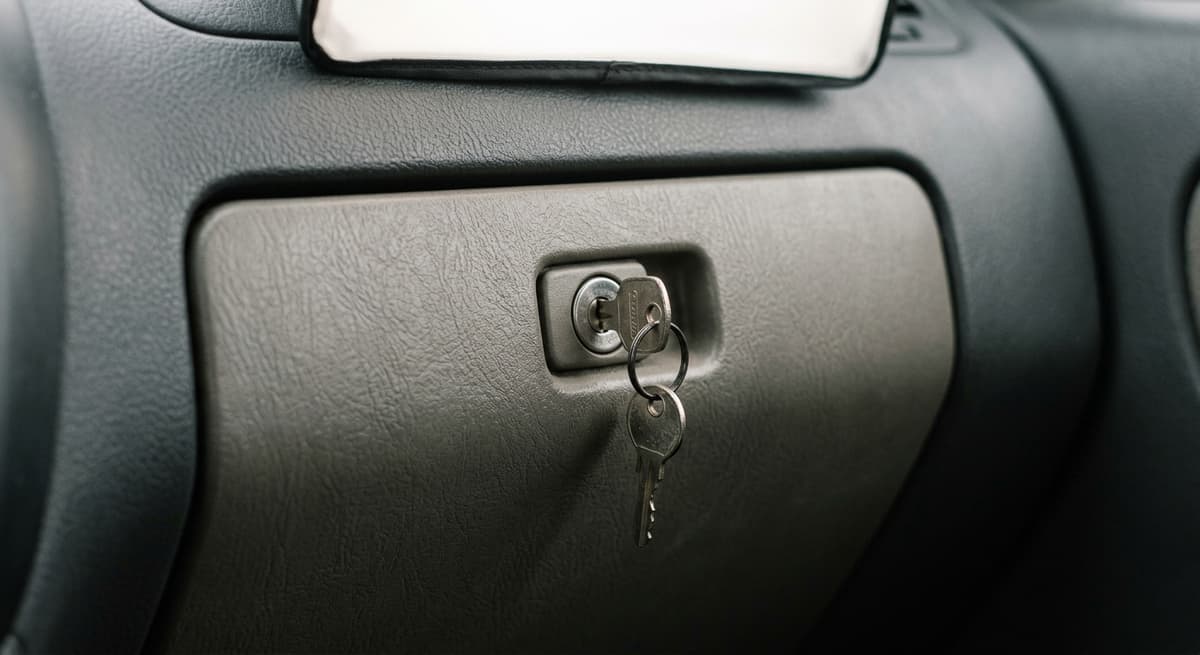
- The container is in a passenger's own possession, not the driver's.
- The container is located in a closed glove compartment, trunk, or other nonpassenger area of the vehicle, even if it belongs to the driver.
Penalty
A violation of Tenn. Code Ann. § 55-10-416 is a Class C misdemeanor, punishable by fine only, under subsection (b). The fine amount is not stated within this section; it is cross-referenced to Tenn. Code Ann. § 40-35-111, Tennessee's general misdemeanor fine schedule.
Why Tennessee Is on the Federal Non-Conforming List
Federal law, 23 CFR 1270.4, requires a conforming open container law to prohibit possession and consumption in the passenger area for all occupants of the vehicle, not the driver alone. Tennessee's core statutory text binds only the driver, which is the visible reason the state appears on FHWA's fiscal year 2026 list of 12 states whose open container law does not meet the federal compliance standard (FHWA Notice N4510.905, dated October 1, 2025). States on that list have 2.5 percent of certain federal highway apportionments reserved and redirected to highway safety programs. Because Tennessee's local-option provision is not mandatory, and this page does not survey how many Tennessee localities have adopted a passenger-coverage ordinance, the statewide gap identified by FHWA remains in place regardless of any individual city or county's rule.
Disclaimer: This article provides general legal information about open container laws in the United States as of September 2026. It is not legal advice. Open container statutes, exemptions, penalties, and local ordinances change; verify the current text of the law that applies where you are before relying on it, and consult a lawyer licensed in Tennessee for advice about a specific situation.
Related reading: open container laws by state, Tennessee DUI laws, and Tennessee window tint laws.
Statutes cited reflect their in-force version as of 2026-09-16. Last updated: 2026-09-16.
Frequently Asked Questions
Does Tennessee's open container law apply to passengers?
Not under the core state statute. Tenn. Code Ann. Section 55-10-416 bans only the driver from consuming or possessing an open container, and its own definition excludes a container that a passenger, rather than the driver, is holding. A city or county may extend the ban to passengers by local ordinance or resolution, so passenger coverage can vary by location.
Can a passenger drink alcohol in a car in Tennessee?
Under the state statute alone, a passenger who has their own open container is not violating Section 55-10-416. But the driver may not consume or possess an open container at all while operating the vehicle, and some Tennessee municipalities or counties may have adopted a local ordinance or resolution that does prohibit passenger possession or consumption.
What is the penalty for an open container violation in Tennessee?
A violation is a Class C misdemeanor, punishable by fine only. The fine amount is set by a separate section, Tenn. Code Ann. Section 40-35-111, rather than stated within Section 55-10-416 itself.
Why is Tennessee on the federal non-conforming list for open container laws?
Federal law under 23 CFR 1270.4 requires a compliant state law to cover every vehicle occupant, not just the driver. Tennessee's core statute binds only the driver, which is the visible reason it appears on FHWA's fiscal year 2026 list of non-conforming states.
Updates
Independently fact-checked against the cited primary sources
Sources and References
- Tenn. Code Ann. § 55-10-416 - Consumption or possession of alcoholic beverage or beer by driver; driver-only definition and local-option carve-out (Tennessee's code is Lexis-published; text sourced from the corpus record of a 2021 Public.Resource.Org snapshot of the official TCA release, not a capture of the Lexis portal and not independently re-opened live this session)(lexisnexis.com)
- 23 CFR 1270.4 - federal compliance criteria requiring a conforming open container law to cover all vehicle occupants(law.cornell.edu)
- FHWA Notice N4510.905 - FY2026 Apportionment of Federal-Aid Highway Program Funds (open container non-conforming states list, including Tennessee)(highways.dot.gov).gov