
Connecticut
Connecticut Open Container Law (2026): No Possession Ban
Independently fact-checked against primary sources (last audited September 17, 2026). · 3 primary sources cited on this page. How we verify our legal content
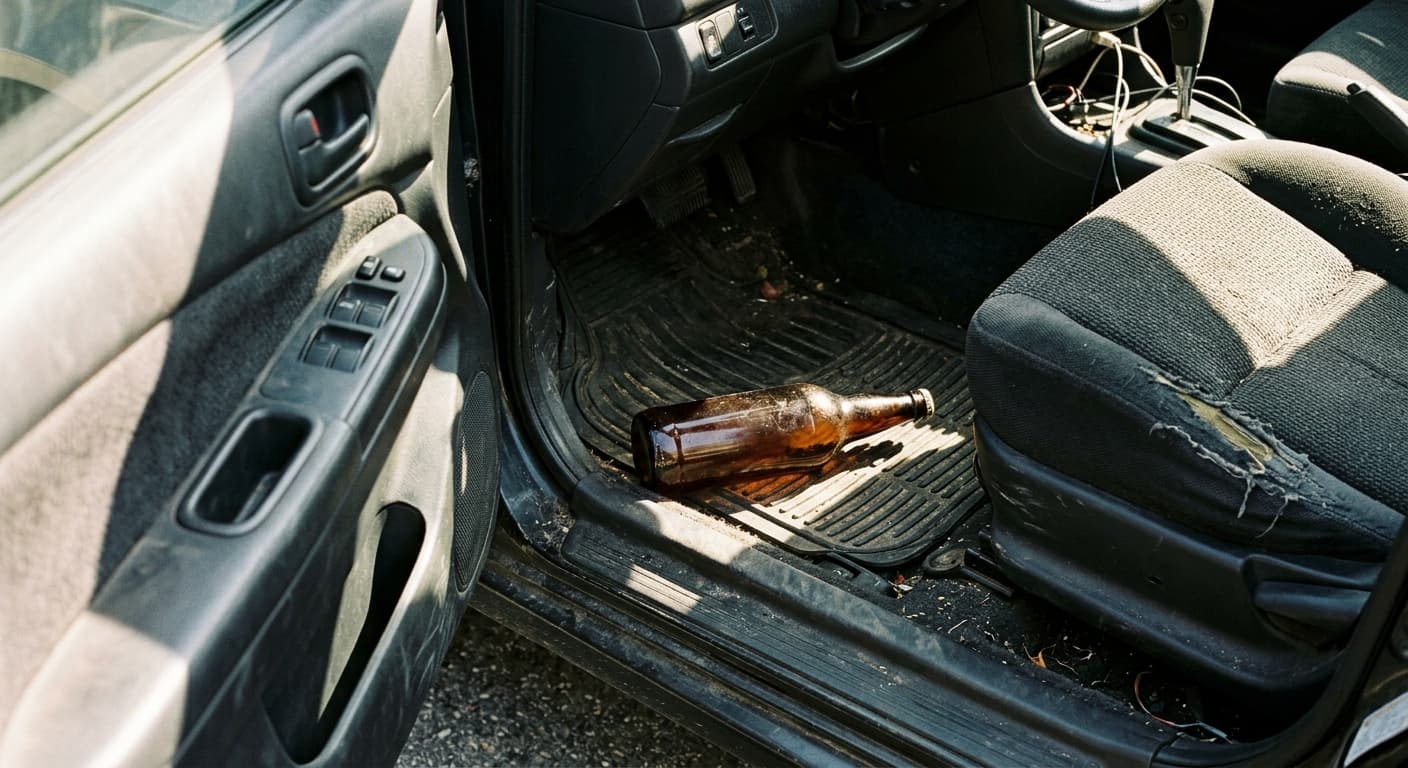
Connecticut has no law against simply having an open alcoholic beverage container in a vehicle. The state's only related rule, Conn. Gen. Stat. Section 53a-213, bans the driver from drinking alcohol while operating a motor vehicle; it does not reach mere possession by the driver or a passenger. As of September 2026, that remains the current state of Connecticut law.
Jurisdiction scope: This article addresses Connecticut's state open container law under Conn. Gen. Stat. Section 53a-213. It does not address DUI charges or local ordinances. For Connecticut's separate DUI penalties, see Connecticut DUI laws.
What Connecticut's Law Actually Bans
Section 53a-213 is a driver-only drinking offense, not a possession offense. It bans a driver from drinking an alcoholic beverage while operating a motor vehicle upon a public highway of the state, a road of a specially chartered municipal association or certain districts, any parking area for ten cars or more, a private road on which a speed limit has been established under Section 14-218a or 14-307a, or upon school property. It does not use a "passenger area" concept the way most other states' open container statutes do, and it does not ban having an open, unsealed container in the vehicle if no one is actually drinking from it.
Why There's No Possession Offense
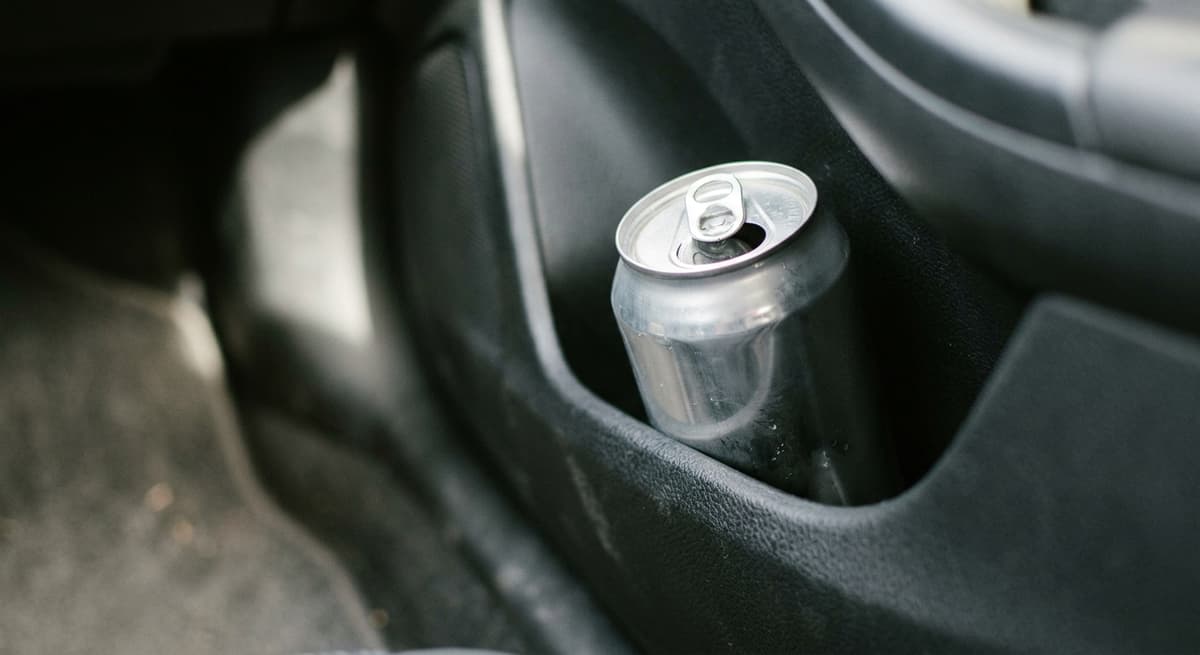
Connecticut has no companion statute that bans the driver or a passenger from simply possessing an open alcoholic beverage container. The one adjacent provision, Section 14-111a, banned open-container possession by a person under 21, but it was repealed in 2010 and does not survive in current law. That leaves Connecticut without any general open-container possession offense for an adult driver or passenger.
Penalty
A violation of Section 53a-213 is a class C misdemeanor. The section's own text does not specify a fine amount, but Connecticut's general misdemeanor sentencing statutes do: C.G.S. Section 53a-36(3) authorizes up to three months in jail for a class C misdemeanor, and Section 53a-42(3) authorizes a fine of up to $500.
Why Connecticut Is on the Federal Non-Conforming List
Federal law, 23 U.S.C. Section 154, ties a share of a state's highway funding to having an open container law that bans both possession and consumption for every occupant of a vehicle. Because Connecticut's law reaches only the driver's act of drinking, and does not ban possession by the driver or a passenger, Connecticut is one of 12 states FHWA has determined do not meet that standard for fiscal year 2026 (FHWA Notice N4510.905, dated October 1, 2025). Connecticut has 2.5 percent of certain federal highway apportionments reserved, and then, in the proportions the state elects, released for eligible highway-safety-improvement activities or transferred to the state's Highway Safety Program.
For how this rule compares with every other state, see the open container laws by state comparison.
Disclaimer: This article provides general legal information about open container laws in the United States as of September 2026. It is not legal advice. Open container statutes, exemptions, and penalties change; verify the current text of your state's law before relying on it, and consult a lawyer licensed in your state for advice about a specific situation.
Statutes cited reflect their in-force version as of 2026-09-16. Last updated: 2026-09-16.
Frequently Asked Questions
Is it illegal for a passenger to have an open container of alcohol in Connecticut?
No. Connecticut has no statute banning possession of an open alcoholic beverage container by a passenger; its only related law, Conn. Gen. Stat. Section 53a-213, bans only the driver from drinking while operating the vehicle. A local municipality may still have its own ordinance, and open alcohol in the vehicle remains evidence a trooper can use in an impaired-driving investigation of the driver.
Can a passenger drink alcohol while someone else drives in Connecticut?
Connecticut's open-container statute does not bar a passenger from drinking; it only bans the driver from drinking while operating the vehicle. A local municipality may still have its own ordinance, and open alcohol in the vehicle remains evidence a trooper can use in an impaired-driving investigation of the driver.
Why is Connecticut on the federal open container non-compliance list?
Federal law under 23 U.S.C. Section 154 requires a state's open container law to ban both possession and consumption for every vehicle occupant. Connecticut's law bans neither possession, for the driver or a passenger, nor a passenger's own drinking, so FHWA lists it as non-conforming for fiscal year 2026.
Updates
Independently fact-checked against the cited primary sources
Sources and References
- Conn. Gen. Stat. § 53a-213 - Alcohol-impaired driving; drinking while operating a motor vehicle(cga.ct.gov).gov
- Conn. Gen. Stat. §§ 53a-36(3), 53a-42(3) - Class C misdemeanor imprisonment and fine ceilings (up to 3 months, up to $500)(cga.ct.gov).gov
- 23 U.S.C. § 154(a) - Open container requirements(law.cornell.edu)
- FHWA Notice N4510.905 - FY2026 Apportionment of Federal-Aid Highway Program Funds (open container non-conforming states list)(highways.dot.gov).gov