
District of Columbia
Is Jaywalking Illegal in Washington, DC? Rules and Fines (2026)
Independently fact-checked against primary sources (last audited October 10, 2026). · 11 primary sources cited on this page. How we verify our legal content
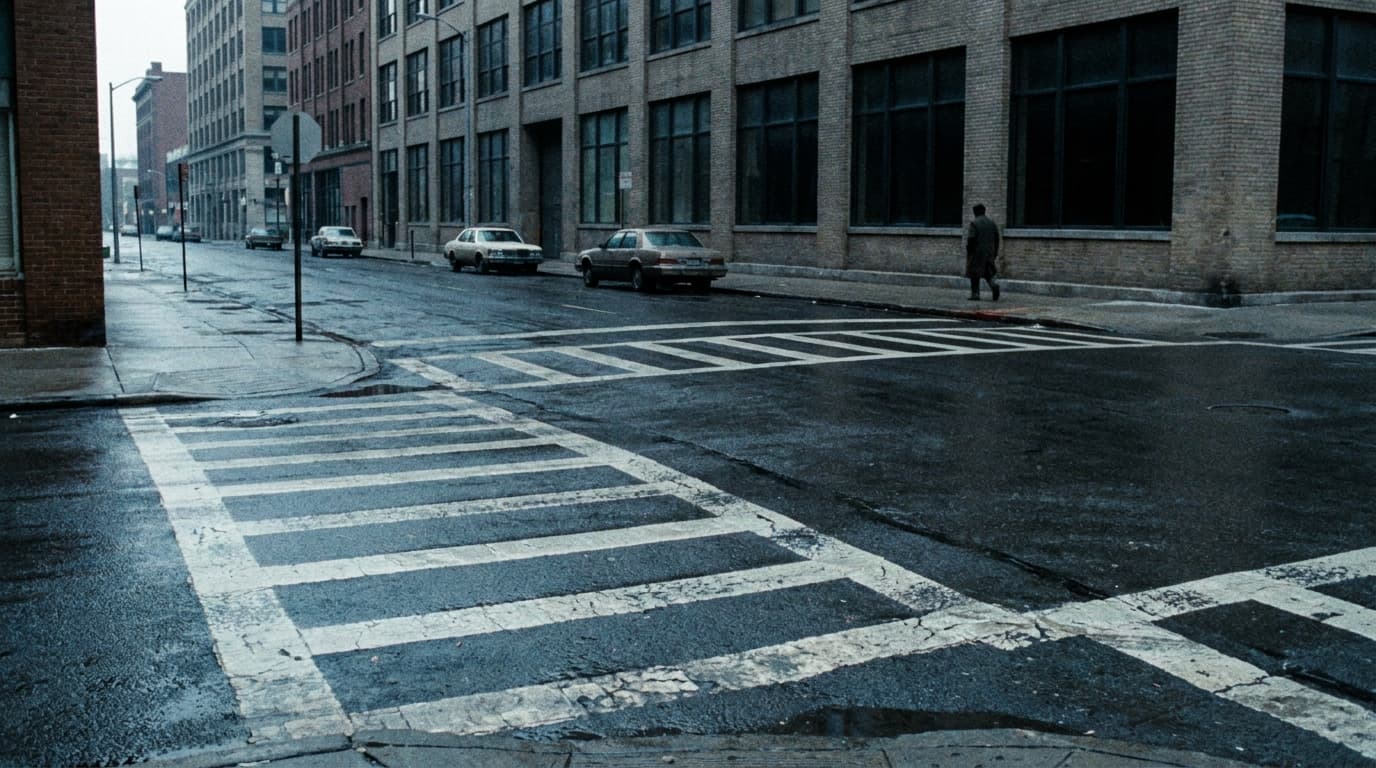
In Washington, DC, crossing outside a crosswalk is allowed if you yield to traffic, but crossing mid-block between signal-controlled intersections is not. The District's pedestrian rules are regulations, in chapter 23 of Title 18 of the DC Municipal Regulations (18 DCMR), rather than sections of the DC Code. Under 18 DCMR 2304.1, pedestrians may not cross between adjacent intersections controlled by traffic signals or police officers except in a crosswalk, and the pedestrian fine schedule in 18 DCMR 2603.1 sets a $20 fine for that and for crossing against a red light. For how other states compare, see our guide to jaywalking laws by state.
Information last verified on 2026-10-10. This article has not been reviewed by a licensed lawyer.
Jurisdiction scope: This article covers District of Columbia law on pedestrians: the pedestrian rules in 18 DCMR chapter 23 (sections 2300 to 2305) as published on DCRegs, the pedestrian fine schedule in 18 DCMR 2603, the definitions in 18 DCMR 9901, and the driver's crosswalk duty in D.C. Code § 50-2201.28. It does not cover how pedestrian tickets are adjudicated, federal property, injury claims after a crash, or the law of Maryland or Virginia.
Is jaywalking illegal in DC?
Not every crossing outside a crosswalk breaks the rules. Under 18 DCMR 2304.2, except on the streets described in 18 DCMR 2217.1 to 2217.3, "each pedestrian crossing a roadway at any point other than within a marked crosswalk, or within an unmarked crosswalk at an intersection, shall yield the right-of-way to all vehicles upon the roadway."
So a mid-block crossing on an ordinary street is a duty to give way, not a ban. The flat prohibitions are narrower. Outside a crosswalk, a pedestrian may not cross between signal- or officer-controlled intersections, and must cross by a route at right angles to the curb or by the shortest route to the opposite curb (18 DCMR 2304.1, 2304.3). Pedestrians may not cross an intersection diagonally without authorization, cross against a red light, or start across on DON'T WALK or WAIT (2303.3, 2301.4, 2302.3). On Kenilworth Avenue NE between Benning Road and Eastern Avenue, pedestrians may cross the main roadway only by the designated overpasses or underpasses (2304.4).
The crossing rules in 2304.1 to 2304.3 do not apply on streets signed as local access streets, play streets and streets closed to traffic (18 DCMR 2217.1 to 2217.3). Where driving on those streets is authorized, "an operator of a vehicle shall yield the right-of-way to pedestrians, cyclists, and all other non-vehicular traffic at all points" (18 DCMR 2217.8).
Where DC's pedestrian rules come from
The rules live in 18 DCMR chapter 23 (sections 2300 to 2305), published on the District's DCRegs site, and the pedestrian fines are a regulation too, 18 DCMR 2603. DCRegs lists the current version of section 2304 as effective February 12, 2021 (final rulemaking published at 68 DCR 1900), section 2305 as effective July 23, 2021, and section 2603 as effective January 4, 2019.
Section 2300.1 ties pedestrians to the signals: "Pedestrians shall be subject to traffic control signals as provided in this chapter. At all other places, pedestrians shall be accorded the privileges and shall be subject to the restrictions stated in this chapter."
Jaywalking fines in DC
The civil infraction fines for pedestrians are set in 18 DCMR 2603.1:
| Violation | Regulation | Fine (18 DCMR 2603.1) |
|---|---|---|
| Crossing between intersections | 18 DCMR 2304.1 | $20 |
| Crossing diagonally at an intersection (no signal) | 18 DCMR 2303.3 | $20 |
| Crossing against a red light | 18 DCMR 2301.4 | $20 |
| Starting to cross on DON'T WALK or WAIT | 18 DCMR 2302.3 | $20 |
| Crossing at other than a right angle | 18 DCMR 2304.3 | $10 |
| Crossing where prohibited | 18 DCMR 2304 | $10 |
| Walking in the roadway where a sidewalk is provided | 18 DCMR 2305.2 | $10 |
| Walking on the wrong side where there is no sidewalk | 18 DCMR 2305.3 | $10 |
| Soliciting rides while standing in the roadway | 18 DCMR 2305.4 | $10 |
| Walking suddenly into the path of a vehicle, without the right-of-way, and colliding with it | 18 DCMR 2303.2 | $100 |
| Failing to yield to an emergency vehicle using audible or visual emergency signals | 18 DCMR 2305.5 | $100 |
Crossing mid-block and diagonally
18 DCMR 2304.1 provides: "Except on streets described in §§ 2217.1, 2217.2, or 2217.3, between adjacent intersections controlled by traffic control signal devices or by police officers, pedestrians shall not cross the roadway at any place except in a crosswalk."
On a block with signals or officers at both ends, the mid-block crossing is the violation unless a crosswalk is there. Outside that situation, the yield rule applies, along with 2304.3: "Except on streets described in §§ 2217.1, 2217.2, or 2217.3, no pedestrian shall cross a roadway at any place other than by a route at right angles to the curb or by the shortest route to the opposite curb, except in a crosswalk."
The diagonal rule, 18 DCMR 2303.3, reads: "No pedestrian shall cross a roadway intersection diagonally unless authorized by official traffic control devices."
Unmarked crosswalks
A crosswalk in DC does not need paint. 18 DCMR 9901 defines it as "that part of a roadway at an intersection included within the connections of the lateral lines of the sidewalks on opposite sides of the highway measured from the curbs, or in the absence of curbs, from the edges of the transversable roadway; or any portion of a roadway at an intersection or elsewhere distinctly indicated for pedestrian crossing by lines or other markings on the surface."
Red lights and walk signals
18 DCMR 2301.4 provides: "Pedestrians facing a STEADY RED SIGNAL or the word 'STOP' shall not enter the roadway, except where special pedestrian control signals show a 'WALK' signal."
The only exception in that text is a special pedestrian control signal showing WALK. Without one, a steady red or STOP keeps pedestrians out of the roadway.
The other signal rules in 2301 and 2302:
- Green or GO. Pedestrians may proceed across the roadway within any marked or unmarked crosswalk, except where a special pedestrian control signal shows DON'T WALK (2301.2).
- Steady yellow. Pedestrians are advised there is insufficient time to cross, "and any pedestrian then starting to cross shall yield the right-of-way to all vehicles" (2301.3).
- WALK. Pedestrians "may proceed across the roadway in the direction of the signal and shall be given the right-of-way by the drivers of all vehicles" (2302.2).
- DON'T WALK or WAIT. "No pedestrian shall start to cross the roadway in the direction of a 'DON'T WALK' or 'WAIT' signal" (2302.3). The fine is $20 (2603.1).
Walking along the road and stepping into traffic
Under 18 DCMR 2305.2, "Where a paved sidewalk is provided, a pedestrian shall not walk upon a roadway adjacent to the sidewalk, except as appropriate to avoid a risk to the pedestrian's, or another individual's, safety or health." Where sidewalks are not provided, a pedestrian walking along a street or highway must, when practicable, walk only on the left side of the roadway or its shoulder, facing traffic (2305.3). Each carries a $10 fine (2603.1).

Two more rules cover standing in the street. "No person shall stand in a roadway for the purpose of soliciting a ride from the driver of any vehicle" (2305.4, $10). "Upon the approach of an authorized emergency vehicle, pedestrians shall yield right-of-way and immediately proceed to the nearest point of safety" (2305.5, $100).
The schedule's highest pedestrian fines, $100, apply to failing to yield to an emergency vehicle and to walking suddenly into the path of a vehicle and colliding with it. The path rule, 18 DCMR 2303.2, reads: "No pedestrian shall suddenly leave a curb, safety platform, safety zone, loading platform, or other designated place of safety and walk or turn into the path of a vehicle which is so close that it is impossible for the driver to yield."
What drivers owe pedestrians in DC
The driver's duty is in the DC Code itself. D.C. Code § 50-2201.28(a) provides:
"(a) The driver of a vehicle shall stop and remain stopped to allow a pedestrian to cross the roadway within any marked crosswalk, or unmarked crosswalk at an intersection, when the pedestrian is upon the lane, or within one lane approaching the lane, on which the vehicle is traveling or onto which it is turning."
That is a stop-and-remain-stopped duty, which applies to turning drivers as well. Because 18 DCMR 9901 makes the area within the connected sidewalk lines at an intersection a crosswalk whether or not it is painted, the duty reaches unmarked crosswalks at intersections too.
- Passing a stopped vehicle. "Whenever a vehicle is stopped at a marked crosswalk at an unsignalized intersection, a vehicle approaching the crosswalk in an adjacent lane or from behind the stopped vehicle shall stop and give the right-of-way to ensure the safety of pedestrians and bicyclists before passing the stopped vehicle" (§ 50-2201.28(a-1)).
- WALK signal. "A pedestrian who has begun crossing on the 'WALK' signal shall be given the right-of-way by the driver of any vehicle to continue to the opposite sidewalk or safety island, whichever is nearest" (§ 50-2201.28(b)).
- Due care. Every operator of a vehicle "shall exercise due care to avoid colliding with any pedestrians," shall give an audible signal when necessary, and "shall exercise proper precaution upon observing any child or any obviously confused, incapacitated, or intoxicated person" (18 DCMR 2300.2).
A driver can be prosecuted. Under § 50-2201.28(c), "Any person convicted of failure to stop and give the right-of-way to a pedestrian or of colliding with a pedestrian shall be subject to a fine of not more than the amount set forth in § 22-3571.01, or imprisonment for not more than 30 days, or both." Under § 50-2201.28(c-1), the Department of Motor Vehicles may instead impose civil fines as alternative sanctions. The civil schedule in 18 DCMR 2600 lists $150 for failure to stop and give the right-of-way to a pedestrian in the roadway, $500 for overtaking another vehicle stopped at a crosswalk or intersection for a pedestrian, and $500 for colliding with a pedestrian (2300.2).
If a pedestrian is hit by a car
Whether a pedestrian was crossing lawfully can come up after a collision, alongside the driver's crosswalk duty under § 50-2201.28. For how fault, insurance and filing deadlines work after a crash, see District of Columbia car accident laws. Scooter riders follow a different set of rules, covered in District of Columbia e-scooter laws.
Related pages
- Jaywalking laws by state
- District of Columbia car accident laws
- District of Columbia e-scooter laws
- Maryland jaywalking laws
- Virginia jaywalking laws
This article provides general legal information about District of Columbia law, not legal advice. For advice about a specific situation, contact a lawyer licensed in the District of Columbia.
Last updated: 2026-10-10.
Frequently Asked Questions
Is jaywalking illegal in DC?
Crossing outside a crosswalk is allowed if you yield the right-of-way to all vehicles (18 DCMR 2304.2), and you must cross at right angles to the curb or by the shortest route (2304.3). Crossing between adjacent signal- or officer-controlled intersections outside a crosswalk (2304.1), crossing an intersection diagonally without authorization (2303.3), crossing against a red light (2301.4) and starting on DON'T WALK or WAIT (2302.3) are prohibited.
What is the fine for jaywalking in DC?
Under the pedestrian fine schedule in 18 DCMR 2603.1, crossing between intersections, crossing diagonally, crossing against a red light and starting on DON'T WALK or WAIT each carry a $20 fine; crossing at other than a right angle and walking in the roadway where a sidewalk is provided carry $10.
Can I cross in the middle of the block in DC?
Yes, if you yield to vehicles, unless the intersections at both ends are controlled by traffic signals or police officers. In that case 18 DCMR 2304.1 allows crossing only in a crosswalk.
Is every intersection a crosswalk in DC?
Under 18 DCMR 9901, a crosswalk includes the part of the roadway at an intersection within the connections of the sidewalk lines on opposite sides, measured from the curbs or, where there are no curbs, from the edges of the roadway, whether or not it is marked, plus any crossing marked by lines on the surface.
Do drivers have to stop for pedestrians in DC?
Yes. Under D.C. Code § 50-2201.28(a), a driver must stop and remain stopped for a pedestrian crossing in a marked crosswalk or an unmarked crosswalk at an intersection when the pedestrian is in the driver's lane or within one lane of it, including the lane the driver is turning into.
Can I walk in the street in DC?
Not where a paved sidewalk is provided, except as appropriate to avoid a risk to your own or another person's safety or health (18 DCMR 2305.2). Where there is no sidewalk, walk on the left side of the roadway or its shoulder, facing traffic, when practicable (2305.3). Each carries a $10 fine (2603.1).
Updates
Independently fact-checked against the cited primary sources
The Law Behind This Article
This article rests on the statutory provisions below, held in our own legal record and retrieved from the official source. Tap a section to read the operative text.
Code of the District of Columbia, Title 50: Motor and Non-Motor Vehicles and Traffic. - Chapter 22: Regulation of Traffic. - Subchapter I: General Provisions. - Part B: Miscellaneous.
§ 50-2201.28Right-of-way at crosswalks.In force
(a) The driver of a vehicle shall stop and remain stopped to allow a pedestrian to cross the roadway within any marked crosswalk, or unmarked crosswalk at an intersection, when the pedestrian is upon the lane, or within one lane approaching the lane, on which the vehicle is traveling or onto which it is turning. (a-1) Whenever a vehicle is stopped at a marked crosswalk at an unsignalized intersection, a vehicle approaching the crosswalk in an adjacent lane or from behind the stopped vehicle shall stop and give the right-of-way to ensure the safety of pedestrians and bicyclists before passing the stopped vehicle. (b) A pedestrian who has begun crossing on the “WALK” signal shall be given the right-of-way by the driver of any vehicle to continue to the opposite sidewalk or safety island, whichever is nearest.
Official text (excerpt) · last checked 2026-07-30 · Read the full text in our law library · Verify at github.com
Search our full record of US law — 2.1 million sections, every state + federal →
Sources and References
- 18 DCMR 2304, Crossing at places other than crosswalks (effective February 12, 2021)(dcregs.dc.gov).gov
- 18 DCMR 2305, Walking and standing on sidewalks and roadways (effective July 23, 2021)(dcregs.dc.gov).gov
- 18 DCMR 2603, Pedestrian infractions (fine schedule, effective January 4, 2019)(dcregs.dc.gov).gov
- 18 DCMR 2301, Traffic control signals: pedestrians(dcregs.dc.gov).gov
- 18 DCMR 2302, Pedestrian WALK, DON'T WALK and WAIT signals(dcregs.dc.gov).gov
- 18 DCMR 2303 (diagonal crossing; leaving a place of safety)(dcregs.dc.gov).gov
- 18 DCMR 2300 (pedestrians and signals; driver due care)(dcregs.dc.gov).gov
- 18 DCMR 2217 (local access, play and closed streets)(dcregs.dc.gov).gov
- 18 DCMR 2600, Civil fines for motor vehicle moving infractions(dcregs.dc.gov).gov
- 18 DCMR 9901, Definitions (crosswalk)(dcregs.dc.gov).gov
- D.C. Code § 50-2201.28, Right-of-way at crosswalks(code.dccouncil.gov).gov