
United Kingdom
LPA Registration Cost: £92 to Register a Power of Attorney
Independently fact-checked against primary sources (last audited August 20, 2026). · 4 primary sources cited on this page. How we verify our legal content
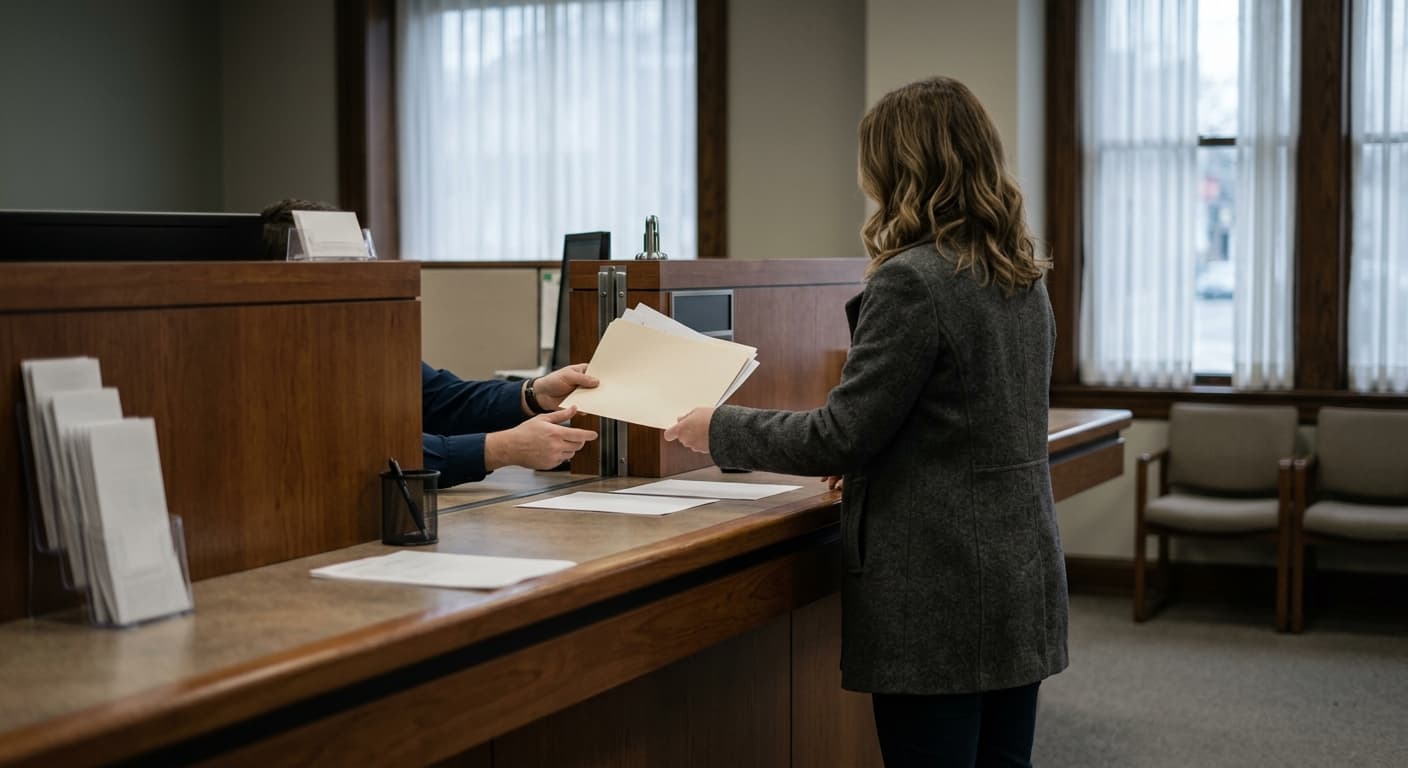
Registering a lasting power of attorney (LPA) with the Office of the Public Guardian costs £92 per LPA, so £184 if you register both a property and financial affairs LPA and a health and welfare LPA, as of August 2026. There is no discount for registering both at once; the fee is simply £92 charged twice. This guide covers the current England and Wales registration process, fee, timeline and reductions, and how the cost compares to the alternative if no LPA is in place.
Jurisdiction scope: This page covers LPA registration fees and process for England and Wales, administered by the Office of the Public Guardian. Scotland and Northern Ireland have separate powers of attorney regimes with their own fees; see power of attorney in Scotland and power of attorney in Northern Ireland. For what an LPA is and the two types available, see lasting power of attorney.
The current registration fee
Applying to register an LPA with the OPG costs £92 per LPA. Because there are two separate types of LPA (property and financial affairs, and health and welfare), a donor registering both pays £184 in total: two separate £92 fees, not a combined rate. There is no discount for registering both at the same time.
An older figure of £82 sometimes circulates online. That figure is out of date. gov.uk's current registration guidance states the fee as £92, and the fee has risen over time, so always check gov.uk's live fee page before paying rather than relying on a figure quoted elsewhere.
If a mistake on the application means the OPG cannot register it as submitted, a correction and re-application within 3 months of the original submission is charged at a reduced fee of £46, roughly half the standard rate, rather than the full £92 again.
Fee reductions and exemptions
The OPG reduces or waives the registration fee for donors on a low income, based entirely on the donor's circumstances, never the attorney's.

- Remission (half fee): if the donor's gross annual income is £12,000 or less, the fee is reduced to £46 per LPA. A repeat application made with remission costs £23.
- Full exemption: available if the donor receives any of the following: Income Support, income-based Jobseeker's Allowance, income-related Employment and Support Allowance, the Guarantee Credit element of Pension Credit, Housing Benefit, Council Tax Support or Council Tax Reduction, or Working Tax Credit combined with either Child Tax Credit, the disability element, or the severe disability element. The 25% single-person council tax discount does not count toward exemption on its own.
- Benefits that do not qualify: Disability Living Allowance, Attendance Allowance, the State Pension, and Personal Independence Payment do not, by themselves, qualify a donor for exemption.
- A cap on damages: exemption is barred if the donor holds disregarded personal-injury damages over £16,000.
Donors apply for remission or exemption using form LPA120, available from the OPG alongside the standard registration application. As of August 2026, the fee, remission and exemption thresholds above reflect gov.uk's current published guidance and the LPA120 form.
Our free LPA fee checker works out the current fee, including any reduction or exemption, for England and Wales, Scotland, and Northern Ireland.
How registration works
Either the donor or an attorney can apply to register an LPA. The donor typically does so; an attorney can apply instead if the donor no longer has the mental capacity to do it themselves, in which case the donor is notified and has a right to object.
The process runs, broadly, in this order:
- Notify people named on the form. The LP3 "notify people" form goes to everyone the donor listed as a person to be told about the application. Once notified, they have a 3-week window to raise concerns with the OPG before registration goes ahead. The OPG's online service auto-generates the LP3 forms as part of building the application.
- Sign and send the completed LPA with the fee. The signed form, or a certified copy with a covering letter explaining why the original was not sent, goes to the OPG by post, along with payment of the fee. The postal address is: OPG, PO Box 16185, Birmingham B2 2WH.
- Wait for registration. Registration takes 8 to 10 weeks if there are no mistakes in the application. Errors, missing signatures, or an unresolved objection during the notification window will extend that timeline.
Older paper-form LPAs, made on the pre-2016 forms LPA114 or LPA117, or the pre-2011 forms LP PA or LP PW, are registered using a different form, LP2, rather than the current LPA form. A donor who no longer has one of those older forms available generally has to make an entirely new LPA rather than resurrect the old one.
The "online service" is not online registration
Parliament passed the Powers of Attorney Act 2023 (received Royal Assent on 18 September 2023) to modernise LPA registration and move it fully online. As of August 2026, that substantive modernisation, set out in section 1 and the Act's Schedule, has not commenced. Only a narrower, separate provision has taken effect: section 2, in force since 18 November 2023, which extended who can certify a copy of a power of attorney to include chartered legal executives.

What this means in practice: the OPG's current "online service" lets a donor build and print an LPA form, but it is not a digital, paper-free registration route. The application still has to be signed and posted (or a certified copy posted) to the OPG, with the fee, using the paper-based process described above. Readers should not assume the modernised, fully online system described in the 2023 Act is already live; the process on this page remains the current one until further secondary legislation brings the rest of the Act into force.
The alternative: deputyship, if there is no LPA
The registration fee above only applies if a valid LPA exists and gets registered before the donor loses mental capacity. If nobody made an LPA in time, the family cannot register one afterward. Instead, they must apply to the Court of Protection to become a deputy, a considerably more expensive and slower route.

A deputyship application costs £432 per deputyship type (so £864 to apply for both a property and financial affairs deputyship and a personal welfare deputyship), plus ongoing supervision fees for as long as the deputyship lasts. Full detail on the deputyship fee schedule, hearing fees and supervision costs is on the deputyship and the Court of Protection page.
Registering an LPA while the donor still has capacity is, in cost terms alone, the cheaper route: a one-off £92 or £184 fee against a £432-per-type application plus recurring supervision charges, before accounting for the extra time and court involvement deputyship requires.
This page covers the England and Wales registration fee, process and timeline as administered by the Office of the Public Guardian, current as of August 2026. Fees and the modernisation timeline for the Powers of Attorney Act 2023 can change; check gov.uk's current fee page before paying. It is not a substitute for advice on an individual application. For what an LPA covers and how to make one, see lasting power of attorney; for the deputyship alternative, see deputyship and the Court of Protection.
Frequently Asked Questions
How much does it cost to register a lasting power of attorney?
Registering an LPA with the Office of the Public Guardian costs £92 per LPA, or £184 to register both a property and financial affairs LPA and a health and welfare LPA, as of August 2026. There is no discount for registering both at once.
Is the LPA registration fee £82 or £92?
The current fee is £92 per LPA. £82 is an outdated figure that no longer reflects gov.uk's published fee, which has risen over time.
Can I get a reduced or free LPA registration fee?
Yes. If the donor's gross annual income is £12,000 or less, the fee is reduced to £46 (or £23 for a remitted repeat application). A full exemption applies if the donor receives certain means-tested benefits such as Income Support, income-based JSA or Housing Benefit. It is the donor's income and benefits that are assessed, never the attorney's.
How long does LPA registration take?
The OPG states registration takes 8 to 10 weeks if there are no mistakes in the application. Errors or an objection raised during the notification window can extend this.
What happens if I make a mistake on the LPA form?
If a mistake means the application cannot be registered as submitted, you can correct it and resubmit within 3 months of the original application for a reduced fee of £46, rather than paying the full £92 again.
Can I register an LPA fully online now that the Powers of Attorney Act 2023 has passed?
No, not yet. The Act's modernisation provisions, which would allow fully digital registration, have not commenced as of August 2026. Only a narrower change, allowing chartered legal executives to certify copies, is in force. The current online service builds and prints the form; the signed form or a certified copy still has to be posted to the OPG with the fee.
Where do I send the LPA registration form and fee?
By post to the Office of the Public Guardian, PO Box 16185, Birmingham B2 2WH, along with the signed form (or a certified copy with a covering letter) and the fee.
What does it cost if there is no LPA and a family has to apply for deputyship instead?
A Court of Protection deputyship application costs £432 per deputyship type, plus ongoing supervision fees, which is considerably more than the one-off LPA registration fee and involves a slower court process.
Do Scotland and Northern Ireland have the same LPA registration fees?
No. Scotland and Northern Ireland run separate powers of attorney regimes with their own registration processes and fees. See the dedicated Scotland and Northern Ireland guides for those figures.
Updates
Independently fact-checked against the cited primary sources
Sources and References
- GOV.UK, "Register a Lasting Power of Attorney" (registration fee, process, timeline)(gov.uk).gov
- GOV.UK, "Power of Attorney Fees" publication, including form LPA120 (fee remission and exemption criteria)(gov.uk).gov
- Powers of Attorney Act 2023, c. 42(legislation.gov.uk).gov
- Office of the Public Guardian, "Powers of Attorney Bill receives Royal Assent"(publicguardian.blog.gov.uk).gov