Florida School Recording Laws: Classroom, Campus, and Student Privacy (2025)
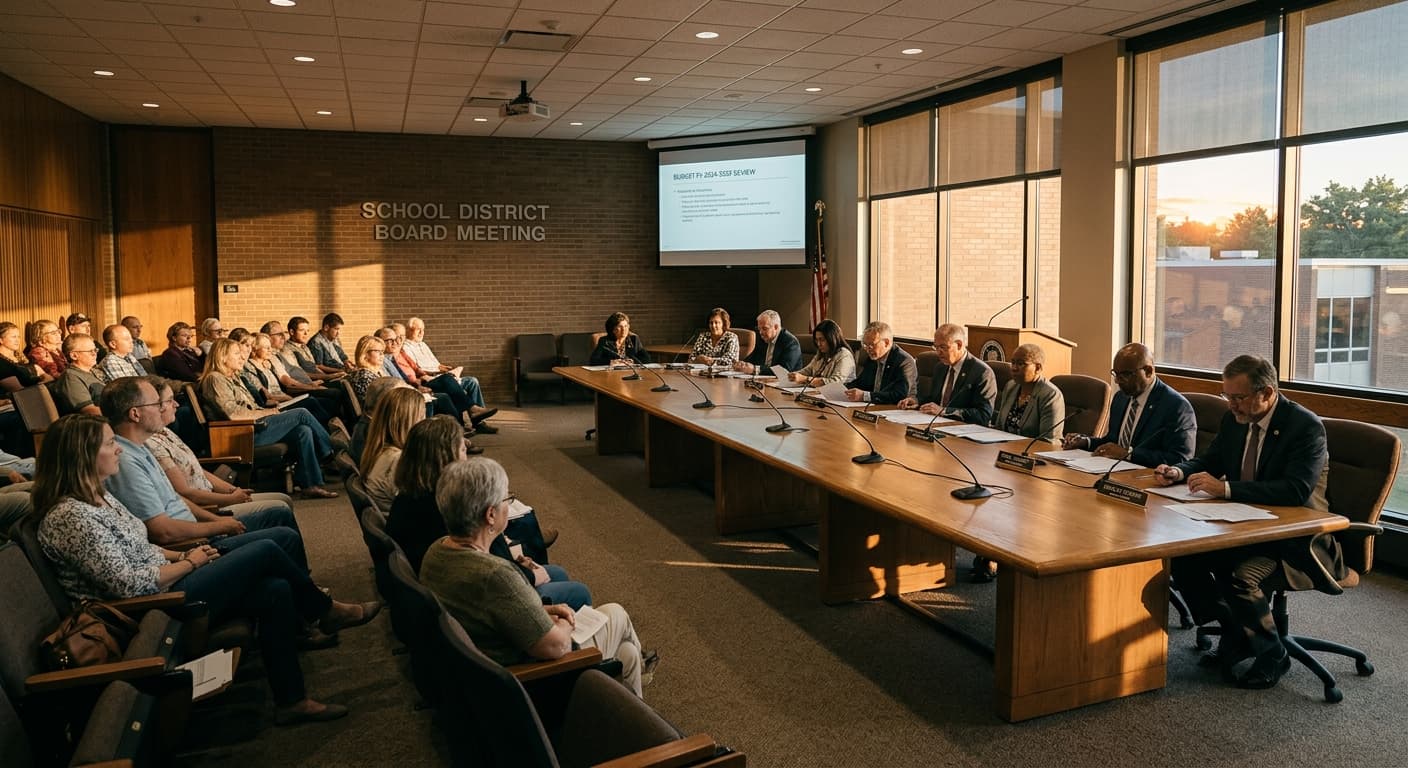
Recording in Florida schools involves a web of federal and state laws that protect student privacy, educator rights, and institutional interests. Florida's all-party consent law (F.S. 934.03) applies on school campuses just as it does everywhere else in the state. Beyond that, the Family Educational Rights and Privacy Act (FERPA), Florida's classroom camera statute (F.S. 1003.574), and individual school district policies all affect who can record what and when.
This guide covers the rules for K-12 schools, colleges, and universities across Florida.
F.S. 934.03 on School Campuses
The All-Party Consent Rule in Schools
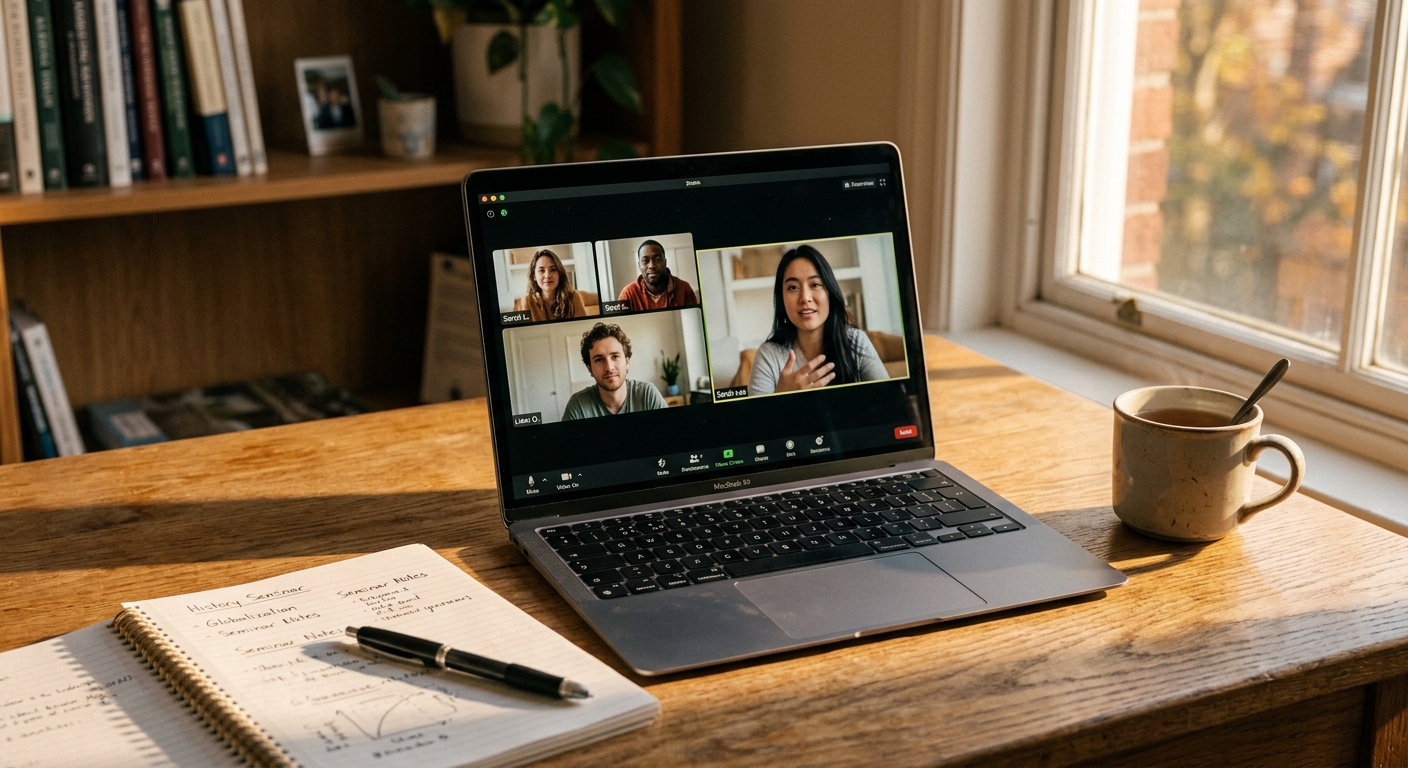
Florida's wiretapping statute makes no exception for educational settings. The all-party consent requirement applies to:
- Conversations between students
- Conversations between students and teachers
- Parent-teacher conferences
- Staff meetings and administrative discussions
- Phone calls made to or from school offices
- Any private conversation on school grounds
Secretly recording any of these conversations is a third-degree felony punishable by up to 5 years in prison and a $5,000 fine. This applies to students, parents, teachers, administrators, and any other person on campus.
When School Recording Is Legal
Recording on school campuses is legal when:
- All parties to a conversation consent before recording begins
- The recording takes place in a public setting where no one has a reasonable expectation of privacy (such as a public school board meeting)
- The recording is authorized by law under specific statutes (such as F.S. 1003.574 for special education classrooms)
- Video-only recording captures visual scenes without private oral communications
Video Cameras in Special Education Classrooms (F.S. 1003.574)
The Classroom Camera Program
Florida Statute 1003.574 establishes a program for video cameras in "self-contained classrooms" in public schools. A self-contained classroom is one where a majority of students in regular attendance receive special education services and are assigned to the classroom for at least 50 percent of the instructional day.
Key Provisions
Parental request: A school district must provide a video camera to any school with a self-contained classroom upon the written request of a parent of a student in that classroom.
Camera capabilities: Video cameras must be capable of monitoring all areas of the self-contained classroom and recording audio from all areas of the classroom, including any room attached to the classroom that is used for other purposes.
Privacy protections: Cameras may not monitor restrooms or any other area where a student changes clothes. An exception exists for monitoring the entryway, exitway, or hallway outside such areas due to the layout of the classroom.
Access to recordings: Parents may request to review recordings involving their child. Schools must make recordings available within a reasonable time. The 2025 amendments prohibit schools from concealing the identity of an employee in a video recording and require that recordings made available after a request include accompanying audio.
Retention: Recordings must be retained for a minimum period established by the school district. If a parent files a complaint or a review is pending, recordings must be preserved until the matter is resolved.
2025 Legislative Changes
The 2025 legislative session amended F.S. 1003.574 to:
- Remove the pilot program designation, making the program permanent
- Require each district school board (except those in fiscally constrained counties) to vote on whether to adopt a policy to provide video cameras in self-contained classrooms upon parental request
- Prohibit concealing employee identities in recordings
- Require that audio accompany any video recording made available after a request
FERPA and Student Privacy
What FERPA Protects
The Family Educational Rights and Privacy Act (20 U.S.C. 1232g), administered by the U.S. Department of Education, protects the privacy of student education records. Under FERPA:
- Schools may not disclose personally identifiable information from education records without written parental consent (or student consent for students 18 and older)
- Parents have the right to inspect and review their child's education records
- Schools must have policies in place to protect student information
How FERPA Applies to School Recordings
A recording becomes an "education record" under FERPA when it is:
- Directly related to a student, AND
- Maintained by an educational agency or institution or by a party acting on behalf of the agency
This means:
- Security camera footage that identifies specific students and is maintained by the school is an education record
- Classroom recordings that capture identifiable student behavior or performance may be education records
- A student's personal recording of a friend in class, which the school does not maintain, is generally not an education record
FERPA and Recording Requests
When parents request access to school recordings (such as security footage or classroom video), the school must balance:
- The requesting parent's right to see records directly related to their child
- Other students' privacy rights (the recording may also capture other identifiable students)
- State law requirements (F.S. 1003.574 for special education classroom recordings)
Schools often redact or blur the identities of other students in recordings before providing access to a requesting parent.
Recording School Board Meetings
Sunshine Law Protection
Florida's Government-in-the-Sunshine Law (F.S. 286.011) applies to school board meetings. Citizens have the right to:
- Attend all public school board meetings
- Record meetings using nondisruptive audio and video devices
- Access meeting minutes and any recordings made by the school board
The Florida Attorney General has confirmed that public boards cannot prohibit citizens from recording public meetings. This includes regular school board meetings, workshops, special sessions, and public hearings.
What Cannot Be Recorded
Certain school board proceedings may be closed to the public, including:
- Executive sessions to discuss pending litigation (under limited circumstances)
- Discussions involving student disciplinary matters where student privacy is protected by FERPA
- Negotiations with employee unions under specific statutory provisions
During closed sessions, recording is not permitted.
University and College Classroom Recording
Institutional Policies
Florida's public universities and colleges typically have institutional policies governing classroom recording. Common provisions include:
- Students may record class lectures for personal study purposes
- Recording of student presentations, clinical demonstrations, and lab sessions may be restricted
- Recording of class discussions and interactive exercises may require additional consents
- Published recording policies appear in syllabi and student handbooks
Publication of Classroom Recordings
Florida law restricts the publication of classroom recordings without consent. Publishing unauthorized recordings of a classroom lecture can expose the publisher to civil liability. The statute creates a cause of action for the recorded instructor, with potential damages of up to $200,000 for unauthorized publication of classroom recordings.
This means:
- Students can record lectures for personal review
- Students cannot post lecture recordings on social media, YouTube, or other public platforms without the instructor's consent
- Sharing recordings with other students in the same class is generally permitted under most institutional policies
- Distributing recordings outside the class for commercial purposes is prohibited
Students with Disabilities
Students with documented disabilities who need to record lectures as a reasonable accommodation under the Americans with Disabilities Act (ADA) and Section 504 of the Rehabilitation Act have the right to do so. Schools must provide this accommodation when it is identified in the student's disability services plan, and the instructor cannot refuse.
K-12 Student Use of Recording Devices
Cell Phones and Recording in Class
Individual school districts in Florida set their own policies regarding student use of cell phones and recording devices. Common approaches include:
- Complete bans: Some districts prohibit all cell phone use during the school day
- Teacher discretion: Some districts allow individual teachers to set recording policies for their classrooms
- Limited permission: Some districts allow recording for educational purposes with teacher approval
Regardless of district policy, Florida's all-party consent law still applies. A student who secretly records a private conversation with a teacher or classmate commits a felony under F.S. 934.03.
Governor DeSantis 2023 Phone Ban
In 2023, Governor DeSantis signed legislation requiring school districts to adopt policies banning student cell phone use during instructional time. While the primary focus was on reducing distractions, this legislation also has implications for recording:
- Students cannot use phones to record during class time in districts that have implemented the ban
- Recording before and after school hours may still be subject to individual district policies
- The ban does not change the underlying all-party consent requirement of F.S. 934.03
School Security Cameras
Legal Framework
Florida school districts operate extensive security camera networks on campuses. These systems are governed by:
- District policies: Each school district adopts policies for camera placement, monitoring, and footage retention
- FERPA: Footage that identifies students is subject to FERPA privacy protections
- F.S. 810.145: Cameras cannot be placed in restrooms, locker rooms, or other areas where students have a reasonable expectation of privacy
- F.S. 934.03: Audio-capable cameras require compliance with the all-party consent rule
Common Placements
School security cameras are typically located in:
- Hallways, stairwells, and common areas
- Building entrances and exits
- Parking lots and bus loading zones
- Cafeterias and gymnasiums
- Outdoor common areas and athletic facilities
Prohibited Placements
Cameras are prohibited in:
- Student restrooms and bathrooms
- Locker rooms and changing areas
- Private counseling offices (during sessions)
- Areas where students receive medical treatment
Recording School Sports and Events
Parents and spectators generally have the right to record public school sporting events, concerts, plays, and other public performances. These events take place in settings where participants and attendees have a diminished expectation of privacy.
However:
- Schools may impose reasonable restrictions on recording equipment (no tripods blocking walkways, no professional lighting rigs)
- Some events may have specific recording policies (especially performances of copyrighted material)
- Recording other families' children at school events and sharing those recordings without consent may create privacy concerns, though it is not automatically illegal in a public setting
More Florida Laws
- Florida Recording Laws
- Florida Whistleblower Laws
- Florida Recording Laws
- Florida Recording Laws
- Florida Recording Laws
- Florida Recording Laws
- Florida Recording Laws
- Florida Recording Laws
More Florida Recording Laws
Audio Recording | Video Recording | Voyeurism & Hidden Cameras | Workplace Recording | Recording Police | Phone Call Recording | Security Cameras | Recording in Public | Landlord-Tenant | Dashcam Laws | Schools | Medical Recording
Sources and References
- Florida Statute 934.03(flsenate.gov).gov
- Florida Statute 1003.574 - Video Cameras in Classrooms(leg.state.fl.us).gov
- FERPA(studentprivacy.ed.gov).gov
- Florida Statute 286.011 - Sunshine Law(leg.state.fl.us).gov
- Florida Statute 810.145 - Digital Voyeurism(flsenate.gov).gov
- Florida Statute 1002.22 - Student Records(leg.state.fl.us).gov