
Alabama Biometric Privacy Laws: Collection, Consent & Penalties (2026)
Alabama has no standalone biometric privacy law. Learn how the Data Breach Notification Act protects biometric data, penalties up to $500K, and employer obligations.
8 min read
Loading...
51 articles
Alabama has no standalone biometric privacy law. Learn how the Data Breach Notification Act protects biometric data, penalties up to $500K, and employer obligations.

Alaska has no biometric privacy law despite multiple legislative attempts. Learn what protections exist, gaps in coverage, and pending bills as of 2026.

Arizona has no standalone biometric privacy law. Learn how ARS 18-551/552 protects biometric data in breaches, penalties up to $500K, and pending legislation.

Arkansas protects biometric data under its breach notification law, not a dedicated statute. Learn what the Personal Information Protection Act requires in 2026.
California protects biometric data as sensitive personal information under the CCPA/CPRA. Learn about consumer rights, breach rules, employer duties, and CPPA enforcement.
Colorado biometric privacy law HB24-1130 requires consent before collecting fingerprints, facial scans, and other biometric data. Learn employer rules, retention limits, and penalties.

Connecticut classifies biometric data as sensitive under the CTDPA, requiring opt-in consent before collection. AG-only enforcement with $5,000 per violation penalties.

Learn how Delaware's Personal Data Privacy Act protects biometric data like fingerprints and iris scans, including consent rules, penalties, and employer obligations.

DC protects biometric data through its breach notification law (DC Code 28-3851). Learn what triggers notification, penalties, and how DC compares to states with stronger biometric laws.

Florida biometric privacy law covers fingerprints, voiceprints, and iris scans under the FDBR. Learn opt-out rights, penalties, and the $1B threshold.
Georgia has no biometric privacy law. Learn what the Personal Identity Protection Act covers, how SB 111 could change protections, and what rights you have in 2026.
Hawaii covers biometric data through its breach notification law (HRS Ch. 487N) and constitutional privacy rights. Learn what fingerprint, voiceprint, and iris data protections apply.
Idaho has no dedicated biometric privacy law as of 2026. Learn what current statutes cover, pending legislation like H0744, and how Idaho compares to other states.
Illinois BIPA (740 ILCS 14) requires written consent before collecting fingerprints, face scans, or other biometrics. Violations carry $1,000-$5,000 in damages per violation.
Indiana's ICDPA classifies biometric data as sensitive, requiring opt-in consent for fingerprints, voiceprints, and iris scans. Learn consent rules, penalties, and exemptions.

Iowa classifies biometric data as sensitive under the ICDPA (effective Jan 2025). Learn about opt-out requirements, breach notification rules, and penalties.
Kansas has no dedicated biometric privacy law. Learn what limited protections exist for fingerprint and facial recognition data under current Kansas statutes.
Learn how Kentucky's KCDPA classifies biometric data as sensitive, requiring opt-in consent. Covers definitions, consumer rights, exemptions, and AG enforcement.
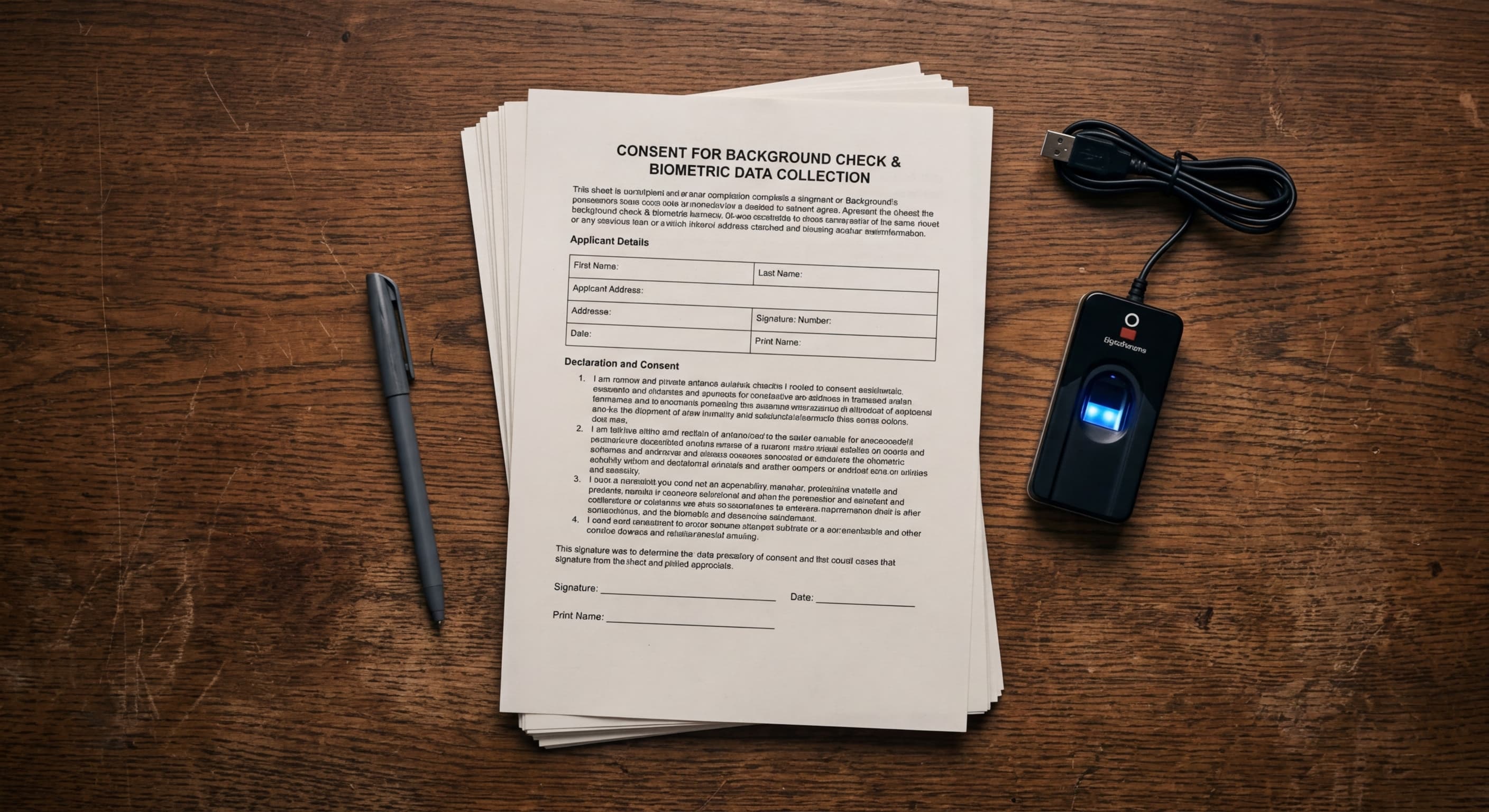
Louisiana has no standalone biometric privacy law but protects biometric data through breach notification rules. Learn the 60-day notice requirements and penalties.

Maine bans government facial recognition and may soon protect biometric data under LD 1822. Learn what laws exist today and what is pending for 2026.
Learn how Maryland's MODPA protects biometric data like fingerprints and retina scans. Covers the strict necessity standard, sale ban, breach rules, and AG enforcement.
Massachusetts has no standalone biometric privacy law, but 201 CMR 17.00, Chapter 93A treble damages, and the pending Data Privacy Act (S.2608) protect biometric data.
Michigan protects biometric data through its Identity Theft Protection Act and Consumer Protection Act. Learn current rules, breach penalties, and pending 2026 legislation.

Learn how Minnesota's MCDPA classifies biometric data as sensitive, requiring opt-in consent. Covers definitions, consumer rights, exemptions, and AG enforcement with $7,500 penalties.

Mississippi has no biometric privacy law. Learn how Miss. Code 75-24-29 falls short, failed BIPA-style bills, employer rules, and federal protections that apply.
Missouri has no biometric privacy law and excludes biometric data from breach notification rules. Learn current protections, pending legislation, and employer obligations.
Montana MCDPA classifies biometric data as sensitive, requiring opt-in consent. AG-only enforcement with penalties up to $7,500 per violation. No private right of action.
Nebraska biometric privacy laws require opt-in consent under the NDPA. Learn about definitions, penalties up to $7,500 per violation, exemptions, and breach notification rules.

Nevada lacks a standalone biometric privacy law but protects health-related biometric data under NRS 603A. Learn about consent rules, sale bans, and enforcement.
New Hampshire classifies biometric data as sensitive under RSA 507-H (effective Jan 2025). Learn about consent rules, penalties up to $10,000, and the Data Privacy Unit.
New Jersey biometric privacy law under the NJDPA requires consent before collecting fingerprints, facial geometry, or voiceprints. Learn the rules, penalties, and your rights.
New Mexico protects biometric data through its Data Breach Notification Act, requiring 45-day notification and AG reporting. No standalone biometric privacy law exists.
Guide to New York biometric privacy laws including the SHIELD Act, NYC Local Law 3, pending Biometric Privacy Act (S1422), and employer obligations for 2026.
North Carolina protects biometric data through breach notification laws with treble damages. Learn about NC fingerprint laws, employer rules, and pending privacy legislation.
North Dakota has no standalone biometric privacy law. Learn how the state's identity theft statute, breach notification law, and insurance regulations address biometric data.
Ohio has no biometric privacy law. Learn how the Ohio Data Protection Act safe harbor, breach notification rules, and insurance regulations affect biometric data.
Oklahoma protects biometric data through its amended breach notification law (SB 626) and the Consumer Data Privacy Act (SB 546). No standalone biometric law exists.
Oregon biometric privacy laws under the OCPA require opt-in consent for biometric data. Portland bans facial recognition in public spaces with $1,000/day penalties.
Pennsylvania lacks a standalone biometric privacy law. Learn how BPINA, the UTPCPL, and pending bills like HB 78 and HB 596 affect biometric data rights.
Rhode Island biometric privacy laws under the RIDTPPA require opt-in consent for fingerprint and biometric data collection, with AG-enforced penalties up to $10,000 per violation.
South Carolina has no standalone biometric privacy law. Learn about breach notification under SC Code 39-1-90, the Insurance Data Security Act, and pending legislation.
South Dakota has no dedicated biometric privacy law. Learn how the breach notification statute SDCL 22-40-19 protects biometric data and what gaps remain.
Tennessee biometric privacy law guide covering TIPA sensitive data consent rules, consumer rights, AG enforcement penalties, and the pending biometric data protection act.
Texas CUBI law requires consent before capturing fingerprints, face scans, or voiceprints. Penalties up to $25,000 per violation. The AG has secured over $2.7 billion in settlements.
Utah's UCPA classifies biometric data as sensitive with opt-out rights. Learn about consumer rights, AG enforcement, and $7,500 per violation penalties.
Vermont's comprehensive biometric privacy bill H.121 was vetoed in 2024. Learn about current protections under breach notification and data broker laws.
Learn how Virginia's VCDPA protects biometric data like fingerprints and iris scans. Opt-in consent required, AG enforcement, up to $7,500 per violation.
Guide to Washington biometric privacy laws under RCW 19.375, including notice and consent rules, penalties up to $7,500 per violation, government biometric restrictions, and My Health My Data Act overlap.
West Virginia has no biometric privacy law, and its breach notification statute excludes biometric data. Learn about proposed HB 5567 and current protections.
Wisconsin's breach notification law covers biometric data and DNA profiles with a 45-day notice rule. Learn about protections and proposed legislation.
Wyoming protects biometric data only through breach notification law Wyo. Stat. 40-12-501. Learn about requirements, penalties, and gaps.