
Vermont
Vermont Pepper Spray and Stun Gun Laws (2026)
Independently fact-checked against primary sources (last audited September 23, 2026). · 16 primary sources cited on this page. How we verify our legal content

Chapter 85 of Title 13 regulates firearms, slung shots, blackjacks and brass knuckles, zip guns, large-capacity magazines, and bump-fire stocks; no section in it names pepper spray, mace, tear gas, a stun gun, a Taser, or an "electronic control device." Vermont law reaches either device, if at all, only through a small number of sections that use a general "dangerous or deadly weapon" standard, and that standard does not work the same way in every section: one statute defines the term for its own purposes, one other statute expressly borrows that definition, and two more use the same words without any definition or cross-reference at all, which matters because a defined term and an undefined one are not read the same way.
Jurisdiction scope: This page covers Vermont state law only, principally 13 V.S.A. §§ 4001, 4002, 4003, 4004, 4005, 4016, 4017, 4017a, and 4051, plus 20 V.S.A. § 2367, 24 V.S.A. § 2295, and 16 V.S.A. § 563. It does not cover Vermont's firearm-carry statutes in detail or every school district's own weapons policy.
Is pepper spray legal in Vermont?
Yes, for an adult civilian, with no permit, age floor, or capacity limit named in Chapter 85. That chapter's Subchapter 1, sections 4001 through 4027, is Vermont's general weapons law, and none of its sections name pepper spray, mace, tear gas, or OC spray. Where Vermont law could still reach pepper spray is through the "dangerous or deadly weapon" language used in a handful of sections, but that language is not one uniform rule. 13 V.S.A. § 4016(a)(2) defines the term "as used in this section" as "any firearm, or other weapon, device, instrument, material, or substance, whether animate or inanimate, that in the manner it is used or is intended to be used is known to be capable of producing death or serious bodily injury," and § 4004(d)(3) expressly imports that same definition for § 4004 ("Dangerous or deadly weapon shall have the same meaning as in section 4016 of this title"). Sections 4003 (carrying with intent to injure, up to two years, a $2,000 fine, or both, a felony of up to 10 years, a $25,000 fine, or both, if the person intends to injure multiple people) and 4005 (carrying while committing a felony, up to five years, a $500 fine, or both) also use the phrase "dangerous or deadly weapon," but neither one defines it or cross-references § 4016, so this page does not assume the § 4016 text controls what those two sections reach.
Separately, § 4001 makes it a crime to use a slung shot, blackjack, brass knuckles, "or similar weapon" against another person, or to possess one with intent to use it that way, and § 4002 covers manufacturing or selling the same class of item. "Similar weapon" is an undefined residual clause, and this page does not resolve whether a stun gun could fall within it; no comparable clause reaches a chemical spray in either section.
Vermont's felon-possession statute, 13 V.S.A. § 4017, does not change any of this: it reaches only a person "convicted of a violent crime" possessing a "firearm," a term the section itself scopes to weapons that expel a projectile by an explosive, so it does not reach pepper spray regardless of a person's criminal history. Vermont has no general felon-in-possession statute covering non-firearm weapons. A related statute, § 4017a, extends the same firearm-only prohibition to fugitives and to persons subject to certain relief-from-abuse orders, stalking orders, or specified pending charges, and the Extreme Risk Protection Order subchapter's own "dangerous weapon" definition at § 4051(2) is limited to "an explosive or a firearm," so neither of those firearm-focused statutes reaches pepper spray either.
Are stun guns legal in Vermont?
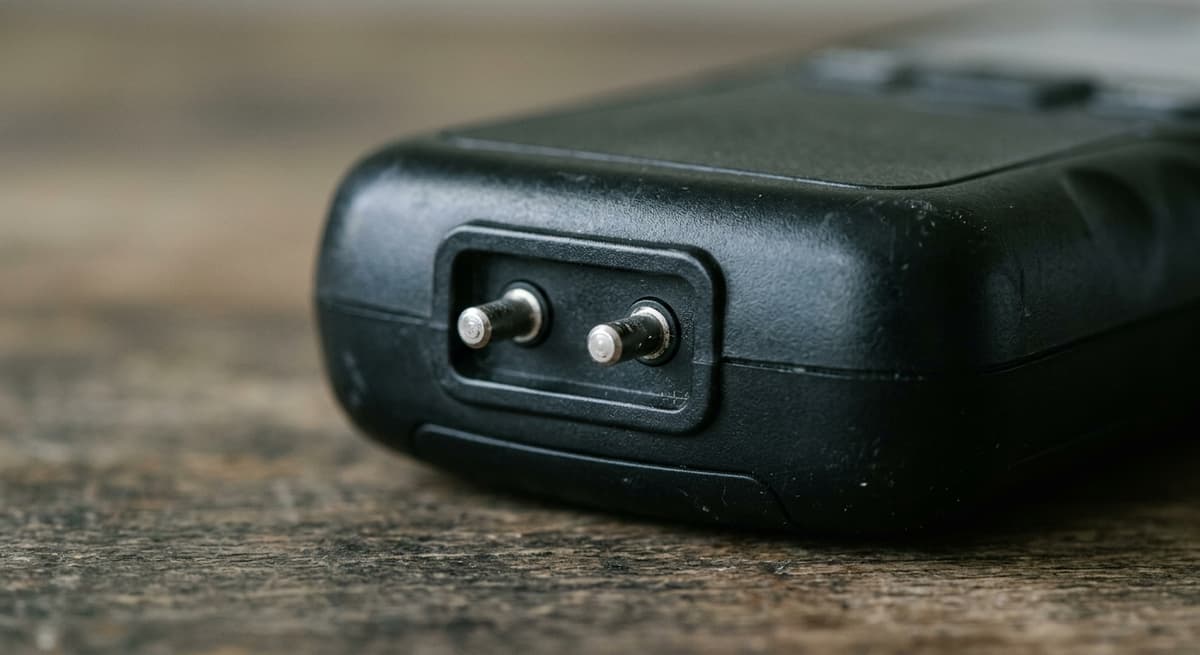
Yes, on the same terms as pepper spray, and for the same reason: no Vermont statute regulates civilian possession of a stun gun by name. The only place Vermont law defines an "electronic control device," the closest legal term to a stun gun or Taser, is 20 V.S.A. § 2367, and that section is a law-enforcement policy statute. It requires the Law Enforcement Advisory Board, a body created within the Department of Public Safety, to set a statewide policy governing when a police officer may deploy an electronic control device against a subject, along with training and reporting requirements for law enforcement agencies. It regulates on-duty police use, not whether an ordinary resident can buy, own, or carry one, and it imposes no age floor, license, or purchase restriction on civilian ownership.

As with pepper spray, a stun gun is not a "firearm" under § 4016(a)(3), so within § 4016 and § 4004, which borrows § 4016's definition, it is a "dangerous or deadly weapon" only if it meets the functional "capable of producing death or serious bodily injury" test in § 4016(a)(2); within § 4003, § 4005, and the "similar weapon" clause of § 4001, which do not define or cross-reference that term, this page does not assume the same test applies. This page has not identified a Vermont decision applying either standard to a stun gun, so it states the questions rather than predicting how a Vermont court would resolve them.
Where the "dangerous or deadly weapon" test applies: schools and courthouses
Schools. 13 V.S.A. § 4004(a) makes it an offense to knowingly possess a firearm or a "dangerous or deadly weapon," using § 4016's definition by the express cross-reference in § 4004(d)(3), while within a school building or on a school bus, with no requirement that the person intend to injure anyone; a first offense carries up to one year in prison, a $1,000 fine, or both, rising to three years, $5,000, or both, for a second or subsequent offense. Subsection (b) separately covers a broader category, "any school property," but only if the person possesses the weapon "with the intent to injure another person," an offense narrower in what it requires the state to prove yet priced higher: a first offense under (b) carries up to three years in prison, a $1,000 fine, or both, rising to five years, $5,000, or both, for a second or subsequent offense, three times subsection (a)'s first-offense prison exposure. Subsection (c) exempts a law enforcement officer engaged in law enforcement duties, and possession or use of a firearm or dangerous or deadly weapon that the board of school directors, or a superintendent or principal delegated that authority, authorizes for specific occasions or instructional or other specific purposes. Separately, 16 V.S.A. § 563(5) requires every Vermont school board to "regulate or prohibit firearms or other dangerous or deadly weapons on school premises" as a matter of its own written policy, but the mandatory minimum that subdivision sets is firearm-specific: "At a minimum, a school board shall adopt and implement a policy at least consistent with section 1166 of this title and 13 V.S.A. § 4004, relating to a student who brings a firearm to or possesses a firearm at school." Whatever a given school's actual, adopted policy says about carrying pepper spray or a stun gun onto its grounds goes beyond that statutory floor and is a discretionary board choice.

Courthouses. 13 V.S.A. § 4016(b) makes it an offense to carry or possess a firearm, or knowingly carry or possess a "dangerous or deadly weapon" other than a firearm, inside a courthouse without authorization from the court, punishable by up to one year in prison, a $500 fine, or both; a courthouse certified by the Court Administrator as a "secured building" bars a dangerous or deadly weapon outright under subsection (d), and courthouses must post notice of the rule at each public entrance. Both branches use § 4016's own "as used in this section" definition directly, since this is the section that defines the term.
Three federal layers apply on top of Vermont law; see the federal section below.
Federal law: what it does and does not reach
No federal statute regulates a civilian's purchase or possession of pepper spray or a stun gun. Federal law matters in three places.
Federal buildings. Under 18 U.S.C. § 930(a), whoever knowingly possesses or causes to be present "a firearm or other dangerous weapon in a Federal facility (other than a Federal court facility)" faces a fine, imprisonment of up to 1 year, or both. Subsection (e) sets up to 2 years for a federal court facility, and subsection (b) up to 5 years where the weapon is intended to be used in a crime. Section 930(g)(2) defines the term:
The term "dangerous weapon" means a weapon, device, instrument, material, or substance, animate or inanimate, that is used for, or is readily capable of, causing death or serious bodily injury, except that such term does not include a pocket knife with a blade of less than 2½ inches in length.
The definition names neither device. Whether a particular spray or stun gun is "readily capable of" causing serious bodily injury is a question of fact the statute does not answer. Subsection (d)(3) exempts "the lawful carrying of firearms or other dangerous weapons in a Federal facility incident to hunting or other lawful purposes," and subsection (h) requires notice of the ban to be posted at each public entrance. A "Federal facility" is "a building or part thereof owned or leased by the Federal Government, where Federal employees are regularly present for the purpose of performing their official duties."
Air travel. The Transportation Security Administration's screening rules, which are agency policy rather than statute, bar both devices from carry-on bags. One 4 fl. oz. (118 ml) container of mace or pepper spray is permitted in checked baggage if it has a safety mechanism to prevent accidental discharge, and sprays containing more than 2 percent by mass of tear gas (CS or CN) are prohibited in checked baggage. Tasers, stun guns and other electro-shock weapons may travel in checked baggage only if transported so the device cannot discharge accidentally. Airlines may set stricter rules.
National parks. National Park Service regulations prohibit possessing, carrying or using a "weapon" in a park area except as the regulations provide (36 CFR 2.4(b)(1)). 36 CFR 1.4 defines "weapon" to include an "irritant gas device" and any "weapon the possession of which is prohibited under the laws of the State in which the park area or portion thereof is located."
Does Vermont preempt local pepper spray or stun gun ordinances?
Largely no, for these two devices specifically. Vermont's municipal-preemption statute, 24 V.S.A. § 2295, provides that "except as otherwise provided by law, no town, city, or incorporated village, by ordinance, resolution, or other enactment, shall directly regulate hunting, fishing, and trapping or the possession, ownership, transportation, transfer, sale, purchase, carrying, licensing, or registration of traps, firearms, ammunition, or components of firearms or ammunition. This section shall not limit the powers conferred upon a town, city, or incorporated village under subdivision 2291(8) of this title. The provisions of this section shall supersede any inconsistent provisions of a municipal charter." Pepper spray and stun guns appear in neither the hunting-and-trapping clause nor the firearms-and-ammunition clause, so this statute's preemption does not extend to either device. This page does not identify or examine any specific Vermont municipal ordinance addressing pepper spray or stun guns, so whether a particular town, city, or village currently regulates them is not established here.
Disclaimer: This article provides general legal information about Vermont's pepper spray and stun gun laws as of September 2026. It is not legal advice. Consult a lawyer licensed in Vermont for advice about a specific situation.
For a state-by-state comparison, see pepper spray and stun gun laws by state. Vermont's self-defense statutes are covered separately on the Vermont self-defense laws page.
Statutes cited reflect their in-force version as of 2026-09-18. Last updated: 2026-09-18.
Frequently Asked Questions
Is pepper spray legal to carry in Vermont?
Yes, for an adult civilian, with no state permit, age floor, or capacity limit. No statute in Vermont's weapons chapter, 13 V.S.A. Chapter 85, names pepper spray. It could only become relevant under a 'dangerous or deadly weapon' standard, and that standard is only defined, by 13 V.S.A. 4016, for section 4016 itself and, by express cross-reference, for section 4004; other sections using the phrase do not define it.
Are stun guns legal to own in Vermont?
Yes, with no state license or permit required. The only Vermont statute defining an electronic control device, 20 V.S.A. 2367, is a law-enforcement policy statute governing police use, not a civilian restriction. Like pepper spray, a stun gun is regulated, if at all, only through the 'dangerous or deadly weapon' language in specific sections, not a device-specific ban.
Can you carry pepper spray or a stun gun on Vermont school property?
13 V.S.A. 4004 bars possessing a 'dangerous or deadly weapon,' defined by cross-reference to 4016, in a school building or bus outright (up to one year, $1,000, or both for a first offense), and on other school property with intent to injure someone (up to three years, $1,000, or both for a first offense, a higher maximum despite the narrower intent requirement); whether pepper spray or a stun gun fits that definition is a fact-specific question this page states rather than resolves. A school board's own authorization for specific occasions or instructional purposes is a listed exception. Separately, 16 V.S.A. 563(5) requires each school board to set its own weapons policy, but the state's mandatory minimum for that policy is limited to firearms; anything covering pepper spray or a stun gun on a given campus is a discretionary board choice.
Does Vermont law preempt city or town ordinances on pepper spray or stun guns?
Largely no, for these two devices specifically. Vermont's preemption statute, 24 V.S.A. 2295, bars local regulation only of hunting, fishing, trapping, and the possession, ownership, transportation, transfer, sale, purchase, carrying, licensing, or registration of traps, firearms, ammunition, or firearm/ammunition components. Neither pepper spray nor a stun gun is on that list, so this statute's preemption does not extend to either device, and a town, city, or village is not blocked by 2295 from regulating them. This page does not examine any particular Vermont municipality's ordinance.
Updates
Independently fact-checked against the cited primary sources
Sources and References
- 13 V.S.A. 4001 - Slung shots, brass knuckles, etc. (undefined 'similar weapon' residual clause)(legislature.vermont.gov).gov
- 13 V.S.A. 4002 - Manufacture or sale of slung shots, etc.(legislature.vermont.gov).gov
- 13 V.S.A. 4016 - Weapons in court (functional 'dangerous or deadly weapon' definition, 'as used in this section'; courthouse restriction)(legislature.vermont.gov).gov
- 13 V.S.A. 4003 - Carrying dangerous weapons (intent to injure; no definition or cross-reference to 4016)(legislature.vermont.gov).gov
- 13 V.S.A. 4004 - Possession of dangerous or deadly weapon in a school bus or school building or on school property (definition cross-referenced to 4016 at (d)(3))(legislature.vermont.gov).gov
- 13 V.S.A. 4005 - Carrying dangerous weapon while committing a felony (no definition or cross-reference to 4016)(legislature.vermont.gov).gov
- 13 V.S.A. 4017 - Persons prohibited from possessing firearms; conviction of violent crime (firearm-specific; no general felon-possession statute)(legislature.vermont.gov).gov
- 13 V.S.A. 4017a - Persons prohibited from possessing firearms; fugitives, relief-from-abuse and stalking orders, certain pending charges (firearm-specific)(legislature.vermont.gov).gov
- 13 V.S.A. 4051 - Extreme Risk Protection Orders; definitions ('dangerous weapon' means an explosive or a firearm)(legislature.vermont.gov).gov
- 20 V.S.A. 2367 - Statewide policy; electronic control devices; reporting (law-enforcement use-of-force policy, not a civilian restriction)(legislature.vermont.gov).gov
- 24 V.S.A. 2295 - Authority of municipal and county governments to regulate firearms, ammunition, hunting, fishing, and trapping(legislature.vermont.gov).gov
- 16 V.S.A. 563 - Powers of school boards; form of vote (school board weapons-policy duty)(legislature.vermont.gov).gov
- 18 U.S.C. 930 - Possession of firearms and dangerous weapons in Federal facilities(law.cornell.edu)
- Transportation Security Administration - What Can I Bring? Pepper Spray(tsa.gov).gov
- Transportation Security Administration - What Can I Bring? Stun Guns/Shocking Devices(tsa.gov).gov
- 36 CFR 1.4 - National Park Service definitions (weapon)(ecfr.gov).gov
- 36 CFR 2.4 - Weapons, traps and nets(ecfr.gov).gov