
Louisiana
Louisiana Pepper Spray and Stun Gun Laws (2026)
Independently fact-checked against primary sources (last audited September 23, 2026). · 9 primary sources cited on this page. How we verify our legal content
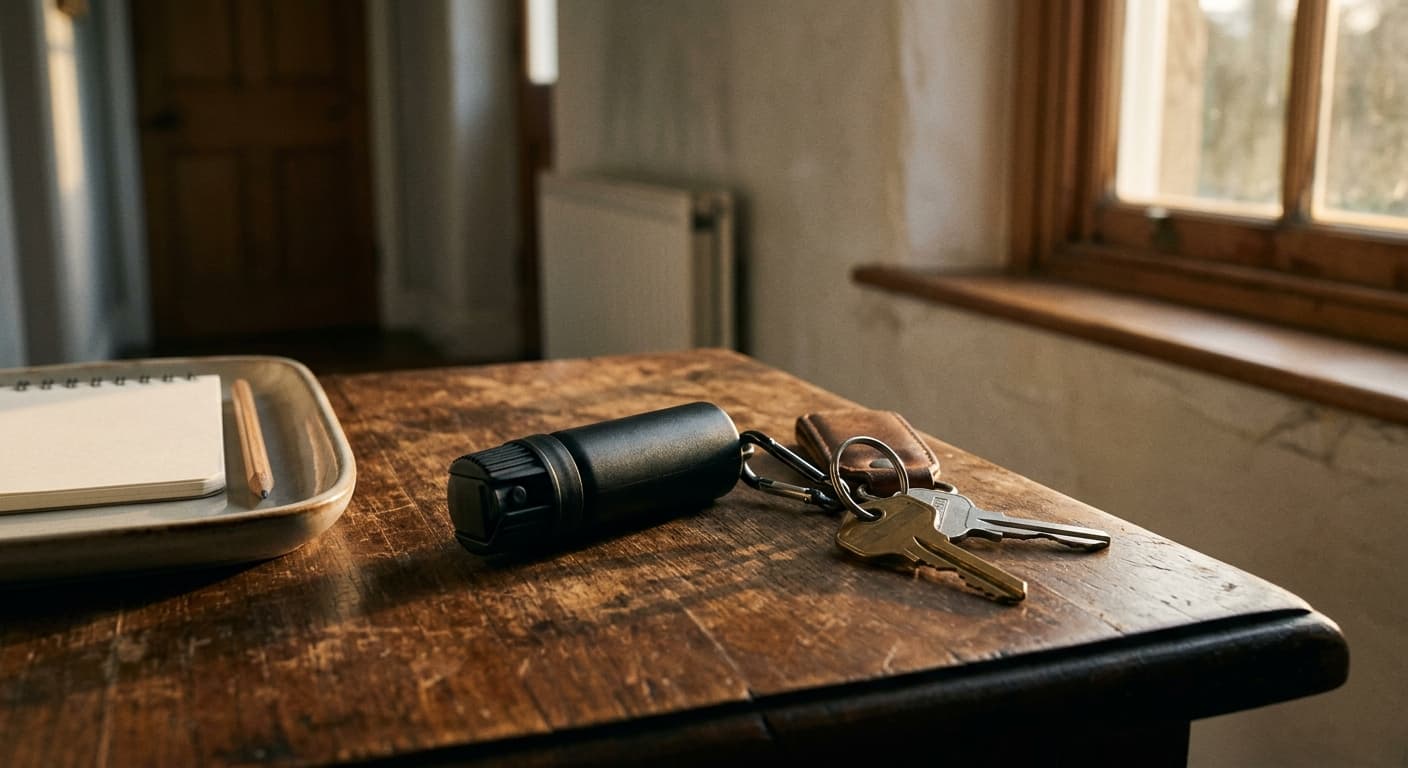
Louisiana has no statute that names pepper spray or a stun gun as a purchase-restricted item, and no capacity cap for either device. But its concealed-carry statute does draw an age line: R.S. 14:95(M) exempts anyone eighteen or older who is not barred from possessing a firearm under R.S. 14:95.1 or 18 U.S.C. 922(g) from the general concealment offense, which by its terms can also cover an "other instrumentality customarily used or intended for probable use as a dangerous weapon." Louisiana's "dangerous weapon" definition is written by function, not by a list of named items, and it includes "any gas, liquid or other substance," which means how a device is carried, and who is carrying it, decides whether Louisiana's weapons statutes reach pepper spray or a stun gun.
Jurisdiction scope: This page covers Louisiana state law only, principally R.S. 14:2, 14:95, 14:95.1, 14:95.2, and 40:1796. It does not cover Louisiana's concealed handgun permit statute (R.S. 40:1379.3) in detail, or local ordinances outside the preemption statute discussed below.
Is pepper spray legal to carry in Louisiana?
Yes, for ordinary self-defense carry, but the reason takes some explaining because Louisiana does not define its weapons statutes around a list of named items the way many states do. R.S. 14:2(A)(3), in the Criminal Code's definitions section, states that "dangerous weapon," a term used throughout the Code, includes "any gas, liquid or other substance or instrumentality, which, in the manner used, is calculated or likely to produce death or great bodily harm." That listing is illustrative rather than exhaustive: it turns on how an item is used, not on a fixed list, and its reference to "any gas, liquid or other substance" is broad enough to cover pepper spray.
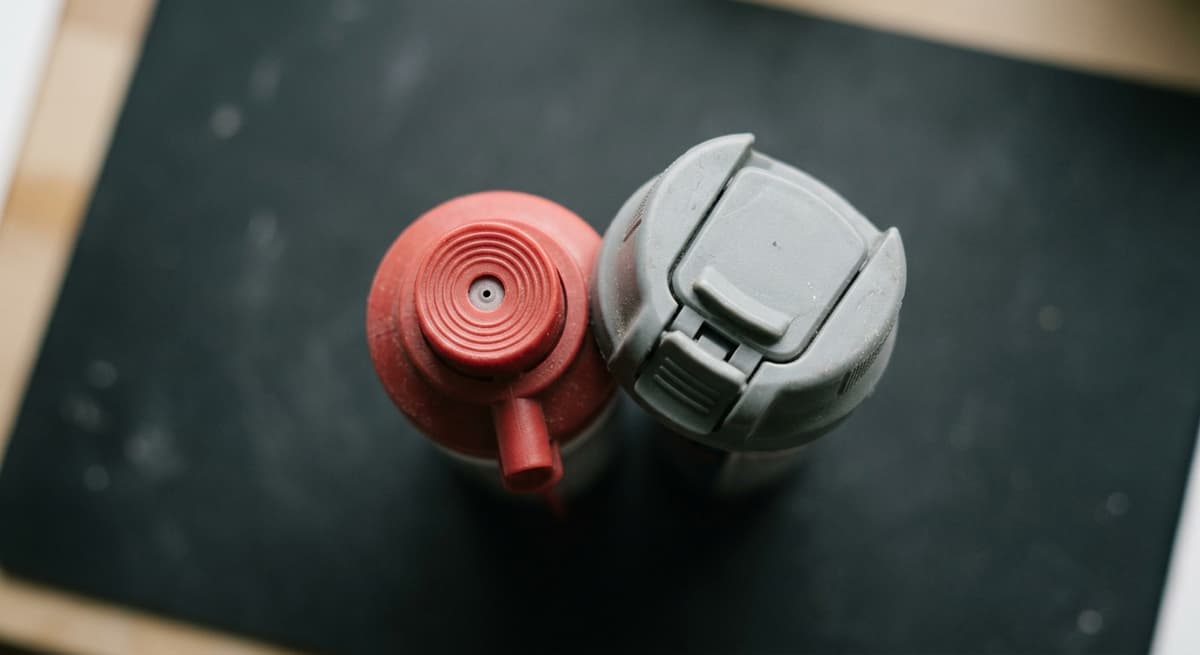
Louisiana's general illegal-carrying statute, R.S. 14:95(A)(1)(a), criminalizes intentionally concealing "any firearm, or other instrumentality customarily used or intended for probable use as a dangerous weapon" on one's person. That phrase is narrower than the bare "dangerous weapon" definition; it requires the item be one "customarily used or intended for probable use as" a dangerous weapon, not merely capable of being used as one. R.S. 14:95(M), added by Acts 2024, 2nd Extraordinary Session, No. 1, effective July 4, 2024, switches that entire concealment offense off for any person eighteen years of age or older who is not barred from possessing a firearm under R.S. 14:95.1, 18 U.S.C. 922(g), or any other state or federal law. R.S. 14:95(A)(1)(b) separately exempts a valid concealed handgun permit holder from the same paragraph. For most adults, R.S. 14:95(A)(1)(a) therefore does not apply to concealed pepper spray at all, regardless of whether the canister meets the "customarily used or intended for probable use as a dangerous weapon" standard. For a person under eighteen, or one barred under R.S. 14:95.1 or 18 U.S.C. 922(g), the statute does not say whether ordinary concealed carry of pepper spray meets that standard, and no published Louisiana opinion resolves the question. R.S. 14:95 does not name a chemical spray, mace, or tear gas device anywhere in its text.
No Louisiana statute sets a stand-alone purchase age, capacity limit, or purchase-channel restriction for pepper spray as a named item, and nothing in R.S. 14:2, 14:95, or 14:95.1 lists pepper spray, mace, or tear gas by name. The one age-related line in the code is the one described above: R.S. 14:95(M)'s eighteen-year threshold for the concealment exemption. Louisiana's felon-weapons statute, R.S. 14:95.1, does not name pepper spray, but it independently bars a person with a qualifying felony conviction from carrying "a concealed weapon" of any kind, not only a firearm, so a disqualified person who conceals pepper spray risks the same felony exposure as concealing a firearm: five to twenty years at hard labor without benefit of probation, parole, or suspension of sentence, and a fine of $1,000 to $5,000.
Are stun guns legal to carry in Louisiana?
Yes, on the same functional basis as pepper spray, and subject to the same two provisions. No Louisiana statute mentions a stun gun, taser, or electronic weapon by name anywhere in the Criminal Code. R.S. 14:95(A)(1)(a)'s concealment offense can reach a concealed stun gun as an "other instrumentality customarily used or intended for probable use as a dangerous weapon," but R.S. 14:95(M) switches that offense off for anyone eighteen or older who is not barred from possessing a firearm under R.S. 14:95.1 or 18 U.S.C. 922(g), and R.S. 14:95(A)(1)(b) exempts a valid concealed handgun permit holder. R.S. 14:95.1's felon-weapons statute does not name a stun gun, but its bar on carrying "a concealed weapon" by a person with a qualifying felony conviction is not limited to firearms, so it can reach a concealed stun gun carried by a disqualified person, with the same five-to-twenty-year exposure described above. Separately, R.S. 14:2(A)(3)'s "dangerous weapon" definition reaches "any... instrumentality, which, in the manner used, is calculated or likely to produce death or great bodily harm," language broad enough to sweep in a stun gun used against a person in a manner meeting that test, even though simple possession of the device is not itself an offense.
Where you can't carry either device, and preemption
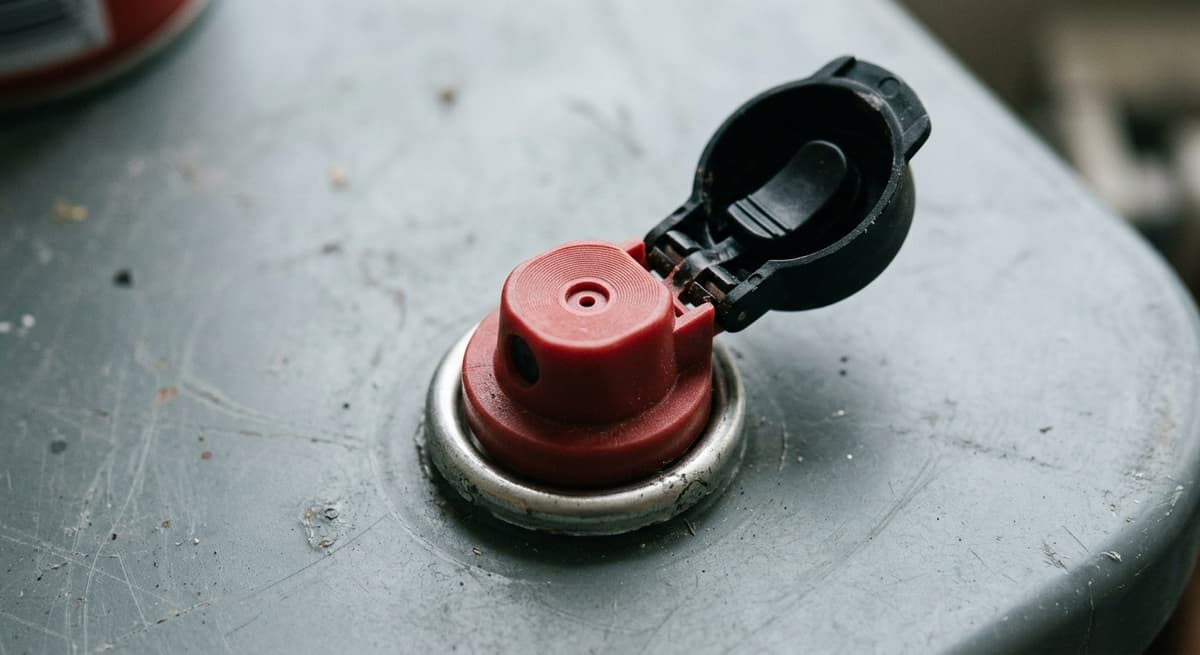
Louisiana restricts "dangerous weapons," under R.S. 14:2(A)(3)'s broad definition, in specific places regardless of what the item is. R.S. 14:95(A)(4) bans intentional possession or use of a dangerous weapon on a school campus during regular school hours or on a school bus, with exceptions for peace officers, school officials and employees, and students with written permission engaged in competition or marksmanship instruction. R.S. 14:95.2 extends a related ban to a student or nonstudent carrying a dangerous weapon on school property generally, at a school-sponsored function, or within 1,000 feet of a school campus, again subject to law-enforcement, school-employee, and other listed exceptions. A violation of R.S. 14:95.2 carries a far harsher penalty than base R.S. 14:95: subsection (D)(1) sets imprisonment at hard labor for not more than five years, rising under (D)(2) to a fine of not more than $2,000 or imprisonment, with or without hard labor, for one to five years, or both, served consecutively, if the weapon is used in a crime of violence on school property or in the firearm-free zone. Separately, R.S. 14:95(A)(5) bans possessing or using a dangerous weapon in a law enforcement office, station, or building; a detention facility, prison, or jail; a courthouse or courtroom, except a judge in his own courtroom; and the state capitol building. Because pepper spray and a stun gun can both meet R.S. 14:2(A)(3)'s functional "dangerous weapon" test depending on how they are used, these place-based restrictions can reach either device even though neither is named in the statute's text.

Base illegal carrying of weapons under R.S. 14:95 is punishable by a fine of not more than $500 or imprisonment of not more than six months, or both, rising to up to five years on a second conviction and up to ten years without benefit of parole, probation, or suspension of sentence on a third or subsequent conviction; a separate, harsher penalty applies if the weapon was used while committing a crime of violence or during unlawful drug activity.
Louisiana's preemption statute, R.S. 40:1796, bars a political subdivision from enacting or enforcing an ordinance more restrictive than state law concerning "the manufacture, sale, purchase, possession, carrying, storage, ownership, taxation, transfer, transportation, license, or registration of firearms, ammunition, components of firearms or ammunition, firearms accessories, knives, edged weapons, or any combination thereof"; a violating ordinance is null and void, and an adversely affected person may sue for declaratory and injunctive relief plus attorney fees. That list reaches knives and edged weapons alongside firearms, but it does not mention pepper spray, tear gas, a stun gun, or any other electronic weapon, so it does not, on its own text, bar a Louisiana parish or municipality from adopting a stricter local rule for either device.
Federal law: what it does and does not reach
No federal statute regulates a civilian's purchase or possession of pepper spray or a stun gun. Federal law matters in three places.
Federal buildings. Under 18 U.S.C. § 930(a), whoever knowingly possesses or causes to be present "a firearm or other dangerous weapon in a Federal facility (other than a Federal court facility)" faces a fine, imprisonment of up to 1 year, or both. Subsection (e) sets up to 2 years for a federal court facility, and subsection (b) up to 5 years where the weapon is intended to be used in a crime. Section 930(g)(2) defines the term:
The term "dangerous weapon" means a weapon, device, instrument, material, or substance, animate or inanimate, that is used for, or is readily capable of, causing death or serious bodily injury, except that such term does not include a pocket knife with a blade of less than 2½ inches in length.
The definition names neither device. Whether a particular spray or stun gun is "readily capable of" causing serious bodily injury is a question of fact the statute does not answer. Subsection (d)(3) exempts "the lawful carrying of firearms or other dangerous weapons in a Federal facility incident to hunting or other lawful purposes," and subsection (h) requires notice of the ban to be posted at each public entrance. A "Federal facility" is "a building or part thereof owned or leased by the Federal Government, where Federal employees are regularly present for the purpose of performing their official duties."
Air travel. The Transportation Security Administration's screening rules, which are agency policy rather than statute, bar both devices from carry-on bags. One 4 fl. oz. (118 ml) container of mace or pepper spray is permitted in checked baggage if it has a safety mechanism to prevent accidental discharge, and sprays containing more than 2 percent by mass of tear gas (CS or CN) are prohibited in checked baggage. Tasers, stun guns and other electro-shock weapons may travel in checked baggage only if transported so the device cannot discharge accidentally. Airlines may set stricter rules.
National parks. National Park Service regulations prohibit possessing, carrying or using a "weapon" in a park area except as the regulations provide (36 CFR 2.4(b)(1)). 36 CFR 1.4 defines "weapon" to include an "irritant gas device" and any "weapon the possession of which is prohibited under the laws of the State in which the park area or portion thereof is located."
Disclaimer: This article provides general legal information about Louisiana's pepper spray and stun gun laws as of September 2026. It is not legal advice. Consult a lawyer licensed in Louisiana for advice about a specific situation.
For a state-by-state comparison, see pepper spray and stun gun laws by state. Louisiana's self-defense statutes are covered separately on the Louisiana self-defense laws page.
Statutes cited reflect their in-force version as of 2026-09-18. Last updated: 2026-09-18.
Frequently Asked Questions
Is pepper spray legal in Louisiana?
Yes, for ordinary self-defense carry. Louisiana does not name pepper spray in its weapons statutes, and it sets no capacity limit or purchase restriction on it. The general concealment offense, R.S. 14:95(A)(1)(a), can reach an 'other instrumentality customarily used or intended for probable use as a dangerous weapon,' but R.S. 14:95(M) exempts anyone eighteen or older who is not barred from possessing a firearm under R.S. 14:95.1 or 18 U.S.C. 922(g), and R.S. 14:95(A)(1)(b) exempts a valid concealed handgun permit holder; a barred person faces the same concealed-weapon exposure for pepper spray as for a firearm, five to twenty years at hard labor under R.S. 14:95.1. Louisiana's 'dangerous weapon' definition (R.S. 14:2(A)(3)) is functional rather than a fixed list, covering 'any gas, liquid or other substance... calculated or likely to produce death or great bodily harm,' which can bring pepper spray into the place-based restrictions in R.S. 14:95(A)(4), R.S. 14:95(A)(5), and R.S. 14:95.2 depending on how it is carried or used.
Are stun guns legal to carry in Louisiana?
Yes. Louisiana does not name a stun gun, taser, or electronic weapon in its Criminal Code, and it sets no permit or age requirement for ordinary civilian possession. The same two exemptions that apply to pepper spray, R.S. 14:95(M)'s eighteen-year threshold and R.S. 14:95(A)(1)(b)'s permit-holder exemption, remove most adults from the general concealment offense. A person with a qualifying felony conviction is separately barred by R.S. 14:95.1 from carrying a concealed weapon of any kind, including a stun gun, on pain of five to twenty years at hard labor. Louisiana's broad, use-based 'dangerous weapon' definition can still reach a stun gun used in a manner calculated or likely to produce death or great bodily harm.
Can you carry pepper spray or a stun gun on Louisiana school property?
It depends on how the device is used, because Louisiana's school-carrying statutes (R.S. 14:95(A)(4) and R.S. 14:95.2) ban a 'dangerous weapon' as broadly defined in R.S. 14:2(A)(3), which includes 'any gas, liquid or other substance' calculated or likely to produce death or great bodily harm. That definition can reach pepper spray or a stun gun carried onto school property, at a school function, or within 1,000 feet of a campus, subject to the statutes' law-enforcement and school-employee exceptions. A violation of R.S. 14:95.2, the broader school-property and firearm-free-zone ban, is punishable by up to five years at hard labor, a far harsher penalty than R.S. 14:95's base six-month misdemeanor.
Does Louisiana preempt local pepper spray or stun gun ordinances?
Not under its statewide preemption statute. R.S. 40:1796 bars a local government from more strictly regulating firearms, ammunition, firearms accessories, knives, and edged weapons; its list does not include pepper spray or stun guns, so it does not bar a Louisiana parish or municipality from adopting a stricter local rule for either device.
Updates
Independently fact-checked against the cited primary sources
Sources and References
- La. R.S. 14:2 - Definitions ('dangerous weapon': any gas, liquid, or other substance or instrumentality calculated or likely to produce death or great bodily harm)(legis.la.gov).gov
- La. R.S. 14:95 - Illegal carrying of weapons (concealment, school hours, restricted places, penalties)(legis.la.gov).gov
- La. R.S. 14:95.1 - Possession of firearm or carrying concealed weapon by a person convicted of certain felonies(legis.la.gov).gov
- La. R.S. 14:95.2 - Carrying a firearm or dangerous weapon by a student or nonstudent on school property, at school-sponsored functions, or in a firearm-free zone(legis.la.gov).gov
- La. R.S. 40:1796 - Preemption of state law (firearms, ammunition, accessories, knives, edged weapons)(legis.la.gov).gov
- 18 U.S.C. § 930 - Possession of firearms and dangerous weapons in Federal facilities(law.cornell.edu)
- Transportation Security Administration - What Can I Bring? Pepper Spray(tsa.gov).gov
- Transportation Security Administration - What Can I Bring? Stun Guns/Shocking Devices(tsa.gov).gov
- 36 CFR 1.4 - National Park Service definitions (weapon)(ecfr.gov).gov
- 36 CFR 2.4 - Weapons, traps and nets(ecfr.gov).gov