Washington
Washington Open Container Law (2026): Infraction, Not a Crime
Independently fact-checked against primary sources (last audited September 17, 2026). · 4 primary sources cited on this page. How we verify our legal content
Washington treats an open container violation as a civil traffic infraction, not a crime. RCW 46.61.519 separately bans drinking in a vehicle on a highway, bans possessing an opened container with no exception, and bars the vehicle's registered owner, or the driver if the registered owner is not then present, from keeping one in the vehicle unless it is in the trunk or a similar area.
Jurisdiction scope: This article addresses Washington's state open container law under RCW 46.61.519. It does not address DUI charges or local ordinances. For Washington's separate DUI penalties, see Washington DUI laws.
The Three Separate Rules Under RCW 46.61.519
Washington's statute does more than ban one thing. Subsection (1) makes it a traffic infraction to drink any alcoholic beverage in a vehicle while it is on a highway. Subsection (2) separately makes it a traffic infraction to possess a container of alcohol that has been opened, has a broken seal, or has had part of its contents removed. Subsection (3) adds a third rule aimed at the vehicle's owner: the registered owner, or the driver if the registered owner is not then present, must not keep an open container in the vehicle, unless the container is kept in the trunk, or in some other area of the vehicle not normally occupied by the driver or passengers if the vehicle does not have a trunk. A utility compartment or glove compartment does not count as such an area; it is deemed to be within the area occupied by the driver and passengers. Because these are three separate provisions, a person can violate the possession rule without anyone drinking, and an owner can be cited even when someone else in the car is the one who brought the container.
Who Can Be Cited
Both the drinking ban and the possession ban are written to cover vehicle occupants generally, not just the driver. That means a passenger who drinks from an open container, or who has one within reach, can be cited under Washington's statute the same as a driver.
Exemptions
Washington's statute exempts:
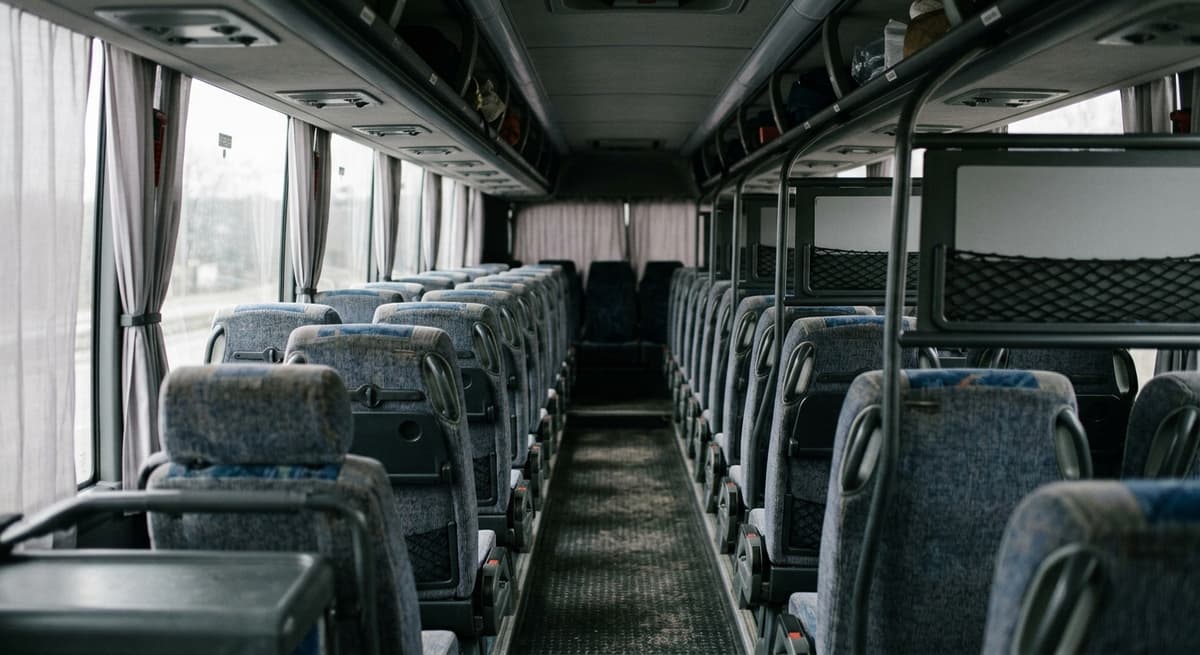
- A public conveyance that has been commercially chartered for group use.
- The living quarters of a motor home or camper.
- Passengers in for-hire vehicles, subject to limited exceptions cross-referenced to RCW 66.44.250 or local law.
- A privately owned vehicle operated by a person holding a valid operator's license with the appropriate chapter 46.25 RCW commercial endorsement, in the course of usual employment transporting passengers at the employer's direction.
None of these exemptions authorizes possession or consumption of an alcoholic beverage by the vehicle's operator while it is on a highway.
Penalty
A violation of RCW 46.61.519 is a traffic infraction, a civil matter rather than a criminal charge. The base penalty amount for this kind of traffic infraction is set by court rule, specifically IRLJ 6.2, rather than spelled out in the statute itself; the exact dollar figure was not independently confirmed for this article.
History
The statute's substantive language traces to amendments from 1983, 1984, and 1989. Its most recent history note reflects a 2010 recodification act (2010 c 8 s 9071), which reorganized the code without changing the substance of the ban.
For how this rule compares with every other state, see the open container laws by state comparison.
Disclaimer: This article provides general legal information about open container laws in the United States as of September 2026. It is not legal advice. Open container statutes, exemptions, and penalties change; verify the current text of your state's law before relying on it, and consult a lawyer licensed in your state for advice about a specific situation.
Statutes cited reflect their in-force version as of 2026-09-16. Last updated: 2026-09-16.
Frequently Asked Questions
Is an open container violation a crime in Washington?
No. Washington treats it as a civil traffic infraction under RCW 46.61.519, not a criminal misdemeanor.
Can a passenger be cited for an open container in Washington?
Yes. Washington's drinking and possession bans are written broadly to cover vehicle occupants generally, not just the driver.
Is an RV exempt from Washington's open container law?
The living quarters of a motor home or camper are exempt under RCW 46.61.519.
Can the owner of the car be cited even if a passenger had the open container?
Yes. RCW 46.61.519 separately requires the vehicle's registered owner, or the driver if the registered owner is not then present, not to keep an open container in the vehicle, unless it is kept in the trunk or another area not normally occupied by the driver or passengers. A glove compartment does not count as such an area.
Updates
Independently fact-checked against the cited primary sources
Sources and References
- RCW 46.61.519 - Alcoholic beverages in motor vehicles(app.leg.wa.gov).gov
- Chapter 46.25 RCW - Uniform Commercial Driver's License Act, cited for the commercial-endorsement employee exemption(app.leg.wa.gov).gov
- RCW 66.44.250 - Consumption of liquor in public conveyance, cross-referenced for the for-hire-vehicle passenger exemption(app.leg.wa.gov).gov
- IRLJ 6.2 - Infraction Rules for Courts of Limited Jurisdiction, Monetary Penalty Schedule (sets the base traffic-infraction penalty amount)(courts.wa.gov).gov