
Minnesota
Minnesota Open Container Law (2026): The Open Bottle Law
Independently fact-checked against primary sources (last audited September 17, 2026). · 3 primary sources cited on this page. How we verify our legal content
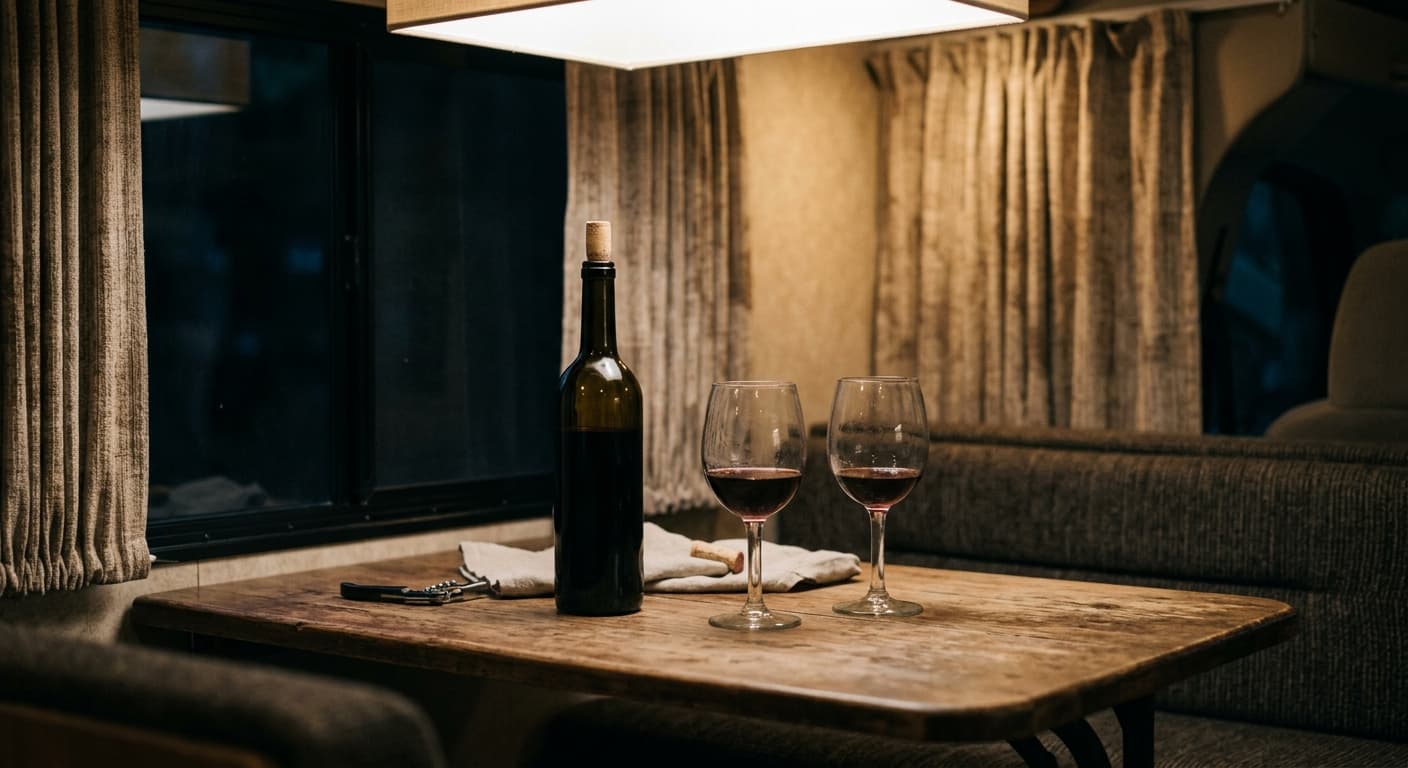
Minnesota's "Open Bottle Law" bans drinking an alcoholic beverage in a motor vehicle while it is on a street or highway, and separately bans possessing an opened alcoholic beverage container while in a private motor vehicle on a street or highway, for the driver and every passenger, under Minn. Stat. § 169A.35. As of September 2026, that citation was confirmed against Minnesota's own official code site.
Jurisdiction scope: This article addresses Minnesota's state open container law, known as the Open Bottle Law, covering driver and passenger possession and consumption, under Minn. Stat. § 169A.35. It does not address DWI charges. For Minnesota's separate DWI penalties, see Minnesota DUI laws.
What Minnesota's Open Bottle Law Prohibits
Minnesota's statute, commonly called the Open Bottle Law, bans two things with two different scopes: drinking an alcoholic beverage in a motor vehicle while it is upon a street or highway (subdivision 2, which is not limited to a particular kind of vehicle), and, specifically in a private motor vehicle, possessing a container of an alcoholic beverage that has been opened, has a broken seal, or has had part of its contents removed, while the vehicle is upon a street or highway (subdivision 3). Both bans reach the driver and every passenger. The statute sits within Chapter 169A, Minnesota's DWI chapter, but a violation of the Open Bottle Law is a separate offense from a DWI charge, not a form of it. The statute also reaches beyond the vehicle's occupants directly: in a private motor vehicle, the owner, or the driver if the owner is not present, may not keep or allow to be kept an open container in the vehicle while it is upon a street or highway, other than in the trunk or, in a vehicle with no trunk, another area not normally occupied by the driver and passengers.
What Counts as the Occupied Area
Minnesota treats a utility or glove compartment as within the occupied area covered by the ban, so moving an open container into either does not exempt it. That places Minnesota with the stricter states in this dataset on that specific point.

Exemptions
The statute exempts:
- Containers stored in the trunk, or, in a vehicle with no trunk, in another area not normally occupied by the driver or passengers.
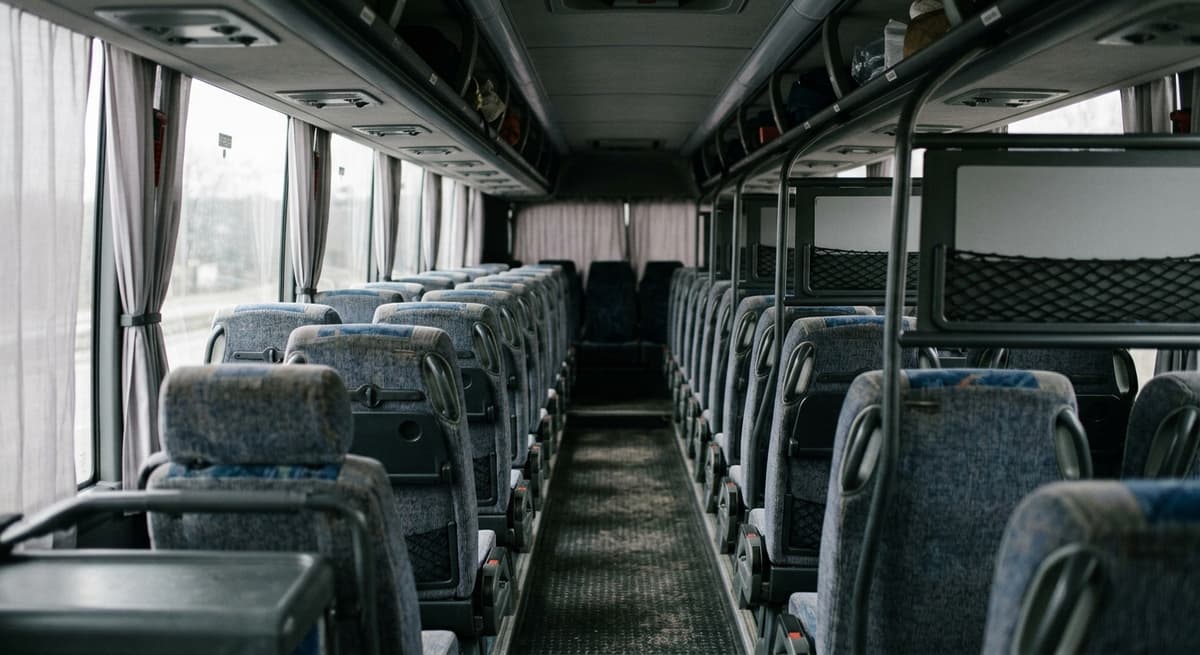
- Passengers riding in a common or commercial-carrier bus.
- Passengers riding in a vehicle operated for commercial purposes in a manner similar to a bicycle, with five or more passengers who provide pedal power to the drive train.
- Passengers riding in a limousine-service vehicle.
Penalty
A violation of the Open Bottle Law is a misdemeanor. Minn. Stat. Section 609.02, subdivision 3, sets the general misdemeanor maximum at 90 days in jail and/or a $1,000 fine; confirm the fine actually imposed with the Minnesota courts or the citing agency.
Federal Compliance
Federal law, 23 U.S.C. § 154, conditions a share of a state's highway funding on having an open container law that bans both possession and consumption, covers the whole passenger area, reaches every occupant, and is primarily enforced. States that fall short have 2.5 percent of certain federal highway apportionments reserved and redirected to highway safety programs, under FHWA's annual apportionment notice. Minnesota is not on FHWA's list of non-conforming states for fiscal year 2026 (FHWA Notice N4510.905, dated October 1, 2025).
For how this rule compares with every other state, see the open container laws by state comparison.
Disclaimer: This article provides general legal information about open container laws in the United States as of September 2026. It is not legal advice. Open container statutes, exemptions, and penalties change; verify the current text of your state's law before relying on it, and consult a lawyer licensed in your state for advice about a specific situation.
Statutes cited reflect their in-force version as of 2026-09-16. Last updated: 2026-09-16.
Frequently Asked Questions
Is Minnesota's open container law the same as its DWI law?
No. The Open Bottle Law, Minn. Stat. Section 169A.35, sits in the same chapter as Minnesota's DWI statutes but is a separate offense, not a form of DWI.
Is the glove compartment a safe place for an open container in Minnesota?
No. Minnesota treats the glove compartment and other utility compartments as part of the occupied area covered by the ban, so storing an open container there does not exempt it.
Can a passenger drink alcohol in a car in Minnesota?
No. Minn. Stat. Section 169A.35 bans drinking an alcoholic beverage in a motor vehicle while it is on a street or highway, and separately bans possessing an opened container in a private motor vehicle on a street or highway, for the driver and every passenger.
What is the fine for an open container violation in Minnesota?
A violation is a misdemeanor. Minn. Stat. Section 609.02, subdivision 3, sets the general misdemeanor maximum at 90 days in jail and/or a $1,000 fine; confirm the amount actually imposed with the Minnesota courts.
Updates
Independently fact-checked against the cited primary sources
Sources and References
- Minn. Stat. § 169A.35 - Open bottle law(revisor.mn.gov).gov
- 23 U.S.C. § 154(a) - Open container requirements(law.cornell.edu)
- FHWA Notice N4510.905 - FY2026 Apportionment of Federal-Aid Highway Program Funds (open container non-conforming states list)(highways.dot.gov).gov
- Minn. Stat. § 609.02, subd. 3 - Misdemeanor defined (90-day/$1,000 statutory maximum)(revisor.mn.gov).gov