
Massachusetts
Massachusetts Open Container Law (2026): Statute and Fine
Independently fact-checked against primary sources (last audited September 17, 2026). · 2 primary sources cited on this page. How we verify our legal content

Massachusetts bans possessing an open alcoholic beverage container in the passenger area of a motor vehicle upon any way or in any place to which the public has a right of access, or to which members of the public have access as invitees or licensees, and it goes further for the driver specifically, who may not possess one under any circumstances, under Mass. Gen. Laws ch. 90, § 24I. As of September 2026, that citation was confirmed against Massachusetts's own official code site.
Jurisdiction scope: This article addresses Massachusetts's state open container law, covering driver and passenger possession, under Mass. Gen. Laws ch. 90, § 24I. It does not address DUI charges. For Massachusetts's separate DUI penalties, see Massachusetts DUI laws.
What Massachusetts's Open Container Law Prohibits
Massachusetts's statute bans any occupant, driver or passenger, from possessing an open alcoholic beverage container in the passenger area of a motor vehicle upon any way or in any place to which the public has a right of access, or to which members of the public have access as invitees or licensees. But the driver faces a stricter, separate bar: a driver may not possess an open container under any circumstances, a restriction written broadly enough that it reaches even the living quarters of a house coach or trailer, an area where a passenger is otherwise exempt. The statute defines "open container" by reference to the bottle itself already being unsealed, having a broken seal, or having contents that are partially removed, so consumption is addressed through that definition rather than through a separate standalone drinking prohibition.
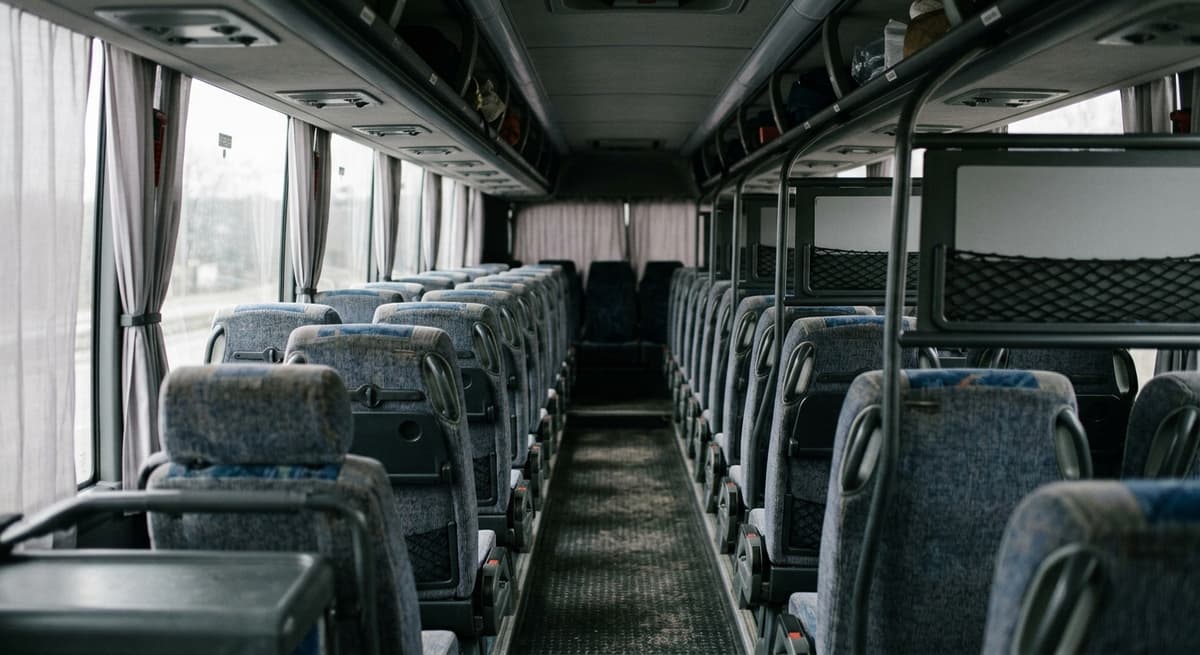
What Counts as the "Passenger Area"
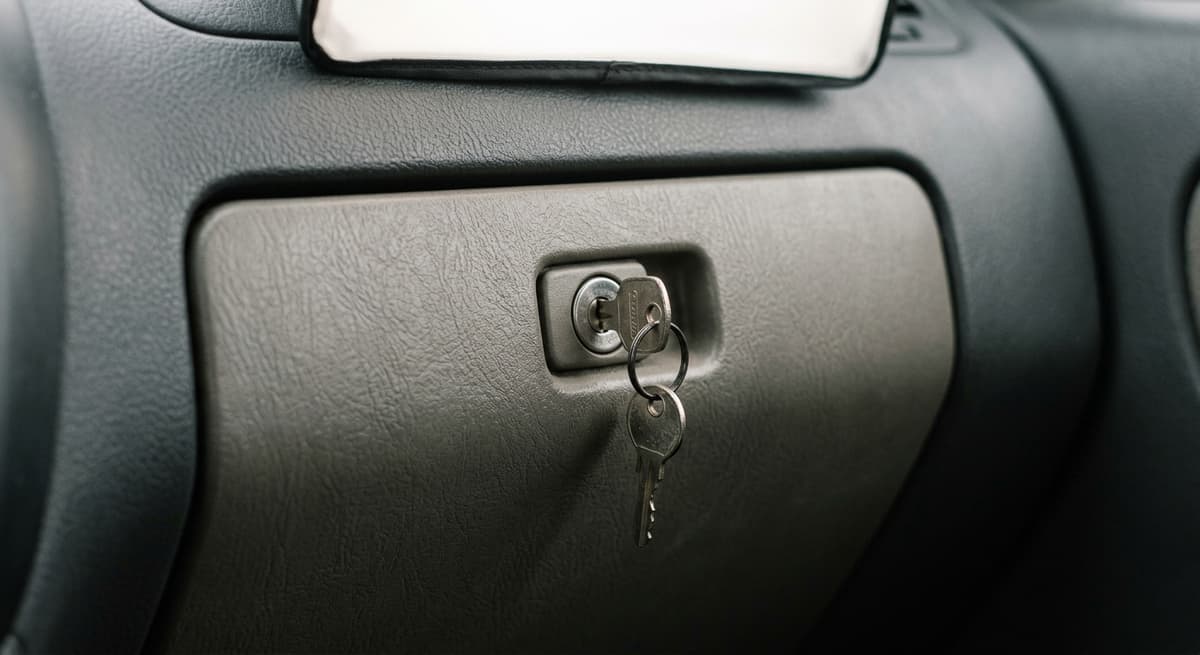
The passenger area includes the glove compartment, which puts Massachusetts on the stricter end of states in this dataset for that specific point. It excludes the trunk, a locked glove compartment, in a vehicle with no trunk, the area behind the last upright seat, and any other area not normally occupied by the driver or passenger.
Exemptions
The statute carves out three situations:
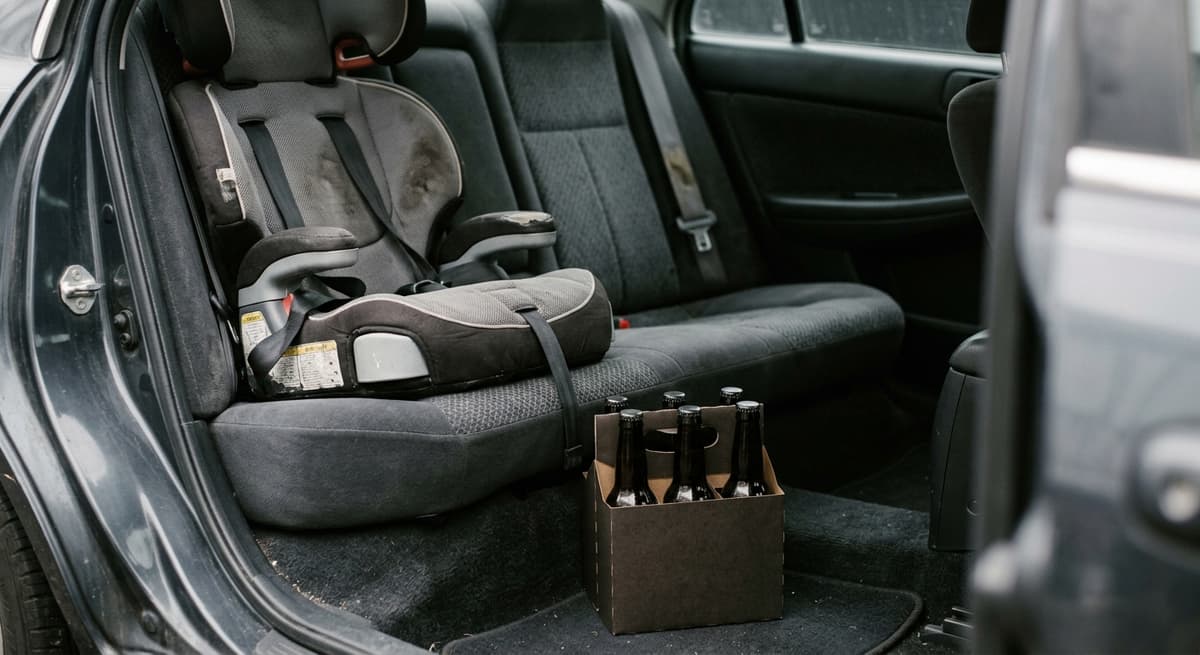
- A passenger, but not the driver, riding in a vehicle designed, maintained, and used for the transportation of persons for compensation.
- The living quarters of a house coach or trailer, though the driver's stricter, absolute possession bar still applies even there.
- A bottle resealed under Mass. Gen. Laws ch. 138, § 12, the state's "doggy bag" wine provision, which is excluded from the statutory definition of "open container." Such a bottle may still not be transported in the passenger area.
Penalty
A violation of Section 24I carries a fine of $100 to $500. The statute does not specify whether the offense is classified as criminal or civil.
Federal Compliance
Federal law, 23 U.S.C. § 154, conditions a share of a state's highway funding on having an open container law that bans both possession and consumption, covers the whole passenger area, reaches every occupant, and is primarily enforced. States that fall short have 2.5 percent of certain federal highway apportionments reserved and redirected to highway safety programs, under FHWA's annual apportionment notice. Massachusetts is not on FHWA's list of non-conforming states for fiscal year 2026 (FHWA Notice N4510.905, dated October 1, 2025).
For how this rule compares with every other state, see the open container laws by state comparison.
Disclaimer: This article provides general legal information about open container laws in the United States as of September 2026. It is not legal advice. Open container statutes, exemptions, and penalties change; verify the current text of your state's law before relying on it, and consult a lawyer licensed in your state for advice about a specific situation.
Statutes cited reflect their in-force version as of 2026-09-16. Last updated: 2026-09-16.
Frequently Asked Questions
Can the glove compartment be used for an open container in Massachusetts?
No. Massachusetts's definition of the banned passenger area specifically includes an unlocked glove compartment. A locked glove compartment, however, is excluded from the passenger area under Mass. Gen. Laws ch. 90, Section 24I. That ban applies upon any way or in any place to which the public has a right of access, or to which members of the public have access as invitees or licensees, not on wholly private property with no public access.
Is the rule stricter for the driver than for passengers in Massachusetts?
Yes. While passengers are barred from possessing an open container only in the passenger area, and only upon a way or in a place to which the public has a right of access or access as invitees or licensees, the driver may not possess one under any circumstances, a restriction that reaches even the living quarters of a house coach or trailer.
What is the fine for an open container violation in Massachusetts?
A violation of Mass. Gen. Laws ch. 90, Section 24I carries a fine of $100 to $500.
Can I bring home a resealed bottle of wine in the car in Massachusetts?
A bottle resealed under the state's ch. 138, Section 12 'doggy bag' wine law is excluded from the statutory definition of an open container, but it still may not be transported in the passenger area.
Updates
Independently fact-checked against the cited primary sources
Sources and References
- Mass. Gen. Laws ch. 90, § 24I - Open containers of alcoholic beverages in motor vehicles(malegislature.gov).gov
- 23 U.S.C. § 154(a) - Open container requirements(law.cornell.edu)
- FHWA Notice N4510.905 - FY2026 Apportionment of Federal-Aid Highway Program Funds (open container non-conforming states list)(highways.dot.gov).gov