
Delaware
Delaware E-Scooter Laws: Sidewalk, Helmet & Age Rules (2026)
Independently fact-checked against primary sources (last audited July 23, 2026). · 4 primary sources cited on this page. How we verify our legal content
This article is general information about Delaware e-scooter law and is not legal advice. If you were cited or injured, a Delaware-licensed attorney or the Delaware Code text at delcode.delaware.gov can give you a current, situation-specific answer. Information last verified on 23 July 2026.
Are e-scooters legal in Delaware?
Mostly yes, but Delaware's law is genuinely two-tiered in a way that a lot of general scooter guides flatten into a single answer. Title 21, Chapter 41, Subchapter XII of the Delaware Code creates two separate scooter categories: section 4198N, "motorized skateboards or scooters," and section 4198Q, "low-speed motorized scooters." They are not the same thing, and they lead to very different answers about where you can ride. See the e-scooter laws hub for how this compares to other states.
What counts as an e-scooter in Delaware
Section 4198Q, "low-speed motorized scooters," covers a device that cannot exceed 15 mph. This is the category a standard stand-up rental or personal e-scooter falls into. Devices in this category are treated like bicycles for roadway-access purposes.
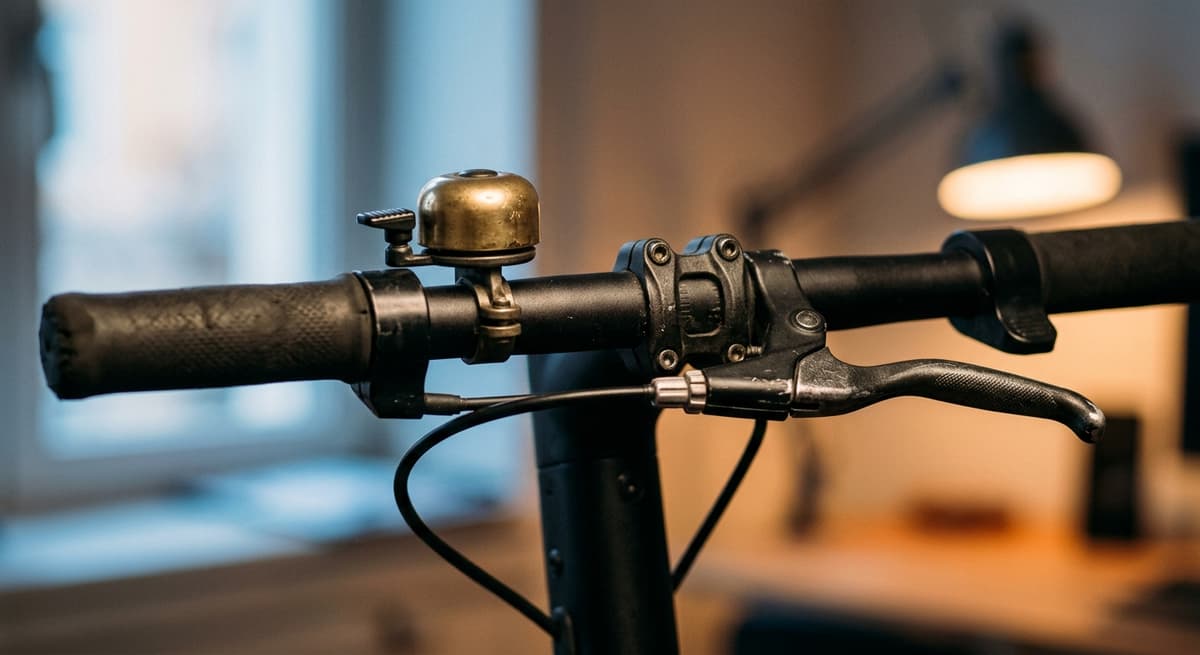
Section 4198N, "motorized skateboards or scooters," is an older category, defined as a low-deck device with two or more wheels, handlebars, and a hand throttle, that a rider stands or sits on. This category is written broadly enough to sweep in devices that don't meet the 15 mph low-speed threshold, and it carries a near-total public-road riding ban rather than bicycle-like access.
The practical upshot: a standard, current-generation stand-up e-scooter capped at 15 mph is governed by section 4198Q's more permissive framework, not section 4198N's restrictive one. A faster or non-conforming device could fall under section 4198N instead, where riding on a public highway, street, sidewalk, or right-of-way is prohibited except when the device is pushed in neutral, during a permitted special event, or under a few other narrow exceptions.
Where you can ride
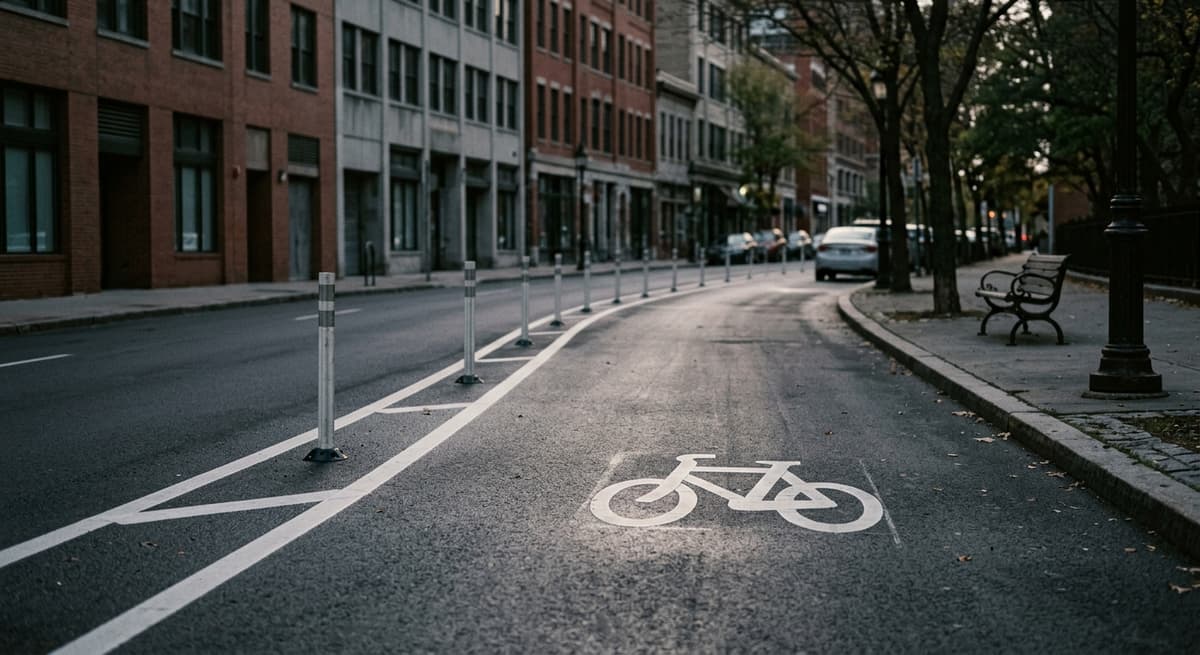
Under section 4198Q, a low-speed motorized scooter may operate anywhere a bicycle is allowed under Delaware law: streets, highways, roadways, shoulders, bike lanes, bikeways, and bicycle or multi-use paths. Sidewalks are the only blanket exclusion the statute writes in, and that exclusion covers sidewalks bicycles are permitted to use.
The statute's other two exceptions are local decisions rather than statewide bans, which matters because a path that is open in one county may be posted closed in the next. A local authority or state agency with jurisdiction over a bicycle or multi-use path may prohibit low-speed motorized scooters on it, but only after notice and a public hearing, and only on a finding that the restriction is necessary for safety or for compliance with other laws or legal obligations. Separately, a local authority or state agency with jurisdiction over a trail that is specifically designated as nonmotorized and that has a natural surface tread made by clearing and grading native soil with no added surfacing materials may prohibit scooters on that trail.
Neither prohibition is automatic. A bike path, multi-use path, or natural-surface trail is open to a low-speed motorized scooter unless the authority that controls it has actually closed it, so read posted signage and the controlling agency's own rules before riding one.
Under section 4198N, a device in that category may not be operated on a public highway, street, sidewalk, or right-of-way at all, except when pushed in neutral, during a permitted special event, or under a few other narrow exceptions written into the statute.
Rider rules
Age: for a section 4198Q low-speed motorized scooter, the minimum age is 14. Section 4198N sets its own age structure: a rider under 12 may ride only under the direct supervision of someone at least 18, or on land owned by or under the control of that rider's own parent or legal guardian, while a rider 12 or older may ride independently if otherwise compliant. Permission from some other property owner does not satisfy the statute.
Helmet: required under 18 for both categories.
Labeling: on and after January 1, 2026, section 4198Q(c) requires manufacturers and distributors to permanently affix a label to each low-speed motorized scooter showing its classification number, top assisted speed, and motor power. The duty runs to manufacturers and distributors, not to riders or owners, so an already-owned scooter does not have to be retrofitted. The rider-facing counterpart is section 4198Q(d): nobody may tamper with or modify a scooter to change its motor-powered speed capability unless the classification label is replaced after the modification.
License/registration: neither category requires a driver's license or vehicle registration.
Delaware also regulates a separate, self-balancing device category, the EPAMD (Segway-style device), under section 4198O, with its own 8 mph sidewalk cap, roadway restrictions, and an escalating penalty structure that includes a DUI-equivalent charge. That's a different device from a standard stand-up e-scooter and isn't covered by the numbers above.
Penalties
For a section 4198N violation, first offenses carry a fine of $25 to $115, and a repeat violation within 24 months carries a fine of $57.50 to $230, along with possible forfeiture of the device. Section 4198Q does not have a separately researched penalty schedule confirmed in the sources behind this article; violating its access rules would be expected to draw a citation, but specific dollar figures were not confirmed this session.
Enforcement in practice
No statewide Delaware enforcement statistics specific to either scooter category were documented in the research behind this article. Enforcement patterns do not change what either statute requires, and inconsistent enforcement in a given area is not a form of permission to ignore the roadway-access, age, or helmet rules described above.
Wilmington e-scooter rules
Delaware takes an opt-in approach to shared scooter programs: under section 4198Q, a low-speed motorized scooter cannot be operated as part of a rental or share fleet unless the municipality has adopted an ordinance explicitly permitting it, the reverse of states that default to allowing shared scooters and let cities opt out instead. Whether Wilmington has adopted such an ordinance was not confirmed in the research behind this article, so a rental program shouldn't be assumed to be authorized there without checking with the city directly. Privately-owned, section 4198Q-compliant low-speed motorized scooters are governed by the statewide framework above regardless of whether Wilmington has a rental program.
For the broader legal picture in Wilmington and statewide, Delaware DUI laws explains how the state's impaired-operation rules apply, and Delaware car accident laws covers fault and insurance questions for road users generally.
Frequently Asked Questions
Are e-scooters legal in Delaware?
Yes, for a standard stand-up scooter capped at 15 mph or less, which falls under section 4198Q's bicycle-like access rules. A different, older or non-conforming category, section 4198N, faces a near-total public-road ban instead.
Can I ride an e-scooter on the sidewalk in Delaware?
No. Sidewalks are the one blanket exclusion under section 4198Q, which otherwise allows streets, roadways, shoulders, bike lanes, bikeways, and bicycle or multi-use paths. A specific path or nonmotorized natural-surface trail can also be closed to scooters by the local authority or state agency that has jurisdiction over it, but that is a local decision, not a statewide ban.
Do I need a helmet to ride an e-scooter in Delaware?
Yes, if you're under 18. Delaware requires a helmet under 18 for both scooter categories.
How old do you have to be to ride an e-scooter in Delaware?
14, for a standard low-speed motorized scooter under section 4198Q. Section 4198N sets a different structure: a rider under 12 must be directly supervised by someone at least 18, or be on land owned by or under the control of that rider's own parent or legal guardian.
What's the difference between Delaware's two scooter laws?
Section 4198Q covers low-speed devices (15 mph or less) with bicycle-like road access. Section 4198N covers a broader, older category of motorized skateboards and scooters with a near-total public-road riding ban.
Can I rent a shared e-scooter in Delaware?
Only where the local municipality has adopted an ordinance explicitly permitting it. Delaware requires cities to opt in to shared scooter programs rather than opting out.
What's the fine for an e-scooter violation in Delaware?
Under section 4198N, a first offense runs $25 to $115, and a repeat violation within 24 months runs $57.50 to $230, plus possible device forfeiture. Section 4198Q's specific penalty figures were not confirmed in the research behind this article.
Is a Segway-style device the same as an e-scooter in Delaware?
No. Delaware regulates EPAMDs, the Segway-style self-balancing category, under a separate statute with its own 8 mph sidewalk cap and different penalties.
Updates
Corrected where Delaware's low-speed motorized scooter law actually restricts riding: sidewalks are the only statewide exclusion, while bike and multi-use paths and nonmotorized natural-surface trails may be closed to scooters by the local authority or state agency that controls them; also narrowed the under-12 rule under section 4198N to land owned or controlled by the rider's own parent or legal guardian, and clarified that the January 1, 2026 labeling duty falls on manufacturers and distributors rather than riders.
Independently fact-checked against the cited primary sources
The Law Behind This Article
This article rests on the statutory provisions below, held in our own legal record and retrieved from the official source. Tap a section to read the operative text.
Delaware Code, Title 21 (Motor Vehicles), Chapter 041 (RULES OF THE ROAD)
§ 4198QOperation of low-speed motorized scooters.In force
(a) Except as specifically provided in this section, a low-speed motorized scooter or an operator of a low-speed motorized scooter is afforded all the rights and privileges, and is subject to all the duties, of a bicycle or the operator of a bicycle. (b) A low-speed motorized scooter or a person operating a low-speed motorized scooter is not subject to the provisions of this Code relating to financial responsibility or insurance, driver’s licenses, registration, certificates of title, off-highway vehicles, and license plates. (c) On and after January 1, 2026, manufacturers and distributors of low-speed motorized scooters must apply a label that is permanently affixed, in a prominent location, to each low-speed motorized scooter. The label must contain the classification number, top assisted speed, and motor power of the low-speed motorized scooter, and must be printed in Arial font in at least 9-point type.
Official text (excerpt) · last checked 2026-09-07 · Read the full text in our law library · Verify at delcode.delaware.gov
§ 4198NOperation of motorized skateboards and scooters.In force
(a) Upon public highways, streets, sidewalks or rights-of-way; penalties for violation. — Motorized skateboards or scooters shall not be operated upon a public highway or street or sidewalk or right-of-way thereof located within this State except under the following conditions: (1) A motorized skateboard or scooter may be pushed across or along such public way provided such motorized skateboard or scooter is in neutral or that the power train is otherwise disengaged, and further provided that such use shall be in conformance with this chapter. (2) A motorized skateboard or scooter may be operated on a street or highway located within this State for a special event of limited duration, conducted according to a prearranged schedule only under permit from the governmental unit having jurisdiction. (3) A low-speed motorized scooter. This section does not apply to any low-speed motorized scooter. (4) A person who violates this subsection shall be subject to the following penalties: a. For the first offense, a fine of not less than $25 nor more than $115. b.
Official text (excerpt) · last checked 2026-07-29 · Read the full text in our law library · Verify at delcode.delaware.gov
Cited in 1 court opinions in our collectionLatest citing opinion in our collection: 2021
Opinions citing this section in our collection:
- Washington v. Perrine (Superior Court of Delaware 2021)“…fective, and did so in violation of motor vehicle statutes 21 Del. C. § 4198N(a) and (c). Defendant claimed that thi…”
Identified automatically from the court opinions citing this section — not a ranking of which case controls.
§ 4198OOperation of electric personal assistive mobility devices (EPAMD).In force
(a) Nothing in this title shall be construed to limit the operation of an EPAMD on sidewalks and bike ways of the State except the following: (1) A person operating an EPAMD shall not exceed a speed of 8 miles per hour on sidewalks and shall yield the right-of-way to pedestrians and human-powered devices at all times. An operator must also give an audible signal before overtaking and passing any pedestrian. (2) An EPAMD may be operated on a public highway only: a. While making a direct crossing of a highway in a marked or unmarked crosswalk; b. Where no sidewalk is available; or c. When so directed by a traffic control device or by a peace officer.
Official text (excerpt) · last checked 2026-07-29 · Read the full text in our law library · Verify at delcode.delaware.gov
Search our full record of US law — 2.1 million sections, every state + federal →
Sources and References
- Delaware Code Title 21, section 4198N, motorized skateboards or scooters(delcode.delaware.gov).gov
- Delaware Code Title 21, section 4198Q, low-speed motorized scooters(delcode.delaware.gov).gov
- Delaware Code Title 21, section 4198O, EPAMD operating rules(delcode.delaware.gov).gov
- Delaware Code Title 21, section 101, definitions(delcode.delaware.gov).gov
Paid attorney referral. RecordingLaw may receive compensation when you use an attorney-help link. RecordingLaw is not a law firm. Submitting a request does not guarantee that an attorney will accept your case and does not create an attorney-client relationship.