
South Africa
Everyday Law in South Africa: Neighbour and Community Disputes (2026)
Independently fact-checked against primary sources (last audited July 23, 2026). · 1 primary source cited on this page. How we verify our legal content
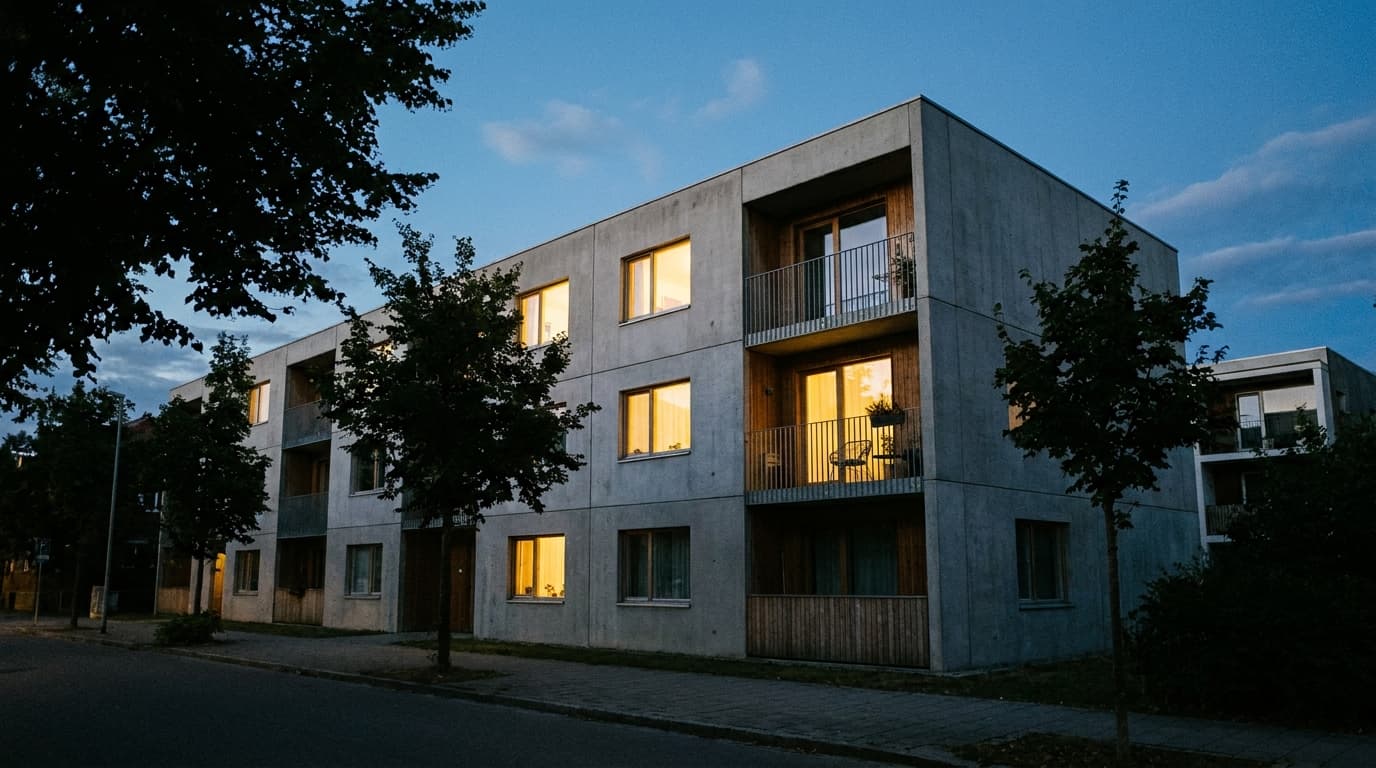
This section covers practical, day to day legal questions that come up in ordinary life in South Africa, most often between neighbours or within a community. It starts with noise complaints, one of the most common sources of neighbour friction, and will grow to cover more everyday topics over time.
Information last verified on 23 July 2026. This page provides general legal information about South African law and does not constitute legal advice in an individual case.
Noise Complaints
South Africa's noise rules distinguish between "disturbing noise," which is measured objectively against a decibel threshold, and "noise nuisance," which is judged subjectively by its effect on a person's convenience or peace (the Western Cape's own regulations narrow this to a reasonable person). A separate, more detailed set of regulations applies in the Western Cape, with its own definitions and higher penalties than the 1992 national regulations, and many municipalities run their own by-laws and complaint procedures on top of that. See Noise Complaints and the Law for the practical steps to escalate a noise complaint, from a conversation with your neighbour through to the courts.
Two further everyday remedies have their own guides. Spoliation covers the urgent court order that restores possession when someone takes the law into their own hands, such as a lockout or an electricity cut without a court order. Trespassing Law covers when entering another person's property is a criminal offence, and where eviction law applies instead.
The General Escalation Ladder
Most everyday neighbour and community disputes in South Africa, not only noise, tend to follow the same practical shape: a direct conversation first, because it is the cheapest and fastest route to a resolution; a written record of what happened and when, in case the dispute continues; a complaint to whichever authority actually has jurisdiction, whether that is a municipal department, a regulator, or a tribunal; and the courts as a last resort, once the earlier steps have been tried and failed. Working through the steps in that order, rather than escalating straight to a legal threat or a court case, tends to resolve a dispute faster and more cheaply, and puts you in a stronger position if you do end up needing a formal process later.
Related Topics Elsewhere on This Site
Some everyday disputes are covered in more depth in other sections of this site. A neighbour's camera pointed at your property is a data protection and privacy question, covered on CCTV and Neighbour Cameras. A small amount of money owed by a neighbour or a business can often be recovered through the Small Claims Court without a lawyer. Where a dispute involves being followed, watched or targeted rather than an ordinary disagreement, the Protection Orders page covers the Protection from Harassment Act 17 of 2011.
For the wider South Africa hub, including labour, traffic, criminal records and family law, see South Africa Laws.
This page is general legal information about South African law and is not legal advice. For advice on a specific situation, consult an attorney, or contact Legal Aid South Africa on 0800 110 110 if you cannot afford one.
Frequently Asked Questions
What topics does the everyday law section cover?
This section covers practical legal questions that come up in daily life, most often between neighbours or in a community setting. It currently covers noise complaints, and will be expanded to cover more topics over time.
Who do I complain to about a noisy neighbour in South Africa?
The usual first step is your municipality, through its environmental health or law enforcement department, rather than the police. See Noise Complaints and the Law for the practical escalation steps.
Is a neighbour dispute a police matter or a municipal matter?
Routine disputes such as noise are generally handled by the municipality's own complaint and enforcement process, not by the police as a first responder. Police involvement is more likely once a matter becomes a genuine public order or criminal issue, separate from the noise itself.
Can I take a neighbour to court over a dispute myself, without a lawyer?
For a monetary claim within its limit, the Small Claims Court lets a natural person bring a claim without a lawyer. For other disputes, such as noise or privacy, the practical route usually runs through a municipal or regulatory process first, with the ordinary courts as a later step.
Updates
Independently fact-checked against the cited primary sources
Sources and References
- Noise Control Regulations, Government Notice R.154 in Government Gazette 13717 (10 January 1992), made under the Environment Conservation Act 73 of 1989(cer.org.za)
- Western Cape Noise Control Regulations, Provincial Notice 200/2013, Western Cape Provincial Gazette Extraordinary No. 7141 (20 June 2013)(capetown.gov.za).gov
- Noise complaints and the law: the national regulations, the Western Cape's own regulations, and how to complain(recordinglaw.com)
- CCTV and neighbour cameras: POPIA and your remedies(recordinglaw.com)
- Protection orders: domestic violence and harassment(recordinglaw.com)