California SB 867: New Law Bans Toys With Companion Chatbots Until 2031
Independently fact-checked against primary sources (last audited September 21, 2026). · 5 primary sources cited on this page. How we verify our legal content
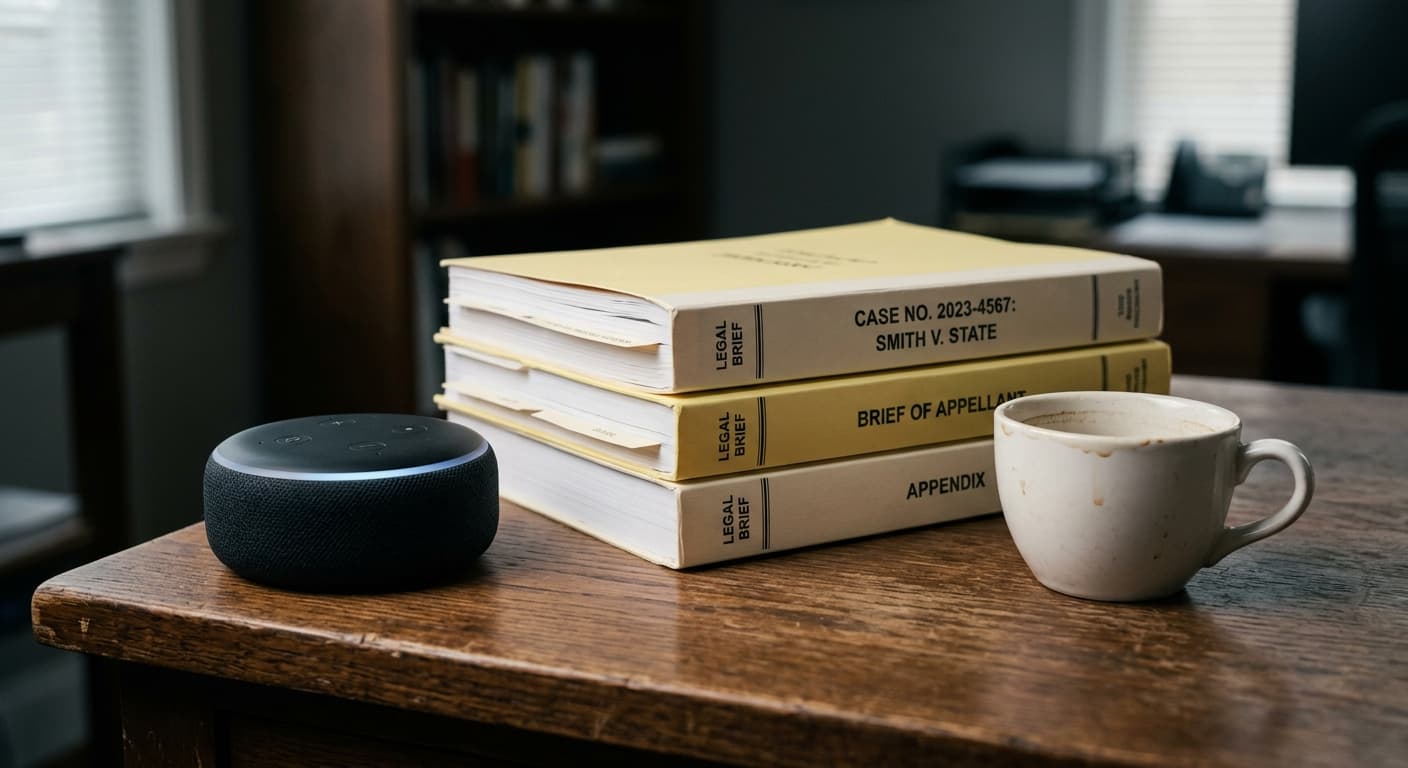
California will bar manufacturing or selling any toy built with a companion chatbot, marketed to children, under a new law running through January 1, 2031. The Governor approved it September 10, 2026, as Chapter 189, Statutes of 2026.
Information last verified on September 21, 2026.
This article covers California state law only. SB 867 is a California statute; it does not apply in other states, and no comparable federal law is addressed here.
What Happened
On September 10, 2026, California's Governor approved Senate Bill 867, authored by Senator Padilla with Senator Rubio as principal coauthor. It was chaptered the same day as Chapter 189, Statutes of 2026. The official title, per the Legislature's bill status page, is "An act to amend Section 22601 of, and to add and repeal Section 22604.5 of, the Business and Professions Code, relating to business regulations," topic line "Toys: companion chatbots."
Introduced January 5, 2026, the bill went through the ordinary committee and floor process before the Senate concurred in Assembly amendments on August 31, 2026, Ayes 39, Noes 0. It was enrolled and presented to the Governor on September 9, 2026, and approved the next day.
SB 867 amends Section 22601 of the Business and Professions Code and adds new Section 22604.5. Both sit in the code chapter California already uses to regulate companion chatbots, the same chapter that requires platform operators to disclose that users are talking to an AI system and to follow safety protocols for minors.
What the Law Actually Requires
The operative text of new Section 22604.5 reads: "No person shall manufacture, sell, or exchange, possess with intent to sell or exchange, or expose or offer for sale or exchange to any retailer any toy that includes a companion chatbot." That single sentence is the entire substantive rule, and it reaches the full supply chain, from manufacture through possession for sale and an offer to a retailer, not only a completed sale to a parent or child.
Two amended definitions in Section 22601 control who it covers. A "toy" is "a physical product designed, marketed, or manufactured for use in play by children under 16 years of age," the source of the "marketed to children" threshold. A "companion chatbot" keeps the definition already in Section 22601 for that chapter's platform rules: "an artificial intelligence system with a natural language interface that provides adaptive, human-like responses to user inputs and is capable of meeting a user's social needs, including by exhibiting anthropomorphic features and being able to sustain a relationship across multiple interactions," excluding customer-service bots, video-game-specific bots, and voice assistants that don't sustain an ongoing relationship. For the state's broader AI statutes, see recordinglaw.com's California AI laws overview and the national AI laws hub.
Section 22604.5 carries a built-in expiration, the "add and repeal" structure named in the bill's own title: "This section shall remain in effect only until January 1, 2031, and as of that date is repealed." That repeal date is explicit. The text does not separately state when the ban begins. SB 867 carries no urgency clause and no two-thirds urgency vote in its history, only the ordinary 39-0 concurrence vote, so California's general constitutional default for non-urgency statutes applies: under article IV, section 8(c) of the California Constitution a statute enacted at a regular session takes effect on the January 1 following a 90-day period from enactment, which for a bill chaptered on September 10, 2026 means January 1, 2027. That start date follows from the standard rule, not a sentence written into this bill, and it puts the working prohibition window at January 1, 2027 through January 1, 2031.
The chaptered text lists no exemptions, no carve-out for educational toys, pre-enactment inventory, or small sellers.
SB 867 creates no new regulator or state-collected penalty. The Legislative Counsel's Digest describes violations as subject to "the same civil liability as violations of the provisions applicable to operators of companion chatbots," the existing Section 22605 private right of action: injunctive relief, damages equal to the greater of actual damages or $1,000 per violation, and reasonable attorney's fees and costs. Readers tracking how states regulate children's data and online safety more broadly can also see the children's online privacy by state page and the age verification laws overview.
How It Differs From SB 1119
SB 867 is a separate law from Senate Bill 1119, even though the Governor approved both on the same day. SB 1119, titled "Companion chatbots: children's safety," was chaptered as Chapter 190, Statutes of 2026. It amends Section 22602 of the Business and Professions Code and adds a new Chapter 11.6, beginning at Section 21810.
The distinction that matters: SB 867 regulates a physical product, banning manufacture and sale of a toy with a companion chatbot built in. SB 1119 regulates companion chatbot platforms and services more broadly, adding child-safety obligations under a different chapter of the code. A parent asking whether a toy can legally be sold in California is asking an SB 867 question; a parent asking what safety features an AI chat app must build in is asking an SB 1119 question. This article does not summarize SB 1119's substantive requirements.
Analysis: Why This Matters
The following is analysis from the Recording Law Editorial Team.
SB 867 is narrow by design. It does not touch companion chatbot apps, websites, or voice assistants generally, and it does not touch every AI-enabled toy, only one meeting the chapter's specific companion-chatbot definition. It also does not run indefinitely: the Legislature chose a four-year window that ends automatically unless a later statute extends or repeals it, a different choice than the open-ended operator obligations elsewhere in the same chapter.
The enforcement design stands out too. Rather than a state agency review process, licensing scheme, or state-collected penalty, SB 867 routes enforcement through the private right of action already written for companion chatbot operators. The practical enforcement of this toy ban will run through that same civil litigation mechanism, not a product-recall authority.
How This Affects You
For parents and caregivers, once SB 867 is in effect, a toy sold in California is not supposed to include a companion chatbot as the statute defines it. Not every AI-enabled toy qualifies; the definition turns on adaptive, human-like responses and a sustained relationship, not simply on whether a toy uses AI in some form.
For manufacturers, importers, and retailers, a product line built around a companion chatbot faces a statutory bar on manufacture and sale in California during the covered window, enforced through civil liability rather than pre-market approval. Anyone making design, sourcing, or retail decisions should read the chaptered text and current Sections 22601, 22604.5, and 22605 directly and confirm the operative-date question above, rather than relying on any secondary summary, including this one. Nothing here is legal advice.
This article is for general informational purposes only and does not constitute legal advice. Laws change, and this summary reflects the bill text as read on the dates noted above. Consult a licensed California attorney for advice about a specific product or situation.
Last updated: 2026-09-21. This is a developing story; details verified as of 2026-09-21.
Frequently Asked Questions
What exactly does SB 867 ban?
Business and Professions Code Section 22604.5, added by SB 867, prohibits manufacturing, selling, exchanging, possessing with intent to sell or exchange, or offering to a retailer any toy that includes a companion chatbot. The prohibition is written to cover the full supply chain, from manufacture through retail offer, not just the final retail sale.
How does the law define a "toy"?
The amended Section 22601 defines a toy as a physical product designed, marketed, or manufactured for use in play by children under 16 years of age. That age threshold applies to how the product is designed, marketed, or manufactured, not to who ultimately buys or receives it.
What counts as a "companion chatbot" under the law?
Section 22601 defines a companion chatbot as an artificial intelligence system with a natural language interface that provides adaptive, human-like responses and is capable of meeting a user's social needs, including through anthropomorphic features and the ability to sustain a relationship across multiple interactions. The definition excludes things like customer service bots, video-game-specific bots, and voice assistants that do not sustain an ongoing relationship.
When does the ban start and when does it end?
The bill text sets a firm repeal date: Section 22604.5 remains in effect only until January 1, 2031, when it is automatically repealed. The bill text does not contain a separate sentence setting its start date. Because SB 867 has no urgency clause, California's general constitutional rule for non-urgency statutes would place its operative date at January 1, 2027, the January 1 following the year it was enacted.
Are there any exemptions written into SB 867?
Reading Section 22604.5 as chaptered, it does not list any exemptions to the manufacture-and-sale prohibition. It also does not carve out categories like educational toys, imported toys, or toys already in inventory.
How is SB 867 enforced, and what is the penalty?
The Legislative Counsel's Digest states that a violation of the bill is subject to the same civil liability that already applies to violations involving companion chatbot operators. That existing provision, Section 22605, gives an injured person the right to sue for injunctive relief, damages equal to the greater of actual damages or $1,000 per violation, and reasonable attorney's fees and costs.
Is SB 867 the same law as SB 1119?
No. They are two separate bills that the Governor approved on the same day, September 10, 2026. SB 867 (Chapter 189, Statutes of 2026) amends Section 22601 and adds Section 22604.5 to prohibit companion-chatbot toys. SB 1119 (Chapter 190, Statutes of 2026) amends Section 22602 and adds a new Chapter 11.6 starting at Section 21810, addressing child-safety requirements for companion chatbot platforms generally. They share a subject area but regulate different things.
Does SB 867 apply outside California?
No. SB 867 amends California's Business and Professions Code and applies as California state law. It does not itself create a national rule, and this article covers California law only.
Updates
Independently fact-checked against the cited primary sources
Sources and References
- California Legislative Information: SB 867 (2025-2026) Bill Status(leginfo.legislature.ca.gov).gov
- California Legislative Information: SB 867 (2025-2026) Chaptered Bill Text(leginfo.legislature.ca.gov).gov
- California Business and Professions Code Section 22601 (pre-amendment text; SB 867's amendments not yet reflected as of publication, September 21, 2026)(leginfo.legislature.ca.gov).gov
- California Legislative Information: SB 1119 (2025-2026) Bill Status(leginfo.legislature.ca.gov).gov
- California Business and Professions Code Section 22605 (private right of action and remedies)(leginfo.legislature.ca.gov).gov