Why Do Police Touch Your Tail Lights? Myth vs. Reality
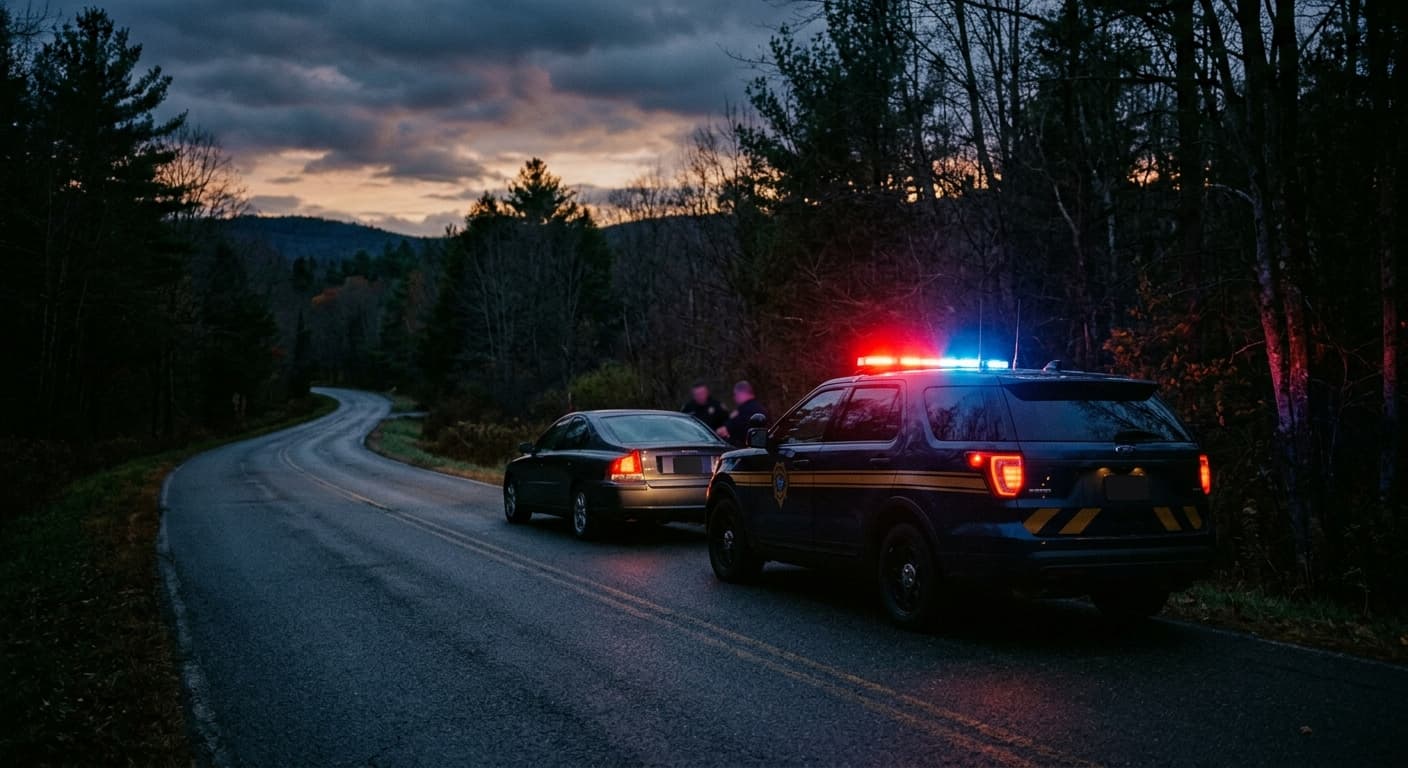
If you have ever watched an officer walk up to a stopped car and tap the tail light on the way to the driver's window, you have probably heard the explanation that gets repeated online: the officer is leaving a fingerprint on your car so there is evidence they were there if something goes wrong. That explanation is close to what police sources actually say, but the version that spreads online usually gets the point of it backwards. It is not about building a case against you. It is about protecting the officer.
This article separates what fact-checkers and law enforcement training sources actually say from the folklore, and explains what the practice does and does not mean for you at a stop.
The Explanation Police Sources Actually Give
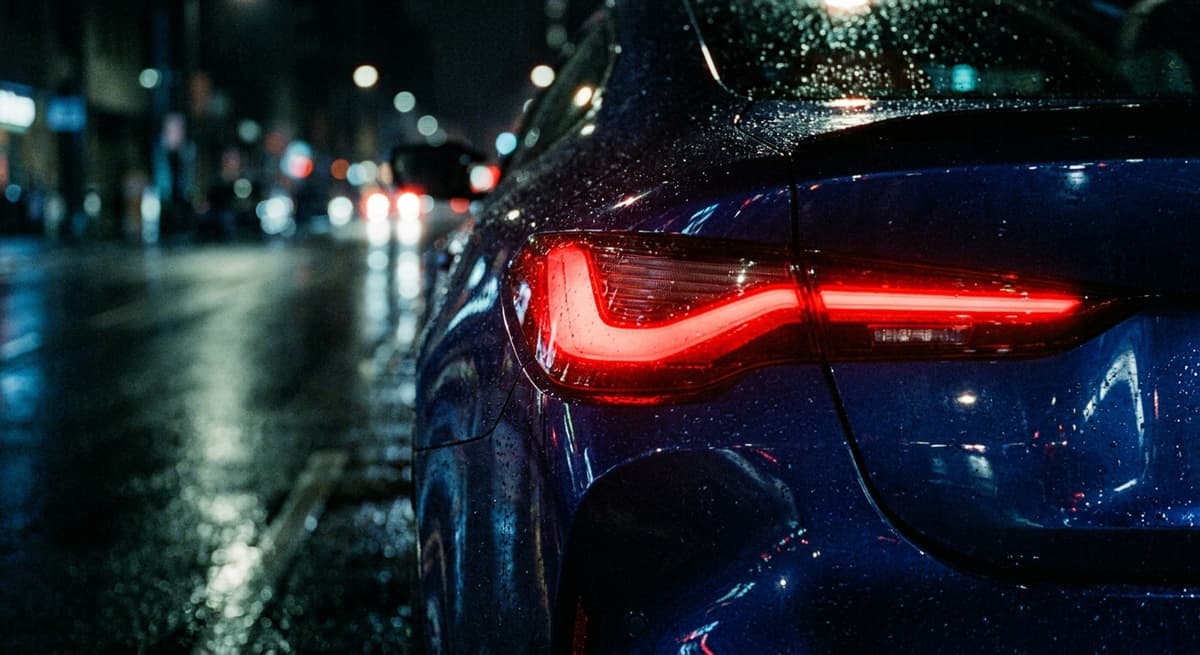
The most commonly cited origin is straightforward: an officer touches the tail light, trunk lid, or another spot on the rear of the car to leave a latent fingerprint on the vehicle. If the stop turns dangerous, such as the driver fleeing or the officer being assaulted or injured, that print is physical proof the officer made contact with that specific car.
This is not just an internet rumor. The fact-checking site Snopes investigated the claim and rated it true, citing William Johnson, executive director of the National Association of Police Organizations, who confirmed officers do touch the rear of a car for this reason and that it is something new officers learn, even if it is not always taught formally in every academy.
Retired New Jersey State Police Academy instructor Nick Fresolone gave the same explanation to Jalopnik and SlashGear, describing the tail-light tap as a way to leave what may be the only evidence of an officer's presence if the encounter goes wrong and there is no other record of it. Criminal defense attorney Joe Hoelscher, also quoted by SlashGear, described it as an old-school way to tag a car so it can be identified as the vehicle involved in the stop if the officer is later incapacitated.
The important distinction: this fingerprint is meant to protect the officer's own record of presence, not to collect evidence against the driver. Nothing in these sources describes it as evidence used in a criminal case against the person pulled over.
Other Reasons Officers Give
Fingerprinting is the most-cited reason, but it is not the only one. Sources describe two additional, safety-related purposes for the tap:
- Confirming the trunk is latched. A tap on the trunk lid or rear panel can confirm it is closed and secure, reducing the chance that someone is hiding inside or could pop it open behind the officer during the stop.
- A brief startle effect. A sudden, unexpected sound behind the car can cause occupants to instinctively glance toward the mirror or turn around, giving the officer a short window to see hands, movement, or anything being hidden before reaching the window.
Both of these are framed as officer-safety tactics tied to the vulnerable moment when an officer walks up to a car they know little about. General law enforcement training on the approach phase of a stop, such as guidance published by Police1, emphasizes that officers are taught specific positioning and observation techniques precisely because the approach is one of the higher-risk moments of a stop for both the officer and the people in the car.
Is This Still Taught and Practiced Today?
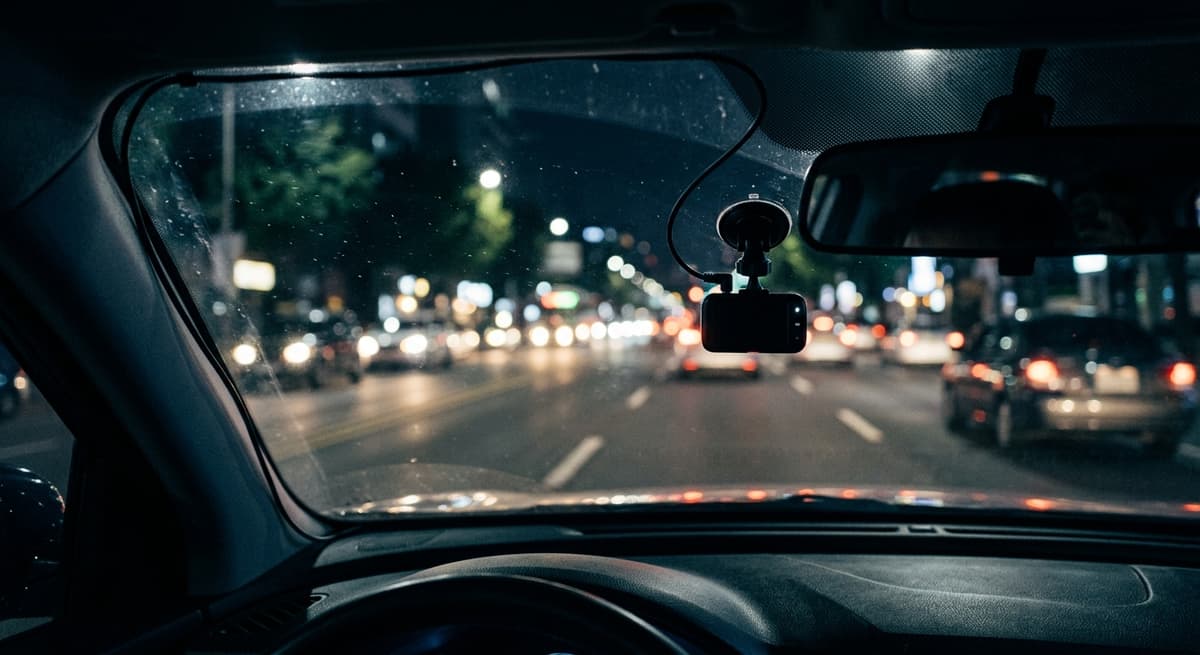
Not as consistently as it once was. Multiple sources note that dash cameras, body-worn cameras, and roadside surveillance now document the vast majority of traffic stops automatically, which removes much of the original need for a manual fingerprint as a backup record. Reporting on the practice describes some departments as having moved away from formally teaching it for that reason, while other instructors, including Fresolone, still see value in it as a low-cost backup in case of a technology failure.
In practice, this means the tail-light tap has become inconsistent. Some officers still do it out of habit or training. Many do not. Whether an officer taps your tail light says very little about the stop itself; it mostly reflects that individual officer's training and habits.
The Part That Is Folklore, Not Fact
Where this topic tends to go wrong online is in the framing that the fingerprint is somehow evidence against the driver, or that a leftover print makes your next stop worse, or that you should wipe it off. None of the sources examined for this article support any of that. The fingerprint story, as police sources describe it, exists to document the officer's presence for the officer's own protection, not to build a case against the person who was pulled over. There is no documented mechanism by which a leftover fingerprint on your bumper affects how a different officer treats you at a later stop, and no credible source claims otherwise.
It is also worth noting, as one of the sources above points out, that fingerprint identification itself is a forensic tool with real limitations. A print on a dusty tail light is not the kind of definitive, courtroom-ready evidence that popular retellings of this story sometimes imply.
Can You Stop an Officer From Touching Your Car?
An officer touching the exterior of a vehicle they have lawfully stopped, such as the tail light, trunk, or bumper, is not a search of you or the car's contents, and it is not something the law requires your permission for. You cannot physically prevent it, and trying to would create a safety problem that has nothing to do with the actual issue of whether the practice is a good idea.
If you are concerned about your rights during a stop, the meaningful protections are the ones that actually govern the interaction: you generally have the right to remain silent beyond identifying yourself, and you can decline to consent to a search of your vehicle. The ACLU's guide to police stops is a useful starting point for understanding what you can and cannot be asked to do during a stop, and RecordingLaw.com's state-by-state recording laws guide covers your right to record the interaction on your phone, which is a separate and much more consequential question than whether an officer taps your tail light.
Frequently Asked Questions
Do police really touch tail lights to leave fingerprints?
Multiple police sources, including a retired police academy instructor and the National Association of Police Organizations, describe this as a real, documented practice. Snopes rated the claim true. The print is meant to document the officer's presence in case the stop turns dangerous, not to serve as evidence against the driver.
Is touching your tail light a way for police to plant evidence against you?
No source supports this idea. The fingerprint explanation described by police sources is about proving the officer was present at that vehicle if something happens to the officer, not about collecting evidence to use against the driver.
Should I wipe off the fingerprint after a traffic stop?
There is no evidence this helps you in any way, and no credible source suggests a leftover fingerprint affects how a later officer treats you. Removing it is unlikely to matter either way.
Can I stop an officer from touching my car during a stop?
No. An officer touching the exterior of your car during a lawful stop is not a search and does not require your consent. Physically blocking it would create a safety issue without any legal benefit.
Do all police officers still do this?
No. Sources describe the practice as increasingly inconsistent since dash cameras and body cameras now document most stops automatically. Some departments no longer formally teach it, while some officers still do it out of habit or older training.
What actually matters for my rights during a traffic stop?
Whether an officer taps your tail light has no bearing on your rights. What matters is that you generally have the right to remain silent beyond identifying yourself and the right to decline consent to a search, along with your state's rules on recording the interaction.
Updates
Full rewrite (2026): separated the widely-repeated fingerprint-evidence claim from the documented reasons officers tapped the rear of a stopped car, explained why the practice is now largely obsolete with dashcams and body cameras, and added sourcing. Refreshed with new topic-relevant images.
Sources and References
- Snopes fact-check: Police Officers Touch Taillights of Cars They Pull Over to Leave Fingerprints (rated True)(snopes.com)
- SlashGear: Why Do Cops Touch Your Tail Lights If You Get Pulled Over?(slashgear.com)
- Jalopnik: Why Cops Tap Your Car's Tail Lights During A Traffic Stop(jalopnik.com)
- Police1: Essential safety tactics for the four primary phases of a traffic stop(police1.com)
- ACLU: Know Your Rights - Stopped by Police(aclu.org)