
Arkansas
Arkansas Pepper Spray and Stun Gun Laws (2026)
Independently fact-checked against primary sources (last audited September 23, 2026). · 9 primary sources cited on this page. How we verify our legal content
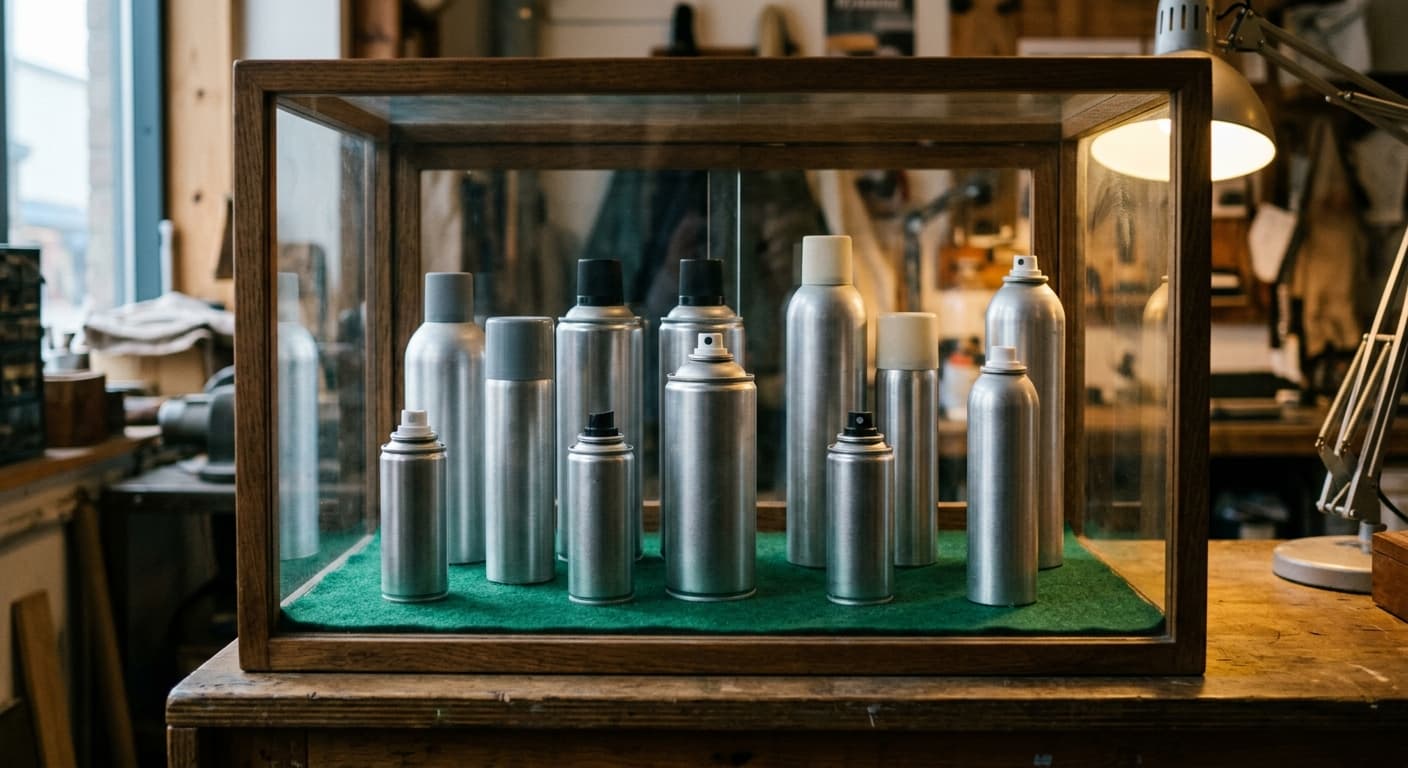
Arkansas allows both pepper spray and a stun gun for self-defense, but layers on several separate rules. Pepper spray is lawful only in a container no larger than 300 milliliters, about 10.1 fluid ounces, used for self-defense; a device built to discharge tear gas or pepper spray is named in the same possession offense rather than the size-based exemption. A stun gun cannot be purchased or possessed by anyone who is "eighteen (18) years of age or under," which puts the effective floor at 19. A loaded firearm or other deadly weapon is barred from publicly owned buildings and the State Capitol grounds, though not from a municipally owned park or ballfield, and a stun gun, or depending on how it is used or intended to be used a pepper spray canister, can fall within Arkansas's deadly-weapon definition; furnishing a deadly weapon to someone under 18 without a parent's or guardian's consent is a separate offense.
Jurisdiction scope: This page covers Arkansas state law only, principally Ark. Code Ann. §§ 5-73-124, 5-73-133, 5-73-122, 5-73-109, 5-73-101, 5-1-102, and 5-73-128. It does not cover Arkansas's concealed-carry handgun permit statutes or local municipal ordinances.
Is pepper spray legal in Arkansas?
Yes, but only within a specific limit that most states do not impose. Ark. Code Ann. § 5-73-124, "Tear gas - Pepper spray," opens: "Except as otherwise provided in this section, any person who knowingly carries or has in his or her possession any tear gas or pepper spray in any form, or any person who knowingly carries or has in his or her possession any gun, bomb, grenade, cartridge, or other weapon designed for the discharge of tear gas or pepper spray, upon conviction is guilty of a Class A misdemeanor." The exemption that makes ordinary carrying lawful is narrow: subsection (a)(2)(A) states, "It is lawful for a person to possess or carry, and use, a container of tear gas or pepper spray to be used for self-defense purposes only," and (a)(2)(B) caps it: "the capacity of the container shall not exceed three hundred milliliters (300 ml)," about 10.1 fluid ounces, a limit Act 566 of 2021 raised from the original 150 cubic centimeters. Two categories are separately exempted from the possession offense altogether under subsection (b): a law enforcement officer engaged in official duties, and a banking institution that wants tear gas or pepper spray on hand to protect funds in its custody from theft or robbery. A device, gun, bomb, grenade, or cartridge built to discharge tear gas or pepper spray is named alongside ordinary tear gas or pepper spray in the same subsection (a)(1) offense, and the self-defense exemption in (a)(2) is written for "a container," so a discharge device is not the kind of item that exemption describes.
The statute sets no age minimum for the self-defense container exemption itself, but that does not mean a minor may freely be given pepper spray. Ark. Code Ann. § 5-73-109(a) makes it an offense to sell, barter, lease, give, rent, or otherwise furnish "a firearm or other deadly weapon" to a minor, defined at § 5-73-101(10) as anyone under eighteen, "without the consent of a parent, guardian, or other person responsible for general supervision of the minor's welfare," a Class A misdemeanor under (b)(1). "Deadly weapon" is defined at § 5-1-102 to include "anything that in the manner of its use or intended use is capable of causing death or serious physical injury," a definition broad enough to reach a canister of pepper spray. An adult who hands pepper spray to someone under 18 without that consent risks this furnishing offense, even though the minor's own possession is not separately addressed by § 5-73-124.
Is a stun gun legal in Arkansas?
Yes, with an age line phrased around the person's own age rather than a birthday cutoff. Ark. Code Ann. § 5-73-133, "Possession of a taser stun gun," defines the device functionally: "As used in this section, 'taser stun gun' means any device that: (1) [i]s powered by an electrical charging unit such as a battery; and (2) [e]ither: (A) [e]mits an electrical charge in excess of twenty thousand (20,000) volts; or (B) [i]s otherwise capable of incapacitating a person by an electrical charge." That definition opens "As used in this section," so it governs § 5-73-133 alone. The possession rule reads: "No person who is eighteen (18) years of age or under may purchase or possess a taser stun gun." Because the bar covers anyone "eighteen (18) years of age or under" rather than "under 18," a person who is eighteen years of age is inside the prohibition, so the effective legal floor in Arkansas is 19.

The statute separately restricts the sale side: "No person shall sell, barter, lease, give, rent, or otherwise furnish a taser stun gun to a person who is eighteen (18) years of age or under." No permit or license is required for someone 19 or older to buy, own, or carry a stun gun.
Restricted places and penalties
Arkansas bars carrying either device, along with any other deadly weapon, in certain government locations. Ark. Code Ann. § 5-73-122(a)(1) states: "Except as provided in §§ 5-73-322, 5-73-306(5), 16-21-147, and this section, it is unlawful for a person other than a law enforcement officer, either on-duty or off-duty, a security guard in the employ of the state or an agency of the state or any city or county, a member of a municipal fire department bomb squad who is authorized to carry a concealed handgun under § 12-15-204, or any state or federal military personnel, to knowingly carry or possess a loaded firearm or other deadly weapon in any publicly owned building or facility or on the State Capitol grounds." "Deadly weapon" is defined at § 5-1-102 to mean "a firearm or anything manifestly designed, made, or adapted for the purpose of inflicting death or serious physical injury," or "anything that in the manner of its use or intended use is capable of causing death or serious physical injury." A stun gun, and depending on the circumstances a pepper spray canister, can fall within that functional definition, so carrying either into a publicly owned building or onto the State Capitol grounds can expose a person to this offense in addition to the device-specific rules above. Subsection (a)(4) states that, as used in this offense, "facility" does not mean a municipally owned or maintained park, football field, baseball field, soccer field, or another similar municipally owned or maintained recreational structure or property, so carrying either device onto that kind of property is not this offense. Section 5-73-122 lists several other exceptions, including for a shooting match or target practice authorized by the agency responsible for the building or grounds. Violating § 5-73-122 is a Class C misdemeanor under subsection (c), the lowest misdemeanor class in this chapter.
Furnishing either device to a minor carries its own penalty. Furnishing a deadly weapon to a minor without a parent's or guardian's consent is a Class A misdemeanor under § 5-73-109(b)(1), rising to a Class B felony under (b)(2) only for a specific enhanced list of weapons, a handgun, certain explosive or incendiary devices, metal knuckles, a defaced firearm, or another implement for inflicting serious injury or death that serves no lawful purpose, that does not include ordinary pepper spray or a stun gun. Separately, § 5-73-128 strips driving privileges for not less than 12 nor more than 36 months from a person under 19 who pleads guilty or nolo contendere to, or is found guilty of, an offense under Arkansas's weapons chapter, which includes both § 5-73-124 and § 5-73-133, if the offense was committed on public school property or a school bus, in addition to any other penalty for the offense itself.
Penalties for the two devices otherwise follow different scales. Possessing tear gas or pepper spray outside the 300 ml self-defense exemption, or possessing a device designed to discharge either one, is a Class A misdemeanor under § 5-73-124. For a stun gun, § 5-73-133(d) sets two different tiers: a person 18 or under who purchases or possesses one commits an unclassified misdemeanor punishable by a fine of not less than $500 nor more than $1,000, while a person who sells, barters, leases, gives, rents, or otherwise furnishes a stun gun to someone 18 or under commits a Class B felony, a markedly harsher penalty aimed at the adult on the selling side of that transaction rather than the minor.
Federal law: what it does and does not reach
No federal statute regulates a civilian's purchase or possession of pepper spray or a stun gun. Federal law matters in three places.
Federal buildings. Under 18 U.S.C. § 930(a), whoever knowingly possesses or causes to be present "a firearm or other dangerous weapon in a Federal facility (other than a Federal court facility)" faces a fine, imprisonment of up to 1 year, or both. Subsection (e) sets up to 2 years for a federal court facility, and subsection (b) up to 5 years where the weapon is intended to be used in a crime. Section 930(g)(2) defines the term:
The term "dangerous weapon" means a weapon, device, instrument, material, or substance, animate or inanimate, that is used for, or is readily capable of, causing death or serious bodily injury, except that such term does not include a pocket knife with a blade of less than 2½ inches in length.
The definition names neither device. Whether a particular spray or stun gun is "readily capable of" causing serious bodily injury is a question of fact the statute does not answer. Subsection (d)(3) exempts "the lawful carrying of firearms or other dangerous weapons in a Federal facility incident to hunting or other lawful purposes," and subsection (h) requires notice of the ban to be posted at each public entrance. A "Federal facility" is "a building or part thereof owned or leased by the Federal Government, where Federal employees are regularly present for the purpose of performing their official duties."
Air travel. The Transportation Security Administration's screening rules, which are agency policy rather than statute, bar both devices from carry-on bags. One 4 fl. oz. (118 ml) container of mace or pepper spray is permitted in checked baggage if it has a safety mechanism to prevent accidental discharge, and sprays containing more than 2 percent by mass of tear gas (CS or CN) are prohibited in checked baggage. Tasers, stun guns and other electro-shock weapons may travel in checked baggage only if transported so the device cannot discharge accidentally. Airlines may set stricter rules.
National parks. National Park Service regulations prohibit possessing, carrying or using a "weapon" in a park area except as the regulations provide (36 CFR 2.4(b)(1)). 36 CFR 1.4 defines "weapon" to include an "irritant gas device" and any "weapon the possession of which is prohibited under the laws of the State in which the park area or portion thereof is located."
Disclaimer: This article provides general legal information about Arkansas's pepper spray and stun gun laws. It is not legal advice. Consult a lawyer licensed in Arkansas for advice about a specific situation.
For a state-by-state comparison, see pepper spray and stun gun laws by state. Arkansas's self-defense statutes are covered separately on the Arkansas self-defense laws page.
Last updated: 2026-09-22.
Frequently Asked Questions
Is pepper spray legal to carry in Arkansas?
Yes, if it is possessed for self-defense purposes only and the container does not exceed 300 milliliters, about 10.1 fl. oz. Ark. Code Ann. 5-73-124 makes possessing tear gas or pepper spray outside that exemption, or possessing a device designed to discharge it, a Class A misdemeanor.
What is the size limit for pepper spray in Arkansas?
300 milliliters, about 10.1 fluid ounces, under the self-defense exemption in 5-73-124(a)(2)(B), a cap Act 566 of 2021 raised from the original 150 cubic centimeters. A container larger than that, or a gun, bomb, grenade, or cartridge designed to discharge tear gas or pepper spray, falls outside the exemption and is a Class A misdemeanor to possess.
What age do you have to be to buy a stun gun in Arkansas?
19. Ark. Code Ann. 5-73-133 bars purchase or possession by anyone who is 'eighteen (18) years of age or under,' so an eighteen-year-old is inside the bar and the effective floor is 19.
What is the penalty for selling a stun gun to a minor in Arkansas?
A Class B felony under 5-73-133(d)(2). That is far more severe than the penalty for the minor's own violation, an unclassified misdemeanor with a $500 to $1,000 fine for purchasing or possessing one while 18 or under.
Can you carry pepper spray or a stun gun in an Arkansas government building?
Ark. Code Ann. 5-73-122(a)(1) bars carrying or possessing a loaded firearm or 'other deadly weapon' in any publicly owned building or facility or on the State Capitol grounds, a Class C misdemeanor, with exceptions for law enforcement, certain security guards, certain fire department bomb squad members, and military personnel. A stun gun, and depending on the circumstances a pepper spray canister, can fall within Arkansas's functional deadly-weapon definition at 5-1-102. Subsection (a)(4) excludes a municipally owned park, ballfield, or similar recreational property from the meaning of 'facility,' so carrying either device there is not this offense.
Updates
Independently fact-checked against the cited primary sources
Sources and References
- Ark. Code § 5-73-124 (as amended by Act 566 of 2021) - Tear gas - Pepper spray (300 ml self-defense exemption, Class A misdemeanor, law enforcement/banking exceptions)(arkleg.state.ar.us).gov
- Ark. Code Ann. § 5-73-133 (as enacted by Act 2153 of 2005) - Possession of a taser stun gun (age floor, sale/furnishing penalties)(arkleg.state.ar.us).gov
- Ark. Code § 5-73-122(a)(1)-(2) (as amended by Act 166 of 2023) - Carrying a firearm or deadly weapon in publicly owned buildings or facilities(arkleg.state.ar.us).gov
- Ark. Code § 5-73-122(a)(4) (as amended by Act 693 of 2021) - Definition of "facility" excludes a municipal park or ballfield(arkleg.state.ar.us).gov
- Ark. Code Ann. § 5-73-109 (as amended by Act 1051 of 2019) - Furnishing a deadly weapon to a minor(arkleg.state.ar.us).gov
- Ark. Code Ann. § 5-1-102 - Definitions, deadly weapon (Arkansas Code Annotated via LexisNexis, the Arkansas General Assembly's designated Code access point)(lexisnexis.com)
- Ark. Code Ann. § 5-73-128 - Offenses upon property of public schools, driving-privilege suspension (Arkansas Code Annotated via LexisNexis, the Arkansas General Assembly's designated Code access point)(lexisnexis.com)
- 18 U.S.C. § 930 - Possession of firearms and dangerous weapons in Federal facilities(law.cornell.edu)
- Transportation Security Administration - What Can I Bring? Pepper Spray(tsa.gov).gov
- Transportation Security Administration - What Can I Bring? Stun Guns/Shocking Devices(tsa.gov).gov
- 36 CFR 1.4 - National Park Service definitions (weapon)(ecfr.gov).gov
- 36 CFR 2.4 - Weapons, traps and nets(ecfr.gov).gov