
Utah
Utah Nursing Home Camera Laws: Monitoring Device Rights
Independently fact-checked against primary sources (last audited August 14, 2026). · 4 primary sources cited on this page. How we verify our legal content
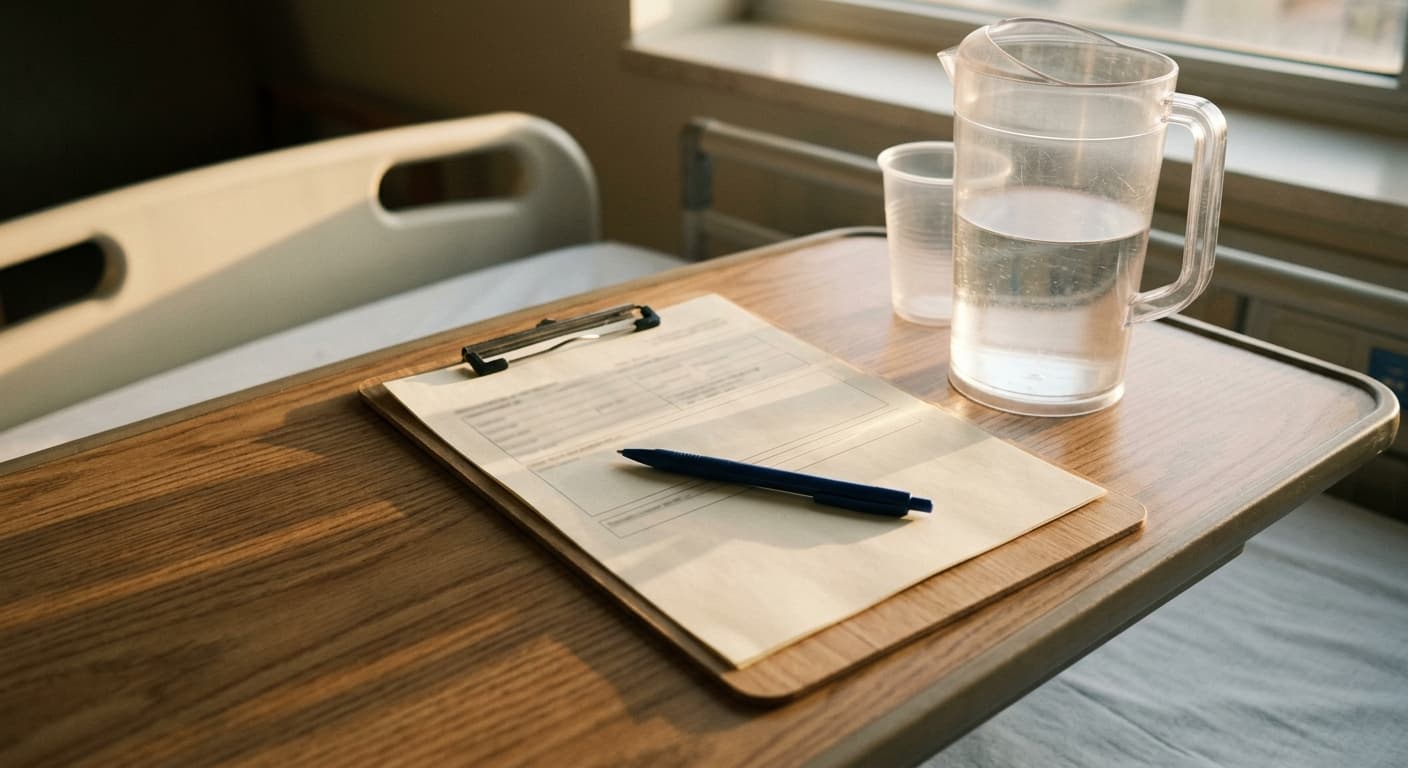
Utah Code section 26B-2-236 lets a resident of an assisted living facility, or a secure memory care unit inside a nursing or medical facility, install a monitoring device, but does not create a right for a resident in a general nursing facility room.
Information last verified on 2026-08-14.
This page covers Utah's monitoring-device statute, including the scope limit that makes it neither a pure "assisted living" law nor a "nursing home" law. For Utah's general recording-consent law, see Utah Recording Laws. See the Nursing Home Camera Laws by State hub for how every state approaches this issue, and the existing 50-state statute comparison table for a side-by-side look at every enacted law.
Does Utah Law Allow Cameras in Nursing Home Rooms?
The answer depends entirely on the care setting, not just the facility's license type. Utah Code section 26B-2-236(1)(a) defines a covered "facility" as "an assisted living facility," or "a secure memory care unit inside of: a nursing care facility, or any other medical or mental health facility." That means Utah's monitoring law covers an assisted living facility in full, and separately reaches a secure memory care unit specifically, but does not create any monitoring right for a resident in an ordinary nursing facility room outside memory care. A family whose relative is in a standard Utah nursing facility room, not in a secure memory care unit, has no statutory right to install a monitoring device under Utah law at all.
What Counts as a "Monitoring Device"
Section 26B-2-236(1) defines a "monitoring device" as a video surveillance camera or a microphone or other audio-capturing device, but explicitly excludes two categories: a device "specifically intended to intercept wire, electronic, or oral communication without notice to or the consent of a party to the communication," meaning a covert wiretap device is carved out of this authorization entirely and governed by Utah's general wiretap law instead, and any device connected to the internet or set up to transmit data via electronic communication. That second exclusion is unusual among states in this comparison: a Wi-Fi nanny-cam-style or internet-streaming camera arguably falls outside this statute's authorization as literally written.
Installing a Device: Consent and the Hour-Specific Roommate Rule
Under section 26B-2-236(2), a resident, or a legal representative if the resident cannot give informed consent, may install and operate a device by notifying the facility in writing of the intent to do so, consenting to any facility-required waiver agreement, obtaining written consent from each roommate, and the roommate's legal representative if any, that specifically states the hours each roommate consents to the device operating, and assuming all costs of installing and operating the device. The hour-specific consent requirement is more granular than most peer states, which typically use a binary consent-or-refuse model rather than a time-scoped one.

Signage Is the Facility's Option, Not a Mandate
Section 26B-2-236(4)(d) states that "a facility may require the resident or the resident's legal representative to place a sign near the entrance of the resident's room that states that the room contains a monitoring device." This is the facility's right to compel signage, not a freestanding requirement that a sign must exist. If a facility does not require it, no sign may be posted at all under this provision, a notable outlier among states in this comparison that mandate room-level signage regardless of the facility's preference.
Covert Recording Is Barred Without a Court Order
Section 26B-2-236(5) closes the loop with the definitional exclusions above: an individual may not operate a monitoring device in a facility without a court order if doing so in secret, or with intent to intercept a communication without notice to or consent of a party to it. A hidden camera, or one aimed at capturing conversations without consent, falls entirely outside this statute's authorization and would need a court order, or a different legal basis entirely, to be lawful.
Who Pays and the Facility's Liability Shield
The resident or legal representative "assumes all responsibility for any cost related to installing or operating the monitoring device." No electricity carve-out for the facility was found in this section, unlike Connecticut, Ohio, Rhode Island or South Dakota. Under section 26B-2-236(3), the facility is not civilly or criminally liable to the resident, roommate, or any other person for claims related to the device's operation "consistent with this part," unless the claim is caused by the facility's own employee or agent conduct.
Retaliation Ban: A "Sole Reason" Standard
Section 26B-2-236(4)(a)-(b) bars a facility from denying admission, or discharging a resident, "for the sole reason" that the individual or their legal representative requested to install or operate a monitoring device. The "sole reason" qualifier makes this narrower than an absolute ban: a facility retains a defense if it can point to any other stated reason for its decision. The facility must also prohibit all of its employees from deactivating, repositioning, or otherwise interfering with a device's operation, though this is a mandate that the facility adopt and enforce an internal policy, not itself a criminal tampering statute with a penalty for third parties generally.
Using Camera Footage as Evidence of Abuse or Neglect
Camera footage that appears to document abuse or neglect in an assisted living facility or secure memory care unit can support a report to Utah's Long-Term Care Ombudsman or Adult Protective Services, and can support a civil claim. Footage alone rarely resolves a claim; it is typically reviewed together with the resident's medical and care records, staffing history and the facility's compliance record.
Harmed by a product or exposure? Speak with an attorney about your options
If you or a loved one may have been harmed, you can speak with an attorney about your legal options at no cost. Whether you have a claim depends on the specific facts. This is attorney advertising, not a guarantee that you qualify or of any particular outcome.
Audio Recording and Utah's General Consent Law
Utah is generally understood as a one-party consent state for recording conversations, and the statute's own cross-references to "notice to or consent of a party to the communication" track that one-party framework. A conversation a device captures outside section 26B-2-236's own authorization, or in a facility setting this statute does not reach, is governed by Utah's general recording-consent law instead. See Utah Recording Laws for that general framework.
Getting Help
Utah's Long-Term Care Ombudsman is a practical first stop for a family whose relative is in a general nursing facility room this statute does not cover, or for anyone navigating a monitoring request, a facility's signage decision, or a suspected abuse or neglect situation.
Related Resources
- Nursing Home Camera Laws by State is the hub page for this cluster, covering every state's regime at a glance.
- The 50-State Nursing Home Camera Law Comparison covers the full 18-state comparison and how Utah's assisted-living-plus-memory-care scope compares to its peers.
- Utah Recording Laws covers the state's general consent framework outside section 26B-2-236.
- Utah Power of Attorney Laws covers how a legal representative gets authority to request monitoring on a resident's behalf.
- Nursing Home Abuse & Neglect covers how an abuse or neglect claim works once evidence, including camera footage, is in hand.
- Surveillance Camera Laws by State covers the general legal framework for security cameras outside an assisted living setting.
Last updated: 2026-08-14.
Frequently Asked Questions
Does Utah's nursing home camera law cover a general nursing facility room?
No. Utah Code section 26B-2-236 covers an assisted living facility in full, and separately covers a secure memory care unit inside a nursing care facility or other medical or mental health facility. A resident in an ordinary nursing facility room who is not in a secure memory care unit has no statutory monitoring right under Utah law.
How does roommate consent work for a monitoring device in Utah?
The resident or legal representative must get written consent from each roommate, and their legal representative if any, that specifically states the hours each roommate consents to the device operating. This hour-by-hour consent requirement is more granular than most other states' binary, on-or-off roommate consent.
Can I use a Wi-Fi or internet-connected camera under Utah's monitoring law?
The statute's definition of "monitoring device" excludes any device connected to the internet or set up to transmit data via electronic communication. A camera meant to stream over Wi-Fi arguably falls outside this statute's authorization as written, and installing one in secret, or with intent to intercept a communication without consent, requires a court order.
Is signage required for a monitored room in Utah?
Not automatically. A facility may require the resident or representative to post a sign near the entrance to the resident's room stating that it contains a monitoring device, but the statute makes this the facility's option, not a freestanding requirement that a sign must exist.
Can a Utah facility deny admission to someone who wants to use a monitoring device?
A facility may not deny admission, or discharge a resident, for the sole reason that the individual or their legal representative requested to install or operate a monitoring device. Because the statute uses a "sole reason" standard, a facility retains a defense if it can point to any other stated reason for its decision.
Who pays for a monitoring device in a Utah facility?
The resident or legal representative assumes all responsibility for the cost of installing or operating the device. No electricity carve-out was found in the statute's text.
Updates
Independently fact-checked against the cited primary sources
The Law Behind This Article
This article rests on the statutory provisions below, held in our own legal record and retrieved from the official source. Tap a section to read the operative text.
Utah Code, Title 26B: Utah Health and Human Services Code
§ 26B-2-236Monitoring device -- Installation, notice, and consent -- Admission and discharge -- Liability.In forcecited in 3 of our articles
(1) As used in this section: (a) "Facility" means: (i) an assisted living facility; or (ii) a secure memory care unit inside of: (A) a nursing care facility; or (B) any other medical or mental health facility. (b) "Legal representative" means an individual who is legally authorized to make health care decisions on behalf of another individual. (c) (i) "Monitoring device" means: (A) a video surveillance camera; or (B) a microphone or other device that captures audio. (ii) "Monitoring device" does not include: (A) a device that is specifically intended to intercept wire, electronic, or oral communication without notice to or the consent of a party to the communication; or (B) a device that is connected to the Internet or that is set up to transmit data via an electronic communication. (d) "Resident" means an individual who receives health care from a facility. (e) "Room" means a resident's private or shared primary living space. (f) "Roommate" means an individual sharing a room with a resident.
Official text (excerpt) · last checked 2026-08-31 · Read the full text in our law library · Verify at le.utah.gov
Also relied on in: Nursing Home Camera Laws by State (2026): Granny Cam Rights, Nursing Home Camera Laws by State
Search our full record of US law — 2.1 million sections, every state + federal →
Sources and References
- Utah Code section 26B-2-236(1), Definitions (facility, monitoring device, exclusions)(le.utah.gov).gov
- Utah Code section 26B-2-236(2), Installation, notice and hour-specific roommate consent(le.utah.gov).gov
- Utah Code section 26B-2-236(4), Admission and discharge; signage; employee interference policy(le.utah.gov).gov
- Utah Code section 26B-2-236(5), Covert recording barred without a court order(le.utah.gov).gov