New Mexico Voyeurism and Hidden Camera Laws: § 30-9-20 Penalties (2026)

New Mexico treats voyeurism and hidden camera offenses as serious crimes. Under N.M. Stat. Ann. § 30-9-20, it is illegal to use any device to view or record another person in a state of undress or engaged in sexual activity in a place where that person has a reasonable expectation of privacy. A separate statute, N.M. Stat. Ann. § 30-37A-1, criminalizes the unauthorized distribution of intimate images.
This guide covers the full scope of New Mexico's voyeurism and hidden camera laws, including what conduct is prohibited, the penalties for each offense, how these laws interact with the state's recording consent rules, and practical guidance for avoiding violations.
New Mexico's Voyeurism Statute: § 30-9-20
What the Law Prohibits
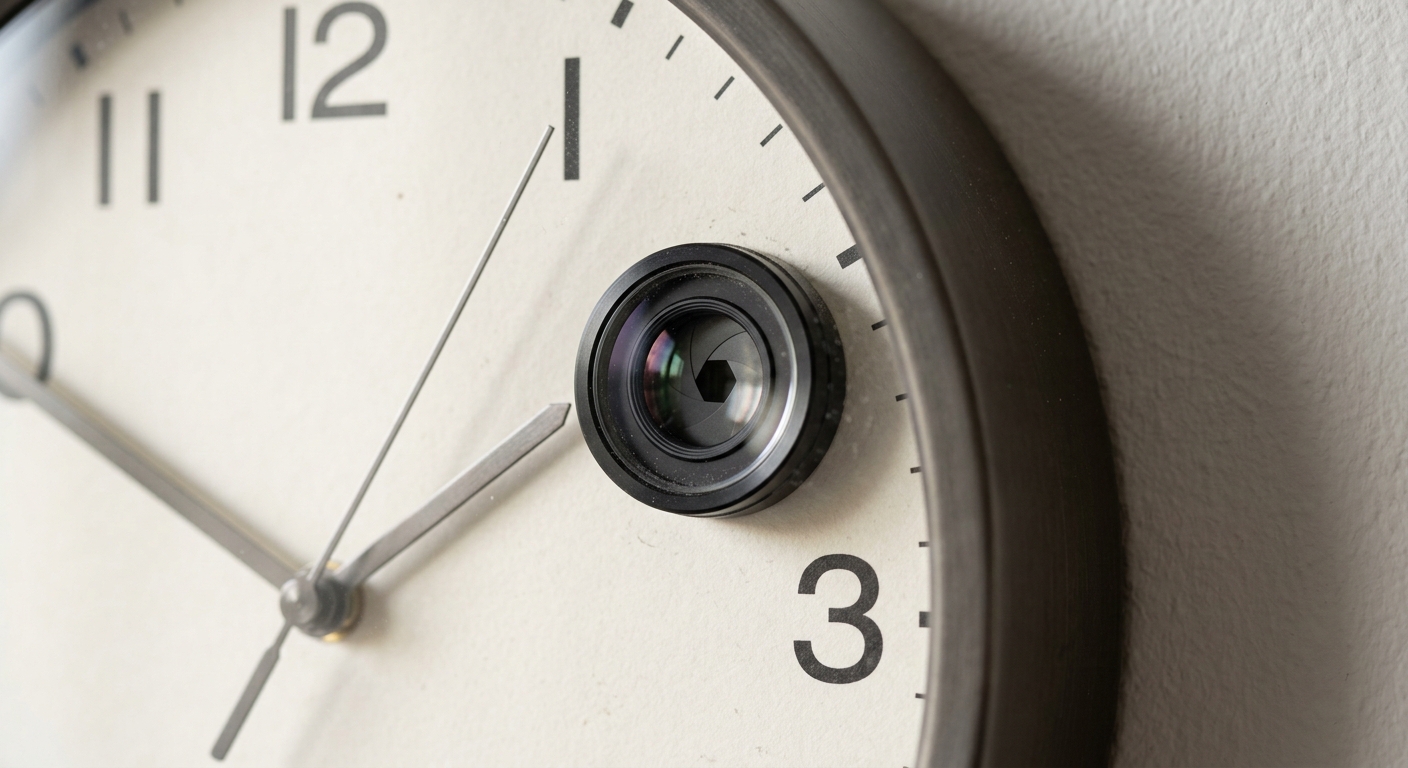
New Mexico's voyeurism law under N.M. Stat. Ann. § 30-9-20 makes it a crime to knowingly use a recording device, camera, or other equipment to capture images of another person when:
- The person is in a state of undress (partially or fully unclothed)
- The person is engaged in sexual activity
- The recording occurs in a place where the person has a reasonable expectation of privacy
- The person has not consented to being recorded
The statute covers both live viewing (peeping) and the creation of recordings (photos, video, or digital images). The key element is the victim's reasonable expectation of privacy in the location where the recording occurs.
What Counts as a "Reasonable Expectation of Privacy"
New Mexico courts evaluate whether a person had a reasonable expectation of privacy based on the specific location and circumstances. Places where a reasonable expectation of privacy generally exists include:
- Bathrooms and restrooms in homes, businesses, and public facilities
- Locker rooms in gyms, pools, and sports facilities
- Changing rooms and dressing rooms in retail stores
- Hotel rooms and motel rooms
- Bedrooms in private residences
- Hospital rooms and medical examination areas
- Tanning booths and spa treatment rooms
Places where a reasonable expectation of privacy generally does not exist:
- Public streets, sidewalks, and parks
- Open retail spaces and shopping areas
- Office common areas
- Restaurant dining areas
- Public government buildings
Upskirting and Concealed Camera Offenses
New Mexico's voyeurism statute covers upskirting, downblousing, and similar tactics where a concealed camera is used to capture images under or through a person's clothing. These offenses can occur even in public locations because the victim has a reasonable expectation of privacy regarding what is beneath their clothing.
Examples of prohibited conduct include:
- Placing a camera on a shoe or low surface to capture images under a skirt or dress
- Using a phone camera to photograph down a person's shirt or blouse
- Installing cameras at angles designed to see through clothing gaps
- Using hidden cameras in locations that provide views under clothing
Penalties for Voyeurism in New Mexico
Criminal Penalties
| Offense | Classification | Maximum Penalty |
|---|---|---|
| Voyeurism (adult victim, first offense) | Misdemeanor | Up to 1 year jail, fine |
| Voyeurism (minor victim) | Enhanced penalties | Varies by circumstances |
| Distribution of voyeuristic images | Additional charges | Varies |
| Pattern of voyeuristic conduct | May be charged as multiple counts | Cumulative penalties |
Sex Offender Registration
Voyeurism convictions in New Mexico can trigger sex offender registration requirements under N.M. Stat. Ann. § 29-11A-3, particularly when:
- The victim is a minor
- The offense involves sexual motivation
- The court determines registration is appropriate based on the facts
Sex offender registration carries severe collateral consequences including residency restrictions, employment limitations, and public notification requirements. The New Mexico Department of Public Safety maintains the state sex offender registry.
Collateral Consequences
Beyond direct criminal penalties, a voyeurism conviction can result in:
- Loss of professional licenses
- Difficulty finding employment
- Immigration consequences for non-citizens
- Loss of child custody or visitation rights
- Civil lawsuits from victims
- Restraining orders and protective orders
Unauthorized Distribution of Intimate Images: § 30-37A-1
What the Law Covers
New Mexico's unauthorized distribution of intimate images law under N.M. Stat. Ann. § 30-37A-1 makes it illegal to intentionally distribute intimate images of another person without that person's consent when the distributor knows or should know that the person depicted did not consent to the distribution.
This law covers:
- Images originally shared privately between partners that are later distributed without consent
- Images obtained through hacking or theft of electronic devices
- Screenshots from private video calls shared publicly
- Any intimate image distributed to cause harm, embarrassment, or distress
Penalties for Unauthorized Distribution
| Offense | Classification | Maximum Penalty |
|---|---|---|
| First offense | Misdemeanor | Up to 1 year jail, fine |
| Subsequent offenses | Fourth-degree felony | Up to 18 months prison |
Relationship to Federal Law
The federal SHIELD Act and various proposed federal laws addressing non-consensual intimate images provide additional layers of protection. New Mexico's state law works alongside these federal efforts to combat image-based abuse.
How Voyeurism Laws Interact with Recording Consent Rules
The Wiretap Statute Does Not Cover In-Person Recording
New Mexico's wiretapping statute under N.M. Stat. Ann. § 30-12-1 covers only "telegraph or telephone" communications. In-person conversations and visual recording are not addressed by the wiretap law. This means the voyeurism statute serves as the primary legal restraint on in-person visual recording in private settings.
The two legal frameworks operate in parallel:
| Activity | Wiretap Statute (§ 30-12-1) | Voyeurism Statute (§ 30-9-20) |
|---|---|---|
| Recording phone calls | One-party consent required | Does not apply |
| In-person audio recording | Not covered | Not covered (audio only) |
| Video in public spaces | Not covered | Not covered |
| Video in private spaces (undress) | Not covered | Prohibited |
| Hidden cameras in bathrooms | Not covered | Prohibited |
When Both Statutes May Apply
If someone records a telephone conversation while also capturing video in a private setting, both the wiretap statute and the voyeurism statute could apply. For example, recording a video call where one participant is in a state of undress without consent could trigger both wiretap liability (for the audio component) and voyeurism charges (for the visual component).
Hidden Cameras: Common Scenarios
Hidden Cameras in Rental Properties
Landlords who install hidden cameras in rental units face criminal voyeurism charges if cameras are placed in areas where tenants have a reasonable expectation of privacy. This includes bathrooms, bedrooms, and any interior living space. Tenants who discover hidden cameras should:
- Document the camera's location with photographs
- Contact local law enforcement immediately
- Contact the New Mexico Attorney General's office for additional resources
- Consult with an attorney about civil remedies
Hidden Cameras in the Workplace
Employers who install hidden cameras in workplace bathrooms, locker rooms, or changing areas violate the voyeurism statute. Employees who discover improper surveillance should report it to HR, law enforcement, and potentially the U.S. Equal Employment Opportunity Commission if the surveillance constitutes workplace harassment.
Hidden Cameras in Hotels and Short-Term Rentals
Hotel guests and short-term rental guests have a reasonable expectation of privacy in their rooms. Hidden cameras in hotel rooms, vacation rentals, or Airbnb properties are illegal under the voyeurism statute. If you find a hidden camera in temporary accommodations, contact local police and the property management company.
Defenses to Voyeurism Charges
Common Legal Defenses
Defendants charged with voyeurism in New Mexico may raise several defenses:
- Consent: The person depicted consented to being recorded
- No reasonable expectation of privacy: The recording occurred in a location where the victim had no privacy expectation
- No knowledge: The defendant did not know the camera was recording (relevant for shared devices)
- Constitutional challenges: Arguments that the statute is overbroad or vague as applied to specific circumstances
What Is NOT a Defense
- The recording was never shared or distributed
- The defendant intended the recording for personal use only
- The defendant was in a relationship with the victim
- The recording equipment was legally purchased
Civil Remedies for Victims
Victims of voyeurism and unauthorized image distribution in New Mexico can pursue civil lawsuits in addition to criminal prosecution. Available civil remedies include:
- Invasion of privacy claims seeking compensatory damages
- Intentional infliction of emotional distress claims
- Injunctive relief ordering the removal of distributed images
- Restraining orders preventing further contact or distribution
Victims can also report violations to the New Mexico Attorney General's Consumer Protection Division for additional enforcement support.
More New Mexico Recording Laws
Audio Recording | Video Recording | Voyeurism & Hidden Cameras | Workplace Recording | Recording Police | Phone Call Recording | Security Cameras | Recording in Public | Landlord-Tenant | Dashcam Laws | Schools | Medical Recording
Sources and References
- N.M. Stat. Ann. § 30-9-20 - Voyeurism(law.justia.com)
- N.M. Stat. Ann. § 30-12-1(nmonesource.com).gov
- NM DPS(dps.nm.gov).gov
- NM Attorney General(nmag.gov).gov
- EEOC(eeoc.gov).gov