Nevada Workplace Recording Laws: Employee and Employer Rights (2026)

Nevada's split consent recording framework creates a two-track system for workplace recording that both employers and employees need to understand. In-person workplace conversations follow one-party consent under NRS 200.650, meaning you can record meetings, discussions with managers, and conversations with coworkers as long as you participate. Workplace phone calls follow all-party consent under NRS 200.620, meaning every person on the call must agree before recording starts.
This guide covers employee recording rights, employer surveillance rules, company policy implications, and the federal protections that may override state-level restrictions.
Employee Recording Rights in Nevada
In-Person Conversations: One-Party Consent
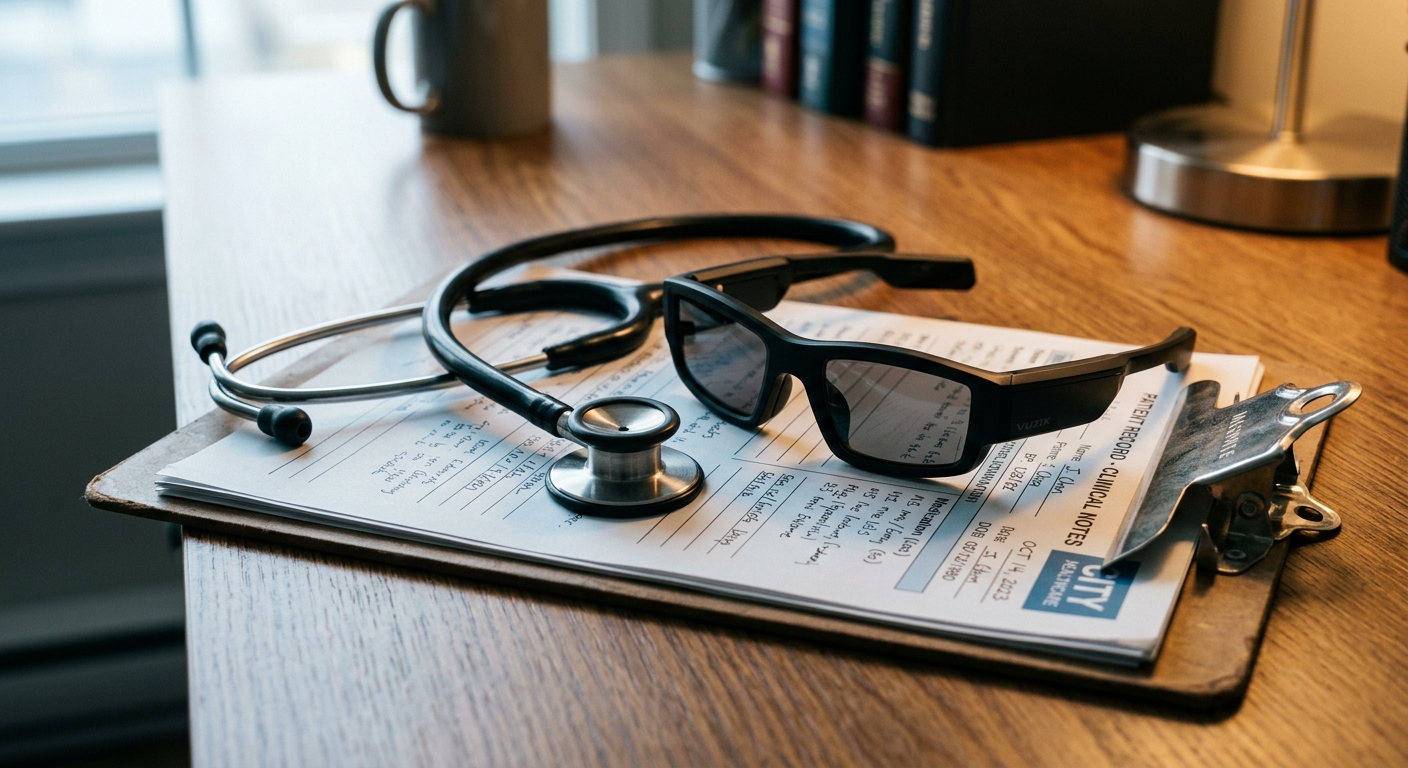
Under NRS 200.650, you can record any in-person workplace conversation you actively participate in. Your own consent is sufficient. You do not need to inform your coworkers, supervisor, or HR department.
This covers:
- One-on-one meetings with your manager
- HR meetings and disciplinary hearings
- Conversations with coworkers at your desk or in common areas
- Performance reviews and evaluations
- Safety discussions and incident reports
- Break room conversations you are part of
The critical requirement is participation. You must be an active participant in the conversation, not simply within earshot. Placing a recording device in a conference room and leaving is illegal eavesdropping, not one-party consent recording.
Phone Calls: All-Party Consent Required
Nevada's all-party consent requirement under NRS 200.620 applies to all workplace phone calls without exception. This includes:
- Calls between employees on office landlines
- Cell phone calls about work matters
- Conference calls and client calls
- Zoom, Teams, Google Meet, and other video conference calls
- VOIP calls through any platform
Recording any workplace phone call without every participant's consent is a Category D felony under NRS 200.690, punishable by 1 to 4 years in prison and fines up to $5,000.
This means an employee who records a conference call to document a manager's behavior has committed a felony if they did not get permission from everyone on the call. The all-party requirement applies regardless of the employee's intent or the reason for recording.
Quick Reference: Workplace Recording Legality
| Situation | Legal? | Consent Rule | Statute |
|---|---|---|---|
| Recording an in-person meeting you attend | Yes | One-party | NRS 200.650 |
| Recording a phone call with everyone's consent | Yes | All-party | NRS 200.620 |
| Recording a phone call without everyone's consent | No (felony) | All-party | NRS 200.620 |
| Recording a Zoom meeting | Only with all-party consent | All-party | NRS 200.620 |
| Recording coworkers' conversation you are not part of | No (felony) | N/A | NRS 200.650 |
| Employer video surveillance in common areas | Yes | No audio consent needed | No specific statute |
| Employer camera in bathroom or locker room | No | N/A | NRS 200.604 |
Employer Surveillance Rights
Video Surveillance
Nevada employers can install video-only surveillance cameras in areas where employees do not have a reasonable expectation of privacy. Permissible locations include:
- Sales floors and retail areas
- Lobbies and reception areas
- Hallways and corridors
- Parking lots and garages
- Warehouse and production areas
- Loading docks
Nevada does not require employers to post signs notifying employees of video surveillance, though many do as a matter of policy and to serve as a deterrent against theft and misconduct.
Prohibited Camera Locations
Cameras are strictly prohibited in locations where employees have a reasonable expectation of privacy:
- Bathrooms and restrooms
- Locker rooms and changing areas
- Nursing and lactation rooms
- Break rooms with closed doors (context-dependent)
- Private offices with closed doors (context-dependent)
Installing cameras in these areas violates NRS 200.604 and can result in gross misdemeanor or felony charges.
Audio Surveillance by Employers
If an employer's surveillance system captures audio, the recording consent requirements apply. For in-person conversations captured by a microphone in a common area, the employer would need to be a participant in the conversation to rely on one-party consent under NRS 200.650. An ambient microphone that records all conversations in a room without any party's consent may violate the statute.
For employer monitoring of employee phone calls, NRS 200.620's all-party consent requirement applies. Employers who record business phone calls must either obtain consent from all parties or limit monitoring to call metadata (duration, number dialed) rather than content.
Company No-Recording Policies
At-Will Employment and Policy Enforcement
Nevada is an at-will employment state under NRS 613.010. This means employers can terminate employees for any reason that is not specifically prohibited by law, including violating a company no-recording policy.
Even though recording an in-person conversation is legal under NRS 200.650, an employer can:
- Prohibit all recording devices in the workplace
- Require employees to sign no-recording agreements
- Terminate employees who violate the policy
- Discipline employees for recording without permission
The recording itself is not illegal, but the employee's job is not protected from termination for policy violations.
Limits on No-Recording Policies
Employer no-recording policies are not absolute. Federal labor law provides important exceptions.
National Labor Relations Act Protections
The National Labor Relations Act (NLRA) protects employees who engage in "concerted activity" for mutual aid or protection under Section 7. The National Labor Relations Board (NLRB) has found that blanket no-recording policies can violate the NLRA when they interfere with employees' rights to:
- Document unsafe working conditions
- Gather evidence of labor law violations
- Communicate with union representatives
- Record conversations related to wages, hours, or working conditions
In Boeing Co., 365 NLRB No. 154 (2017), the NLRB adopted a balancing test for evaluating workplace rules, including no-recording policies. Under this framework, an employer must show that its no-recording policy serves legitimate business interests that outweigh the impact on employees' Section 7 rights.
An employer can maintain a narrowly tailored no-recording policy, but a blanket ban on all workplace recording may be unenforceable under the NLRA.
Whistleblower Protections
Nevada's whistleblower protection statute (NRS 281.641) protects state employees who report improper governmental action. If a state employee records a conversation to document government waste, fraud, or abuse, terminating them for the recording could violate whistleblower protections.
The federal Occupational Safety and Health Act also protects employees who document unsafe working conditions, which may include recording evidence of safety violations.
Recording to Document Workplace Harassment
Legal Framework
Employees who experience workplace harassment often want to record evidence. In Nevada:
- In-person harassment: You can legally record in-person incidents of harassment you experience under one-party consent (NRS 200.650). This includes verbal abuse, discriminatory comments, and hostile interactions.
- Phone harassment: You cannot secretly record harassing phone calls. You must get the harasser's consent or notify them that the call is being recorded.
Practical Considerations
While recording in-person harassment is legal, employees should be aware that:
- The recording may be useful as evidence in an Equal Employment Opportunity Commission (EEOC) complaint or lawsuit
- The employer may still terminate the employee for violating a no-recording policy
- A wrongful termination claim could argue the recording was protected activity
- The recording must be preserved in its original, unedited form to be useful as evidence
Using Recordings in Legal Proceedings
Audio recordings of workplace harassment made under one-party consent are generally admissible in Nevada courts and in EEOC proceedings. The recording must be:
- Made lawfully (participant recording under NRS 200.650)
- Authenticated as genuine and unaltered
- Relevant to the claims being made
- Not overly prejudicial compared to its probative value
Employer Call Recording and Customer Notification
Business Phone Recording
Many Nevada employers record customer service calls for quality assurance, training, and dispute resolution purposes. Under NRS 200.620's all-party consent requirement, businesses must notify callers that the conversation is being recorded.
Common compliance methods include:
- Playing an automated message at the start of the call ("This call may be recorded for quality assurance purposes")
- Having the agent verbally notify the caller
- Stating recording practices in terms of service that the customer has agreed to
If a customer objects to recording, the business must stop recording or end the call.
Call Center Operations
Nevada call centers must ensure all-party consent for every recorded call. This is especially important for call centers that serve customers in multiple states, as Nevada's all-party requirement is stricter than many other states' one-party rules.
Remote Work and Workplace Recording
Recording Remote Meetings
Remote employees in Nevada who participate in video conference calls must follow NRS 200.620's all-party consent requirement. This applies whether the employee is working from home in Las Vegas, Reno, or anywhere in the state.
Platforms like Zoom and Microsoft Teams have built-in recording notifications that inform all participants when recording starts. Using these built-in features provides a mechanism for implied consent: participants who remain on the call after being notified have implicitly consented.
Using a separate recording tool (like screen recording software or an external audio recorder) to capture a video call without notification violates NRS 200.620.
Employer Monitoring of Remote Workers
Nevada employers may use monitoring software on company-owned devices, but any feature that records audio conversations must comply with NRS 200.620 and NRS 200.650. Screen recording software that captures video of the employee's screen (without audio) is not directly regulated by Nevada's recording statutes, but may raise privacy concerns.
Penalties for Illegal Workplace Recording
Criminal Penalties
| Offense | Classification | Penalty |
|---|---|---|
| Recording a phone call without all-party consent | Category D felony | 1-4 years prison, up to $5,000 fine |
| Eavesdropping on a conversation you are not part of | Category D felony | 1-4 years prison, up to $5,000 fine |
| Hidden camera in bathroom/locker room | Gross misdemeanor (first offense) | Up to 364 days jail, $2,000 fine |
Civil Liability
Under NRS 200.690, victims of illegal workplace recording can sue for:
- Liquidated damages of $100 per day of violation, minimum $1,000
- Actual damages
- Punitive damages
- Attorney fees and court costs
More Nevada Recording Laws
Audio Recording | Video Recording | Voyeurism & Hidden Cameras | Workplace Recording | Recording Police | Phone Call Recording | Security Cameras | Recording in Public | Landlord-Tenant | Dashcam Laws | Schools | Medical Recording
Sources and References
- NRS 200.650 - Surreptitious Intrusion of Privacy(leg.state.nv.us).gov
- NRS 200.620 - Interception of Wire Communications(leg.state.nv.us).gov
- NRS 200.690 - Penalties(leg.state.nv.us).gov
- NRS 200.604 - Capturing Image of Private Area(leg.state.nv.us).gov
- NRS 613.010 - At-Will Employment(leg.state.nv.us).gov
- National Labor Relations Act(nlrb.gov).gov
- EEOC(eeoc.gov).gov
- OSHA Workers Rights(osha.gov).gov