New Mexico Video Recording Laws: Surveillance, Filming, and Consent Rules (2026)
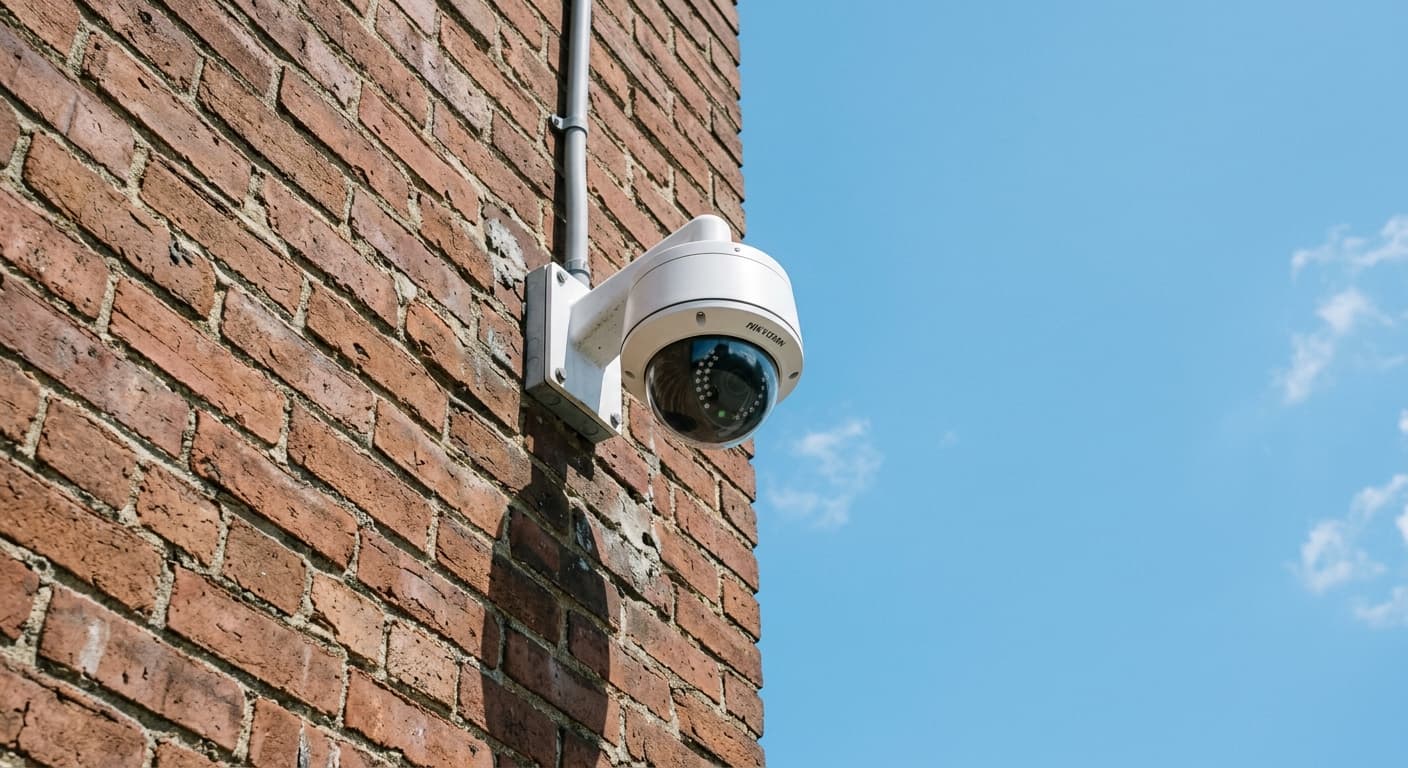
New Mexico places few restrictions on video recording in public spaces. The state has no general statute that prohibits filming people in public, and the wiretapping law under N.M. Stat. Ann. § 30-12-1 covers only telephone and wire communications rather than visual recording. However, New Mexico does enforce strong protections against voyeurism and unauthorized distribution of intimate images.
This guide explains New Mexico's video recording laws in detail, covering public filming rights, private property rules, voyeurism penalties, workplace surveillance, and how video evidence is treated in court.
Public Video Recording in New Mexico
Your Right to Film in Public
New Mexico recognizes broad rights to video record in public spaces. You can legally film:
- On public streets, sidewalks, and parks
- At public protests and demonstrations
- During public government meetings under the Open Meetings Act (N.M. Stat. Ann. § 10-15-1)
- At public events and gatherings
- From any location where you have a legal right to be
- Anything visible from a public vantage point, including building exteriors
The First Amendment protects your right to gather information in public spaces, including through video recording. The Tenth Circuit Court of Appeals, which has jurisdiction over New Mexico, formally recognized a First Amendment right to film police officers performing their duties in public in Irizarry v. Yehia (2022).
Limitations on Public Filming
While public filming is broadly protected, some restrictions apply:
- Military and federal installations may prohibit photography and video recording under federal law.
- Courthouses may restrict recording during judicial proceedings under court rules.
- Airport security areas regulated by the TSA have specific rules about filming checkpoints.
- You cannot block pedestrian or vehicle traffic while filming.
- You cannot trespass on private property to obtain a better camera angle.
Video Recording at Government Meetings
New Mexico's Open Meetings Act requires public bodies to make "reasonable efforts" to accommodate audio and video recording devices during open meetings. This means you can bring cameras to:
- City council meetings
- County commission meetings
- School board meetings
- State legislative proceedings
- Public hearings and committee meetings
Closed executive sessions are the exception. Public bodies may close meetings for limited purposes such as attorney-client discussions, personnel matters, and real estate negotiations.
Private Property Video Recording Rules
Property Owner Rights

On private property, the property owner or manager sets the rules about video recording. Businesses and homeowners can:
- Prohibit filming on their premises
- Ask you to stop recording and leave
- Call law enforcement if you refuse to stop recording after being asked
- Post signs stating that recording is not permitted
If you are asked to stop filming on private property and refuse, you may face trespass charges. The property owner does not need to give a reason for restricting video recording.
Video Surveillance on Your Own Property
New Mexico homeowners can install video surveillance cameras on their own property. Best practices include:
- Position cameras to capture your own property rather than a neighbor's private areas
- Do not aim cameras at windows or enclosed areas of neighboring properties
- Inform guests and visitors about visible security cameras
- Avoid recording areas where others have a reasonable expectation of privacy
For businesses, security cameras in common areas like lobbies, sales floors, and parking lots are standard practice. Cameras should not be placed in bathrooms, changing rooms, or other private areas.
Voyeurism Laws: N.M. Stat. Ann. § 30-9-20
What the Voyeurism Statute Prohibits
New Mexico's voyeurism law under N.M. Stat. Ann. § 30-9-20 makes it a crime to use a recording device to capture images of another person in a state of undress or engaged in sexual activity in a place where the person has a reasonable expectation of privacy.
The statute prohibits:
- Hidden cameras in private areas such as bathrooms, locker rooms, hotel rooms, and dressing rooms
- Upskirting and downblousing using concealed cameras to capture images under or through clothing
- Peeping through windows or other openings to view someone in a private setting
Penalties for Voyeurism
| Offense | Classification | Potential Penalty |
|---|---|---|
| Voyeurism (first offense) | Misdemeanor | Up to 1 year jail, fine |
| Voyeurism involving a minor | Enhanced penalties | Varies by circumstances |
| Distribution of voyeuristic images | Additional charges possible | Varies |
Voyeurism convictions can also trigger sex offender registration requirements depending on the circumstances, particularly when the victim is a minor.
Unauthorized Distribution of Intimate Images
N.M. Stat. Ann. § 30-37A-1
New Mexico's unauthorized distribution of intimate images law under N.M. Stat. Ann. § 30-37A-1 makes it illegal to distribute intimate images of another person without their consent. This law covers what is commonly called "revenge porn."
| Offense | Classification | Potential Penalty |
|---|---|---|
| First offense | Misdemeanor | Up to 1 year jail, fine |
| Subsequent offenses | Fourth-degree felony | Up to 18 months prison |
The law applies to images captured with consent that are later distributed without permission. It provides an important layer of protection beyond the voyeurism statute.
Video Recording and the Wiretap Statute
Why Video Does Not Trigger Wiretap Liability

New Mexico's wiretapping statute under N.M. Stat. Ann. § 30-12-1 covers only "telegraph or telephone" communications. This means:
- Silent video recording does not fall under the wiretap statute at all
- Video with in-person audio does not trigger wiretap liability because in-person conversations are not covered
- Video calls (Zoom, FaceTime, etc.) may be covered by the wiretap statute for their audio component, with one-party consent required
This creates a permissive environment for video recording in New Mexico, with the primary restrictions coming from voyeurism laws and property rights rather than the wiretapping statute.
Workplace Video Surveillance
Employer Rights
New Mexico employers can install video surveillance cameras in common work areas where employees do not have a reasonable expectation of privacy. Acceptable locations include:
- Lobbies and reception areas
- Sales floors and warehouse spaces
- Parking lots and exterior areas
- Hallways and common corridors
Prohibited Areas for Workplace Cameras
Employers cannot place video cameras in:
- Bathrooms and restrooms
- Locker rooms and changing areas
- Private offices where the door is closed (may be contested)
- Breakrooms with an expectation of privacy
Employee Rights
New Mexico employees can use personal video recording devices in the workplace. Since the wiretapping statute does not cover in-person communications, capturing video and audio of workplace interactions requires no consent. However, employers may enforce internal policies that restrict recording, and violating those policies can lead to disciplinary action.
The National Labor Relations Act protects employees who record as part of concerted activity, such as documenting unsafe working conditions or labor violations.
Using Video Recordings as Evidence
Admissibility in New Mexico Courts
Video recordings made lawfully are generally admissible as evidence in New Mexico courts. Courts evaluate video evidence based on:
- Authentication: The person who made the recording or an expert must verify it is genuine and unaltered.
- Relevance: The video must relate to an issue in the case.
- Chain of custody: The court may examine how the recording was stored and handled.
- Prejudicial vs. probative value: The video's evidentiary value must outweigh any potential for unfair prejudice.
Best Practices for Preserving Video Evidence
- Save the original file without editing.
- Record metadata including the date, time, and location.
- Back up the file to multiple locations immediately.
- Document the circumstances of the recording.
- Provide the video to your attorney early in any legal proceedings.
Drone and Aerial Video Recording
Drone operators in New Mexico must comply with FAA regulations for unmanned aircraft systems. Key rules include:
- Register drones weighing more than 0.55 pounds with the FAA
- Fly below 400 feet in uncontrolled airspace
- Maintain visual line of sight with the drone
- Do not fly over people or moving vehicles without proper authorization
- Respect privacy when capturing aerial video of residential areas
New Mexico does not have a specific state law governing drone video recording, so federal FAA rules and general state privacy principles apply.
More New Mexico Recording Laws
Audio Recording | Video Recording | Voyeurism & Hidden Cameras | Workplace Recording | Recording Police | Phone Call Recording | Security Cameras | Recording in Public | Landlord-Tenant | Dashcam Laws | Schools | Medical Recording
Sources and References
- N.M. Stat. Ann. § 30-12-1(nmonesource.com).gov
- New Mexico Legislature(nmlegis.gov).gov
- FAA UAS(faa.gov).gov
- NLRA(nlrb.gov).gov