New Mexico School Recording Laws: Students, Parents, and Teacher Rights (2026)
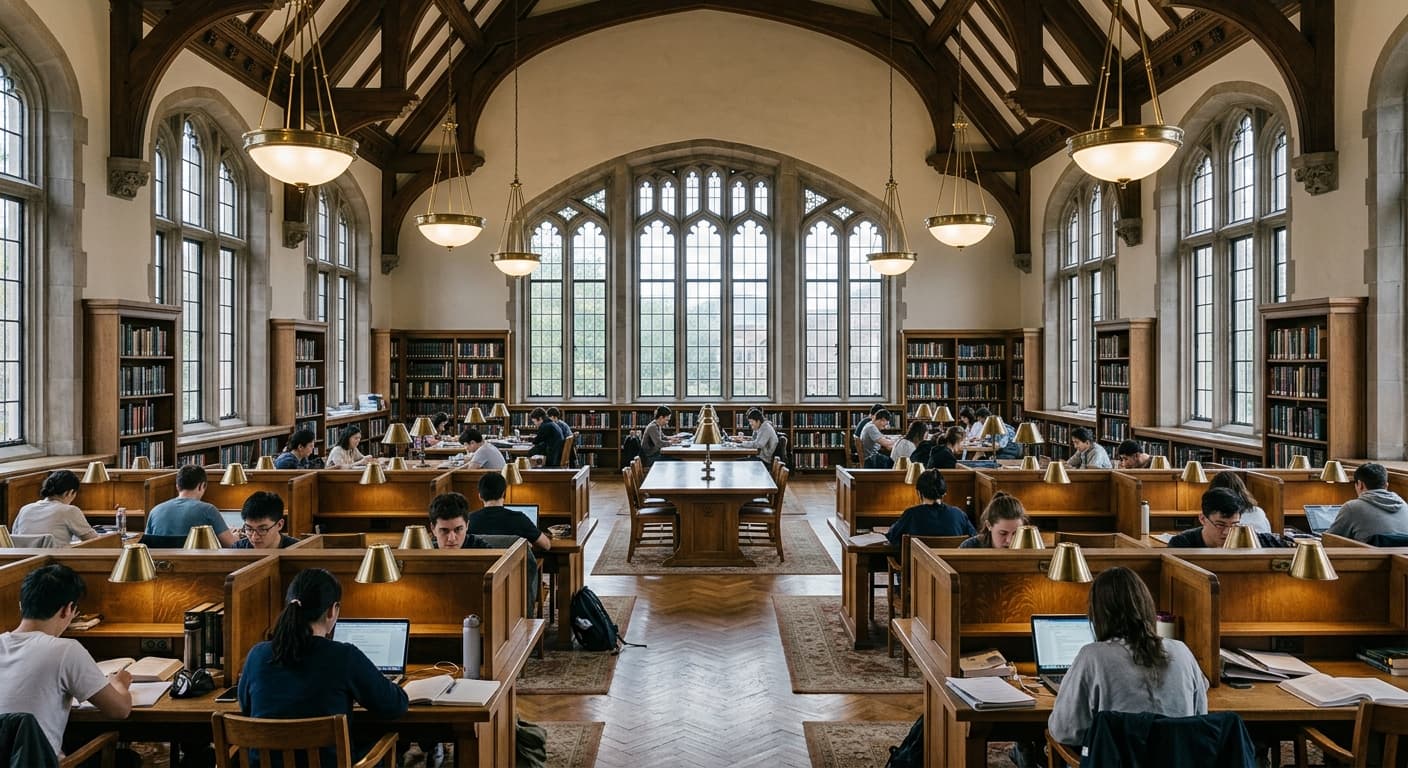
Recording in New Mexico schools involves a balance between student privacy, parent rights, school security, and federal education privacy laws. New Mexico's wiretapping statute under N.M. Stat. Ann. § 30-12-1 covers only telephone and wire communications, so in-person conversations in school settings can be recorded without consent. However, schools can set their own policies, and federal laws like FERPA add additional privacy layers.
This guide covers student recording rights, parent recording at school events and meetings, school surveillance cameras, IEP and special education meeting recording, and the interaction between state and federal law.
Student Recording Rights
Can Students Record in School?
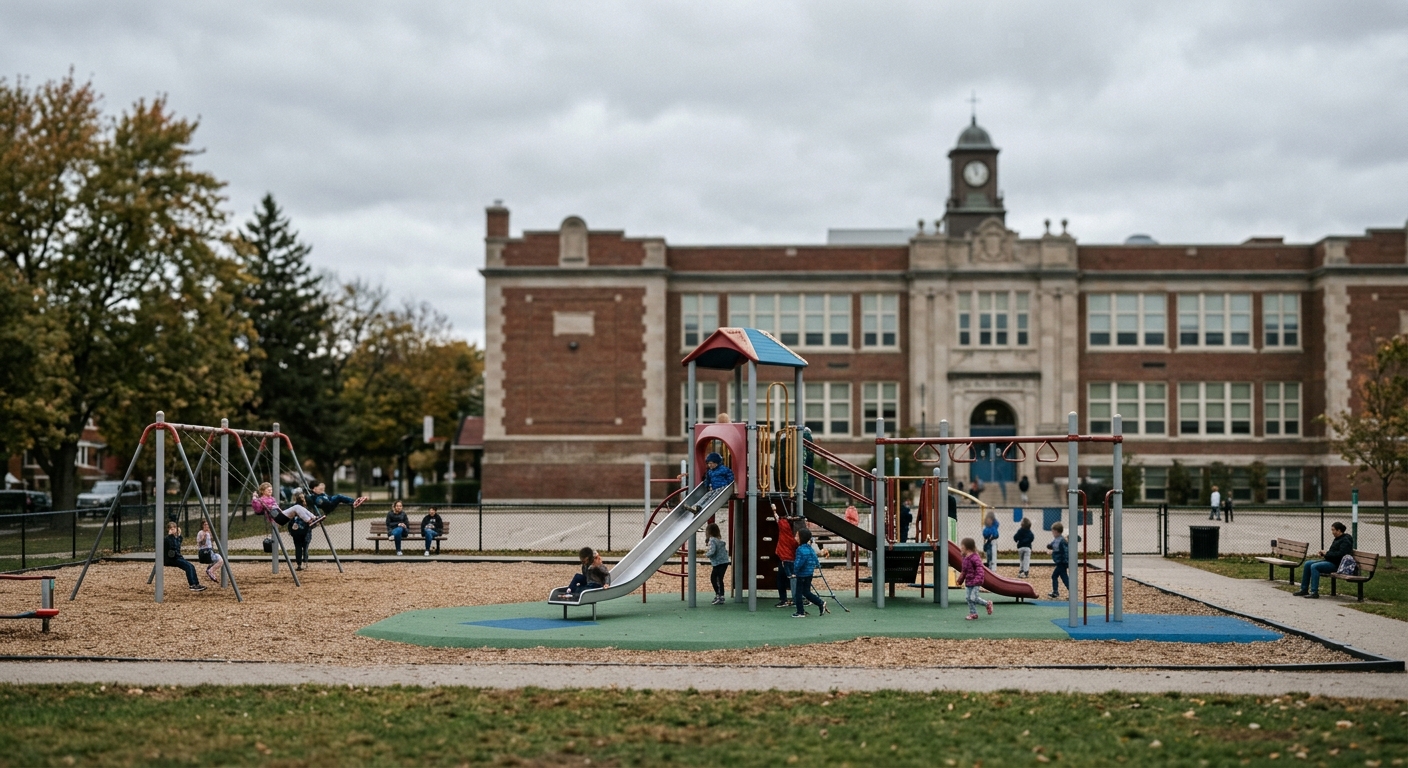
Under New Mexico state law, students can record in-person conversations they participate in without consent from teachers, administrators, or other students. The wiretapping statute does not apply to face-to-face communications.
However, school district policies may restrict recording on campus. Districts have authority to set rules about student conduct, including use of electronic devices. Common restrictions include:
- No phone or recording device use during class time
- Recording prohibited during tests and examinations
- No recording in locker rooms, bathrooms, or changing areas
- Prior approval required for recording school events
Students who violate school recording policies may face disciplinary consequences (detention, suspension) but not criminal charges under the wiretapping statute.
Recording to Document Bullying
Students who experience bullying may want to record incidents as evidence. Under New Mexico's Anti-Bullying Law (N.M. Stat. Ann. § 22-2-21), every school district must adopt a policy to prevent bullying. Recordings can help:
- Document incidents for school administrators
- Support complaints to the school board
- Provide evidence for legal proceedings if bullying rises to criminal conduct
- Create a record of the school's response to reports
Recording for Disability Accommodations
Students with disabilities may have recording accommodations built into their Individualized Education Programs (IEPs) or Section 504 plans. The New Mexico Public Education Department (PED) oversees special education compliance. Common accommodations include:
- Permission to audio record lectures and class discussions
- Use of recording devices as assistive technology
- Note-taking accommodations that include recording
Parent Recording Rights
Recording Conversations with School Staff
Parents can record in-person conversations with teachers, principals, counselors, and other school staff without consent. The wiretapping statute does not apply to face-to-face conversations. Common situations where parents record include:
- Parent-teacher conferences
- Meetings about student discipline
- Conversations about academic concerns
- Discussions about bullying or safety issues
- Enrollment and registration meetings
For phone calls with school staff, one-party consent applies under § 30-12-1, and the parent satisfies the requirement as a participant.
Recording IEP and 504 Meetings
Parents have a strong interest in recording Individualized Education Program (IEP) meetings and Section 504 plan meetings. Federal law under the Individuals with Disabilities Education Act (IDEA) does not explicitly address recording of IEP meetings, and the U.S. Department of Education has stated that recording decisions should be made at the state or local level.
In New Mexico:
- State law permits recording because in-person conversations are not covered by the wiretapping statute
- School district policies may require advance notice that a parent intends to record
- The school may also record if the parent records, to maintain equal documentation
- Recordings that capture other students' information may be subject to FERPA restrictions on sharing
Best practice: Notify the school in advance that you plan to record the IEP meeting. This helps maintain a cooperative relationship with the IEP team.
Recording School Board Meetings
School board meetings are public meetings subject to the Open Meetings Act (N.M. Stat. Ann. § 10-15-1). The law requires public bodies to make "reasonable efforts" to accommodate audio and video recording devices. Parents and community members can record open school board sessions.
School Surveillance Cameras
Where Schools Can Place Cameras
New Mexico school districts routinely install surveillance cameras for safety and security. Appropriate locations include:
- Hallways and corridors for monitoring student movement
- Cafeterias and common areas for general safety
- School entrances and exits for visitor management
- Parking lots and bus loading areas for vehicle safety
- Gymnasiums during open hours (not during changing)
- Library and media center areas
- School buses for student conduct monitoring
Where Schools Cannot Place Cameras
Schools cannot install cameras in areas where students have a reasonable expectation of privacy:
- Bathrooms and restrooms
- Locker rooms and changing areas
- Shower areas
- Nurse's offices during examinations
- Counselor's offices during confidential sessions (may vary by district)
Cameras in these locations would violate the voyeurism statute under N.M. Stat. Ann. § 30-9-20 and could expose the school district to criminal and civil liability.
Audio Recording on School Cameras
Some school security systems include audio recording. Since in-person conversations are not covered by New Mexico's wiretapping statute, audio recording in school common areas does not violate state wiretap law. However, schools should consider the privacy implications and notify students and staff about audio surveillance.
FERPA and Student Privacy
What FERPA Requires
The Family Educational Rights and Privacy Act (FERPA) protects the privacy of student education records. Under FERPA:
- Schools cannot release education records without parent consent (or student consent if over 18)
- Recordings that become part of a student's education file are protected
- Surveillance footage showing identifiable students may be considered an education record if maintained by the school
How FERPA Affects Recording
- Parent recordings of their own child's meetings are not restricted by FERPA because the parent made the recording
- Sharing recordings that identify other students may raise FERPA concerns
- School surveillance footage requested through public records laws may need to be redacted to protect other students' identities
- Recordings of classroom activities showing multiple students should be handled carefully
Teacher Recording Rights and Restrictions
Can Teachers Record in the Classroom?
Yes. Teachers can record in-person interactions in their classrooms without consent under New Mexico law. This can be useful for:
- Documenting classroom management incidents
- Recording evidence of disruptive behavior
- Self-evaluation and professional development
- Protecting against false accusations
Teacher Surveillance by Schools
School administrators can observe and record in common areas where teachers work. However, constant surveillance of individual teachers may raise labor relations concerns. Teachers' unions may negotiate provisions about surveillance in collective bargaining agreements.
Recording at School Events
Public Events
Parents and attendees can generally record at public school events:
- Graduation ceremonies
- Athletic competitions
- Concerts and performances
- Science fairs and academic competitions
- Open houses and school tours
Event-Specific Restrictions
Some school events may have recording restrictions:
- Standardized testing environments
- Disciplinary hearings (may be closed to the public)
- Confidential student meetings
- Events with copyright-protected performances
Cyberbullying and Digital Recording
New Mexico's anti-bullying law addresses cyberbullying, including the misuse of recordings. Students who record and share embarrassing, harassing, or intimate recordings of other students may face:
- School disciplinary action under the bullying policy
- Criminal charges if the recording constitutes voyeurism or harassment
- Civil liability for invasion of privacy or intentional infliction of emotional distress
The New Mexico Public Education Department provides guidance to districts on addressing cyberbullying.
More New Mexico Recording Laws
Audio Recording | Video Recording | Voyeurism & Hidden Cameras | Workplace Recording | Recording Police | Phone Call Recording | Security Cameras | Recording in Public | Landlord-Tenant | Dashcam Laws | Schools | Medical Recording
Sources and References
- N.M. Stat. Ann. § 30-12-1(nmonesource.com).gov
- FERPA(ed.gov).gov
- IDEA(ed.gov).gov
- NM PED(ped.state.nm.us).gov