New Mexico Medical Recording Laws: Patient Rights and HIPAA Rules (2026)
New Mexico patients have broad rights to record their own medical appointments and healthcare interactions. The state's wiretapping statute under N.M. Stat. Ann. § 30-12-1 covers only telephone and wire communications, so in-person conversations during medical visits can be recorded without consent from the healthcare provider. HIPAA privacy rules apply to healthcare providers, not to patients making recordings of their own care.
This guide covers patient recording rights, provider restrictions, HIPAA implications, telemedicine recording, hospital surveillance, and how medical recordings are used as evidence.
Patient Recording Rights
Recording Your Own Medical Appointments
New Mexico patients can record in-person medical appointments without informing or getting consent from doctors, nurses, or other healthcare staff. The wiretapping statute does not apply to face-to-face conversations. You can record:
- Consultations with your primary care physician
- Specialist appointments
- Pre-surgical discussions and informed consent conversations
- Physical therapy and rehabilitation sessions
- Mental health counseling sessions (though recording may affect the therapeutic relationship)
- Dental appointments
- Chiropractic visits
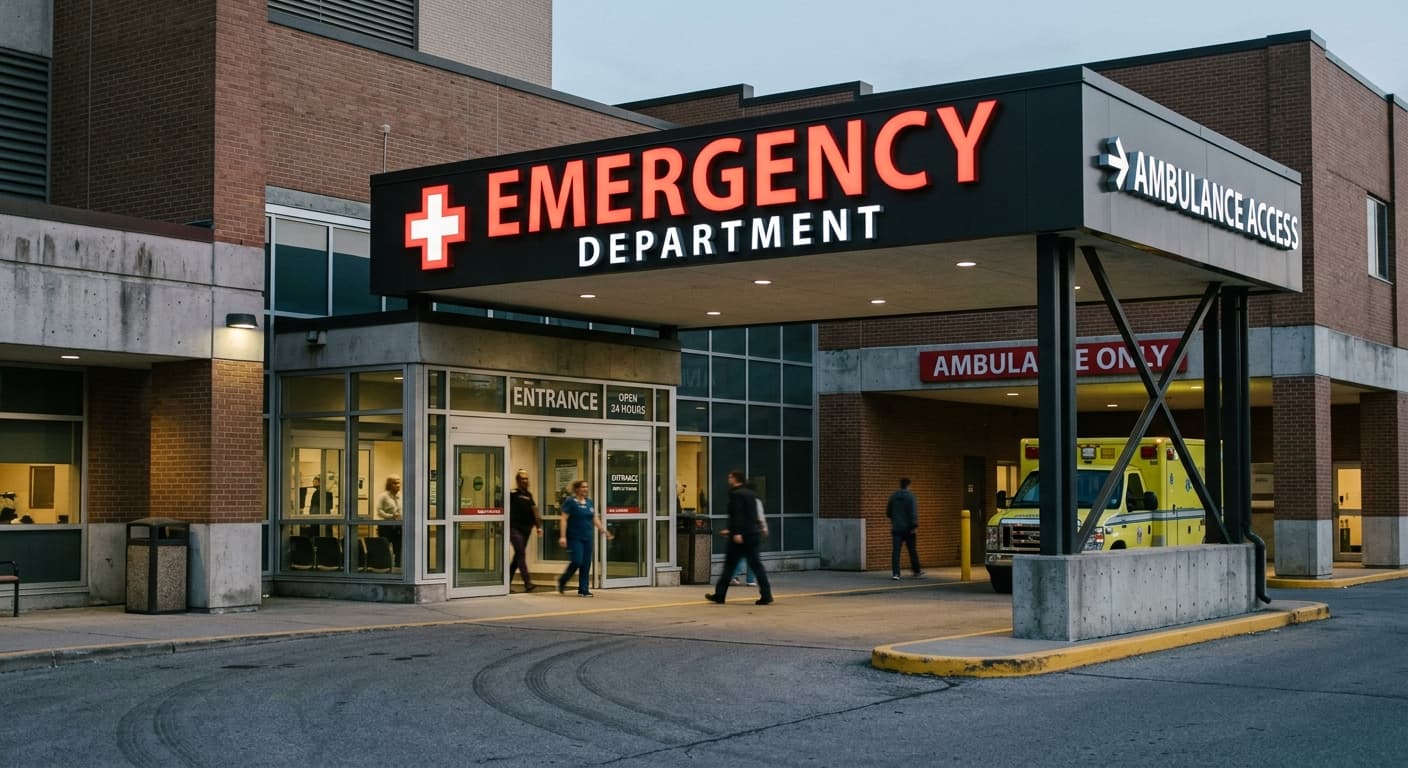
- Emergency room interactions
Why Patients Record Medical Visits
Research published in medical journals supports patient recording as beneficial for healthcare outcomes. Common reasons include:
- Remembering complex medical instructions. Studies show patients forget 40-80% of medical information provided during visits.
- Sharing information with family caregivers. Recordings allow family members to hear exactly what the provider said.
- Documenting informed consent discussions. Recordings prove what risks and alternatives were discussed before procedures.
- Creating a record of diagnoses. Helpful when seeking second opinions or transferring care to a new provider.
- Protecting against potential malpractice. Recordings document the standard of care provided.
Recording Telemedicine Visits
Telemedicine calls conducted by phone or video follow the one-party consent rule under § 30-12-1. You can record your telehealth visit as a participant without informing your provider. This applies to:
- Phone consultations with your doctor
- Video visits through telehealth platforms
- Follow-up calls with nurses or physician assistants
- Remote monitoring check-in calls
Healthcare Facility Recording Policies
Can a Hospital or Clinic Ban Recording?
Many healthcare facilities maintain policies that prohibit or restrict recording by patients and visitors. While these policies cannot override New Mexico's permissive recording law, they can create practical consequences:
- A facility may ask you to stop recording and leave if you refuse
- Recording policies may be included in patient agreements signed at admission
- Staff may decline to provide care if you insist on recording (except in emergency situations)
- You could be discharged from a practice for repeated policy violations
Common Facility Restrictions
Healthcare facilities commonly restrict recording in:
- Operating rooms and surgical suites
- Intensive care units (may disturb other patients)
- Areas where other patients are visible or audible
- Mental health and substance abuse treatment areas
- Pediatric wards (other children's privacy)
Practical Approach
If you want to record a medical appointment:
- Check the facility's recording policy in advance
- Ask your provider's permission as a courtesy, even though it is not legally required
- Explain your reason for recording (remembering instructions, sharing with family)
- If the provider objects, consider whether pressing the issue is worth the potential effect on the care relationship
- Record discreetly if you choose not to disclose, understanding the legal protection
HIPAA and Patient Recording
What HIPAA Does and Does Not Restrict
The Health Insurance Portability and Accountability Act (HIPAA) is often misunderstood in the context of recording. Key clarifications:
- HIPAA restricts healthcare providers and insurers from sharing your protected health information (PHI) without authorization
- HIPAA does NOT restrict patients from recording their own medical encounters
- HIPAA does NOT give providers the right to confiscate patient recording devices
- HIPAA does NOT make it illegal for patients to share recordings of their own care
The U.S. Department of Health and Human Services (HHS) enforces HIPAA. If a healthcare provider claims HIPAA prohibits you from recording your own appointment, that is an incorrect interpretation of the law.
When HIPAA Does Apply to Recordings
HIPAA concerns arise when recordings capture other patients' protected health information:
- Recordings in waiting rooms that capture other patients' names or conversations
- Hospital room recordings that capture a roommate's medical discussions
- Video recordings that show other patients in identifiable ways
Patients should be mindful of other patients' privacy when recording in shared healthcare spaces.
Healthcare Provider Recording Obligations and Restrictions
What Providers Can Record
Healthcare providers can record patient interactions for legitimate medical purposes:
- Dictating notes after patient visits
- Recording telemedicine sessions (with patient consent as part of informed consent)
- Video recording surgical procedures for medical education
- Photographing injuries or conditions for the medical record
What Providers Cannot Do
Providers cannot:
- Record patients in a state of undress without consent (voyeurism under N.M. Stat. Ann. § 30-9-20)
- Share recordings containing patient information without HIPAA authorization
- Use patient recordings for marketing without consent
- Allow unauthorized staff to access recorded patient information
Hospital Surveillance Cameras
Hospitals and medical facilities can install surveillance cameras in:
- Lobbies and waiting areas
- Hallways and corridors
- Parking lots and exterior areas
- Nurse stations and medication rooms
- Emergency department common areas
Cameras are prohibited in:
- Patient rooms (unless consented for specific medical monitoring)
- Bathrooms and changing areas
- Examination rooms during private examinations
Using Medical Recordings as Evidence
Medical Malpractice Claims
Recordings of medical appointments can serve as powerful evidence in malpractice cases. They can establish:
- What the provider told you about risks and alternatives (informed consent)
- Whether the provider's examination was thorough
- The diagnosis and treatment plan communicated
- Whether the provider followed the standard of care
- Statements by the provider acknowledging errors
Insurance Disputes
Recordings can help resolve disputes with health insurance companies by documenting:
- Medical necessity discussions with your provider
- Referral recommendations
- Prior authorization conversations
- Provider statements about treatment being standard of care
Workers' Compensation Claims
Recordings of medical evaluations can support workers' compensation claims through the New Mexico Workers' Compensation Administration. Documenting what treating physicians and independent medical examiners say during evaluations creates a reliable record for administrative proceedings.
Admissibility Standards
Medical recordings must meet the same admissibility standards as any other recording in New Mexico courts:
- The recording must be authenticated as genuine
- It must be relevant to the case
- It must not be unfairly prejudicial
- Hearsay rules may apply to some statements
Mental Health Recording Considerations
Therapy Sessions
While New Mexico law permits recording therapy sessions, mental health professionals have strong objections to recording for clinical reasons:
- Recording may inhibit the patient's openness
- It may alter the therapeutic relationship
- Confidentiality expectations in therapy are higher than in general medical care
- Some therapists view recording as incompatible with the therapeutic process
If you want to record therapy sessions, discuss it openly with your therapist. Consider whether recording aligns with your treatment goals.
Substance Abuse Treatment
Federal regulations under 42 CFR Part 2 provide enhanced privacy protections for substance abuse treatment records that go beyond HIPAA. While these regulations primarily restrict provider disclosures, recording in substance abuse treatment settings should be approached with extra caution.
Emergency Medical Situations
Recording in Emergency Rooms
Patients and family members can record in emergency rooms, though practical limitations apply:
- Staff may be focused on life-saving treatment and unable to address recording concerns
- Recording should not interfere with emergency care
- Other patients' privacy must be respected in shared emergency spaces
- Hospitals may restrict family members' access to treatment areas regardless of recording
More New Mexico Recording Laws
Audio Recording | Video Recording | Voyeurism & Hidden Cameras | Workplace Recording | Recording Police | Phone Call Recording | Security Cameras | Recording in Public | Landlord-Tenant | Dashcam Laws | Schools | Medical Recording
Sources and References
- N.M. Stat. Ann. § 30-12-1(nmonesource.com).gov
- HIPAA(hhs.gov).gov
- NM Workers Comp(workerscomp.nm.gov).gov
- 42 CFR Part 2(ecfr.gov).gov