New Mexico Landlord-Tenant Recording Laws: Rights for Renters and Landlords (2026)
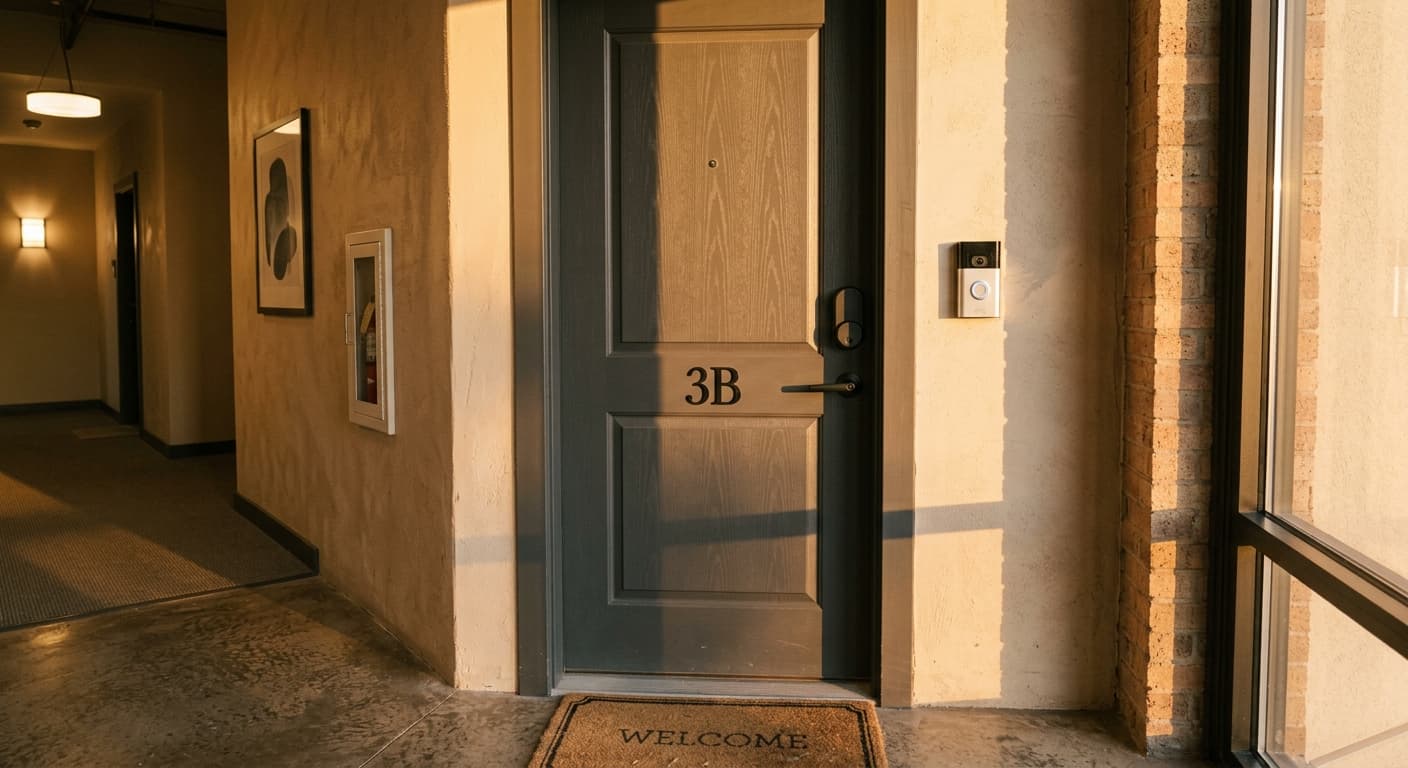
New Mexico law strongly favors tenants' ability to record interactions with landlords. The state's wiretapping statute under N.M. Stat. Ann. § 30-12-1 covers only telephone and wire communications, meaning in-person conversations between tenants and landlords can be recorded without any consent. For phone calls, one-party consent applies, and the person recording satisfies that requirement by being a participant.
This guide covers tenant recording rights, landlord surveillance rules, security camera placement in rental properties, using recordings as evidence in housing disputes, and practical advice for both tenants and landlords in New Mexico.
Tenant Recording Rights
Recording In-Person Conversations with Your Landlord
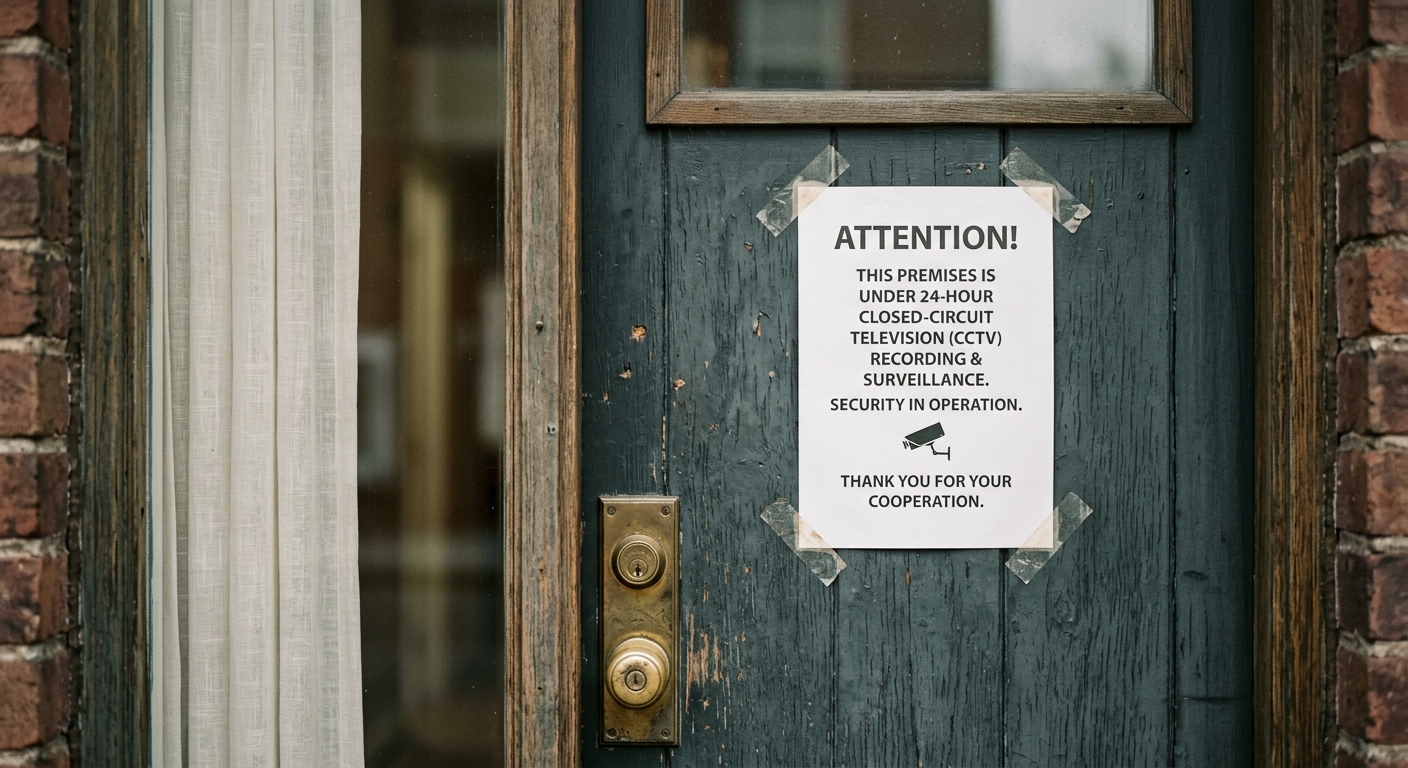
Because New Mexico's wiretapping statute only covers "telegraph or telephone" communications, in-person conversations are not regulated. Tenants can record face-to-face conversations with landlords, property managers, and maintenance workers without any consent requirement.
Common situations where recording is valuable:
- Move-in and move-out inspections. Video and audio recordings document the condition of the property and any pre-existing damage.
- Repair requests and maintenance discussions. Recordings prove you reported problems and document what the landlord agreed to fix.
- Lease negotiations and verbal agreements. If your landlord makes promises about rent, repairs, or amenities, a recording serves as proof.
- Harassment or threats. If your landlord threatens illegal eviction, enters without notice, or engages in harassment, recordings document the behavior.
- Security deposit disputes. Recordings of the property's condition at move-out help resolve disputes over deposit deductions.
Recording Phone Calls with Your Landlord
Phone calls with your landlord require one-party consent under § 30-12-1. You satisfy this requirement by being a participant in the call. You can record without telling your landlord, including:
- Calls about repair requests
- Rent payment discussions
- Lease renewal negotiations
- Complaints about other tenants or building conditions
- Conversations about eviction or lease termination
Recording Texts and Emails
Text messages and emails between tenants and landlords are written communications, not wire or oral communications subject to the wiretapping statute. You can save, screenshot, and preserve text messages and emails without any consent issues.
Landlord Surveillance Rules
Where Landlords Can Install Cameras
Landlords can install security cameras in common areas of rental properties where tenants and visitors do not have a reasonable expectation of privacy:
- Building lobbies and entryways
- Hallways and stairwells
- Parking lots and garages
- Laundry rooms
- Exterior areas (building entrances, walkways)
- Mail room and package areas
- Pool and recreation areas (not changing rooms)
Where Landlords CANNOT Install Cameras
Landlords cannot place cameras in areas where tenants have a reasonable expectation of privacy:
- Inside individual rental units (apartments, houses, rooms)
- Bathrooms anywhere on the property
- Changing rooms at pools or fitness areas
- Inside garages assigned to specific tenants (may be contested)
Installing cameras inside a tenant's unit violates the voyeurism statute under N.M. Stat. Ann. § 30-9-20 and can result in criminal charges and civil liability.
Landlord Notification About Cameras
New Mexico does not have a specific statute requiring landlords to notify tenants about security cameras in common areas. However, best practices include:
- Disclosing camera locations in the lease agreement
- Posting signs in areas under surveillance
- Informing tenants during the lease signing process
- Providing notice before installing new cameras
Tenant Security Cameras
Can Tenants Install Security Cameras?
Tenants generally can install security cameras inside their rental units without landlord approval, as long as installation does not damage the property. Doorbell cameras and other exterior-mounted devices may require landlord permission depending on the lease terms.
Tenants can install:
- Interior cameras in their own units
- Doorbell cameras (check lease for exterior modification rules)
- Window-mounted cameras facing outward
- Wireless cameras that do not require drilling
Restrictions on Tenant Cameras
Tenants should not:
- Aim cameras at other tenants' units, windows, or private spaces
- Install cameras in common areas without landlord permission
- Make permanent modifications (drilling holes, running wires) without approval
- Record in shared spaces in ways that constitute harassment of other tenants
Using Recordings in Housing Disputes
Eviction Proceedings
Recordings can serve as evidence in New Mexico eviction proceedings. Under the Uniform Owner-Resident Relations Act (N.M. Stat. Ann. § 47-8-1 et seq.), tenants facing eviction can use recordings to demonstrate:
- The landlord failed to maintain habitable conditions
- The eviction is retaliatory (filed after a tenant complained about code violations)
- The landlord did not provide proper notice
- The landlord accepted rent after filing for eviction
Security Deposit Disputes
New Mexico law under N.M. Stat. Ann. § 47-8-18 requires landlords to return security deposits within 30 days of lease termination, with an itemized statement of deductions. Video recordings of the property's condition at move-in and move-out provide strong evidence in deposit disputes.
Habitability Claims
Tenants can use recordings to document:
- Mold, water damage, or pest infestations
- Broken heating, plumbing, or electrical systems
- Structural problems reported to the landlord
- The landlord's response (or lack of response) to repair requests
Small Claims Court
New Mexico's magistrate courts handle small claims up to $10,000. Recordings are admissible as evidence and can be presented to support claims for:
- Wrongful security deposit withholding
- Habitability violations
- Property damage
- Harassment or illegal entry
Illegal Landlord Recording: What to Do
Signs of Hidden Cameras
Watch for:
- Small holes in walls, ceilings, or fixtures
- Unusual objects that seem out of place (smoke detectors, clocks, chargers)
- Blinking lights from unknown sources
- Wires or cables that do not connect to known devices
Steps to Take
- Document the camera with photographs showing its location
- Do not remove it as it may be evidence
- Contact local law enforcement to report a potential voyeurism violation
- Contact the New Mexico Attorney General's office for additional resources
- Consult a tenant rights attorney about civil remedies
- Consider contacting New Mexico Legal Aid for free legal assistance
Legal Remedies
Tenants who discover hidden cameras in their rental units can pursue:
- Criminal prosecution of the landlord for voyeurism
- Civil invasion of privacy lawsuit
- Constructive eviction claim (the hidden cameras make the unit uninhabitable)
- Lease termination without penalty
- Restraining orders against the landlord
Landlord Best Practices
Protecting Yourself with Documentation
Landlords should also document interactions with tenants through:
- Written communication (emails, texts, letters) for all important matters
- Video documentation of property condition at move-in and move-out
- Written maintenance request logs
- Photographs of property damage
Surveillance Policy
Landlords should maintain a clear surveillance policy that:
- Identifies all camera locations in common areas
- States the purpose of surveillance (security, theft prevention)
- Confirms no cameras are placed in private areas
- Is included in the lease agreement
- Is updated when new cameras are installed
More New Mexico Recording Laws
Audio Recording | Video Recording | Voyeurism & Hidden Cameras | Workplace Recording | Recording Police | Phone Call Recording | Security Cameras | Recording in Public | Landlord-Tenant | Dashcam Laws | Schools | Medical Recording
Sources and References
- N.M. Stat. Ann. § 30-12-1(nmonesource.com).gov
- NM Attorney General(nmag.gov).gov
- NM Legislature(nmlegis.gov).gov