New Mexico Dashcam Laws: Windshield Mounting, Audio, and Evidence Rules (2026)
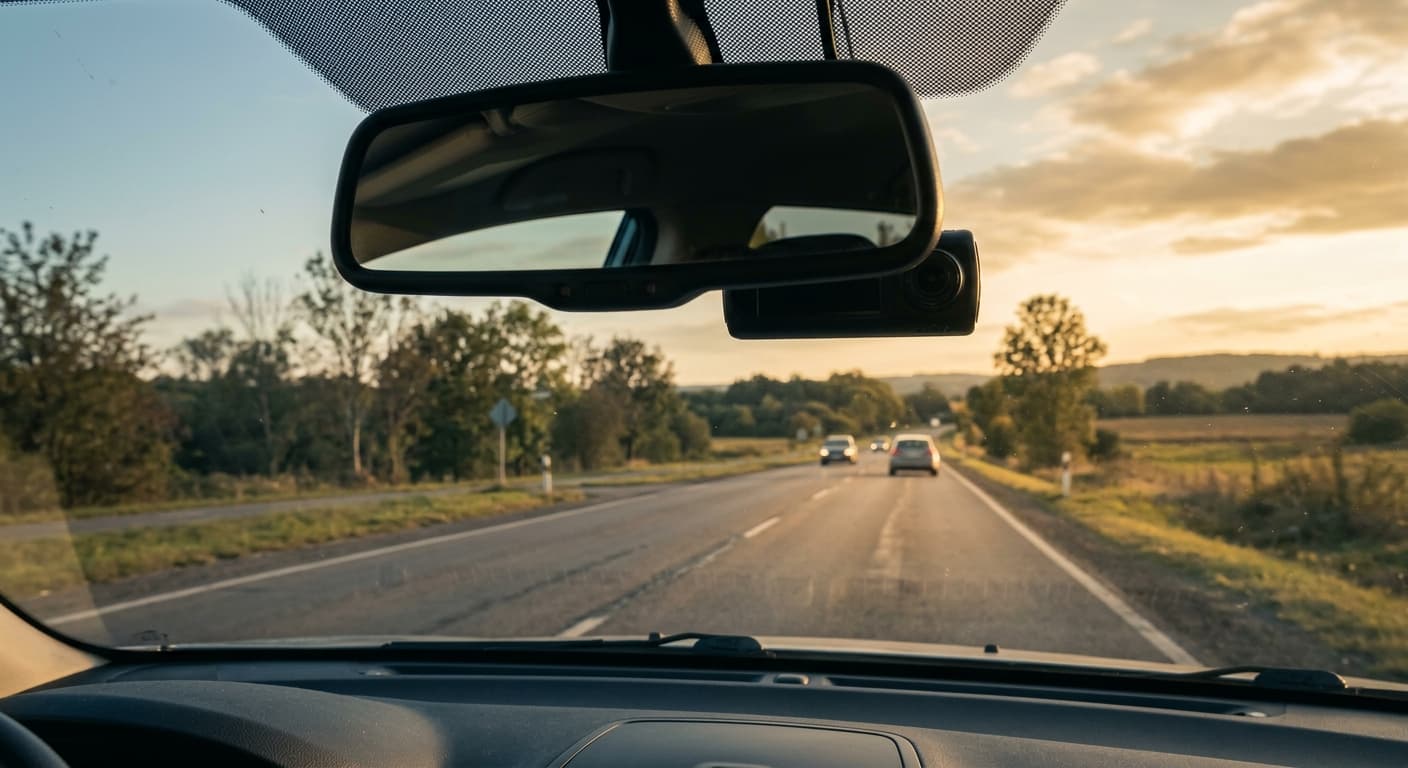
Dashcams are legal in New Mexico and increasingly popular among drivers who want to document road conditions, traffic incidents, and interactions with law enforcement. The primary legal consideration is windshield mounting, which must comply with N.M. Stat. Ann. § 66-3-846 restricting nontransparent material on windshields. Audio recording by dashcams requires no special consent in New Mexico because in-person conversations are not covered by the wiretapping statute.
This guide covers dashcam legality, mounting requirements, audio recording rules, using footage as evidence, commercial vehicle rules, and practical tips for dashcam users in New Mexico.
Dashcam Legality in New Mexico
The Basic Rule
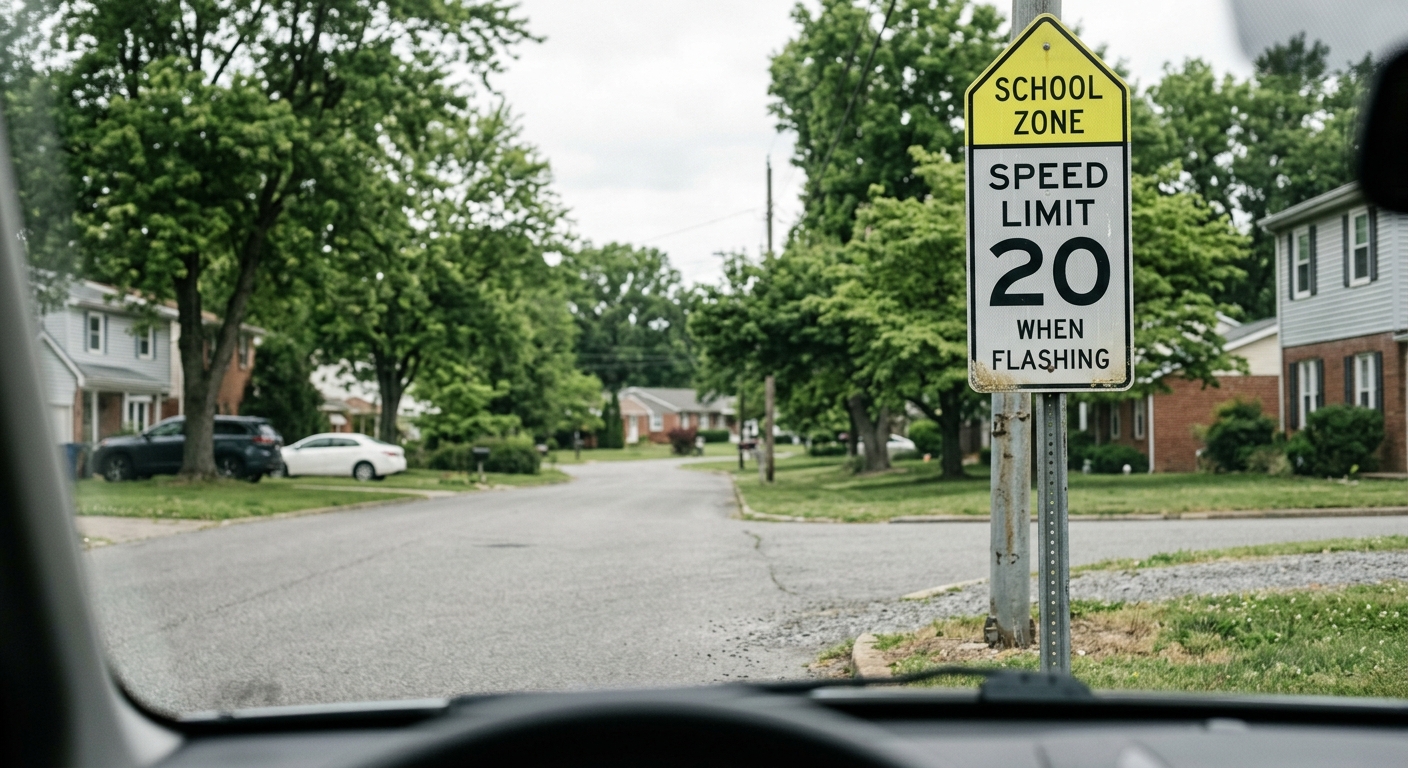
New Mexico allows dashcams in personal and commercial vehicles. There is no state law prohibiting the use of dashboard cameras. However, the device must be mounted in a way that does not violate windshield obstruction rules.
Windshield Mounting Requirements
Under N.M. Stat. Ann. § 66-3-846, drivers must not place nontransparent material on the front windshield that interferes with the driver's clear view of the highway or intersecting highways. To comply:
- Mount the camera on the dashboard rather than the windshield when possible
- If using a windshield mount, position it behind the rearview mirror or in a corner that does not block your sightline
- Use the smallest mount possible to minimize obstruction
- Make sure the camera and mount do not block any portion of your forward field of vision
Rear and Side-Mounted Cameras
New Mexico law does not restrict cameras mounted on the rear window, side windows, or exterior of the vehicle. Rear-facing dashcams, backup cameras, and multi-camera systems are all legal.
Audio Recording by Dashcams
In-Person Conversations
Many dashcams record audio in addition to video. Under New Mexico law, the wiretapping statute (N.M. Stat. Ann. § 30-12-1) covers only "telegraph or telephone" communications. In-person conversations captured by a dashcam's microphone are not covered by the wiretap statute.
This means:
- You do not need to inform passengers that the dashcam records audio
- Conversations between you and passengers can be recorded freely
- Audio captured during traffic stops with police officers is legal to record
- Roadside conversations captured by the dashcam are not protected by the wiretap law
Phone Calls in the Car
If your dashcam captures audio of a phone call made through your car's speaker system, the one-party consent rule applies. You satisfy the consent requirement as a participant in the call. However, if the dashcam captures a phone call between passengers that you are not part of, the wiretap statute technically does not apply because it covers only telephone communications with consent from "a sender or intended recipient." When in doubt, disable audio recording or inform passengers.
Using Dashcam Footage as Evidence
Traffic Accidents
Dashcam footage is valuable evidence in traffic accident cases. It can establish:
- Which driver had the right of way
- The speed and direction of vehicles before impact
- Traffic signal status at the time of the collision
- Weather and road conditions
- Whether either driver was distracted or impaired
- The severity of the impact
Insurance Claims
New Mexico auto insurance companies increasingly accept dashcam footage to support claims. Benefits include:
- Faster claim resolution when fault is clear on video
- Protection against fraud (staged accidents, false injury claims)
- Reduced disputes about what happened during the incident
- Potential premium discounts from some insurers for dashcam use
Contact your insurance provider to ask about dashcam-related benefits.
Criminal Cases
Dashcam footage can be used as evidence in criminal cases including:
- Hit and run identification
- DUI/DWI documentation
- Road rage incidents
- Reckless driving charges
- Crimes captured on camera (theft, assault, vandalism)
Admissibility Standards
For dashcam footage to be admissible in New Mexico courts, it must be:
- Authentic: The footage must be verified as genuine and from the dashcam in question
- Unaltered: The original file must not have been edited or manipulated
- Relevant: The footage must relate to an issue in the case
- Not unduly prejudicial: The court must determine that the footage's evidentiary value outweighs any potential for unfair prejudice
Preserving Dashcam Evidence
- Save the footage immediately after an incident. Many dashcams use loop recording that overwrites old footage.
- Remove the memory card and store it safely to prevent overwriting.
- Back up the footage to a computer, cloud storage, or external drive.
- Do not edit the file. Preserve the original with all metadata intact.
- Note the date, time, and location of the incident.
- Provide footage to your attorney and insurance company promptly.
Dashcams and Traffic Stops
Your Rights During a Traffic Stop
You have the right to continue recording during a traffic stop in New Mexico. The Tenth Circuit Court of Appeals has recognized a First Amendment right to record police officers performing their duties in public. Your dashcam can keep running during the entire encounter.
- An officer cannot order you to turn off your dashcam
- An officer cannot seize your memory card without a warrant
- Audio of your conversation with the officer is legally recorded
- Dashcam footage of a traffic stop can be used in court
Informing the Officer
You are not legally required to tell an officer that your dashcam is recording. However, some drivers choose to mention it. A simple "I have a dashcam running" can be sufficient. Whether or not to disclose is a personal choice rather than a legal requirement.
Commercial Vehicle Dashcams
Trucking and Fleet Operations
Commercial vehicle operators in New Mexico should be aware of additional rules:
- The Federal Motor Carrier Safety Administration (FMCSA) permits but does not require dashcams in commercial vehicles
- Fleet operators may require dashcams as part of company policy
- Electronic logging device (ELD) rules under the FMCSA are separate from dashcam requirements
- Commercial drivers crossing state lines should be aware of varying state laws
Ride-Share and Delivery Drivers
Uber, Lyft, and delivery drivers in New Mexico can use dashcams. Important considerations:
- Audio recording of in-person conversations with passengers does not require consent under New Mexico law
- Check your ride-share or delivery platform's policies about dashcam use
- Interior-facing cameras that record passengers are legal in New Mexico
- Some platforms have specific guidelines about driver camera use
Choosing and Installing a Dashcam
Features to Consider
- Resolution: 1080p minimum; 4K provides better detail for license plates
- Night vision: Important for low-light driving conditions
- GPS logging: Records location and speed data alongside video
- Parking mode: Continues recording when the vehicle is parked and detects motion
- Loop recording: Automatically overwrites old footage when storage is full
- G-sensor: Locks footage when it detects a collision impact
- Dual cameras: Front and rear coverage for comprehensive documentation
Installation Tips
- Mount in a position that does not obstruct your view of the road
- Route wiring cleanly along the headliner and A-pillar to avoid dangling cables
- Use a hardwire kit for a clean installation rather than a cigarette lighter adapter
- Test the camera's field of view before finalizing placement
- Verify that the date and time stamp are accurate
More New Mexico Recording Laws
Audio Recording | Video Recording | Voyeurism & Hidden Cameras | Workplace Recording | Recording Police | Phone Call Recording | Security Cameras | Recording in Public | Landlord-Tenant | Dashcam Laws | Schools | Medical Recording
Sources and References
- N.M. Stat. Ann. § 30-12-1(nmonesource.com).gov
- FMCSA(fmcsa.dot.gov).gov
- NM Legislature(nmlegis.gov).gov