Nebraska Voyeurism Laws: Hidden Cameras, Penalties, and Privacy Protections (2026)

Quick Answer
Nebraska treats voyeuristic recording as a serious felony offense. Under Neb. Rev. Stat. 28-311.08, knowingly and intentionally photographing, filming, or recording an image or video of another person's intimate areas without their knowledge and consent is a Class IV felony. The law also criminalizes the distribution of such images and provides additional protections against intrusion in private spaces. Nebraska's approach reflects a strong legislative commitment to protecting personal privacy and dignity.
| Detail | Answer |
|---|---|
| Primary voyeurism statute | Neb. Rev. Stat. 28-311.08 |
| Recording intimate areas without consent | Class IV felony |
| Distributing intimate images (1st/2nd offense) | Class IIA felony (up to 20 years) |
| Distributing intimate images (3rd+ offense) | Class II felony (1 to 50 years) |
| Intrusion in place of seclusion (1st offense) | Class I misdemeanor |
| Intrusion in place of seclusion (repeat) | Class IV felony |
Understanding Nebraska's Voyeurism Statute
Neb. Rev. Stat. 28-311.08: Structure and Scope
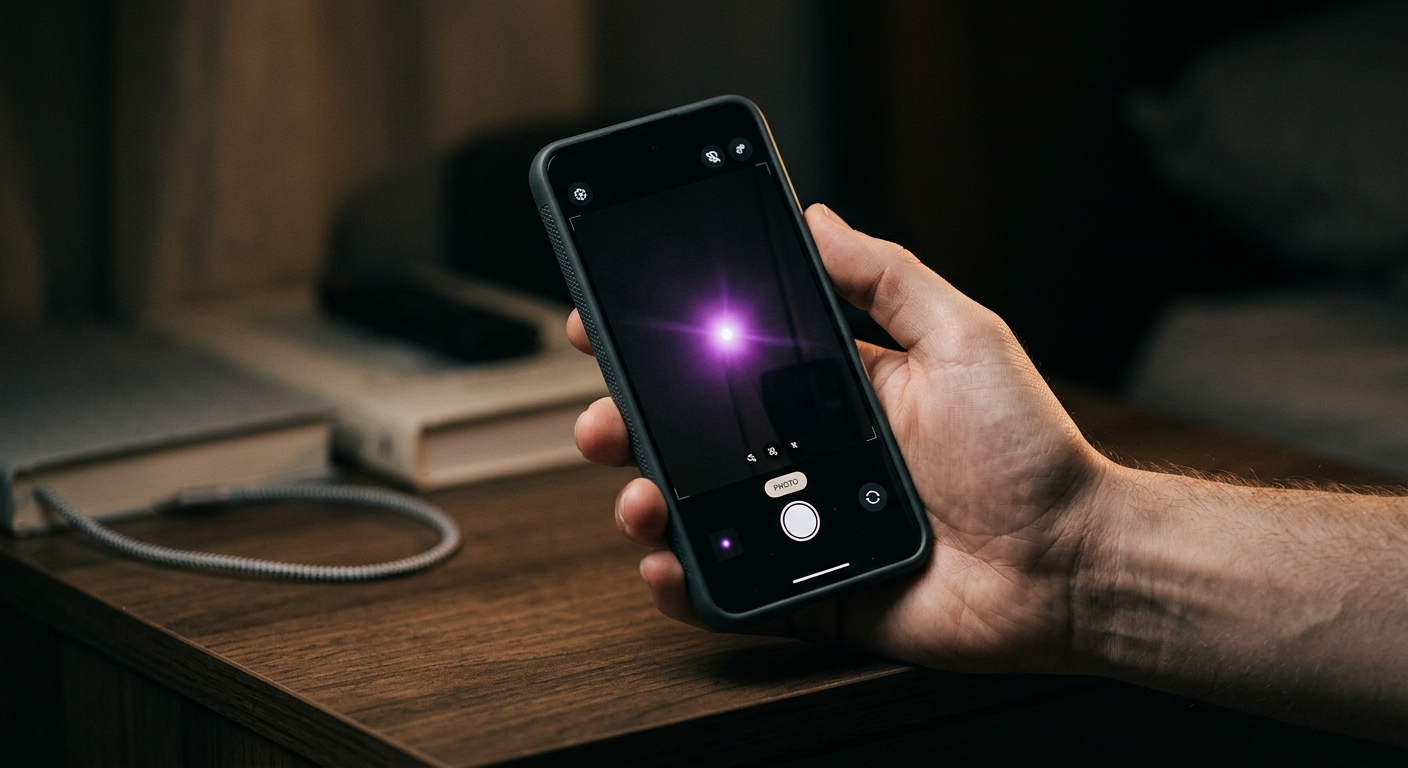
Nebraska's primary voyeurism and privacy protection statute is Neb. Rev. Stat. 28-311.08. This statute addresses three distinct categories of prohibited conduct:
- Intrusion upon seclusion -- Knowingly entering or intruding upon another person in a place of solitude or seclusion without consent
- Intimate area recording -- Knowingly and intentionally photographing, filming, or recording images of another person's intimate areas without knowledge and consent
- Distribution of intimate recordings -- Distributing non-consensual intimate images or videos
Each category carries different penalties, with distribution offenses treated most severely.
What Constitutes an "Intimate Area"
Under Nebraska law, an "intimate area" includes:
- Genitals
- Pubic area
- Buttocks
- Female breast
The statute applies to recordings that capture these areas in circumstances where the victim has a reasonable expectation of privacy. This means the law protects individuals not only in private spaces like homes and bathrooms but also in public settings where clothing or physical barriers would normally conceal these areas.
For example, using a hidden camera placed at floor level to record up someone's skirt in a grocery store violates this statute, even though the victim is in a public space. The expectation of privacy attaches to the intimate area itself, not solely to the location.
What Constitutes a "Place of Solitude or Seclusion"
The statute specifically identifies several locations as places of solitude or seclusion:
- Restrooms -- Both public and private facilities
- Tanning booths -- Commercial tanning facilities
- Locker rooms -- Athletic, workplace, and school locker rooms
- Shower rooms -- Communal and private shower facilities
- Fitting rooms -- Retail and commercial dressing areas
- Dressing rooms -- Backstage, theatrical, and similar areas
This list is not exhaustive. Courts may recognize additional locations as places of solitude or seclusion based on the circumstances and the reasonable expectations of the persons present.
Criminal Penalties in Detail
Intrusion Upon Seclusion
Knowingly intruding upon another person in a place of solitude or seclusion without consent carries the following penalties:
- First offense -- Class I misdemeanor: up to 1 year in jail, up to $1,000 fine, or both
- Second or subsequent offense -- Class IV felony: up to 2 years in prison, up to $10,000 fine, plus 12 months post-release supervision
The intrusion offense does not require the use of a recording device. Simply entering a restricted area to observe another person without consent is sufficient for criminal liability.
Intimate Area Recording
Knowingly and intentionally photographing, filming, or recording another person's intimate areas without their knowledge and consent is a Class IV felony:
- Up to 2 years in prison
- Up to $10,000 fine
- 12 months post-release supervision
Under Neb. Rev. Stat. 29-2204.02, courts must impose probation for most first-time Class IV felony convictions unless certain aggravating factors are present.
Distribution of Intimate Recordings
The most severe penalties under section 28-311.08 apply to the distribution of non-consensual intimate recordings:
| Offense Level | Classification | Penalty Range |
|---|---|---|
| First offense | Class IIA Felony | Up to 20 years in prison |
| Second offense | Class IIA Felony | Up to 20 years in prison |
| Third or subsequent offense | Class II Felony | 1 to 50 years in prison |
These penalties reflect Nebraska's recognition that distributing intimate images causes harm that extends far beyond the initial recording. The widespread dissemination of intimate images through the internet and social media can cause lasting psychological, professional, and social damage to victims.
Hidden Cameras: Specific Scenarios
Hidden Cameras in Bathrooms
Installing a hidden camera in any bathroom is one of the most clear-cut violations of Nebraska voyeurism law. Bathrooms are specifically listed as places of solitude or seclusion under section 28-311.08. A person who places a hidden recording device in a bathroom faces:
- Intrusion upon seclusion charges (Class I misdemeanor or Class IV felony)
- Intimate area recording charges (Class IV felony) if intimate areas are captured
- Distribution charges (Class IIA or Class II felony) if recordings are shared
Multiple charges can arise from a single hidden camera installation, and each victim recorded may constitute a separate offense.
Hidden Cameras in Bedrooms
While bedrooms are not specifically listed in the statute's enumeration of places of solitude or seclusion, they are among the most private spaces in a home. Courts would almost certainly consider a bedroom to be a place where a person has a reasonable expectation of privacy. Installing hidden cameras in another person's bedroom without consent can result in:
- Voyeurism charges under section 28-311.08
- Wiretapping charges under section 86-290 if audio is captured
- Civil liability for invasion of privacy
Hidden Cameras in Rental Properties
Landlords who install hidden cameras in rental units face serious criminal liability. Tenants have a strong expectation of privacy within their rented living spaces. A landlord who places hidden recording devices in a tenant's apartment, particularly in bedrooms or bathrooms, violates multiple Nebraska statutes and may face:
- Criminal charges under section 28-311.08
- Civil liability for invasion of privacy
- Lease violations and potential housing authority complaints
- Federal fair housing implications if the surveillance targets protected classes
Hidden Cameras in the Workplace
Employers cannot install hidden cameras in locations where employees have a reasonable expectation of privacy. Bathrooms, locker rooms, changing areas, and nursing rooms are strictly off-limits. While employers may use visible security cameras in common work areas, hidden cameras in private spaces violate section 28-311.08 and may also violate federal workplace privacy standards.
Relationship to the Wiretapping Statute
Nebraska's voyeurism statute (28-311.08) and wiretapping statute (86-290) address different but sometimes overlapping aspects of recording privacy:
- Section 28-311.08 targets visual recording of intimate areas and intrusion into private spaces
- Section 86-290 targets the interception of audio communications
When a hidden camera captures both video and audio, the person who installed it can face charges under both statutes. The voyeurism statute addresses the visual component, while the wiretapping statute addresses any captured audio. These charges can be brought simultaneously, as they protect different privacy interests.
Consent and Its Boundaries
What Constitutes Valid Consent
For purposes of section 28-311.08, consent must be:
- Knowing -- The person must be aware that recording will occur
- Voluntary -- Consent obtained through coercion, threats, or deception is not valid
- Specific -- Consent to be recorded in one context does not extend to other contexts
Consent to appear in a photograph or video does not automatically include consent to have intimate areas recorded. Similarly, consent to be recorded at one time does not create blanket consent for future recording.
Consent Cannot Be Given by Minors for Intimate Recording
Nebraska law provides additional protections for minors. A minor cannot consent to the recording of their intimate areas. Any person who records intimate images of a minor faces both voyeurism charges under section 28-311.08 and potential child exploitation charges under separate Nebraska statutes.
Withdrawn Consent
If a person initially consents to being recorded but later withdraws that consent, continuing to record constitutes a violation. Similarly, if intimate images were originally recorded with consent, distributing them after consent has been withdrawn violates the distribution provisions of section 28-311.08.
Civil Remedies for Victims
Tort Claims
Victims of voyeuristic recording in Nebraska can pursue civil remedies in addition to criminal prosecution. Available civil claims include:
- Invasion of privacy (intrusion upon seclusion) -- The victim can sue for the emotional distress caused by the unauthorized recording
- Intentional infliction of emotional distress -- When the conduct is sufficiently outrageous
- Negligent infliction of emotional distress -- In some circumstances
- Civil conspiracy -- If multiple individuals participated in the voyeuristic activity
Damages Available
Civil plaintiffs in voyeurism cases may recover:
- Compensatory damages for emotional distress, anxiety, and psychological harm
- Medical and therapy expenses
- Lost wages if the victim was unable to work due to the impact of the violation
- Punitive damages in cases of particularly egregious conduct
- Attorney's fees and court costs
Statute of Limitations
Civil claims for invasion of privacy in Nebraska are generally subject to a four-year statute of limitations under Neb. Rev. Stat. 25-207. For claims arising from the interception of communications, Neb. Rev. Stat. 86-297 provides a two-year limitations period from the date of discovery.
The Biometric Autonomy Liberty Law and Voyeurism
Nebraska's Biometric Autonomy Liberty Law (LB204), effective January 1, 2026, adds another dimension to privacy protection in the context of hidden cameras and surveillance. If a hidden camera system uses facial recognition or other biometric processing to identify individuals, the operator faces liability under both the voyeurism statute and LB204.
The biometric law requires explicit written consent before collecting any biometric identifiers, including facial geometry data. A hidden camera system that secretly captures and processes individuals' facial data violates both the spirit and letter of LB204, in addition to any applicable voyeurism charges.
Sex Offender Registration
Depending on the specific charges and circumstances, a conviction for voyeuristic recording in Nebraska may trigger sex offender registration requirements under the Nebraska Sex Offender Registration Act (Neb. Rev. Stat. 29-4003). This is particularly likely when:
- The victim is a minor
- The offense involves sexual motivation
- The recording captures sexual acts or nudity
- The offense is charged alongside sexual assault or exploitation offenses
Sex offender registration in Nebraska carries lifetime consequences, including restrictions on where an individual can live and work, regular reporting requirements, and public listing on the sex offender registry.
Defenses to Voyeurism Charges
Lack of Knowledge or Intent
Section 28-311.08 requires that the recording be made "knowingly and intentionally." A defendant who can demonstrate that the recording was accidental or unintentional may have a valid defense. For example, a security camera that incidentally captures footage of a dressing area due to poor placement, without any intent to record intimate areas, may not satisfy the knowledge and intent requirements.
Consent
Demonstrating that the recorded person gave valid, knowing consent is a complete defense to voyeurism charges. However, the burden typically falls on the defendant to prove consent, and courts scrutinize consent claims carefully in voyeurism cases.
Constitutional Challenges
In limited circumstances, defendants have raised First Amendment challenges to voyeurism statutes. Courts have generally rejected these challenges, finding that the government's interest in protecting personal privacy outweighs any claimed speech or expression interest in voyeuristic recording.
Reporting Voyeurism in Nebraska
If you believe you are a victim of voyeuristic recording or have discovered a hidden camera, you should:
- Do not touch or move the device -- Preserving the evidence as found helps law enforcement investigate
- Contact local law enforcement -- Call 911 if you are in immediate danger, or contact your local police department to file a report
- Document the scene -- If possible, photograph the location of the device and your surroundings
- Contact an attorney -- A lawyer can help you pursue both criminal charges and civil remedies
- Seek support -- The Nebraska Domestic Violence Sexual Assault Coalition provides resources for victims
More Nebraska Laws
- Nebraska Recording Laws
- Nebraska Whistleblower Laws
- Nebraska Sexting Laws
- Nebraska Car Seat Laws
- Nebraska Dog Bite Laws
- Nebraska Child Support Laws
- Nebraska Recording Laws
- Nebraska Lemon Laws
More Nebraska Recording Laws
Audio Recording | Video Recording | Voyeurism & Hidden Cameras | Workplace Recording | Recording Police | Phone Call Recording | Security Cameras | Recording in Public | Landlord-Tenant | Dashcam Laws | Schools | Medical Recording
Sources and References
- Neb. Rev. Stat. 28-311.08 -- Unlawful intrusion and intimate image recording(nebraskalegislature.gov).gov
- Neb. Rev. Stat. 86-290 -- Interception of communications; lawful and unlawful conduct(nebraskalegislature.gov).gov
- Neb. Rev. Stat. 29-4003 -- Nebraska Sex Offender Registration Act(nebraskalegislature.gov).gov
- Neb. Rev. Stat. 86-297 -- Civil remedies for unlawful interception(nebraskalegislature.gov).gov
- Neb. Rev. Stat. 29-2204.02 -- Class IV felony sentencing; mandatory probation(nebraskalegislature.gov).gov
- LB204 -- Biometric Autonomy Liberty Law(nebraskalegislature.gov).gov