Connecticut Video Recording Laws: Consent, Surveillance, and Privacy Rules (2026)
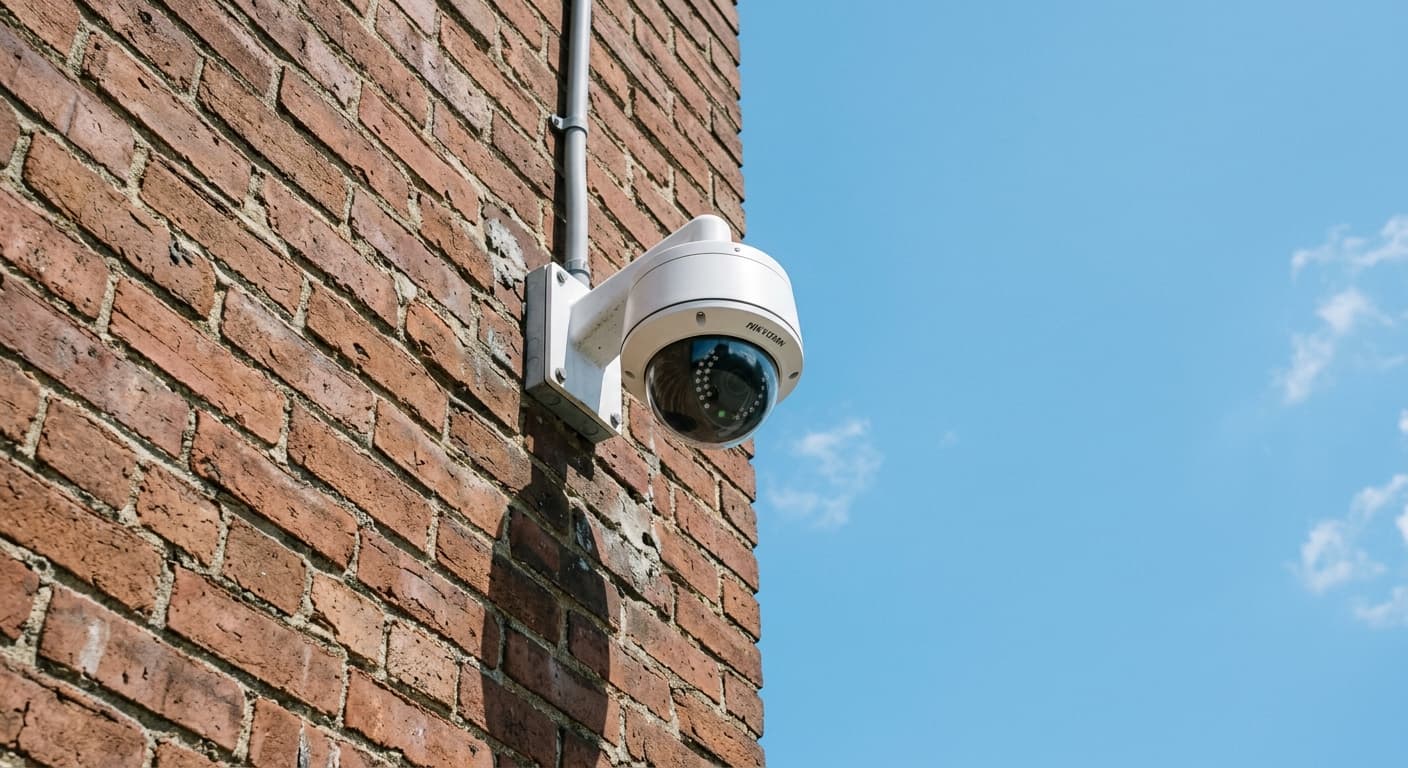
Connecticut does not have a single statute dedicated exclusively to video recording. Instead, the legality of video recording depends on several factors: whether the recording captures audio, where the recording takes place, and whether the people being recorded have a reasonable expectation of privacy. Understanding how these factors interact is essential for anyone using video cameras, security systems, body cameras, or smartphone video in the state.
This guide covers Connecticut's video recording legal framework as of 2026, including silent video rules, audio-enabled video, voyeurism laws, workplace surveillance requirements, and your rights to record in public spaces.
Silent Video Recording in Connecticut
General Rule: No Specific Prohibition
Connecticut's recording statutes under CGS 53a-187 primarily target audio recordings. The definitions of "wiretapping" and "mechanical overhearing of a conversation" both refer to overhearing or recording communications, which means spoken words. Pure video recording without any audio capture falls outside the scope of these audio-focused eavesdropping statutes.
This means that recording video without audio is generally permitted in Connecticut, provided the recording occurs in a location where the subjects do not have a reasonable expectation of privacy.
Where Silent Video Is Legal
- Public streets, sidewalks, and parks: No expectation of privacy exists in these open areas
- Business establishments open to the public: Stores, restaurants, and other public-facing businesses
- Your own property: You may install video cameras on and around your home
- Common areas of commercial buildings: Lobbies, hallways, and parking areas
Where Silent Video Is Restricted
Even without audio, video recording violates Connecticut law when it intrudes on a person's reasonable expectation of privacy. This includes:
- Restrooms and changing rooms: Recording in these areas constitutes voyeurism under CGS 53a-189a
- Private bedrooms and hotel rooms: Areas where privacy expectations are highest
- Locker rooms: Protected under both voyeurism statutes and workplace monitoring laws
- Any location where a person would reasonably expect not to be observed
Video Recording with Audio
When Audio Changes Everything

The moment a video recording captures audio of a conversation, Connecticut's consent rules apply. This distinction is critical because most modern video recording devices, including smartphones, security cameras, body cameras, and smart glasses, record audio by default.
For in-person video recordings that capture audio, the one-party consent rule under CGS 53a-187 applies. If you are a participant in the conversation being recorded, your consent is sufficient.
For video calls or recordings of telephone conversations, the all-party consent rule under CGS 52-570d applies. Every person on the call must consent to the recording before it begins.
Practical Impact
This means that a security camera recording only video is subject to different legal analysis than the same camera with its microphone enabled. A homeowner who installs a video doorbell that captures audio of conversations on their porch needs to consider the audio recording implications, not just the video component.
Connecticut Voyeurism Law: CGS 53a-189a
What the Statute Prohibits

CGS 53a-189a specifically criminalizes voyeurism in Connecticut. The statute prohibits knowingly recording another person without their knowledge or consent in a place where they have a reasonable expectation of privacy. This covers:
- Using hidden cameras in bathrooms, bedrooms, changing rooms, or locker rooms
- Recording intimate images of a person without their consent
- Distributing intimate images that were recorded without consent
- Any video recording that captures a person in a state of undress in a private setting
Penalties for Voyeurism
Connecticut imposes severe penalties for voyeurism offenses:
| Offense | Classification | Maximum Prison | Maximum Fine |
|---|---|---|---|
| First offense | Class D Felony | 5 years | $5,000 |
| Subsequent offense | Class C Felony | 10 years | $10,000 |
| First offense involving a minor under 16 | Class C Felony | 10 years | $10,000 |
The escalation to a Class C felony for repeat offenses and cases involving minors reflects the seriousness with which Connecticut treats these violations. A person convicted of voyeurism may also face sex offender registration requirements depending on the circumstances.
Hidden Cameras
Installing a hidden camera in a location where someone has a reasonable expectation of privacy is illegal regardless of whether the camera records audio. This applies to landlords who place hidden cameras in rental properties, employers who install covert surveillance in private areas, and individuals who use hidden cameras to record intimate partners or others without consent.
Workplace Video Surveillance
Employer Notice Requirements Under CGS 31-48d
Connecticut is one of the few states with a specific statute requiring employers to notify employees about electronic monitoring, including video surveillance. Under CGS 31-48d, employers must:
- Provide prior written notice to each employee before engaging in any form of electronic monitoring, including video surveillance
- Post a notice in a conspicuous location visible to all affected employees describing the types of monitoring that may occur
- Deliver individual notice at the time of hiring or when monitoring is first implemented
Prohibited Monitoring Areas Under CGS 31-48b
CGS 31-48b prohibits employers from conducting any form of electronic monitoring in areas designated for employee health or personal comfort. This includes:
- Restrooms
- Locker rooms
- Lounges and break areas designated for personal comfort
- Lactation rooms
Video cameras are absolutely prohibited in these areas, regardless of whether the employer has provided notice or obtained consent.
Employer Monitoring Penalties
Employers who violate the monitoring notice requirements of CGS 31-48d face escalating fines:
| Violation | Penalty |
|---|---|
| First offense | $500 |
| Second offense | $1,000 |
| Each subsequent offense | $3,000 |
Exception for Investigating Misconduct
CGS 31-48d includes an exception that allows employers to conduct monitoring without prior written notice when the employer has reasonable grounds to believe that employees are engaged in conduct that violates the law, violates the legal rights of the employer or another employee, or creates a hostile work environment. This exception is narrow and requires a documented, good-faith basis for the investigation.
Audio on Workplace Cameras
If workplace security cameras have audio recording capability, enabling that audio triggers additional legal requirements. In-person conversations captured by workplace cameras fall under the one-party consent rule, but since no participant in the conversation is likely consenting to the camera's audio capture, this could constitute illegal mechanical overhearing. Employers should disable audio on workplace surveillance cameras or ensure proper notice and consent procedures are in place.
Recording in Public Spaces
First Amendment Protections
The First Amendment protects the right to record in public spaces where there is no reasonable expectation of privacy. This right extends to video recording on public sidewalks, in parks, at public events, and in other areas open to the general public.
Connecticut does not have a specific statute addressing public video recording, but courts have consistently recognized the First Amendment right to record matters of public interest in public places.
Public Events and Meetings
Connecticut's Freedom of Information Act (FOIA) guarantees the public's right to attend and record open meetings of government bodies. This includes town council meetings, board of education sessions, planning and zoning hearings, and other official proceedings. Video recording of these public meetings is permitted.
Private Property Open to the Public
Businesses and organizations that open their premises to the public may set their own rules about video recording. A store owner can prohibit customers from recording inside the store. A theater can ban video recording during performances. These are private property rules, not state recording laws, and the penalty for violation is typically being asked to leave or being charged with trespass if you refuse.
Home Security Video Systems
Recording Your Own Property
Homeowners in Connecticut have broad rights to install video surveillance on their own property. You may place cameras on your home, pointed at your driveway, yard, front door, and other areas of your property. These cameras may also capture public areas like sidewalks and streets visible from your property.
Pointing Cameras at Neighbors
While you may record areas visible from your own property, deliberately pointing cameras to record a neighbor's private areas, such as bedroom windows or enclosed backyards, can constitute an invasion of privacy. Connecticut courts apply a reasonableness standard: cameras that capture incidental views of neighboring property are generally acceptable, while cameras deliberately aimed at private spaces may be actionable.
Audio on Home Security Cameras
Many home security cameras and video doorbells record audio by default. When these devices capture conversations, the audio recording rules apply. For in-person conversations picked up by the device, one-party consent applies, but since the homeowner may not be participating in every conversation captured, there is a risk of recording without any party's consent. Consider disabling audio on outdoor cameras or posting clear signage indicating that audio and video recording is in progress.
Video Recording and Drones
FAA Regulations
Drone operators in Connecticut must comply with Federal Aviation Administration (FAA) regulations, which require registration for drones weighing more than 0.55 pounds and compliance with airspace restrictions. The FAA sets the baseline rules for where and how drones can fly.
Connecticut Drone Privacy
Using a drone equipped with a camera to record video of people in areas where they have a reasonable expectation of privacy can violate Connecticut's voyeurism and privacy laws. Flying a drone to peer into windows, record people in fenced backyards, or capture images of people in private settings is not protected simply because the recording happens from the air.
Municipal Regulations
Several Connecticut municipalities have adopted their own drone regulations that may impose additional restrictions on aerial video recording. Operators should check local ordinances before flying drones with cameras in residential areas.
Video Calls and Virtual Meetings
Recording Zoom, Teams, and Other Platforms
Video calls conducted through Zoom, Microsoft Teams, Google Meet, FaceTime, and similar platforms are subject to Connecticut's telephone recording rules under CGS 52-570d. Because these are electronic communications rather than in-person conversations, all-party consent is required before recording.
Most platforms provide built-in recording notifications that alert participants when someone starts recording. While these notifications are helpful, the safest practice is to verbally announce the recording and confirm that all participants consent.
Screen Recording
Screen recording tools that capture video of a meeting or call are also subject to the all-party consent requirement when they capture audio. A screen recording that captures only visual content without audio is treated differently, but most screen recordings of video calls include audio.
Body Cameras and Wearable Video Devices
Private Citizens
Connecticut residents who wear body cameras or use wearable video devices in public may do so legally, as there is no general prohibition on video recording in public spaces. However, if the device captures audio, the one-party consent rule applies to in-person interactions. The wearer must be a participant in any conversation the device records.
Law Enforcement Body Cameras
Connecticut police departments have increasingly adopted body-worn cameras. These cameras are governed by departmental policies and state regulations regarding when they must be activated, how footage is stored, and when the public can access recordings through FOIA requests.
Employer-Issued Wearable Devices
Employers who provide wearable video devices to employees must comply with the notice requirements of CGS 31-48d. Written notice must be provided before employees begin using the devices, and the notice must describe the types of monitoring involved.
More Connecticut Laws
- Connecticut Recording Laws
- Connecticut Whistleblower Laws
- Connecticut Recording Laws
- Connecticut Hit and Run Laws
- Connecticut Child Support Laws
- Connecticut Recording Laws
- Connecticut Recording Laws
- Connecticut Recording Laws
More Connecticut Recording Laws
Audio Recording | Video Recording | Voyeurism & Hidden Cameras | Workplace Recording | Recording Police | Phone Call Recording | Security Cameras | Recording in Public | Landlord-Tenant | Dashcam Laws | Schools | Medical Recording
Sources and References
- Conn. Gen. Stat. 53a-187 - Eavesdropping Definitions(www.cga.ct.gov).gov
- Conn. Gen. Stat. 53a-189a - Voyeurism(www.cga.ct.gov).gov
- Conn. Gen. Stat. 52-570d - Recording of Telephone Communications(www.cga.ct.gov).gov
- Conn. Gen. Stat. 31-48d - Employer Electronic Monitoring(www.cga.ct.gov).gov
- Conn. Gen. Stat. 31-48b - Restrictions on Employer Monitoring(www.cga.ct.gov).gov
- FAA - Unmanned Aircraft Systems(www.faa.gov).gov
- Connecticut Freedom of Information Commission(portal.ct.gov).gov