Connecticut Medical Recording Laws: Patients, Doctors, and HIPAA Rules (2026)

Recording in medical settings raises unique legal questions that sit at the intersection of Connecticut's recording consent laws, federal HIPAA privacy regulations, and healthcare facility policies. Whether you are a patient who wants to record a doctor's instructions, a caregiver documenting a loved one's treatment, or a healthcare provider considering recording for quality improvement, the rules are different from other recording contexts.
This guide covers Connecticut's medical recording legal framework as of 2026, including patient recording rights, provider obligations, HIPAA considerations, telehealth recording rules, and hospital surveillance.
Patient Recording Rights
In-Person Medical Appointments
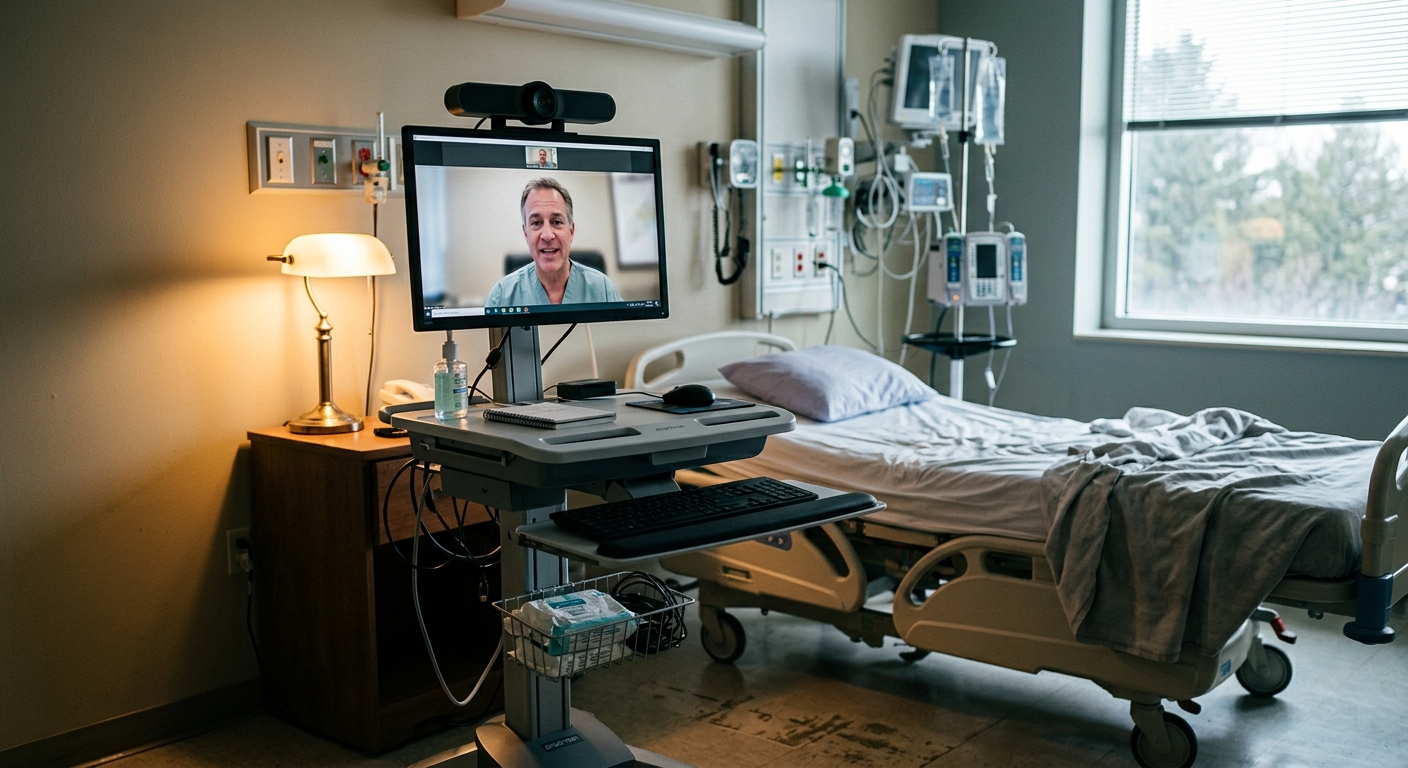
Under Connecticut's one-party consent rule (CGS 53a-187), patients may record in-person conversations with their healthcare providers without notifying or obtaining consent from the provider. As a participant in the conversation, the patient's own consent satisfies the legal requirement.
This means you can legally record:
- Office visits with your primary care physician, specialist, or other provider
- Pre-surgical consultations where the surgeon explains the procedure, risks, and alternatives
- Diagnostic discussions where the doctor explains test results or a diagnosis
- Treatment planning conversations about medications, therapies, or lifestyle changes
- Discharge instructions at a hospital or outpatient facility
- Second opinion consultations with new providers
Why Patients Record Medical Appointments
Research shows that patients forget a significant portion of what their doctors tell them during appointments. Recording serves several practical purposes:
- Improving recall: Patients can review instructions about medications, dosing, side effects, and follow-up care
- Sharing with family: Recordings allow patients to share information with caregivers and family members who were not present
- Continuity of care: Recordings provide a reference when transitioning between providers
- Documenting informed consent discussions: Pre-surgical recordings document what risks and alternatives were explained
- Malpractice documentation: In rare cases, recordings serve as evidence of what a provider communicated
Facility Recording Policies
While Connecticut law permits patients to record in-person medical conversations, individual healthcare facilities may have their own recording policies. Some hospitals, clinics, and medical offices prohibit or restrict recording by patients or visitors. These policies are typically posted or included in patient registration materials.
If a facility's policy prohibits recording:
- The facility can ask you to stop recording
- If you refuse, the facility can ask you to leave (except in emergency situations)
- The facility cannot refuse medically necessary emergency care solely because you are recording
- Violating the policy does not create criminal liability under state recording law, but it may affect your relationship with the provider
Other Patients' Privacy
When recording in a medical setting, be aware that your recording may capture conversations or images of other patients. In a shared waiting room, emergency department, or multi-bed hospital room, your recording could capture other patients' protected health information. Take care to limit your recording to your own interactions and avoid capturing other patients' private information.
Recording Telehealth Appointments
All-Party Consent Required
Telehealth appointments conducted by phone or video call are subject to Connecticut's all-party consent rule under CGS 52-570d. Unlike in-person visits, recording a telehealth appointment requires the consent of all parties, including the healthcare provider.
This distinction is important because telehealth has become a routine part of Connecticut healthcare. Before recording a telehealth visit:
- Inform your provider at the start of the call that you would like to record
- Obtain their verbal consent on the recording
- If the provider declines, respect their decision and take written notes instead
- Ask if the provider can send a written summary of the visit through the patient portal
Platform Recording Features
Many telehealth platforms (Zoom, Doxy.me, Teladoc) have built-in recording features. When the provider or patient activates recording, the platform typically notifies all participants. This notification helps establish consent, but verbal confirmation is still the best practice.
Provider-Initiated Telehealth Recording
Healthcare providers who record telehealth sessions for quality assurance, training, or documentation purposes must obtain patient consent. The provider should clearly explain what will be recorded, how the recording will be used, and how long it will be retained.
HIPAA and Recording
What HIPAA Does and Does Not Cover
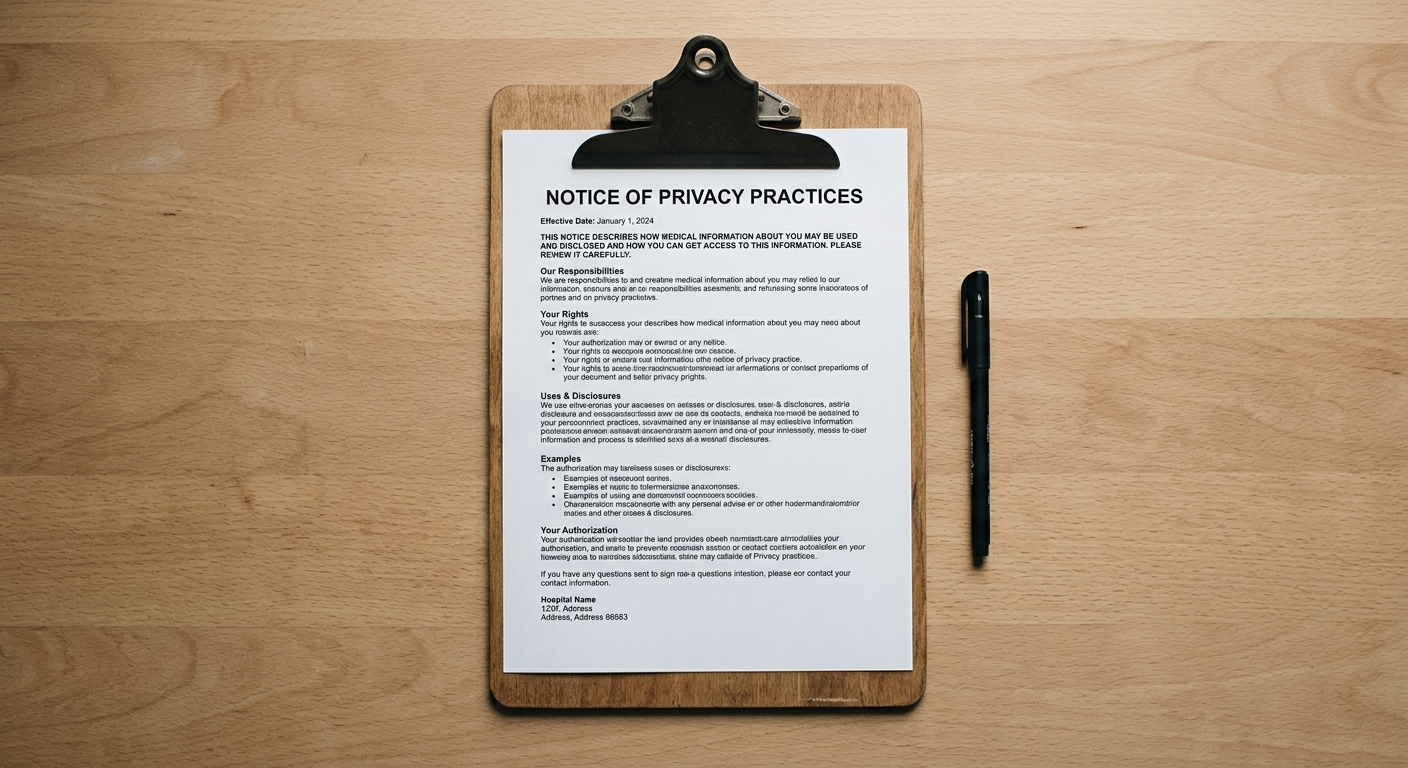
The Health Insurance Portability and Accountability Act (HIPAA) is a federal law that governs how healthcare providers, health plans, and healthcare clearinghouses handle protected health information (PHI). It is important to understand what HIPAA does and does not do in the context of medical recording.
HIPAA does NOT:
- Prohibit patients from recording their own medical appointments
- Prevent patients from sharing recordings of their own medical visits
- Apply to patients, family members, or the general public (HIPAA applies only to "covered entities" and their "business associates")
- Override Connecticut's one-party consent rule that permits patients to record in-person conversations
HIPAA DOES:
- Restrict how healthcare providers record, store, and share patient information
- Require providers to obtain patient authorization before using recordings for purposes beyond treatment, payment, and healthcare operations
- Impose penalties on providers who improperly disclose patient health information
- Apply to any recording made by a provider that contains patient PHI
Provider Recording Obligations Under HIPAA
Healthcare providers who record patient interactions must comply with HIPAA's privacy and security rules:
- Minimum necessary standard: Providers should record only the minimum necessary information for the stated purpose
- Patient authorization: Recording for research, marketing, or purposes beyond treatment typically requires written patient authorization
- Security safeguards: Recordings containing PHI must be stored securely with access limited to authorized personnel
- Breach notification: If recordings containing PHI are improperly accessed or disclosed, the provider must follow HIPAA breach notification procedures
The HHS Office for Civil Rights enforces HIPAA and investigates complaints about improper disclosure of patient health information.
Healthcare Provider Recording of Patients
Clinical Documentation
Healthcare providers may record patient interactions for legitimate clinical documentation purposes with proper consent. This includes:
- Recording surgical procedures for the medical record
- Audio or video documentation of physical therapy sessions to track progress
- Recording patient symptoms or behaviors for diagnostic purposes
- Telehealth session recording for documentation
Quality Assurance and Training
Providers who record patient interactions for quality assurance or training purposes must:
- Obtain specific patient consent explaining the purpose of the recording
- Ensure recordings are stored securely and accessed only by authorized personnel
- De-identify recordings used for training when possible
- Comply with HIPAA requirements for the use of PHI
Medical Research
Recording patient interactions for research requires additional protections:
- Informed consent specific to the research purpose
- Institutional Review Board (IRB) approval
- Compliance with federal research regulations and HIPAA's research provisions
- Data security measures appropriate for the sensitivity of the information
Hospital and Medical Facility Surveillance
Security Cameras in Hospitals
Connecticut hospitals and medical facilities may install security cameras in common areas such as:
- Lobbies, entrances, and exits
- Hallways and corridors
- Parking structures and exterior areas
- Emergency department waiting areas
- Cafeterias and gift shops
Prohibited Camera Locations
Cameras are prohibited in areas where patients have a heightened expectation of privacy:
- Patient rooms (unless the patient consents for specific medical monitoring purposes)
- Restrooms and bathrooms
- Examination rooms (unless required for a specific clinical purpose with patient consent)
- Changing areas
- Mental health treatment areas where recording could compromise treatment
Installing cameras in these areas without consent violates CGS 53a-189a (voyeurism) and potentially HIPAA.
Audio on Hospital Cameras
Audio-enabled cameras in hospital settings create both state law and HIPAA concerns. Conversations captured by hospital cameras may include protected health information. Hospitals should disable audio on security cameras or implement strict policies to ensure compliance with both Connecticut recording law and HIPAA.
Patient Monitoring Systems
Hospitals use video monitoring systems in certain clinical settings, such as:
- ICU monitoring for critically ill patients
- Fall prevention monitoring for at-risk patients
- Observation of patients under psychiatric hold
- Remote monitoring of neonatal units
These clinical monitoring systems are used for patient safety and treatment purposes with appropriate consent or legal authority.
Recording for Caregivers and Family Members
Accompanying a Patient
Family members and caregivers who accompany a patient to an in-person medical appointment may record the conversation under the one-party consent rule, as long as they are a participant in the discussion. If the doctor is speaking directly to both the patient and the family member, the family member's consent is sufficient.
However, if the family member is simply present in the room but not participating in the conversation, their right to record is less clear. The safest approach is for the patient to be aware of and agree to the recording.
Recording for Incapacitated Patients
When a patient is incapacitated or unable to make decisions, their healthcare proxy or legal guardian may need to record medical interactions on their behalf. Under Connecticut's healthcare proxy statute, a designated proxy can make healthcare decisions for the patient, which may extend to recording medical conversations for documentation purposes.
Nursing Home and Long-Term Care Monitoring
Family members concerned about the care their loved one receives in a Connecticut nursing home or long-term care facility may want to install a camera in the patient's room. This is a sensitive area where privacy laws, facility policies, and patient care intersect:
- The patient (if competent) or their legal representative should consent to the camera
- Roommates in shared rooms must also be considered, as they have their own privacy rights
- Facility policies may restrict or prohibit cameras in patient rooms
- Audio recording in the room triggers Connecticut's consent rules
Connecticut does not have a specific "granny cam" statute authorizing cameras in nursing homes, so general recording laws and facility policies govern.
Mental Health Recording
Heightened Privacy Protections
Mental health treatment records receive additional privacy protections under both federal and Connecticut law. 42 CFR Part 2 provides strict protections for substance abuse treatment records, and Connecticut law provides additional protections for mental health records.
Patients may still record their own in-person therapy sessions under the one-party consent rule. However, many mental health providers consider recording to be clinically inappropriate because it may inhibit the therapeutic process. Providers may include a no-recording clause in their treatment agreements.
Psychiatric Facility Recording
Recording inside psychiatric facilities raises unique concerns related to patient safety, the privacy of other patients, and the therapeutic environment. These facilities typically have strict policies prohibiting recording devices.
Practical Tips for Patients
- For in-person visits, you have the legal right to record under Connecticut's one-party consent rule
- For telehealth visits, you need your provider's consent before recording
- Check your healthcare facility's recording policy before your appointment
- If you plan to record, position your phone or device where it will clearly capture the conversation
- Tell your doctor you would like to record if you prefer a transparent approach, though you are not legally required to
- Do not capture other patients' information in your recordings
- Use recordings to improve your understanding of medical instructions, not as leverage against your provider
Practical Tips for Healthcare Providers
- Develop a clear recording policy and communicate it to patients at registration
- If a patient records an in-person visit, remember they have a legal right to do so under Connecticut law
- Obtain specific consent before recording patients for quality assurance, training, or research
- Ensure all recordings containing PHI are stored securely per HIPAA requirements
- Disable audio on security cameras in clinical areas
- Train staff on the interaction between Connecticut recording law and HIPAA
- For telehealth sessions, use platforms with built-in recording notifications and consent features
More Connecticut Laws
- Connecticut Recording Laws
- Connecticut Whistleblower Laws
- Connecticut Recording Laws
- Connecticut Recording Laws
- Connecticut Hit and Run Laws
- Connecticut Child Support Laws
- Connecticut Recording Laws
- Connecticut Recording Laws
More Connecticut Recording Laws
Audio Recording | Video Recording | Voyeurism & Hidden Cameras | Workplace Recording | Recording Police | Phone Call Recording | Security Cameras | Recording in Public | Landlord-Tenant | Dashcam Laws | Schools | Medical Recording
Sources and References
- Conn. Gen. Stat. 53a-187 - Eavesdropping Definitions(www.cga.ct.gov).gov
- Conn. Gen. Stat. 52-570d - Recording of Telephone Communications(www.cga.ct.gov).gov
- Conn. Gen. Stat. 53a-189a - Voyeurism(www.cga.ct.gov).gov
- HIPAA - U.S. Department of Health and Human Services(www.hhs.gov).gov
- HHS Office for Civil Rights(www.hhs.gov).gov
- Connecticut Department of Public Health(portal.ct.gov).gov
- 42 CFR Part 2 - Substance Abuse Treatment Records(www.ecfr.gov).gov