Connecticut Dashcam Laws: Mounting Rules, Audio Recording, and Evidence (2026)
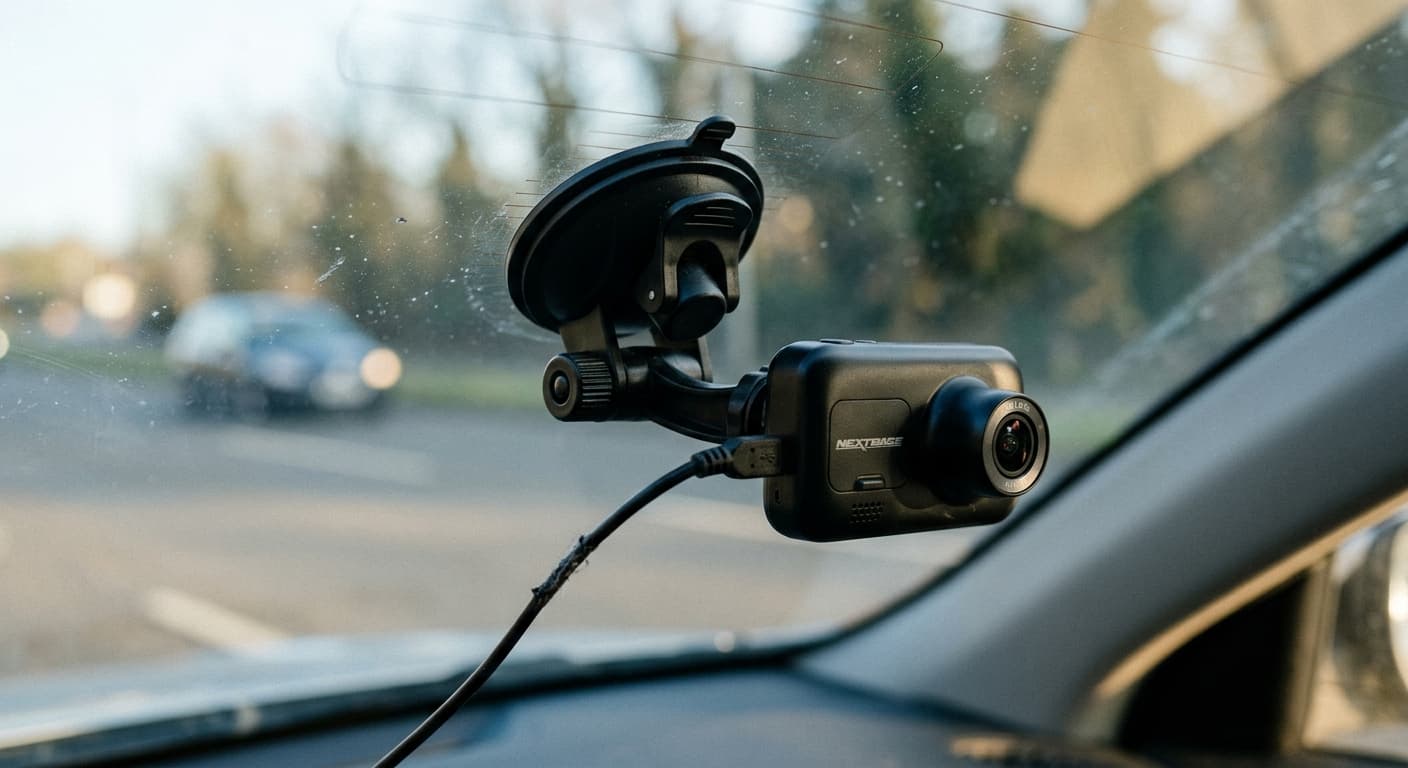
Dashcams have become an essential tool for Connecticut drivers, providing video evidence of accidents, traffic violations, road rage incidents, and other events. Connecticut law permits the use of dashcams, but drivers must navigate rules about windshield mounting, audio recording, and employer monitoring requirements for commercial vehicles.
This guide covers Connecticut's dashcam legal framework as of 2026, including mounting requirements, audio recording rules, using dashcam footage as evidence, employer fleet dashcams, and privacy considerations.
Are Dashcams Legal in Connecticut?
Yes, With Mounting Restrictions
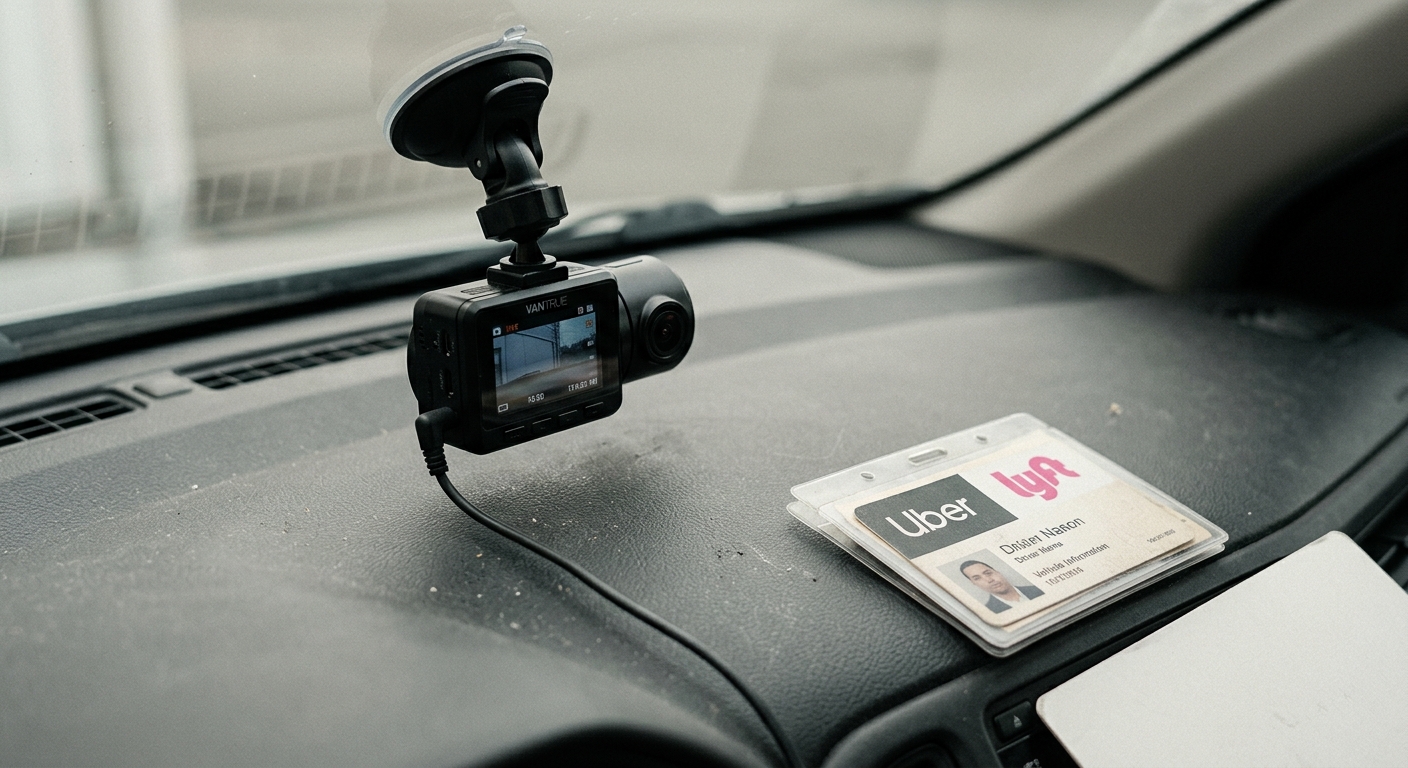
Dashcams are legal in Connecticut. No state law prohibits the use of dashboard cameras in private vehicles. However, the way you mount your dashcam matters. Connecticut regulates objects placed on windshields to ensure they do not obstruct the driver's view.
Windshield Mounting Rules Under CGS 14-99f
CGS 14-99f regulates windshield obstructions in Connecticut. The statute prohibits any material that "materially obstructs, obscures or impairs" the driver's clear view through the windshield. This does not specifically mention dashcams, but it sets the standard for any device mounted on the windshield.
To comply with this requirement:
- Mount the dashcam behind the rearview mirror where it does not block the driver's forward view
- Use a small, compact dashcam that minimizes the area of windshield covered
- Avoid mounting in the center of the windshield or in the driver's direct line of sight
- Ensure the dashcam and its wiring do not interfere with the operation of the vehicle
Dashboard and Non-Windshield Mounting
Alternatively, you can mount your dashcam on the dashboard itself, on the rearview mirror, or on a suction cup positioned at the edge of the windshield. These placements avoid the windshield obstruction issue entirely and keep the camera out of the driver's primary field of vision.
Video Recording While Driving
Public Roads: No Expectation of Privacy
Dashcam video recording of public roads, traffic, other vehicles, and pedestrians on public streets is generally legal. People and vehicles on public roads have a reduced expectation of privacy. Recording what you can see from your vehicle as you drive is comparable to looking out the window, and the law does not prohibit it.
What Your Dashcam Can Record
Legal dashcam video recording includes:
- Traffic conditions and road hazards
- Other vehicles, including their license plates
- Pedestrians and cyclists on public roads and sidewalks
- Traffic accidents and near-misses
- Police encounters and traffic stops
- Road infrastructure, signage, and traffic signals
- Weather conditions affecting driving
Privacy Limitations on Video
While recording on public roads is generally permissible, using a dashcam to intentionally record into private property, such as aiming the camera at someone's windows or into their yard, could raise privacy concerns. A dashcam that incidentally captures private property while recording the road ahead is not a problem. A camera deliberately positioned to surveil a specific private area may be.
Audio Recording Rules for Dashcams
The Critical Audio Question
Many modern dashcams record audio by default, capturing conversations inside the vehicle as well as external sounds. This audio component is where Connecticut's consent laws come into play.
In-Car Conversations: One-Party Consent
When your dashcam records audio of conversations inside your vehicle, Connecticut's one-party consent rule under CGS 53a-187 applies. Since you are the driver and a participant in any conversation happening in your car, your consent satisfies the one-party requirement. You do not need to tell your passengers that the dashcam is recording audio.
However, consider these scenarios:
- You are alone in the car: No consent issue, as there is no one else's conversation to capture.
- You are talking with a passenger: Your one-party consent covers the recording.
- Passengers are talking to each other and you are not participating: If you are not part of the conversation and no passenger consents, the audio recording of their private discussion could be problematic. In practice, if you are present in the vehicle and the conversation includes you, the risk is minimal.
Phone Calls in the Car
If your dashcam captures audio of a phone call being made in the vehicle, CGS 52-570d requires all-party consent for telephone recording. The person on the other end of the call has not consented to being recorded by your dashcam. To avoid this issue:
- Disable audio recording on your dashcam when making phone calls
- Inform the other party that your dashcam records audio and obtain their consent
- Use headphones or earbuds to keep the call audio off the dashcam microphone
Practical Audio Recommendation
The simplest approach to avoid consent issues is to disable audio recording on your dashcam entirely. Video-only recording captures the most important evidence (road conditions, accidents, traffic stops) without creating audio consent complications. If you prefer to keep audio enabled, inform passengers that the dashcam records sound.
Dashcam Footage as Evidence
Traffic Accidents
Dashcam footage is one of the most valuable forms of evidence in traffic accident cases. It can show:
- Which driver ran a red light or stop sign
- Speed and direction of travel at the time of impact
- Road and weather conditions at the time of the accident
- Actions of all drivers in the moments before the collision
- The sequence of events in a multi-vehicle accident
Admissibility in Connecticut Courts
Dashcam footage is admissible in Connecticut courts if it meets standard evidentiary requirements:
- Authentication: You must be able to verify the footage is from your dashcam, recorded at the relevant time and place
- Relevance: The footage must be relevant to the matter at issue
- Integrity: The footage must not have been edited, altered, or tampered with
- Legal recording: The footage must have been obtained legally
Video-only dashcam footage recorded on public roads almost always meets these requirements. Audio components may face additional scrutiny under CGS 52-570d if they capture telephone conversations without consent.
Insurance Claims
Dashcam footage can significantly strengthen insurance claims by providing objective evidence of:
- Fault in an accident
- The extent of vehicle damage
- Whether traffic laws were being followed
- Fraudulent accident claims or staged accidents
Connecticut insurance companies increasingly accept dashcam footage as supporting evidence for claims. Having clear video evidence can speed up the claims process and help resolve disputes about fault.
Traffic Violations and Criminal Cases
Dashcam footage can be used in traffic violation cases and criminal proceedings. If your dashcam captures a hit-and-run, road rage assault, DUI, or other crime, the footage can be provided to law enforcement and may be used as evidence in prosecution.
Commercial Vehicle and Fleet Dashcams
Employer Monitoring Requirements
When employers install dashcams in commercial vehicles driven by employees, Connecticut's employer electronic monitoring statute applies. Under CGS 31-48d, employers must:
- Provide prior written notice to employees before installing dashcams in company vehicles
- Post a conspicuous notice describing the monitoring
- Deliver notice at the time of hiring or when dashcam monitoring begins
Audio in Commercial Dashcams
If commercial dashcams record audio, the employer faces additional obligations:
- Employee notice under CGS 31-48d
- One-party consent considerations for in-vehicle conversations
- All-party consent requirements under CGS 52-570d for phone calls captured by the dashcam
Many fleet management companies recommend disabling audio on commercial dashcams to simplify compliance.
Employer Monitoring Penalties
Employers who install dashcams without proper notice face penalties under CGS 31-48d:
| Violation | Penalty |
|---|---|
| First offense | $500 |
| Second offense | $1,000 |
| Each subsequent offense | $3,000 |
GPS Tracking in Commercial Vehicles
Many commercial dashcam systems include GPS tracking. GPS monitoring of company vehicles constitutes electronic monitoring under CGS 31-48d and requires the same written notice. Employers must inform employees that their location is being tracked and explain how the data will be used.
Rideshare and Taxi Dashcams
Rideshare Driver Dashcams
Rideshare drivers (Uber, Lyft) in Connecticut may install dashcams in their vehicles. Since the driver owns the vehicle and is a participant in conversations with passengers, one-party consent covers the audio recording of in-car conversations. However, drivers should consider:
- Posting a visible notice inside the vehicle informing passengers that recording is in progress
- Rideshare platform policies about dashcam use, which may have their own requirements
- Passenger phone calls captured by the dashcam, which implicate all-party consent
Taxi and Livery Dashcams
Taxis and livery vehicles in Connecticut may use dashcams for driver safety and dispute resolution. The same one-party consent principles apply. Many taxi companies post notices informing passengers that audio and video recording is in progress.
Rear-Facing and Multi-Camera Dashcam Systems
Rear Dashcams
Rear-facing dashcams mounted on the back window or rear bumper are legal in Connecticut and are not subject to windshield obstruction rules. These cameras are valuable for documenting rear-end collisions and backing accidents.
Interior-Facing Cameras
Some dashcam systems include an interior-facing camera to monitor driver behavior. For personal vehicles, this is a matter of personal choice. For employer-installed systems, CGS 31-48d notice requirements apply, and employees must be informed that the camera monitors their behavior inside the vehicle.
Multi-Camera Systems
Multi-camera dashcam systems that combine forward, rear, and interior views are legal in Connecticut. Each camera must comply with the relevant mounting and recording rules. The audio recording consent analysis applies to the system as a whole.
Dashcam Data and Privacy
Cloud Storage and Data Security
Many modern dashcams upload footage to cloud storage automatically. When using cloud-connected dashcams, consider:
- The security of the cloud storage service
- Who has access to your footage
- Data retention policies and how long footage is stored
- Whether the dashcam manufacturer can access or share your footage
Law Enforcement Access
Police in Connecticut generally need a warrant to access dashcam footage stored in your vehicle or on cloud services. However, you may voluntarily provide footage to law enforcement. If you are involved in an accident or witness a crime, sharing relevant dashcam footage with police can help their investigation.
More Connecticut Laws
- Connecticut Recording Laws
- Connecticut Whistleblower Laws
- Connecticut Recording Laws
- Connecticut Recording Laws
- Connecticut Hit and Run Laws
- Connecticut Child Support Laws
- Connecticut Recording Laws
- Connecticut Recording Laws
More Connecticut Recording Laws
Audio Recording | Video Recording | Voyeurism & Hidden Cameras | Workplace Recording | Recording Police | Phone Call Recording | Security Cameras | Recording in Public | Landlord-Tenant | Dashcam Laws | Schools | Medical Recording
Sources and References
- Conn. Gen. Stat. 14-99f - Windshield Obstructions(www.cga.ct.gov).gov
- Conn. Gen. Stat. 53a-187 - Eavesdropping Definitions(www.cga.ct.gov).gov
- Conn. Gen. Stat. 52-570d - Recording of Telephone Communications(www.cga.ct.gov).gov
- Conn. Gen. Stat. 31-48d - Employer Electronic Monitoring(www.cga.ct.gov).gov
- Connecticut DMV(portal.ct.gov).gov