
New Zealand
Tenant Rights in New Zealand: A Plain-Language Guide
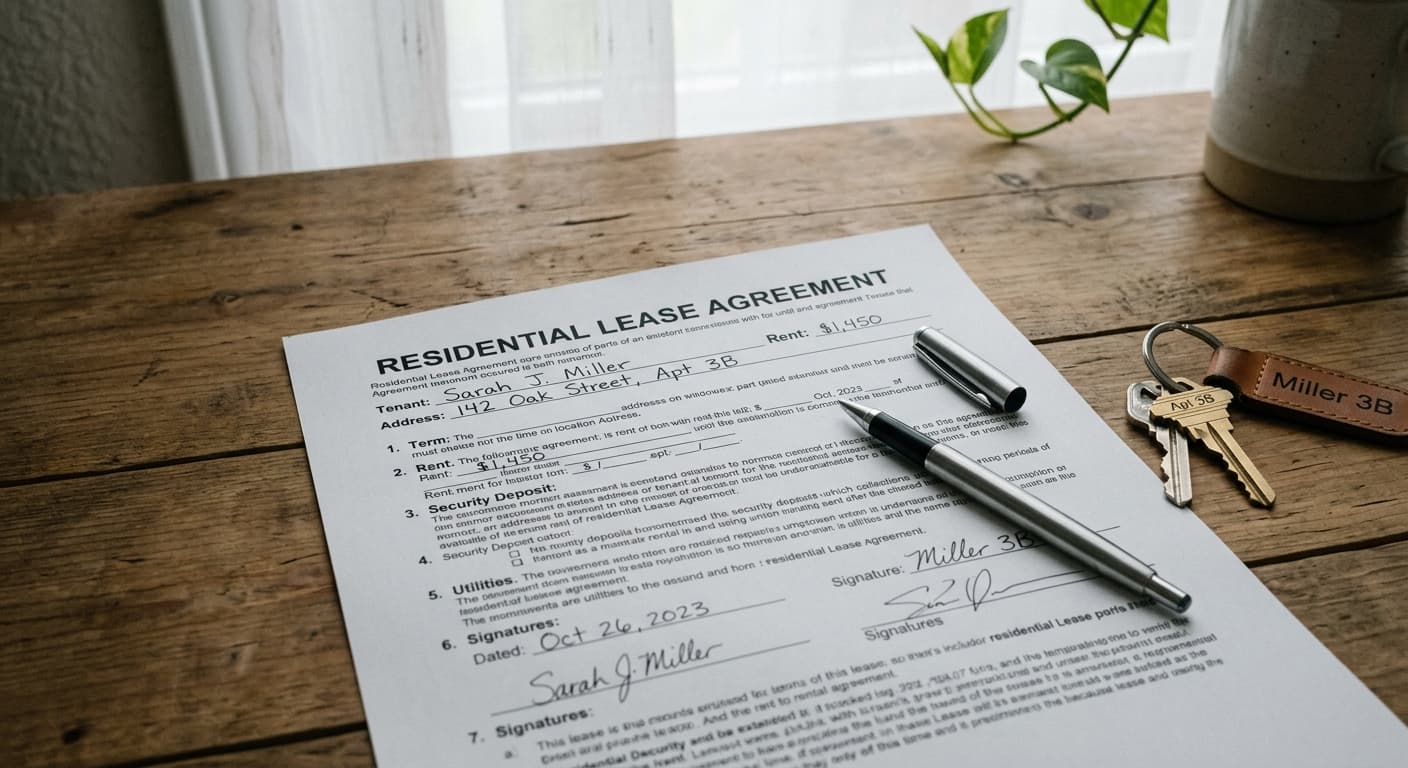
If you rent a home in New Zealand under a tenancy agreement, the Residential Tenancies Act 1986 gives you a set of minimum rights your landlord cannot contract out of, including a healthy home, quiet enjoyment, a protected bond, and a route to the Tenancy Tribunal if something goes wrong.
This is general information about New Zealand law, not legal advice. For your situation, consult a lawyer or your local Community Law centre.
Your right to a healthy, safe home
Every private rental in New Zealand must meet the Healthy Homes Standards, which set minimum requirements for five things: heating, insulation, ventilation, moisture ingress and drainage, and draught stopping. Full compliance has been compulsory for all private rentals since 1 July 2025, so a landlord can no longer rely on a 120-day grace period after a new tenancy starts.
A landlord who does not meet these standards is in breach of the Residential Tenancies Act and can face financial penalties of up to $7,200, plus up to $500 for failing to include the required healthy homes compliance statement in the tenancy agreement. Your tenancy agreement should state how the property meets each standard.
Quiet enjoyment: peace, comfort, and privacy
"Quiet enjoyment" is the legal term for your right to reasonable peace, comfort, and privacy in your rented home, and to not be harassed or interfered with by your landlord. Your landlord also has to give you the correct notice, or get your permission, before entering the property to inspect it or carry out repairs.
If your landlord interferes with this right, you can give them a written notice to remedy the problem within a reasonable time. If they still do not fix it, you can apply to the Tenancy Tribunal.
Your bond is protected, not held by the landlord
A landlord can charge a bond of up to 4 weeks' rent as a general bond. Whatever amount they charge, they must lodge it with Tenancy Services within 23 working days of receiving it from you, rather than keeping it themselves. Since 29 June 2026 all bond lodgements and refunds go through Tenancy Services' online Bond Hub (mybond.tenancy.govt.nz), replacing the older paper forms.
Because Tenancy Services holds the bond, not the landlord, a landlord cannot simply keep it at the end of the tenancy. A refund normally needs both parties to agree on how much each will receive, and if you cannot agree, either of you can apply to the Tenancy Tribunal to decide.
Giving notice to end your tenancy
If you hold a periodic tenancy (one with no fixed end date) and want to move out, you generally must give your landlord at least 21 days' written notice, unless your landlord agrees to a shorter period. Notice can be given on any day and can take effect on any day.
If you hold a fixed-term tenancy, it will automatically continue as a periodic tenancy once the fixed term ends unless you or your landlord give notice to end it between 90 and 21 days before the fixed term expires. Landlords face their own, different notice requirements to end a tenancy; our landlord obligations guide sets those out.
Raising a problem with your landlord
Most tenancy problems are best raised directly with your landlord first. Tenancy Services also offers a free FastTrack resolution service to formalise an agreement once you and your landlord have sorted a problem out, and a mediation service where a neutral mediator helps you both find a workable solution without deciding who is right.
Going to the Tenancy Tribunal
If informal resolution and mediation do not work, either you or your landlord can apply to the Tenancy Tribunal. The Tribunal can hear disputes about bonds, repairs, quiet enjoyment, rent, and the end of a tenancy, and can order work done or money paid up to $100,000. An application currently costs $29.
Flatmates have different rights
The protections above apply to tenants, meaning the people actually named on the tenancy agreement. If you share a rented home but are not named on the agreement, you are a flatmate rather than a tenant, and the Residential Tenancies Act does not cover you at all. See our guide on flatmates versus tenants for what governs your situation instead and where your disputes are heard.
For a wider look at renting in New Zealand, including the landlord's side of these rules, see the tenancy hub.
Frequently Asked Questions
What law gives tenants their rights in New Zealand?
The Residential Tenancies Act 1986 sets minimum rights for anyone named on a residential tenancy agreement, covering things like bonds, notice periods, healthy homes standards, and quiet enjoyment. A landlord cannot contract out of these minimum protections.
How much can my landlord charge for a bond?
A general bond is capped at 4 weeks' rent. The landlord must lodge whatever they charge with Tenancy Services within 23 working days of receiving it, rather than keeping it themselves.
How much notice do I have to give to end my tenancy?
For a periodic tenancy, you generally need to give your landlord at least 21 days' written notice, unless your landlord agrees to a shorter period.
What can I do if my landlord will not fix a problem?
Try to resolve it directly first. Tenancy Services also offers a free FastTrack resolution service and mediation. If those do not work, you or your landlord can apply to the Tenancy Tribunal, which can order repairs, refunds, or other remedies up to $100,000.
Am I a tenant or a flatmate?
If you signed the tenancy agreement with the landlord, you are a tenant and the Residential Tenancies Act protects you. If you share the home but are not named on the agreement, you are a flatmate, and a different set of rules applies. See our flatmates versus tenants guide for details.
Sources and References
- Residential Tenancies Act 1986(tenancy.govt.nz).gov
- Healthy homes compliance and penalties (Tenancy Services)(tenancy.govt.nz).gov
- Healthy homes standards final deadline: 1 July 2025 (Tenancy Services)(tenancy.govt.nz).gov
- Quiet enjoyment (Tenancy Services)(tenancy.govt.nz).gov
- About lodging a bond (Tenancy Services)(tenancy.govt.nz).gov
- Using Bond Hub (Tenancy Services)(tenancy.govt.nz).gov
- Ending a periodic tenancy (Tenancy Services)(tenancy.govt.nz).gov
- Tenancy Tribunal (Tenancy Services)(tenancy.govt.nz).gov
- Changes to Tenancy Tribunal application fee 2026 (Tenancy Services)(tenancy.govt.nz).gov
- Who tenancy law does not protect (Tenancy Services)(tenancy.govt.nz).gov