
Australia
Scammed in Australia? What to Do, Where to Report and Your Options
Independently fact-checked against primary sources (last audited October 26, 2026). · 31 primary sources cited on this page. How we verify our legal content
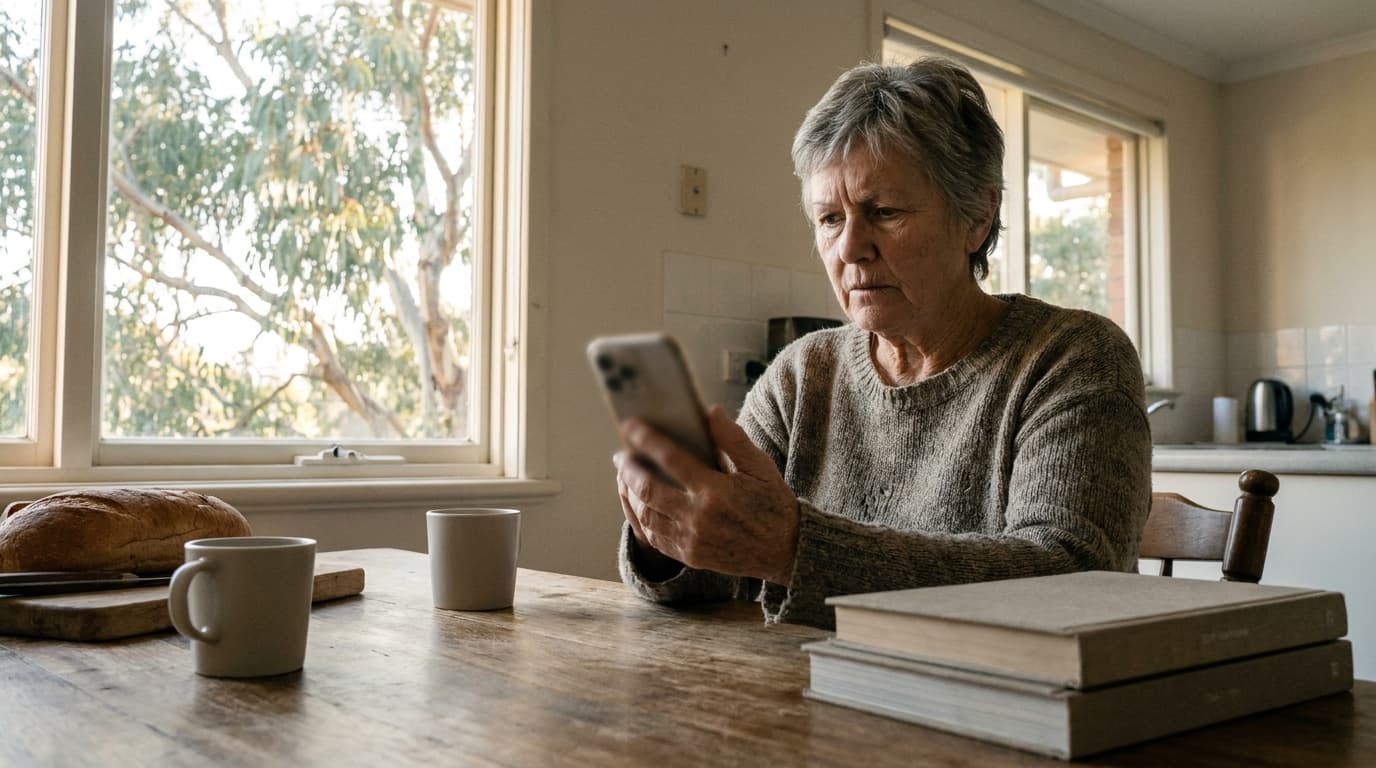
This guide is for people in Australia who think they have been scammed, or are worried someone they care about has been. It covers the national system: banks, Scamwatch and the National Anti-Scam Centre, ReportCyber, AFCA, IDCARE and the federal regulators. It does not cover each state's fraud offences in detail, and it is general information, not advice about your own situation.
Being scammed is not a sign that you were careless. The Australian Competition and Consumer Commission (ACCC) reported that in 2025 Australians made 481,523 scam reports across Scamwatch, ReportCyber, the Australian Financial Crimes Exchange, IDCARE and ASIC, and 274,577 of them involved losses totalling $2.18 billion (ACCC, 30 March 2026). Scamwatch says scams "target people of all backgrounds, ages and income levels across Australia" (Scamwatch).
What to do in the first hour
Speed matters most in the first hour, because your bank may still be able to stop or reverse some payments. Work through these steps in order and do not wait to be sure it was a scam before acting.
- Stop sending money. Scamwatch puts it plainly: if you are not sure, stop, because scammers will keep asking until you do (Scamwatch). Do not reply to the scammer to explain or argue.
- Call your bank or card provider. Scamwatch says to "contact your bank or card provider immediately to report the scam" and ask them to stop any transactions. ASIC adds that if you paid by bank transfer or credit card, your bank "may be able to reverse the transaction" (ASIC). Find the number on your card, your statement or the bank's own website.
- Tell the crypto platform or payment service. If you paid through a cryptocurrency exchange or a money transfer service, Moneysmart says to report it to the platform or provider you used to send the money (Moneysmart). ASIC warns that your bank cannot help with money already sent as crypto.
- Secure your accounts and devices. Change passwords for email, banking and myGov, starting with any you gave the scammer, and turn on two-factor authentication, which the Australian Communications and Media Authority (ACMA) recommends (ACMA). If a scammer had remote access to your computer or phone, Moneysmart says to update your antivirus software and run a scan.
- Call your phone company if your number stopped working. A sudden loss of mobile service can mean your number was ported. Scamwatch explains that once a number is ported, calls and messages, including bank SMS codes, go to the scammer (Scamwatch). ACMA says to tell your bank and your phone company immediately if you think money or information was stolen.
- Get identity support if your details were taken. IDCARE is the free national identity and cyber support service for Australia and New Zealand. Scamwatch says it can help you "make a plan (for free) to limit the damage" on 1800 595 160 (Scamwatch).
- Keep the evidence. Screenshot messages, profiles, websites and payment receipts before the scammer deletes them, and write down dates, amounts and account details. Your bank, police and AFCA will all ask for them.
If you or someone else is in immediate danger, call 000 (Scamwatch report page).
Where to report a scam
Reporting does two different jobs: getting help for you, and stopping the scam reaching the next person. The table shows the main channels. Our full guide to how to report a scam in Australia explains what each one does and what to have ready.
| Channel | Use it when | What it does |
|---|---|---|
| Your bank or card provider | Any money or card details were involved | Can try to stop or reverse transactions and block accounts |
| Scamwatch | Any scam or suspicious contact, lost money or not | With your consent, works with organisations to remove scam websites, ads and contact details, and warns the community |
| ReportCyber | You lost money or personal information, or someone tried to extort you | Scamwatch's link for making an official police report online |
| IDCARE, 1800 595 160 | Your identity documents, logins or personal details were taken | Free support plan to limit the damage |
| ATO, 1800 008 540 | Someone pretended to be the Tax Office and you engaged or paid | ATO help line for people who interacted with or paid a scammer |
| Services Australia | A Centrelink, Medicare, Child Support or myGov scam | Forward scam emails to reportascam@servicesaustralia.gov.au |
| eSafety Commissioner | Someone shared or threatened to share intimate images of you | Can help remove the content or stop the threats |
Scamwatch reports are one of the sources behind the ACCC's national scam figures. The ACCC's National Anti-Scam Centre, "a virtual centre that sits within the ACCC", brings together government, law enforcement and the private sector to disrupt scams (National Anti-Scam Centre; ACCC).
Is it a scam, or a bad business?
Not every bad purchase is a scam. The ACCC notes that people sometimes say they were scammed when they are disappointed with a product or service from a real business, and "a situation like this is probably not a scam" (ACCC).

The difference matters because the path is different. With a real business, you can usually ask the business to fix the problem and then use the consumer complaint system; see who to complain to about a consumer problem. With a scam, the ACCC says there is no point asking the business to put it right, "because the whole purpose is to deceive." Go to your bank and report instead.
The main types of scam in Australia
The ACCC's 2025 figures show where the money goes. The five scam types with the highest losses were investment scams ($837.7 million), payment re-direction scams ($166.8 million), romance scams ($139.9 million), phishing scams ($97.6 million) and remote access scams ($69.9 million), together 60 per cent of reported losses (ACCC, 30 March 2026). Phishing was the most reported type to Scamwatch, with 65,361 reports.
Romance and relationship scams
Scamwatch now calls these relationship scams, and they can start with friendship as well as dating. The scammer "use[s] romance, dating or friendship to earn your trust and steal your money" (Scamwatch). Once you trust them, an urgent problem appears that needs your money, or they steer you into a fake investment.
Warning signs Scamwatch lists include a quick push to move the chat off a dating site or social media to WhatsApp, LINE or WeChat. Two warnings on that page carry legal weight. Never agree to transfer money for someone else, because "they may be involving you in a crime called money laundering", and never send intimate images to people you do not know, because scammers use them to blackmail.
If a new online partner asks you to receive and pass on money, read our guide to money mule scams. If you are being threatened with your images, read our guide to sextortion.
Online shopping and marketplace scams
Scammers "pretend to be buyers or sellers to steal your money", using fake websites and fake profiles on real retail sites (Scamwatch). Rental listings for properties you cannot inspect and pets you cannot see in person are common versions.
Warning signs from Scamwatch include being asked to pay by money order, pre-loaded card or to several different PayIDs or accounts, and, if you are selling, a buyer who overpays and asks for a refund of the difference. Scamwatch warns that many payments are now instant and "it's unlikely you will get your money back", so check that the PayID or account name matches the person you think you are paying.
An Australian Business Number on a website is worth checking on ABN Lookup, but Scamwatch notes that scammers can display a stolen ABN, so a valid number does not prove the seller is real. On payment method, the ACCC suggests using a credit card rather than a debit card or bank transfer "so that you can ask your bank for a chargeback" (ACCC), and Moneysmart says it is rare to recover money sent by direct deposit, money transfer or digital currency (Moneysmart). For your rights when a genuine online seller lets you down, see online shopping rights in Australia.
Remote access and account takeover scams
These scammers "impersonate a telecommunications or computer company, or a technical support service provider" and say your computer or internet has a problem (Scamwatch). They then ask for remote access to your device to "find out what the problem is". Once in, they can see your screen, files and open apps, including your banking.
Hang up on unexpected tech support calls. If someone has already had access, disconnect the device from the internet, call your bank, and follow Moneysmart's steps: update your antivirus and run a scan. Moneysmart also lists the Australian Cyber Security Hotline, 1300 292 371, open 24 hours, 7 days (Moneysmart).
Impersonation of government, banks, family, toll roads and delivery companies
Impersonation scams borrow a name you trust. Scamwatch says scammers use brands such as myGov, Services Australia, Centrelink and the Australian Taxation Office, and that government organisations "won't ever send a text message or email with a link to log onto online services such as myGov" (Scamwatch). They also will not ask to access your device remotely.
Bank impersonation is especially convincing because a fake text can appear in the same thread as genuine messages from your bank. The usual ask is to move money to another account "to keep it safe". ACMA is direct about this one: "Your bank will never ask you to open a new account to keep your money safe" (ACMA).
Other common versions on the Scamwatch phishing page are the "Hi Mum" message from a family member with a new phone who needs money urgently, and toll road messages claiming you missed a payment and including a link to pay. Messages about parcels and deliveries work the same way: a link, a small fee and a hurry. The fix for all of them is the same. Contact the organisation or person using contact details you found yourself, or log in through the official app or website, never through a link in the message.
Since 1 July 2026, branded text messages from sender IDs that are not on ACMA's new SMS Sender ID Register must be labelled "Unverified" by the telco (ACMA, 1 July 2026). ACMA says an unverified message "should be treated with extra caution": it may be genuine, or it may be a scam using a trusted brand. A missing label is not proof a message is safe.
Threat scams
Threat scammers "claim you need to pay money to stop something bad from happening", and may threaten arrest, deportation or physical harm if you do not pay immediately (Scamwatch). Scamwatch has warned the Chinese community about calls from Mandarin-speaking scammers posing as authorities and threatening arrest.
Scamwatch's advice: "Don't pay anyone by unusual methods such as by gift or store cards, iTunes vouchers, wire transfers or Bitcoins." Hang up, contact the agency through its official website, and if you are worried for your safety, contact the police.
Investment and crypto scams
Investment scams cost Australians more than any other type. Moneysmart reports that, according to the National Anti-Scam Centre, Australians lost more than $837 million to them in 2025. Fake trading platforms, fake celebrity endorsements and romance baiting, where a new online friend introduces you to a "can't lose" investment, are all common.
The key check is whether the person or company holds an Australian financial services licence and is on ASIC's registers, and whether it appears on the Moneysmart investor alert list, which ASIC says is not exhaustive. Our guide to investment scams in Australia explains how to check, what ASIC does and does not do, and why crypto losses are so hard to recover.
Job scams and money mules
Job scams offer easy money for tasks, or ask you to pay up front to start earning. Some recruit people as money mules: Scamwatch describes money mule scams as criminals using bank accounts "to transfer and launder money that is either stolen or used to fund serious crime" (Scamwatch). Scamwatch warns that acting as a money mule "is a serious crime, even if you don't know or understand how the money is being used."
If a job, a new partner or someone online has asked you to receive and pass on money, stop and tell your bank. Our guide to money mule scams explains the federal money laundering offences and what to do if money has already gone through your account.
Sextortion
Sextortion is blackmail: someone threatens to share an intimate image or video of you unless you pay or send more. The eSafety Commissioner's advice is to stop all contact and not pay (eSafety). If you are under 18, eSafety and Scamwatch both say the best place to get help is the Australian Centre to Counter Child Exploitation (ACCCE).
Our guide to sextortion in Australia covers what eSafety can do, how to report, and where to get support. For the criminal law on sharing intimate images, see deepfake and intimate image laws in Australia.
Can you get your money back?
Sometimes, but there is no guarantee, and speed makes the biggest difference. ASIC says that if you paid by bank transfer or credit card your bank may be able to reverse the transaction, but if you paid in crypto your bank cannot help, and "once money has left Australia, it is hard to recover" (ASIC). Scamwatch says banks may be able to find where the money went and block the scam accounts (Scamwatch, 2022).
If your bank says no, or you are unhappy with how it handled the scam, make a formal complaint to the bank first. If that does not resolve it, you can go to AFCA (Scamwatch), which is free for consumers (AFCA). Since 12 March 2026, AFCA can also investigate the bank that received the scammer's money, even if you are not its customer (AFCA). You need to complain to the receiving bank first, and AFCA treats complaints about the sending bank and the receiving bank as separate complaints. Time limits apply.
Our guide to getting money back after a scam explains the bank complaint, AFCA, its time limits and caps, and what the ePayments Code does and does not cover. If the scam involved unauthorised transactions on your account, see also bank liability for identity theft.
Watch out for recovery scams. ASIC is blunt: "If you have been scammed, and someone contacts you with an offer to help recover money, it is a scam" (ASIC). Moneysmart lists fees described as a tax, deposit, retainer or refundable insurance bond as a sign. IDCARE, Scamwatch says, "will never contact you out of the blue."
The Scams Prevention Framework, honestly
The Scams Prevention Framework Act 2025 (Act No. 15 of 2025) became law on 21 February 2025 and inserted a new Part IVF into the Competition and Consumer Act 2010 (Federal Register of Legislation). A 2026 designation brings banks, telcos and certain digital platforms (social media, instant messaging and paid search advertising) under it, overseen by ASIC, ACMA and the ACCC respectively (Designation; Explanatory Statement).

The obligations are staged: membership of an approved external dispute resolution scheme from 1 September 2026, and the rest of the framework from 31 March 2027. AFCA will run a new Australian Scams Ombudsman from 31 March 2027, but only for matters that occur on or after that date (AFCA). So a scam that happens to you today goes through the existing bank complaint and AFCA route described above.
You may have seen reports that small losses will be refunded automatically: a 2026 ministerial release said a government paper sets out that the Government believes victims with verified losses below $3,000 should be automatically reimbursed (Treasury ministers), but that is a proposal, not law.
Is scamming a crime, and who investigates?
Yes, but which law applies depends on who was cheated and where. The Commonwealth fraud offences in Divisions 134 and 135 of the Criminal Code mainly apply where the victim is a Commonwealth entity, such as a scam on a government payment (Criminal Code). A romance, shopping or investment scam against a private person is usually charged under state or territory fraud law, and federal offences can also apply, including the money laundering offences in Division 400 for people who deal with the proceeds.
Investigating and charging scammers is a matter for police. Scamwatch's report page directs victims of cybercrime to make a police report through ReportCyber (Scamwatch), and Moneysmart says Scamwatch shares reports with Australian and international law enforcement (Moneysmart). For identity crimes, see identity theft laws in Australia.
If your personal information was stolen
If the scam involved your licence, passport, Medicare card or logins, treat it as identity theft as well as a scam. Call IDCARE, change your passwords, and ask your bank about extra protection on your accounts. Our guide to what to do after a data breach covers the first steps, and our guide to the identity theft victims' certificate explains the Commonwealth and state certificates.
Helping someone who is being scammed
You can report a scam to Scamwatch on behalf of someone else (Scamwatch). Scamwatch says to act straight away if large sums are being transferred, the person plans to travel to meet someone, identity documents or passwords are being shared, loans or retirement funds are being accessed, or the scammer makes threats when the money stops.
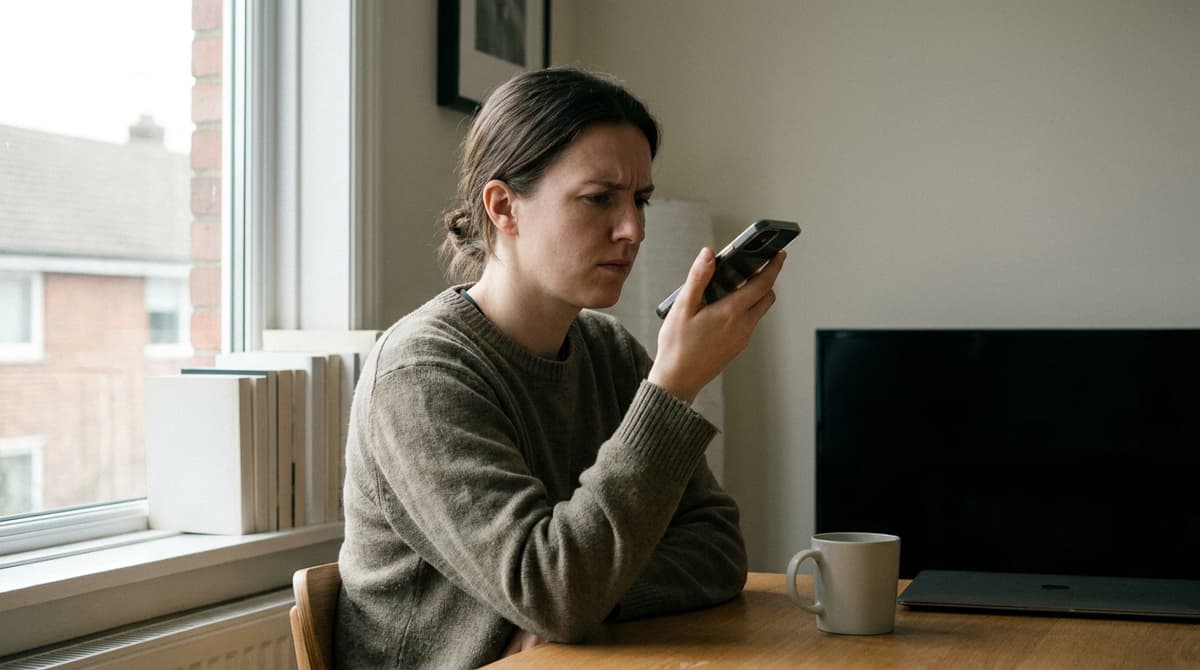
Be gentle. Scamwatch reminds family and friends that the person is "experiencing strong emotions" even if they do not show it, and to never ridicule them. People caught in a romance or investment scam often defend the scammer at first; staying calm and connected helps more than an argument.
Support services
You do not have to deal with this alone. These services are free.
- IDCARE, 1800 595 160: free identity and cyber support (IDCARE).
- Australian Cyber Security Hotline, 1300 292 371: open 24 hours, 7 days, listed by Moneysmart for when a scammer has accessed your computer or phone (Moneysmart).
- Financial counselling: free, independent help if a scam has left you with debts or bills you cannot pay (Moneysmart).
- Lifeline, 13 11 14, and Beyond Blue, 1300 22 4636: support if the scam is affecting your mental health (Moneysmart). Losing money and trust is hard, and feeling shaken is normal.
- Kids Helpline, 1800 55 1800: for people aged 25 or younger (eSafety).
Information in your language. Scamwatch publishes scam information in more than 20 languages besides English, including Arabic, Simplified and Traditional Chinese, Dari, Farsi, Greek, Hindi, Italian, Korean, Punjabi, Vietnamese and others (Scamwatch). The ACCC's Little Book of Scams is available in English, 17 other languages and an Easy Read version (ACCC). Scamwatch also has resources for First Nations peoples.
Older Australians. People aged 65 and over accounted for 26.5 per cent of total losses reported to Scamwatch in 2025 (ACCC). If an older person is being financially exploited by someone they know, rather than a stranger online, that may be elder abuse: 1800 ELDERHelp (1800 353 374) connects callers to the elder abuse phone service in their state or territory (Department of Health, Disability and Ageing). It is not a crisis line; in an emergency call 000.
Frequently Asked Questions
What is the first thing to do if I have been scammed in Australia?
Contact your bank or card provider immediately and ask them to stop any transactions. Use the phone number on your card or the bank website. Then stop sending money, secure your accounts, and report the scam to Scamwatch.
Who do I report a scam to in Australia?
Report to your bank first if money is involved, then to Scamwatch. If you lost money or personal information, you can make an official police report online through ReportCyber. Scams impersonating the ATO, Services Australia or myGov can also be reported to those agencies.
Does Scamwatch get my money back?
Scamwatch uses reports to remove scam websites, ads and contact details and to warn the community. Its report page does not describe recovering money for individuals, so contact your bank first and, if needed, complain to AFCA.
Can my bank refund money I lost to a scam?
Sometimes. ASIC says a bank may be able to reverse a bank transfer or credit card payment if you act fast, but cannot help with money sent as crypto. If you are unhappy with the bank response, make a formal complaint and then go to AFCA, which is free.
Is the new scams law going to refund me?
Not for a scam that happens now. The Scams Prevention Framework is law, but its main obligations and the Australian Scams Ombudsman apply only to matters on or after 31 March 2027. Automatic refunds for losses under $3,000 are a government proposal, not law.
Someone says they can recover my scam losses for a fee. Is that real?
ASIC says that if you have been scammed and someone contacts you offering to help recover money, it is a scam. Do not pay any fee, tax, deposit or bond to get money back.
Is it my fault I was scammed?
No. Australians reported $2.18 billion in scam losses in 2025, and scams target people of all backgrounds, ages and incomes. Scamwatch says 1 in 3 victims are scammed more than once, which is why it matters to report and stay alert to follow-up approaches.
How do I know if a text from my bank or myGov is real?
Government organisations never send a text or email with a link to log on to myGov, and your bank will never ask you to open a new account to keep your money safe. Contact the organisation using details you found yourself, never a link in the message.
Updates
Independently fact-checked against the cited primary sources
Sources and References
- Scamwatch: What to do if you've been scammed(scamwatch.gov.au).gov
- Scamwatch: Report a scam(scamwatch.gov.au).gov
- Australian Cyber Security Centre: ReportCyber(cyber.gov.au).gov
- ACCC: Continued action critical to combat fraud as annual scam losses exceed $2 billion (30 March 2026)(accc.gov.au).gov
- National Anti-Scam Centre: What we do(nasc.gov.au).gov
- ACCC: Scams(accc.gov.au).gov
- ASIC: Alert, follow-up scams offering to help recover lost funds (11 October 2021)(asic.gov.au).gov
- Scamwatch: Scammers targeting victims again through money recovery scams (5 April 2022)(scamwatch.gov.au).gov
- Moneysmart (ASIC): What to do if you've been scammed(moneysmart.gov.au).gov
- ACMA: Phone and SMS scams(acma.gov.au).gov
- Scamwatch: Account or identity takeover scams(scamwatch.gov.au).gov
- IDCARE: National identity and cyber support service(idcare.org)
- Scamwatch: Relationship scams(scamwatch.gov.au).gov
- Scamwatch: Buying or selling scams(scamwatch.gov.au).gov
- Moneysmart (ASIC): Online shopping safety(moneysmart.gov.au).gov
- Scamwatch: Phishing scams(scamwatch.gov.au).gov
- ACMA: SMS Sender ID Register goes live (media release 21/2026, 1 July 2026)(acma.gov.au).gov
- Scamwatch: Threat scams(scamwatch.gov.au).gov
- Moneysmart (ASIC): Investor alert list(moneysmart.gov.au).gov
- Scamwatch: Jobs and employment scams(scamwatch.gov.au).gov
- eSafety Commissioner: Deal with sextortion(esafety.gov.au).gov
- AFCA: Factsheet, receiving banks and unauthorised opening of accounts(afca.org.au)
- Federal Register of Legislation: Scams Prevention Framework Act 2025 (No. 15, 2025)(legislation.gov.au).gov
- Federal Register of Legislation: Competition and Consumer (Scams Prevention Framework-Regulated Sectors) Designation 2026 (F2026L00627)(legislation.gov.au).gov
- Explanatory Statement to the SPF Regulated Sectors Designation 2026(legislation.gov.au).gov
- AFCA: Scams Prevention Framework and the Australian Scams Ombudsman(afca.org.au)
- Treasury ministers: Albanese Government steps up industry protections to stop scams (media release, 2026)(ministers.treasury.gov.au).gov
- Moneysmart (ASIC): Report an investment scam(moneysmart.gov.au).gov
- Scamwatch: Help someone who's being scammed(scamwatch.gov.au).gov
- Moneysmart (ASIC): Financial counselling(moneysmart.gov.au).gov
- Scamwatch: In your language scam information(scamwatch.gov.au).gov
- Scamwatch: Scam information for First Nations peoples(scamwatch.gov.au).gov
- Department of Health, Disability and Ageing: Elder abuse phone line (1800 ELDERHelp)(health.gov.au).gov
- Federal Register of Legislation: Criminal Code Act 1995 (Cth), Compilation No. 174 (C2026C00243, 30 June 2026)(legislation.gov.au).gov