
Louisiana
Louisiana Workplace Harassment Laws: 20-Employee Rule, 180 Days
Independently fact-checked against primary sources (last audited October 21, 2026). · 29 primary sources cited on this page. How we verify our legal content
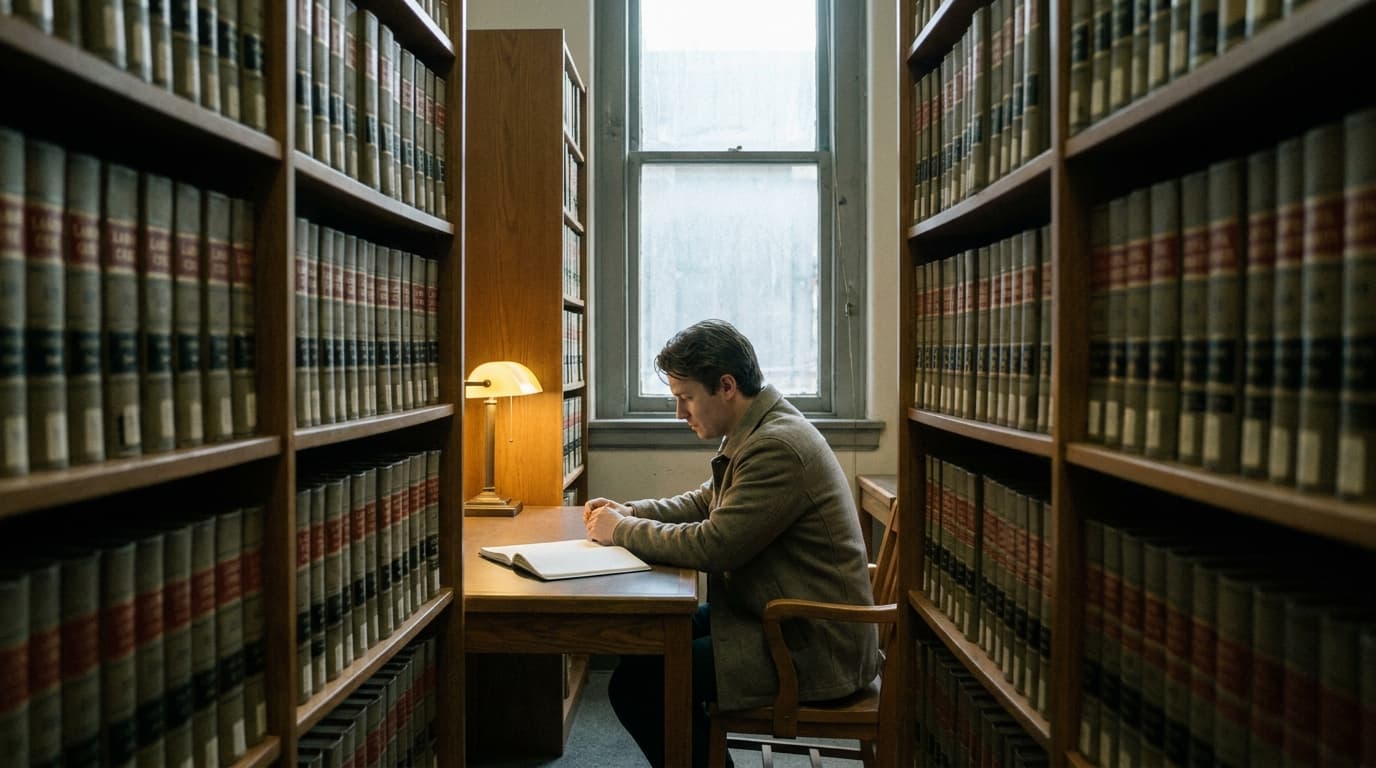
Louisiana's Employment Discrimination Law has no clause that uses the word harassment. Its general prohibition, La. R.S. 23:332(A)(1), makes it unlawful for a covered employer to "intentionally discriminate against any individual with respect to compensation, or terms, conditions, or privileges of employment, because of the individual's race, color, religion, sex, national origin, military status, or natural, protective, or cultural hairstyle," and the chapter applies only to employers with 20 or more employees in Louisiana, excluding private educational or religious institutions and nonprofit corporations (R.S. 23:302(2)).
That "terms, conditions, or privileges" wording is the same language federal harassment law rests on in Title VII. For the federal rules and a comparison of every state, see workplace harassment laws by state. This page covers what Louisiana's own statutes say.
Information last verified on 2026-10-20. This article has not been reviewed by a licensed lawyer.
Jurisdiction scope: This article covers Louisiana state law on workplace harassment by employers, supervisors and coworkers: the Louisiana Employment Discrimination Law, La. R.S. 23:301 et seq. (chiefly 23:302, 23:303, 23:311, 23:312, 23:314, 23:323, 23:332, 23:333, 23:341, 23:352 and 23:368), the Louisiana Commission on Human Rights statutes (R.S. 51:2256 and 51:2257), the 2024 nondisclosure and arbitration statutes (R.S. 9:2717.3 and 23:861), R.S. 13:5109.1 and the public-employer training statutes (R.S. 42:341 through 42:343). It does not cover wrongful firing or the full charge and lawsuit procedure (see Louisiana wrongful termination), damages estimates, criminal harassment or stalking, harassment outside employment, tort claims under general Louisiana law, local ordinances, or federal-employee procedure.
Louisiana harassment rules at a glance
| Question | Louisiana rule | Source |
|---|---|---|
| Separate harassment clause? | No. The chapter's general prohibition covers discrimination in terms, conditions, or privileges of employment | R.S. 23:332(A)(1) |
| Which employers are covered? | 20 or more employees in Louisiana in each of 20 or more calendar weeks; more than 25 for the pregnancy Part | R.S. 23:302(2); 23:341(A) |
| Employers the chapter excludes | Private educational or religious institutions, any nonprofit corporation, domestic service, employment by a parent, spouse, or child | R.S. 23:302(2)(a)-(b) |
| Public employers | The state, state agencies, boards, commissions and political subdivisions are employers under the chapter | R.S. 23:302(2) |
| Harassment standard in the statute | None stated. The chapter does not define harassment or a hostile work environment | R.S. 23:301 et seq. |
| Suit against an individual harasser under the chapter | No. The civil suit runs against an employer, employment agency, or labor organization | R.S. 23:303(A) |
| State agency and deadline | Louisiana Commission on Human Rights; written, sworn complaint within 180 days | R.S. 51:2257(A) |
| Court deadline | One-year prescriptive period, suspended up to six months during EEOC or commission review; 30 days' written notice before suit | R.S. 23:303(C)-(D) |
| Training or policy mandate | Public employers (the state and political subdivisions): one hour per full calendar year; none for private employers in the chapter | R.S. 42:341; 42:343(A) |
| Harassment NDAs | Pre-dispute nondisclosure clauses on hostile work environment or sexual harassment not judicially enforceable | R.S. 9:2717.3(B)-(C) |
| Mandatory arbitration | An employer may not require pre-dispute arbitration of workplace sexual harassment claims | R.S. 23:861 |
What Louisiana law prohibits
The Employment Discrimination Law (often called the LEDL) does not contain the words harassment, sexual harassment or hostile work environment in a prohibition or definition. Its core rule for most protected classes is R.S. 23:332(A)(1), which makes it unlawful for an employer to:

"Intentionally fail or refuse to hire or to discharge any individual, or otherwise to intentionally discriminate against any individual with respect to compensation, or terms, conditions, or privileges of employment, because of the individual's race, color, religion, sex, national origin, military status, or natural, protective, or cultural hairstyle." (La. R.S. 23:332(A)(1))
Two features of that text matter. It speaks of intentional discrimination, and it ties the prohibited conduct to one of the listed traits. The statute does not set a hostile-environment standard such as "severe or pervasive"; the federal standard is explained on the workplace harassment laws hub.
Louisiana does define a hostile work environment and sexual harassment in its 2024 nondisclosure statute, R.S. 9:2717.3. Those definitions apply "for purposes of this Section" only, so they govern which nondisclosure clauses are unenforceable (below), not what the Employment Discrimination Law prohibits. Under that section, "Sexual harassment" means "unwelcome sexual advances, requests for sexual favors, and other verbal, physical, or inappropriate conduct of a sexual nature when the conduct explicitly or implicitly affects an individual's employment, unreasonably interferes with an individual's work performance, or creates an intimidating or offensive work environment" (R.S. 9:2717.3(A)(4)).
Which employers are covered
The chapter's coverage rule reads:
"The provisions of this Chapter shall apply only to an employer who employs twenty or more employees within this state for each working day in each of twenty or more calendar weeks in the current or preceding calendar year." (La. R.S. 23:302(2))
The pregnancy, childbirth and related-conditions Part has its own, higher threshold: it applies "only to an employer who employs more than twenty-five employees within this state for each working day in each of twenty or more calendar weeks in the current or preceding calendar year" (R.S. 23:341(A)).
Excluded employment. The chapter "shall not apply" to:
- "Employment of an individual by a parent, spouse, or child or to employment in the domestic service of the employer" (R.S. 23:302(2)(a)).
- "Employment of an individual by a private educational or religious institution or any nonprofit corporation" (R.S. 23:302(2)(b)). The same paragraph also excludes a school, college, university, or other educational institution's employment of persons having a particular religion, where the institution is in whole or in substantial part owned, supported, controlled, or managed by a particular religion.
An employee of a nonprofit corporation in Louisiana therefore falls outside the state chapter entirely, whatever the employer's size. Federal law, which has its own rules, is covered on the hub.
Public employers. "Employer" includes "a person, association, legal or commercial entity, the state, or any state agency, board, commission, or political subdivision of the state receiving services from an employee and, in return, giving compensation of any kind to an employee" (R.S. 23:302(2)). The 20-employee rule applies to them as well.
Who is protected. The chapter defines an employee as "an individual employed by an employer" (R.S. 23:302(1)). It contains no general clause extending its protection to independent contractors, volunteers or unpaid interns. One narrow exception: an insurer is an employer "with respect to appointment of agents, regardless of the character of the agent's employment" (R.S. 23:302(2)), and R.S. 23:332(F) bars insurer discrimination against insurance agents because of the listed traits.
Protected traits
| Trait | Section | Notes |
|---|---|---|
| Race, color, religion, sex, national origin | R.S. 23:332(A)(1) | Employers of 20 or more |
| Military status | R.S. 23:332(A)(1); defined in 23:322(7) | Employers of 20 or more |
| Natural, protective, or cultural hairstyle | R.S. 23:332(A)(1), (I) | Employers of 20 or more |
| Age | R.S. 23:311, 23:312 | Only individuals at least 40 years of age |
| Disability | R.S. 23:323(A); defined in 23:322(9) | Otherwise qualified persons with a disability |
| Pregnancy, childbirth and related conditions | R.S. 23:341, 23:342 | Employers with more than 25 employees |
| Sickle cell trait | R.S. 23:352 | Includes its own retaliation clause (R.S. 23:352(D)) |
| Protected genetic information, or information about a request for or receipt of genetic services | R.S. 23:368 | Also limits requiring, collecting, purchasing and disclosing protected genetic information, with exceptions (R.S. 23:368(B)(3)-(4), (E)) |
Hairstyle. Louisiana's version of the CROWN Act is written into R.S. 23:332. "Natural, protective, or cultural hairstyle" "shall include but is not limited to afros, dreadlocks, twists, locs, braids, cornrow braids, Bantu knots, curls, and hair styled to protect hair texture or for cultural significance" (R.S. 23:332(I)).
Age. "The prohibitions of this Part shall be limited to individuals who are at least forty years of age" (R.S. 23:311).
Disability. "No otherwise qualified person with a disability shall, on the basis of a disability, be subjected to discrimination in employment" (R.S. 23:323(A)). A "person with a disability" is "any person who has a physical or mental impairment which substantially limits one or more of the major life activities, or has a record of such an impairment, or is regarded as having such an impairment" (R.S. 23:322(9)).
The trait lists in these sections do not include sexual orientation or gender identity. A 2026 bill to add them to the chapter, HB 293, did not leave the House Labor and Industrial Relations Committee: a motion to report it favorably failed 4-8 on April 28, 2026. It is not law.
A separate 2026 law, Act 579 (HB 1137), enacted R.S. 23:333 in the chapter, effective August 1, 2026. It applies only to public employers: the state and its offices, departments and agencies, and political subdivisions such as parishes and municipalities (R.S. 23:333(A)(2)). Under it, an employee "shall not be required, as a condition of employment, to address another employee or any other person by a name other than the person's legal name, or a derivative thereof, or to use pronouns, salutations, titles, or honorifics inconsistent with the other employee's or person's sex," and "No employee shall be subject to an adverse employment action for using pronouns consistent with a person's sex" (R.S. 23:333(C)(1), (D)). The Act defines "sex" as "a person's immutable biological sex, either female or male" (R.S. 23:333(A)(4)).
Employer and individual liability
The Employment Discrimination Law contains no statutory test for when an employer is responsible for harassment by a supervisor, a coworker or a customer, and no statutory defense for employers. How federal law allocates that responsibility is covered on the workplace harassment laws hub.
The chapter's civil remedy is aimed at the organization:
"A plaintiff who has a cause of action against an employer, employment agency, or labor organization for a violation of this Chapter may file a civil suit in a district court seeking compensatory damages, back pay, benefits, reinstatement, or if appropriate, front pay, reasonable attorney fees, and court costs." (La. R.S. 23:303(A))
That section names no individual supervisor or coworker as a defendant. Claims against an individual under other bodies of Louisiana law are outside this page.
Retaliation
The Louisiana Commission on Human Rights statutes make it "an unlawful practice for an employer as defined in R.S. 23:302 to conspire: (1) To retaliate or discriminate in any manner against a person because he has opposed a practice declared unlawful by this Chapter or by Chapter 3-A of Title 23 of the Louisiana Revised Statutes of 1950, or because he has made a charge, filed a complaint, testified, assisted, or participated in any manner in any investigation, proceeding, or hearing" under those laws (R.S. 51:2256(1)). The section is worded as a conspiracy by an employer. The age Part carries its own retaliation clause for an individual who "has opposed any practice made unlawful by this Section" or took part in a proceeding under that Part (R.S. 23:312(D)).
A firing after a complaint, and how it fits with Louisiana's default employment rule, is covered on the Louisiana at-will employment and Louisiana wrongful termination pages.
Deadlines and where to file
- Louisiana Commission on Human Rights: "The complaint shall be filed within one hundred eighty days after the alleged unlawful practice occurs," and it must be a "written sworn complaint" (R.S. 51:2257(A)). A complainant may request a notice of the right to file a civil action in district court if the commission dismisses the charge, or if the commission "has not filed a civil action pursuant to this Section within one hundred and eighty days from the filing of a charge and such charge is still pending," provided the commission has not entered into a conciliation agreement to which the complainant is a party (R.S. 51:2257(H)(1)).
- Lawsuit: "Any cause of action provided in this Chapter shall be subject to a prescriptive period of one year. However, this one-year period shall be suspended during the pendency of any administrative review or investigation of the claim conducted by the federal Equal Employment Opportunity Commission or the Louisiana Commission on Human Rights. No suspension authorized pursuant to this Subsection of this one-year prescriptive period shall last longer than six months" (R.S. 23:303(D)).
- Notice before suit: a plaintiff "who intends to pursue court action shall give the person who has allegedly discriminated written notice of this fact at least thirty days before initiating court action" (R.S. 23:303(C)).
- EEOC: the EEOC's New Orleans Field Office lists the Louisiana Commission on Human Rights as a Fair Employment Practices Agency (FEPA) and states that "An individual has 300 days from the date of alleged harm to file a charge with this office against an employer with 15 or more employees for discrimination based on race, color, national origin, sex, religion, and/or disability in the State of Louisiana." The same 300-day period applies to age charges against employers with 20 or more employees.
Right-to-sue steps, the interaction of the state and federal routes and remedies are covered on the Louisiana wrongful termination page. The Louisiana employment discrimination settlement calculator is an estimating tool, not a prediction of any outcome.
Training and written policies
Louisiana's harassment-training statute covers public employers, not private ones. It applies to each agency of a "governmental entity," defined as "the state or any political subdivision" (R.S. 42:341(1), (4)). Each agency head must adopt a sexual harassment policy (R.S. 42:342), and:
"Each public servant shall receive a minimum of one hour of education and training on preventing sexual harassment during each full calendar year of his public employment or term of office, as the case may be. (2) An agency head shall require supervisors and any persons designated by the agency to accept or investigate a complaint of sexual harassment in his agency to receive additional education and training." (La. R.S. 42:343(A)(1)-(2))
The Employment Discrimination Law contains no harassment-training or written-policy requirement for private employers. Its posting duties sit in the age, sickle cell trait and genetic information Parts (R.S. 23:314, 23:354, 23:369). In the age Part, every employer, employment agency, and labor organization must post "a notice, to be prepared by Louisiana Works, setting forth information the department deems appropriate to effectuate the purposes of this Part" (R.S. 23:314).
NDAs, settlements and arbitration
Two 2024 statutes are Louisiana's harassment-specific rules for agreements.

Nondisclosure clauses (R.S. 9:2717.3, Acts 2024, No. 781).
"B. Notwithstanding any provision of law to the contrary, no nondisclosure clause required by an employer and agreed to prior to a hostile work environment dispute or sexual harassment dispute shall be judicially enforceable. C. The provisions of this Section shall not restrict the ability of an individual to enter into a confidential settlement agreement relating to a hostile work environment or sexual harassment, provided that the agreement is entered into after a report of hostility or harassment is filed or a hostile work environment dispute or sexual harassment dispute has occurred." (La. R.S. 9:2717.3(B)-(C))
The rule reaches clauses that the employer required and that were agreed to before the dispute. A confidential settlement signed after a report is filed or a dispute has occurred remains allowed.
Arbitration (R.S. 23:861, Acts 2024, No. 541). It is "an unlawful employment practice for an employer to require, as a condition of employment or continued employment, a prospective employee or employee to enter into a pre-dispute arbitration agreement that includes a provision requiring arbitration for any claim or accusation of workplace sexual harassment" (R.S. 23:861(A)). The section does "not prohibit an employer and employee from consenting to arbitrating such claims" after the claim arises (R.S. 23:861(B)).
Public-funds settlements. No settlement of a claim against the state, a state agency, a political subdivision, or their employees or officers may prohibit the claimant from disclosing the terms or underlying facts "when the underlying claim is based on an allegation of sexual harassment or sexual assault of the claimant and public funds are paid, in whole or in part, as satisfaction of the terms of the settlement agreement" (R.S. 13:5109.1(A)).
Federal law adds its own limit: the Speak Out Act makes nondisclosure and nondisparagement clauses agreed to before a sexual harassment or sexual assault dispute arises judicially unenforceable where the conduct is alleged to violate federal, tribal or state law; the hub explains it.
Is workplace bullying illegal in Louisiana?
The Employment Discrimination Law reaches discrimination because of the traits it lists. It contains no provision on general workplace bullying that is not tied to one of those traits.
Documenting harassment and workplace monitoring
The rules on recording a conversation at work, including a conversation with a harasser, are on the Louisiana workplace recording laws page. Employer monitoring of email, devices and workspaces is covered on the Louisiana employee monitoring laws page.
Federal law in brief
Title VII reaches employers with "fifteen or more employees for each working day in each of twenty or more calendar weeks in the current or preceding calendar year" (42 U.S.C. 2000e(b)), and a federal charge is generally due within 180 days, extended to 300 days where a state or local agency enforces a law prohibiting discrimination on the same basis. The federal hostile-environment standard, employer-liability rules and damages caps are on the workplace harassment laws hub.
Related pages
- Workplace harassment laws by state
- Louisiana wrongful termination
- Louisiana at-will employment laws
- Louisiana employee monitoring laws
- Louisiana workplace recording laws
This article provides general legal information about Louisiana workplace harassment law under the Louisiana Employment Discrimination Law and related statutes as of 2026-10-20. It is not legal advice. For advice about a specific situation, contact a lawyer licensed in Louisiana, the Louisiana Commission on Human Rights or the EEOC.
Last updated: 2026-10-20.
Frequently Asked Questions
Is workplace harassment illegal in Louisiana?
Louisiana's Employment Discrimination Law has no separate harassment clause. Its general prohibition, La. R.S. 23:332(A)(1), bars intentional discrimination in terms, conditions, or privileges of employment because of race, color, religion, sex, national origin, military status, or natural, protective, or cultural hairstyle, and it applies to employers with 20 or more employees in Louisiana, other than the employers the chapter excludes.
Does Louisiana's employment discrimination law cover small employers or nonprofits?
The chapter applies only to employers with 20 or more employees in Louisiana in each of 20 or more calendar weeks, and more than 25 for the pregnancy Part (R.S. 23:302(2), 23:341(A)). It does not apply to employment by a private educational or religious institution or any nonprofit corporation (R.S. 23:302(2)(b)). Federal Title VII covers employers with 15 or more employees.
How long do you have to file a harassment complaint in Louisiana?
A written, sworn complaint to the Louisiana Commission on Human Rights must be filed within 180 days after the alleged unlawful practice (R.S. 51:2257(A)). A lawsuit under the chapter has a one-year prescriptive period, suspended for up to six months during EEOC or commission review, with written notice to the employer at least 30 days before suit (R.S. 23:303(C)-(D)). The EEOC's New Orleans Field Office states that a federal charge in Louisiana is due within 300 days from the date of alleged harm.
Can I sue my supervisor personally for harassment in Louisiana?
The Employment Discrimination Law's civil suit runs against an employer, employment agency, or labor organization (R.S. 23:303(A)), not against an individual supervisor or coworker. Claims under other bodies of Louisiana law are outside this page.
Is hairstyle discrimination illegal at work in Louisiana?
Yes, for employers covered by the chapter. R.S. 23:332 lists natural, protective, or cultural hairstyle as a protected trait and defines it to include afros, dreadlocks, twists, locs, braids, cornrow braids, Bantu knots, curls, and hair styled to protect hair texture or for cultural significance (R.S. 23:332(I)).
Does Louisiana require sexual harassment training for employers?
Louisiana's training statute applies to public employers, the state and any political subdivision (R.S. 42:341): each public servant receives at least one hour of sexual harassment prevention training each full calendar year, with additional training for supervisors and complaint handlers (R.S. 42:343(A)). The Employment Discrimination Law contains no training or policy requirement for private employers.
Can a Louisiana employer make me sign an NDA about sexual harassment?
A nondisclosure clause required by an employer and agreed to before a hostile work environment or sexual harassment dispute is not judicially enforceable (R.S. 9:2717.3(B)). A confidential settlement is still allowed if it is entered into after a report of hostility or harassment is filed or after the dispute has occurred (R.S. 9:2717.3(C)).
Can a Louisiana employer require arbitration of a sexual harassment claim?
R.S. 23:861(A) makes it an unlawful employment practice to require, as a condition of employment or continued employment, a pre-dispute arbitration agreement covering workplace sexual harassment claims. An employer and employee may still agree to arbitrate after the claim arises (R.S. 23:861(B)).
Is workplace bullying illegal in Louisiana?
The Employment Discrimination Law reaches discrimination because of the traits it lists. It contains no provision on general workplace bullying that is not tied to one of those traits.
Updates
Independently fact-checked against the cited primary sources
The Law Behind This Article
This article rests on the statutory provisions below, held in our own legal record and retrieved from the official source. Tap a section to read the operative text.
Louisiana Revised Statutes
§ 23:332Intentional discrimination in employmentIn forcecited in 3 of our articles
A. It shall be unlawful discrimination in employment for an employer to engage in any of the following practices: (1) Intentionally fail or refuse to hire or to discharge any individual, or otherwise to intentionally discriminate against any individual with respect to compensation, or terms, conditions, or privileges of employment, because of the individual's race, color, religion, sex, national origin, military status, or natural, protective, or cultural hairstyle. (2) Intentionally limit, segregate, or classify employees or applicants for employment in any way which would deprive or tend to deprive any individual of employment opportunities, or otherwise adversely affect the individual's status as an employee, because of the individual's race, color, religion, sex, national origin, military status, or natural, protective, or cultural hairstyle. (3) Intentionally pay wages to an employee at a rate less than that of another employee of the opposite sex for equal work on jobs in which their performance requires equal skill, effort, and responsibility and which are performed under similar working conditions.
Official text (excerpt) · last checked 2026-07-29 · Read the full text in our law library · Verify at legis.la.gov
Cited in 69 court opinions in our collectionLatest citing opinion in our collection: 2024
Opinions citing this section in our collection:
- Hare v. Paleo Data, Inc. (Louisiana Court of Appeal 2012, 2011 La.App. 4 Cir. 1034)“…against him for gender discrimination damages, pursuant to La. R.S. 23:332, because he was not her employer as def…”
- Barringer v. Robertson (Louisiana Court of Appeal 2015, 2015 La.App. 1 Cir. 0698)“…ations of racial discrimination and retaliation pursuant to La. R.S. 23:332(A), La. Const, art. I, § 3, 42 U.S.C. 1…”
- Motton v. Lockheed Martin Corp. (Louisiana Court of Appeal 2005, 900 So. 2d 901)“…in Title 23 of the Louisiana Revised Statutes. Pursuant to La. R.S. 23:332(A) [3] , it is unlawful for an employer…”
Identified automatically from the court opinions citing this section — not a ranking of which case controls.
Also relied on in: Louisiana AI Laws and Regulation (2026)
§ 23:302DefinitionsIn force
For purposes of this Chapter and unless the context clearly indicates otherwise, the following terms shall have the following meanings ascribed to them: (1) "Employee" means an individual employed by an employer. (2) "Employer" means a person, association, legal or commercial entity, the state, or any state agency, board, commission, or political subdivision of the state receiving services from an employee and, in return, giving compensation of any kind to an employee. The provisions of this Chapter shall apply only to an employer who employs twenty or more employees within this state for each working day in each of twenty or more calendar weeks in the current or preceding calendar year. "Employer" shall also include an insurer, as defined in R.S. 22:46, with respect to appointment of agents, regardless of the character of the agent's employment. This Chapter shall not apply to the following: (a) Employment of an individual by a parent, spouse, or child or to employment in the domestic service of the employer.
Official text (excerpt) · last checked 2026-07-29 · Read the full text in our law library · Verify at legis.la.gov
§ 23:303Civil suits authorizedIn force
A. A plaintiff who has a cause of action against an employer, employment agency, or labor organization for a violation of this Chapter may file a civil suit in a district court seeking compensatory damages, back pay, benefits, reinstatement, or if appropriate, front pay, reasonable attorney fees, and court costs. In such a suit, the venue shall be the district court in the parish in which the alleged violation occurred. B. A plaintiff found by a court to have brought a frivolous claim under this Chapter shall be held liable to the defendant for reasonable damages incurred as a result of the claim, reasonable attorney fees, and court costs. C. A plaintiff who believes he or she has been discriminated against, and who intends to pursue court action shall give the person who has allegedly discriminated written notice of this fact at least thirty days before initiating court action, shall detail the alleged discrimination, and both parties shall make a good faith effort to resolve the dispute prior to initiating court action. D. Any cause of action provided in this Chapter shall be subject to a prescriptive period of one year.
Official text (excerpt) · last checked 2026-07-29 · Read the full text in our law library · Verify at legis.la.gov
§ 9:2717.3Nondisclosure agreement; hostile work environment; sexual harassmentIn force
A. For purposes of this Section: (1) "Hostile work environment" means conditions where harassment rises to the level that the harrassment alters the ability of an employee to perform the employee's duties. (2) "Hostile work environment dispute" means a dispute between an employer and the employer's employee relating to an alleged hostile work environment. (3) "Nondisclosure clause" means an agreement between an employee and employer that prevents, or has the effect of preventing, an employee from disclosing or discussing a hostile work environment, allegations of a hostile work environment, sexual harassment, or allegations of sexual harassment. (4) "Sexual harassment" means unwelcome sexual advances, requests for sexual favors, and other verbal, physical, or inappropriate conduct of a sexual nature when the conduct explicitly or implicitly affects an individual's employment, unreasonably interferes with an individual's work performance, or creates an intimidating or offensive work environment. (5) "Sexual harassment dispute" means a dispute between an employer and the employer's employee relating to alleged sexual harassment. B.
Official text (excerpt) · last checked 2026-07-29 · Read the full text in our law library · Verify at legis.la.gov
§ 23:861Pre-dispute arbitration agreements; sexual harassment; prohibitedIn force
A. It shall be an unlawful employment practice for an employer to require, as a condition of employment or continued employment, a prospective employee or employee to enter into a pre-dispute arbitration agreement that includes a provision requiring arbitration for any claim or accusation of workplace sexual harassment. B. The provisions of this Section shall not prohibit an employer and employee from consenting to arbitrating such claims pursuant to Subsection A of this Section after the claim arises.
Official text (excerpt) · last checked 2026-07-29 · Read the full text in our law library · Verify at legis.la.gov
§ 51:2257Complaints of discrimination; procedure; conciliation agreements; enforcementIn force
A. An individual claiming to be aggrieved by an unlawful practice, a member of the commission, or the attorney general may file with the commission a written sworn complaint stating that an unlawful practice has been committed, setting forth the facts upon which the complaint is based, and setting forth facts sufficient to enable the commission to identify the persons charged, hereinafter referred to as the "respondent". The commission staff or a person designated pursuant to its rules shall promptly investigate the allegations of unlawful practice set forth in the complaint and shall within five days furnish the respondent with a copy of the complaint. The complaint shall be filed within one hundred eighty days after the alleged unlawful practice occurs. B. The commission or an individual designated pursuant to its rules shall determine, within thirty days after the complaint has been filed, whether there is probable cause to believe the respondent has engaged in an unlawful practice.
Official text (excerpt) · last checked 2026-07-29 · Read the full text in our law library · Verify at legis.la.gov
§ 42:343Preventing sexual harassment; mandatory training requirementsIn force
A.(1) Each public servant shall receive a minimum of one hour of education and training on preventing sexual harassment during each full calendar year of his public employment or term of office, as the case may be. (2) An agency head shall require supervisors and any persons designated by the agency to accept or investigate a complaint of sexual harassment in his agency to receive additional education and training. B. The education and training required pursuant to this Section may be received either in person or via the internet through training and education materials approved by the public servant's agency head. C. Each agency head shall ensure that each public servant in the agency is notified of the agency's policy against sexual harassment and the mandatory training requirement on preventing sexual harassment. The agency head, or his designee, shall be responsible for maintaining records of the compliance of each public servant in the agency with the mandatory training requirement. Each public servant's record of compliance shall be a public record and available to the public in accordance with the Public Records Law. D.
Official text (excerpt) · last checked 2026-07-29 · Read the full text in our law library · Verify at legis.la.gov
Search our full record of US law — 2.1 million sections, every state + federal →
Sources and References
- La. R.S. 23:332 (intentional discrimination in employment)(legis.la.gov).gov
- La. R.S. 23:302 (definitions; employer coverage and exclusions)(legis.la.gov).gov
- La. R.S. 23:341 (pregnancy, childbirth and related conditions; applicability)(legis.la.gov).gov
- La. R.S. 23:311 (age; individuals at least 40)(legis.la.gov).gov
- La. R.S. 23:323 (disability)(legis.la.gov).gov
- La. R.S. 23:303 (civil suit; notice; prescriptive period)(legis.la.gov).gov
- La. R.S. 51:2257 (Louisiana Commission on Human Rights complaints)(legis.la.gov).gov
- La. R.S. 9:2717.3 (nondisclosure clauses; hostile work environment and sexual harassment)(legis.la.gov).gov
- La. R.S. 42:343 (mandatory sexual harassment prevention training for public servants)(legis.la.gov).gov
- La. R.S. 23:861 (pre-dispute arbitration of sexual harassment claims)(legis.la.gov).gov
- 42 U.S.C. 2000e (Title VII definitions)(govinfo.gov).gov
- La. R.S. 23:322 (definitions; military status, person with a disability)(legis.la.gov).gov
- La. R.S. 23:312 (age; unlawful practices and retaliation)(legis.la.gov).gov
- La. R.S. 51:2256 (retaliation)(legis.la.gov).gov
- EEOC New Orleans Field Office: Timeliness (300 days in Louisiana)(eeoc.gov).gov
- EEOC: Time Limits for Filing a Charge(eeoc.gov).gov
- La. R.S. 42:342 (mandatory sexual harassment policy for public agencies)(legis.la.gov).gov
- La. R.S. 42:341 (definitions; governmental entity means the state or any political subdivision)(legis.la.gov).gov
- La. R.S. 23:314 (posting of notices)(legis.la.gov).gov
- La. R.S. 13:5109.1 (settlements of sexual harassment claims paid with public funds)(legis.la.gov).gov
- Speak Out Act, Pub. L. 117-224(govinfo.gov).gov
- Louisiana Legislature: 2026 Regular Session HB 293 (bill status)(legis.la.gov).gov
- Louisiana Commission on Human Rights(gov.louisiana.gov).gov
- EEOC New Orleans Field Office: Fair Employment Practices Agencies(eeoc.gov).gov
- La. R.S. 23:352 (sickle cell trait discrimination; retaliation)(legis.la.gov).gov
- La. R.S. 23:368 (genetic information discrimination in the workplace)(legis.la.gov).gov
- Louisiana Acts 2026, No. 579 (HB 1137), enacting R.S. 23:333 (enrolled text)(legis.la.gov).gov
- Louisiana Legislature: 2026 Regular Session HB 1137 (Act 579; effective August 1, 2026)(legis.la.gov).gov
- Louisiana Legislature: HB 293 committee vote, April 28, 2026(legis.la.gov).gov
Paid attorney referral. RecordingLaw may receive compensation when you use an attorney-help link. RecordingLaw is not a law firm. Submitting a request does not guarantee that an attorney will accept your case and does not create an attorney-client relationship.