
Minnesota
Minnesota Pepper Spray and Stun Gun Laws (2026)
Independently fact-checked against primary sources (last audited September 23, 2026). · 8 primary sources cited on this page. How we verify our legal content
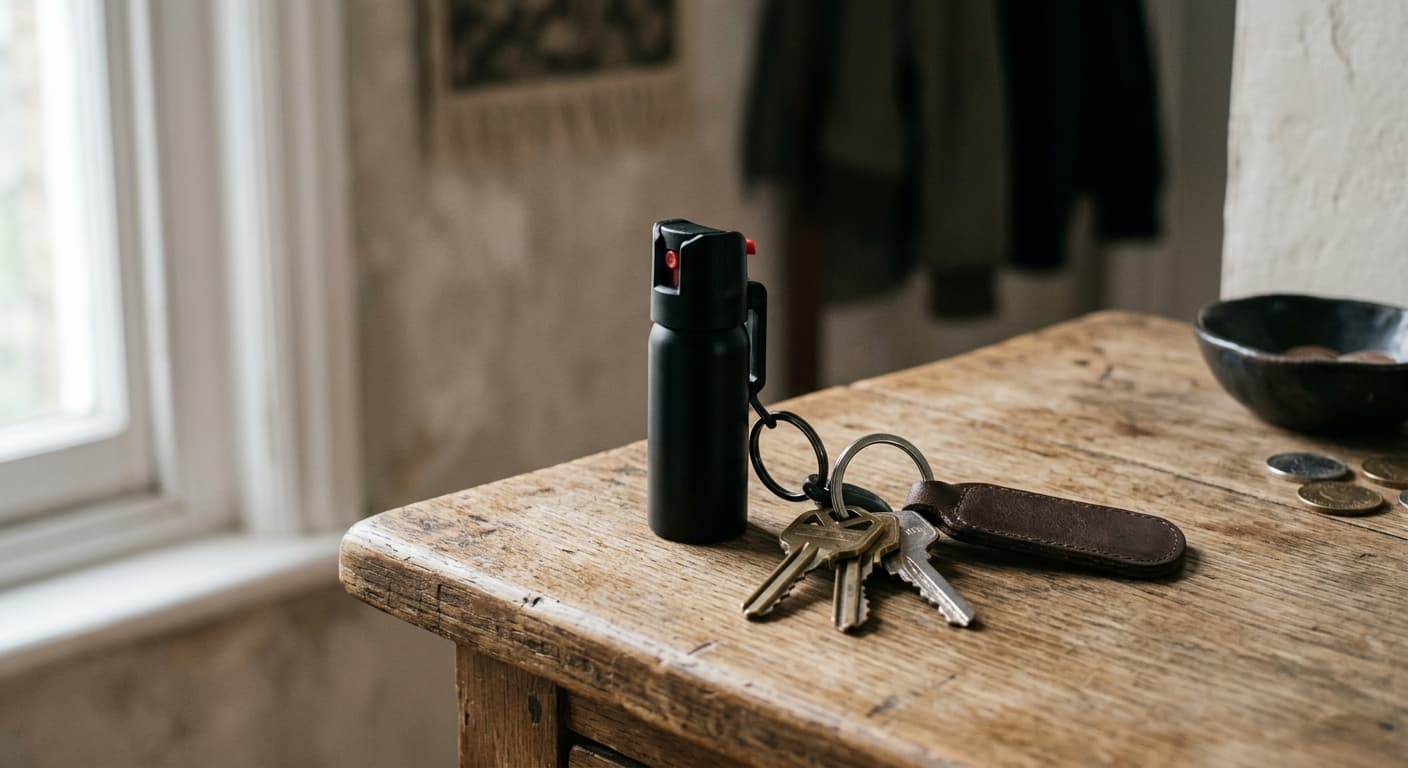
Minnesota regulates pepper spray and stun guns in a single statute, but the two devices carry genuinely different age floors, use rules, and penalty tiers within that same section. An "authorized tear gas compound," the statute's term for pepper spray and similar sprays, is available to a younger age group than an "electronic incapacitation device," and misusing a stun gun carries heavier penalties than misusing a spray at both tiers the statute grades.
Jurisdiction scope: This page covers Minnesota state law only, principally Minn. Stat. §§ 624.731, 624.713, and 609.66. It does not cover municipal vendor-licensing ordinances adopted under subdivision 9.
Is pepper spray legal in Minnesota?
Yes, for a person who meets the statute's age and eligibility rules, and only in a device that matches the statute's definition. Minn. Stat. § 624.731, subdivision 1(1) defines "authorized tear gas compound" as "a lachrymator or any substance composed of a mixture of a lachrymator including chloroacetophenone, alpha-chloroacetophenone; phenylchloromethylketone, orthochlorobenzalmalononitrile or oleoresin capsicum, commonly known as tear gas." Subdivision 2(a) allows possession and use "in the exercise of reasonable force in defense of the person or the person's property" only if the compound is propelled from an aerosol container, labeled with or accompanied by clearly written instructions on its use and dangers, and dated to indicate its anticipated useful life. Subdivision 3(d) separately provides that "no person shall possess or use tear gas or a tear gas compound other than an authorized tear gas compound," so a spray that does not fit the statute's chemical definition is not lawful to possess at all, not merely unlabeled.

The age rule is narrower than a simple minimum age. Subdivision 3(a) states: "No person under the age of 16 may possess or use an authorized tear gas compound except by written permission of a parent or guardian." That means someone under 16 can lawfully possess it with a parent or guardian's written permission, and anyone 16 or older needs no such permission at all. Subdivision 3(b) and (c) add prohibited-persons bars tied to Minn. Stat. § 624.713's pistol-eligibility rules: a person barred from possessing a pistol under clause (2), a conviction or juvenile adjudication for a crime of violence, may not possess or use an authorized tear gas compound, and that violation is a felony under subdivision 8(a)(1). A person barred under clauses (3) to (5), certain judicial commitments for mental illness or dangerousness, a chapter 152 controlled-substance misdemeanor or gross misdemeanor conviction within the preceding 3 years, or a chemical-dependency commitment, is also barred, but that violation is only a misdemeanor under subdivision 8(c)(2); subdivision 3(c) adds that this particular bar applies "except that the certificate or other proof required for possession of a handgun shall not apply."
Sale is restricted, not just possession. Subdivision 5 opens with a blanket rule: "no person shall knowingly furnish or sell tear gas or a tear gas compound to another person," except as subdivision 6's exceptions allow. It then separately bars knowingly selling or furnishing an authorized tear gas compound to anyone barred from possessing it under subdivision 3, and bars selling one that fails subdivision 2's labeling and dating requirements. No tear gas compound may be sold or furnished "on premises where 3.2 percent malt liquor... is sold on an on-sale basis or where intoxicating liquor... is sold on an on-sale or off-sale basis," and no sale may violate local licensing requirements. Selling or furnishing to a subdivision 3(b) crime-of-violence-barred person is a felony under subdivision 8(a)(2); selling to a subdivision 3(a) or (c) barred person, selling on liquor-licensed premises, and selling in violation of local licensing requirements are each misdemeanors under subdivision 8(c)(4), (6), and (7). Violating the opening rule itself, selling or furnishing tear gas or a tear gas compound other than an authorized tear gas compound to any person outside subdivision 6's exceptions, is also a misdemeanor, under subdivision 8(c)(5).
Are stun guns legal in Minnesota?
Legal for an adult 18 or older, under the same statute but a stricter age rule than pepper spray. Subdivision 1(2) defines "electronic incapacitation device" as "a portable device which is designed or intended by the manufacturer to be used, offensively or defensively, to temporarily immobilize or incapacitate persons by means of electric pulse or current, including devices operating by means of carbon dioxide propellant," expressly excluding cattle prods, electric fences, and other agricultural or food-production electric devices. Subdivision 2(b) permits possession and use "in the exercise of reasonable force in defense of the person or the person's property" only if the device is labeled with, or accompanied by, clearly written instructions on its use and the dangers involved; a device that does not meet that requirement makes possession a misdemeanor under subdivision 8(c)(1).
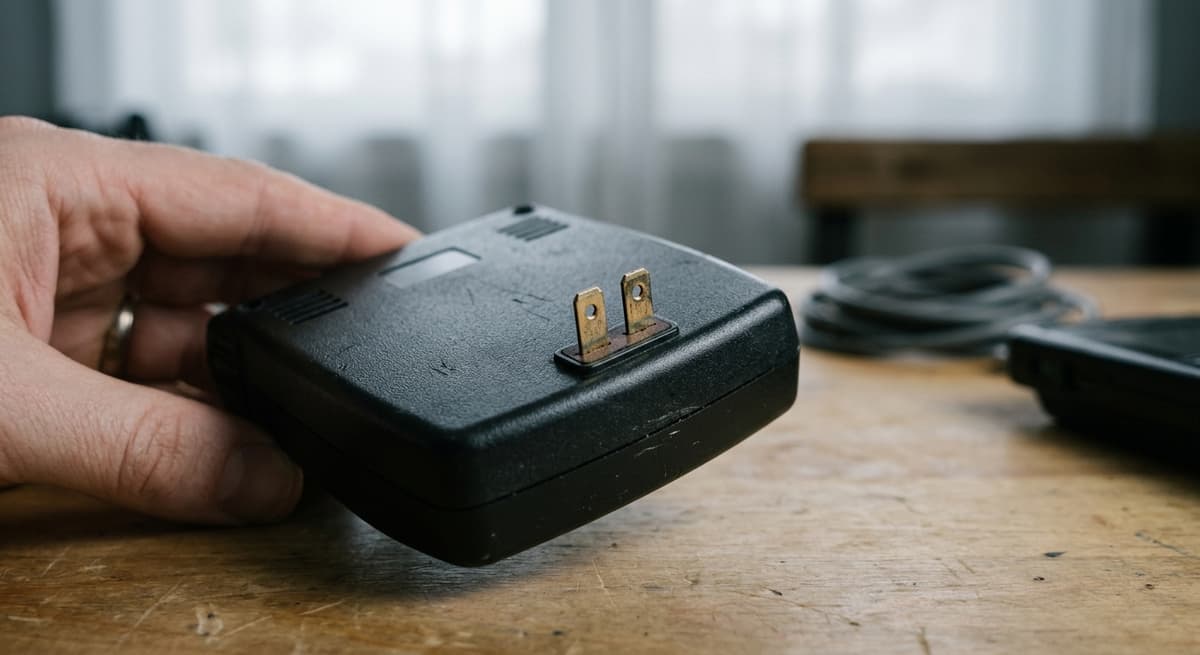
Subdivision 3(a) states plainly: "no person under the age of 18 may possess or use an electronic incapacitation device," with no parental-permission exception written into the text the way tear gas compounds get one. The same prohibited-persons structure applies as it does to pepper spray: a crime-of-violence bar under Section 624.713, subdivision 1, clause (2) makes possession a felony under subdivision 8(a)(1), while a clause (3)-to-(5) bar makes it only a misdemeanor under subdivision 8(c)(2), with the handgun-certificate exception in subdivision 3(c) applying here too.
Use is where the statute treats the two devices most differently, but not in the direction it first appears. Subdivision 4(a) bars using either device against an on-duty peace officer, and using an electronic incapacitation device that way is a felony under subdivision 8(a)(3), while the same act with tear gas, a tear gas compound, or an authorized tear gas compound is a gross misdemeanor under subdivision 8(b)(1). Using an electronic incapacitation device outside the circumstances subdivision 2 or 6 allow is a gross misdemeanor under subdivision 8(b)(2); the equivalent ordinary misuse of tear gas, a tear gas compound, or an authorized tear gas compound outside those same circumstances is only a misdemeanor, under subdivision 8(c)(3). On that ordinary-misuse ladder, the electronic device carries the heavier penalty, not tear gas. Subdivision 4(d) is a narrower, separate provision: it bars using "tear gas or a tear gas compound in an immobilizing concentration against another person, except as otherwise permitted by subdivision 2," and subdivision 8(a)(4) makes that a felony, the same tier as the peace-officer offense for an electronic device. Subdivision 4(d) uses only the phrase "tear gas or a tear gas compound," leaving out "an authorized tear gas compound," and subdivision 3(d) uses that same shorter phrase specifically to mean tear gas that is not an authorized compound. On that pattern, subdivision 8(a)(4)'s felony appears aimed at tear gas that is not an authorized compound rather than an ordinary self-defense spray used outside self-defense, though the statute's text does not say so in as many words. Subdivision 4(c) separately provides that "tear gas, a tear gas compound, or an electronic incapacitation device shall legally constitute a weapon when it is used in the commission of a crime," which can support a weapons-based charge for that crime, but that sentence, like 4(d), omits "an authorized tear gas compound," so on the same reading it does not clearly reach an ordinary consumer spray used in a crime, only unauthorized tear gas or an electronic incapacitation device. The same sale restrictions that apply to tear gas compounds, no sale on liquor-licensed premises, apply to electronic incapacitation devices as well.
Local licensing and preemption
Section 624.731 addresses local authority twice, in ways that work together rather than against each other. Subdivision 10 states the section "shall be the exclusive regulation of the possession, use, and furnishing" of both devices in Minnesota and "shall supersede and preempt all regulation" of possession, use, and furnishing by political subdivisions. Subdivision 9 separately "confers upon the governing body of each county, statutory or home rule charter city and town" the authority "to license the business of vendors" of both devices, including setting a license fee, qualifications for obtaining a license, the duration of licenses, and a cap on how many licenses a local government will issue. In practice, a city or county may license the retail business that sells these devices, but may not otherwise regulate an individual's possession, use, or ability to be furnished one, since subdivision 10 reserves that exclusively to the state.

Where you can't carry either device
Minnesota's dangerous-weapons statute, Minn. Stat. § 609.66, reaches these devices in three separate places, and two of the three require the same showing as the school-property felony below, that the device is a "dangerous weapon"; only one avoids that term. Subdivision 1(a)(5) is the one that avoids it: it makes it a crime to possess "any other dangerous article or substance for the purpose of being used unlawfully as a weapon against another," with no "dangerous weapon" classification required at all; subdivision 1(b) sets the penalty at up to 364 days and a $3,000 fine if committed in a school, park, or public housing zone, and up to 90 days and a $1,000 fine otherwise. Subdivision 1g(a) does require a "dangerous weapon": it makes it a felony, punishable by up to 5 years imprisonment or a $10,000 fine, or both, to possess one within any courthouse complex, or in a state building within the Capitol Area described in chapter 15B other than the National Guard Armory. Subdivision 1g(b) exempts several categories from that felony, including licensed peace officers and military personnel performing official duties, a person who carries a pistol under a section 624.714 permit and who notifies the sheriff or the commissioner of public safety (an exemption written around pistols rather than around these devices, and subdivision 1g(c) provides that issuance of the permit itself counts as notifying the commissioner), evidentiary or exhibition use with advance notice, and anyone who possesses a dangerous weapon in a courthouse complex with the express consent of the county sheriff or in a state building with the express consent of the commissioner of public safety.
Subdivision 1d(a) is the third place, and it also requires a "dangerous weapon": it makes it a felony, up to 5 years imprisonment or a $10,000 fine, or both, for "whoever possesses, stores, or keeps a dangerous weapon while knowingly on school property," a phrasing where the knowledge element attaches to being on school property, not to the fact of possession. Subdivision 1d(e)(2) points to Minn. Stat. § 609.02, subdivision 6, which defines "dangerous weapon" as "any firearm, whether loaded or unloaded, or any device designed as a weapon and capable of producing death or great bodily harm, any combustible or flammable liquid or other device or instrumentality that, in the manner it is used or intended to be used, is calculated or likely to produce death or great bodily harm, or any fire that is used to produce death or great bodily harm." That definition does not name tear gas compounds or electronic incapacitation devices specifically, so whether an ordinary self-defense spray or stun gun counts as a "dangerous weapon" for this particular felony is not resolved by the statute's text alone. Subdivision 1d(e)(4) defines "school property" broadly enough to include a licensed child care center during program hours and the inside of a school bus while it is transporting students, not just a school building and its grounds. Subdivision 1d(f)(8) exempts "possession of dangerous weapons, BB guns, or replica firearms with written permission of the principal or other person having general control and supervision of the school or the director of a child care center," so a device otherwise reached by this felony is not an offense with that consent, including at a licensed child care center within the statute's broader definition of "school property."
Federal law: what it does and does not reach
No federal statute regulates a civilian's purchase or possession of pepper spray or a stun gun. Federal law matters in three places.
Federal buildings. Under 18 U.S.C. § 930(a), whoever knowingly possesses or causes to be present "a firearm or other dangerous weapon in a Federal facility (other than a Federal court facility)" faces a fine, imprisonment of up to 1 year, or both. Subsection (e) sets up to 2 years for a federal court facility, and subsection (b) up to 5 years where the weapon is intended to be used in a crime. Section 930(g)(2) defines the term:
The term "dangerous weapon" means a weapon, device, instrument, material, or substance, animate or inanimate, that is used for, or is readily capable of, causing death or serious bodily injury, except that such term does not include a pocket knife with a blade of less than 2½ inches in length.
The definition names neither device. Whether a particular spray or stun gun is "readily capable of" causing serious bodily injury is a question of fact the statute does not answer. Subsection (d)(3) exempts "the lawful carrying of firearms or other dangerous weapons in a Federal facility incident to hunting or other lawful purposes," and subsection (h) requires notice of the ban to be posted at each public entrance. A "Federal facility" is "a building or part thereof owned or leased by the Federal Government, where Federal employees are regularly present for the purpose of performing their official duties."
Air travel. The Transportation Security Administration's screening rules, which are agency policy rather than statute, bar both devices from carry-on bags. One 4 fl. oz. (118 ml) container of mace or pepper spray is permitted in checked baggage if it has a safety mechanism to prevent accidental discharge, and sprays containing more than 2 percent by mass of tear gas (CS or CN) are prohibited in checked baggage. Tasers, stun guns and other electro-shock weapons may travel in checked baggage only if transported so the device cannot discharge accidentally. Airlines may set stricter rules.
National parks. National Park Service regulations prohibit possessing, carrying or using a "weapon" in a park area except as the regulations provide (36 CFR 2.4(b)(1)). 36 CFR 1.4 defines "weapon" to include an "irritant gas device" and any "weapon the possession of which is prohibited under the laws of the State in which the park area or portion thereof is located."
Disclaimer: This article provides general legal information about Minnesota's pepper spray and stun gun laws as of September 2026. It is not legal advice. Consult a lawyer licensed in Minnesota for advice about a specific situation.
For a state-by-state comparison, see pepper spray and stun gun laws by state. Minnesota's self-defense statutes are covered separately on the Minnesota self-defense laws page.
Statutes cited reflect their in-force version as of 2026-09-18. Last updated: 2026-09-18.
Frequently Asked Questions
What age do you have to be to buy pepper spray in Minnesota?
Minn. Stat. § 624.731, subdivision 3(a) bars possession or use by a person under 16 unless a parent or guardian gives written permission. Anyone 16 or older needs no permission to possess an authorized tear gas compound.
What age do you have to be to own a stun gun in Minnesota?
18. Subdivision 3(a) states flatly that no person under 18 may possess or use an electronic incapacitation device, with no parental-permission exception in the text.
Can a felon possess pepper spray or a stun gun in Minnesota?
Not every felon is barred. Minn. Stat. § 624.731, subdivision 3(b) incorporates only clause (2) of Section 624.713's pistol-eligibility list, a conviction or juvenile adjudication for a crime of violence, so a person convicted of a felony that is not a crime of violence is not barred by this statute from possessing either device, even though other felony convictions can bar firearm possession under different clauses of Section 624.713. A crime-of-violence conviction under clause (2) is a felony to violate, under subdivision 8(a)(1); a bar under the narrower clauses (3) to (5), mental-illness or dangerousness commitments and certain drug convictions, is only a misdemeanor under subdivision 8(c)(2).
Is it worse to use a stun gun than pepper spray against another person in Minnesota?
Usually, yes, for ordinary misuse. Using an electronic incapacitation device against an on-duty peace officer is a felony under subdivision 8(a)(3), while the same conduct with tear gas, a tear gas compound, or an authorized tear gas compound is a gross misdemeanor under subdivision 8(b)(1). Using an electronic incapacitation device outside subdivision 2's or 6's authorization is a gross misdemeanor under subdivision 8(b)(2), while the same misuse of tear gas, a tear gas compound, or an authorized tear gas compound is only a misdemeanor under subdivision 8(c)(3). The one felony that runs the other way is narrower than it looks: subdivision 8(a)(4) makes it a felony to use 'tear gas or a tear gas compound,' without 'an authorized tear gas compound,' in an immobilizing concentration against another person outside the self-defense exception, and that phrase, missing the word 'authorized,' is the term the statute otherwise uses for tear gas that is not the lawful consumer kind.
Can a Minnesota city ban the sale of pepper spray or stun guns?
Not outright. Subdivision 10 makes state law the exclusive regulation of possession, use, and furnishing, preempting local bans. Subdivision 9 does let a county or city license the business of vendors who sell these devices, including setting license fees and qualifications, but that is a business-licensing authority, not a possession or sale ban.
Can you carry pepper spray or a stun gun into a Minnesota courthouse or the Capitol Area?
Minn. Stat. § 609.66, subdivision 1g makes it a felony, punishable by up to 5 years imprisonment or a $10,000 fine, to possess a 'dangerous weapon' within a courthouse complex or in a state building in the Capitol Area, other than the National Guard Armory. Subdivision 1g(b) exempts licensed peace officers and military personnel on duty, a person who carries a pistol under a section 624.714 permit and who notifies the sheriff or commissioner, an exemption written around pistols rather than around a spray or stun gun, evidentiary or exhibition use with advance notice, and anyone with the express consent of the county sheriff (for a courthouse complex) or the commissioner of public safety (for a state building). Whether an ordinary self-defense spray or stun gun qualifies as a 'dangerous weapon' under Section 609.02's definition in the first place is not resolved by the statute's text alone.
Updates
Independently fact-checked against the cited primary sources
Sources and References
- Minn. Stat. 624.731 - Tear gas and tear gas compounds; electronic incapacitation devices(revisor.mn.gov).gov
- Minn. Stat. 624.713 - Certain persons not to possess firearms(revisor.mn.gov).gov
- Minn. Stat. 609.66 - Dangerous weapons; possession on school property(revisor.mn.gov).gov
- Minn. Stat. 609.02 - Definitions ('dangerous weapon')(revisor.mn.gov).gov
- 18 U.S.C. § 930 - Possession of firearms and dangerous weapons in Federal facilities(law.cornell.edu)
- Transportation Security Administration - What Can I Bring? Pepper Spray(tsa.gov).gov
- Transportation Security Administration - What Can I Bring? Stun Guns/Shocking Devices(tsa.gov).gov
- 36 CFR 1.4 - National Park Service definitions (weapon)(ecfr.gov).gov
- 36 CFR 2.4 - Weapons, traps and nets(ecfr.gov).gov