Alaska Voyeurism and Hidden Camera Laws: AS 11.61.123 Explained (2026)
Alaska treats voyeurism and hidden camera offenses seriously under AS 11.61.123, which specifically criminalizes indecent viewing and the production of images showing another person's private body parts without their consent. This statute is separate from the eavesdropping law (AS 42.20.310) and focuses on visual intrusions into a person's privacy rather than the interception of oral communications.
This page covers the elements of the offense, penalty classifications, available defenses, sex offender registration implications, and practical guidance for understanding what is and is not legal in Alaska.
Understanding AS 11.61.123: Indecent Viewing or Production of a Picture
Elements of the Offense
Under AS 11.61.123, a person commits indecent viewing or production of a picture when they knowingly view or produce a picture of another person's private exposure of the genitals, anus, or female breast, and:
- The viewing or production occurs without the knowledge and consent of the person being viewed or photographed
- The person being viewed or photographed is in a place and prior circumstances where they have a reasonable expectation of privacy
Both conditions must be met for the statute to apply. If a person is in a public space where they have no reasonable expectation of privacy, the statute generally does not apply even if they are partially exposed.
What "Reasonable Expectation of Privacy" Means
Alaska courts evaluate whether a person had a reasonable expectation of privacy based on the totality of circumstances. Locations where courts consistently find a reasonable expectation of privacy include:
- Bathrooms and restrooms (public and private)
- Changing rooms and fitting rooms in retail stores
- Locker rooms at gyms, pools, and schools
- Bedrooms in homes and hotel rooms
- Showers in any facility
- Medical examination rooms during treatment
Locations where a reasonable expectation of privacy is less likely to exist:
- Public beaches and pools (where partial exposure is expected)
- Public streets and sidewalks
- Open areas of parks and recreation facilities
- Public events where attendees have voluntarily gathered
The analysis depends on whether a reasonable person in that situation would expect to be free from observation. This standard can vary based on the specific facts of each case.
"Production of a Picture" Defined
The statute uses the broad term "picture" to encompass any visual recording or image, including:
- Photographs (digital and film)
- Video recordings
- Screenshots from video
- Livestreamed images
- Any other visual representation created through electronic or mechanical means
The method of production does not matter. Using a smartphone, hidden camera, drone, smart glasses, or any other device to create the image satisfies this element.
Penalty Structure
The penalties under AS 11.61.123 vary based on two factors: whether an image was produced (versus merely viewing) and the age of the victim.
Felony Charges for Image Production
| Offense | Classification | Sentencing Range |
|---|---|---|
| Producing images of a minor's private exposure | Class B Felony | Up to 10 years in prison |
| Producing images of an adult's private exposure | Class C Felony | Up to 5 years in prison |
Under the general sentencing provisions of AS 12.55.125, Class B felonies carry a presumptive sentencing range that increases with prior convictions. For a first-time Class B felony offender, the presumptive range is 1 to 3 years. For a Class C felony, the presumptive range for a first-time offender is 0 to 2 years.
Misdemeanor Charges for Viewing Only
Indecent viewing without producing an image is classified as a Class A misdemeanor under Alaska law. The maximum penalties are:
- Up to 1 year in jail
- Fine up to $25,000
- Probation and conditions as the court deems appropriate
Repeat Offenders
Repeat offenders face enhanced sentencing under Alaska's general repeat offender provisions. A second felony conviction under AS 11.61.123 will result in a higher presumptive sentencing range, and the court may impose additional conditions such as electronic monitoring or extended probation.
Hidden Camera Offenses
Common Hidden Camera Scenarios
Hidden camera cases in Alaska typically involve:
- Bathroom cameras: Installing a camera in a bathroom, including public restrooms, to capture images of people using the facilities
- Changing room cameras: Placing recording devices in retail fitting rooms, gym locker rooms, or other areas where people undress
- Bedroom cameras: Using hidden cameras to record someone in a bedroom without their knowledge or consent
- Upskirt photography: Using a camera positioned to capture images under a person's clothing
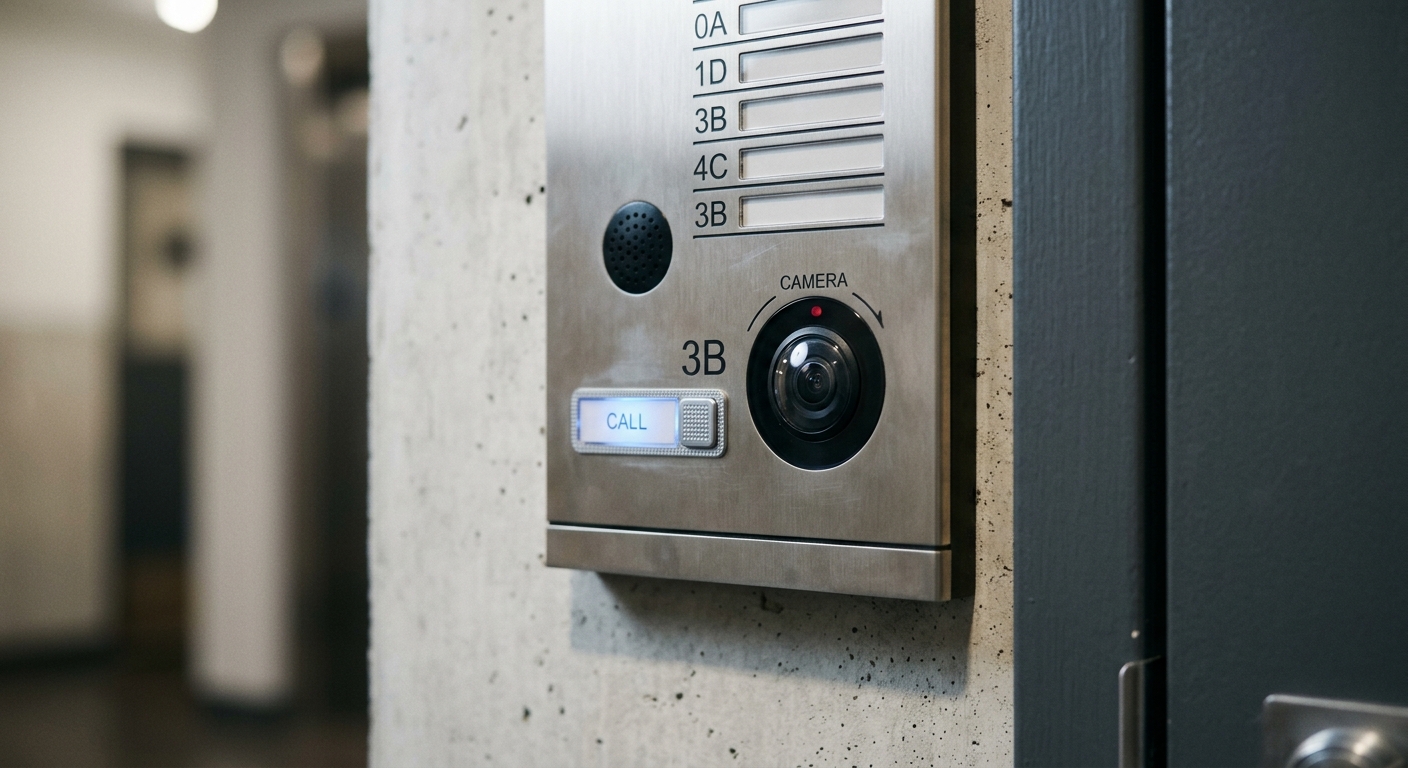
- Peephole cameras: Replacing or augmenting door peepholes with recording devices to view into private rooms
All of these scenarios fall under AS 11.61.123 when the recorded person has a reasonable expectation of privacy and has not consented.
Technology and Hidden Cameras
Modern technology has made hidden cameras smaller and more difficult to detect. Common devices used in voyeurism cases include:
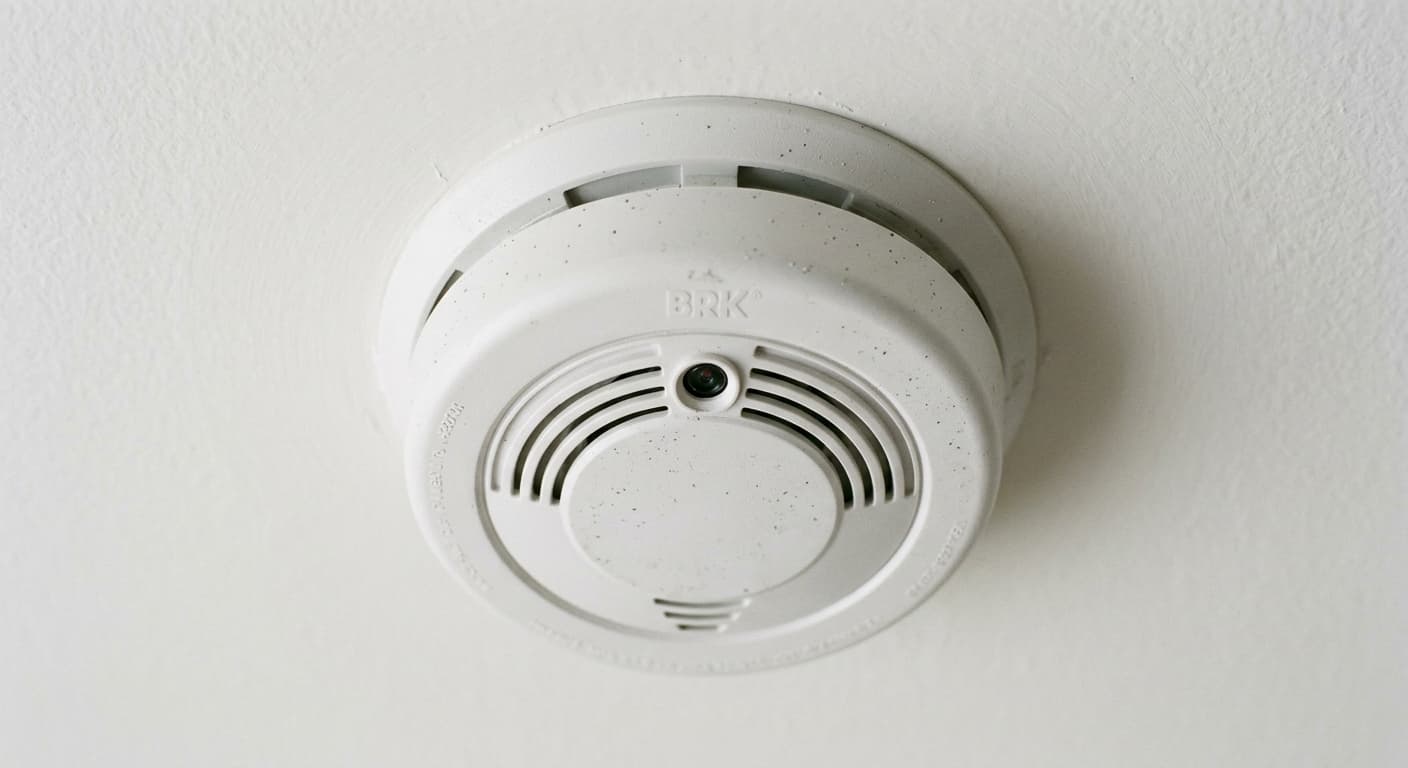
- Pinhole cameras disguised as everyday objects (clocks, smoke detectors, electrical outlets)
- Modified USB chargers with built-in cameras
- Wireless cameras that stream to remote devices
- Smartphone cameras positioned covertly
- Smart home devices modified to record without indicator lights
The type of device used does not affect the criminal analysis. If the device produces an image of someone's private exposure without consent in a place where they have a reasonable expectation of privacy, the statute applies.
Affirmative Defenses
AS 11.61.123 provides specific affirmative defenses that, if proven, can result in acquittal:
Security Surveillance Defense
A person has an affirmative defense if:
- The viewing or recording was done through a prior-notice security surveillance system
- Notice of the surveillance was posted in a manner reasonably calculated to inform those being recorded
- The recording is used solely for crime prevention, prosecution of criminal activity, or internal security purposes
This defense protects businesses and property owners who use legitimate security camera systems. The key requirements are (a) posted notice and (b) use limited to security purposes.
Law Enforcement Defense
Law enforcement officers acting within the scope of their official duties have a defense when conducting lawful surveillance. This includes authorized investigations, searches conducted pursuant to warrants, and monitoring in correctional facilities.
Consent Defense
If the person being viewed or recorded provided informed consent to the viewing or recording, the statute does not apply. Consent must be knowing and voluntary. Consent obtained through fraud, coercion, or deception is not valid.
Sex Offender Registration
Under AS 12.63 (Sex Offender Registration Act), certain convictions under AS 11.61.123 may trigger a requirement to register as a sex offender. The registration requirement depends on:
- The specific subsection of the statute under which the conviction occurred
- Whether the victim was a minor
- The court's determination of the offender's risk level
- Whether the offense is classified as a "sex offense" under the registration statute
Sex offender registration in Alaska carries significant long-term consequences, including:
- Mandatory registration with local law enforcement
- Public listing on the Alaska Department of Public Safety Sex Offender Registry
- Restrictions on where the offender may live and work
- Regular reporting requirements
- Potential lifetime registration for certain offenses
Revenge Porn and Non-Consensual Intimate Images
Alaska does not have a specific standalone "revenge porn" statute as of 2026. However, the distribution of intimate images without consent may be prosecuted under several existing laws:
- AS 11.61.123 applies to the initial production of the image if it was created without consent
- AS 11.61.120 (Harassment) may apply if the distribution is intended to harass
- Federal law under 18 U.S.C. Section 1801 criminalizes video voyeurism on federal property
- Civil remedies for invasion of privacy, intentional infliction of emotional distress, and related torts
Several states have enacted specific revenge porn statutes, and advocacy groups continue to push for Alaska to adopt similar legislation. Until such a law is passed, victims may need to rely on the existing criminal and civil frameworks.
Voyeurism in Specific Settings
Rental Properties
Landlords who install hidden cameras in rental units to observe tenants face felony charges under AS 11.61.123. Tenants have a clear reasonable expectation of privacy inside their rental units, and any covert surveillance of private areas by a landlord is illegal. Tenants who discover hidden cameras should contact law enforcement immediately and document the camera's location and any evidence of its installation.
Workplaces
Employers in Alaska cannot place surveillance cameras in areas where employees have a reasonable expectation of privacy. Bathrooms, locker rooms, changing areas, and designated private spaces are off-limits for any form of visual monitoring. Employers who violate this rule face criminal liability under AS 11.61.123 and civil liability for invasion of privacy.
Hotels and Short-Term Rentals
Guests in hotels, motels, and short-term rental properties (such as Airbnb or VRBO listings) have a reasonable expectation of privacy in their rooms. Property owners who install hidden cameras in guest rooms, bathrooms, or other private areas face felony charges. Alaska law does not currently require short-term rental hosts to disclose the presence of security cameras in common areas, but the industry trend is toward mandatory disclosure.
Schools
School administrators must balance security needs with student privacy. Security cameras in hallways, cafeterias, and parking lots are generally permissible. Cameras in bathrooms, locker rooms, or changing areas for athletic activities are strictly prohibited and would result in felony charges under AS 11.61.123.
How to Detect Hidden Cameras
If you suspect hidden cameras in a location where you have a reasonable expectation of privacy, consider these detection methods:
- Visual inspection: Look for small lenses, unusual objects, or devices that seem out of place
- RF detectors: Radio frequency detectors can identify wireless cameras transmitting signals
- Smartphone apps: Some apps use your phone's camera to detect infrared lights used by night-vision cameras
- Wi-Fi scanning: Check for unfamiliar devices connected to the local network
- Professional sweep: Security professionals can conduct thorough electronic sweeps
If you find a hidden camera, do not disturb it. Contact local law enforcement so they can properly document and investigate the situation.
Civil Remedies for Voyeurism Victims
In addition to criminal prosecution, victims of voyeurism in Alaska can pursue civil remedies:
- Invasion of privacy (intrusion upon seclusion): Damages for the emotional distress caused by the intrusion
- Intentional infliction of emotional distress: Available when the conduct is particularly outrageous
- Negligence claims against property owners: If a hotel, gym, or other business failed to prevent hidden camera installation on their premises
- Federal Wiretap Act claims under 18 U.S.C. Section 2520 if electronic interception was involved
Civil actions can proceed independently of criminal prosecution and may result in compensatory damages, punitive damages, and attorney's fees.
More Alaska Laws
- Alaska Recording Laws
- Alaska Dog Bite Laws
- Alaska Recording Laws
- Alaska Recording Laws
- Alaska Child Support Laws
- Alaska Hit and Run Laws
- Alaska Lemon Laws
- Alaska Whistleblower Laws
More Alaska Recording Laws
Audio Recording | Video Recording | Voyeurism & Hidden Cameras | Workplace Recording | Recording Police | Phone Call Recording | Security Cameras | Recording in Public | Landlord-Tenant | Dashcam Laws | Schools | Medical Recording
Sources and References
- AS 11.61.123 - Indecent Viewing or Production of a Picture(akleg.gov).gov
- AS 12.55.125 - Felony Sentencing Provisions(akleg.gov).gov
- AS 12.63 - Sex Offender Registration Act(akleg.gov).gov
- Alaska DPS - Sex Offender Registry(dps.alaska.gov).gov
- 18 U.S.C. Section 1801 - Video Voyeurism Prevention Act(law.cornell.edu)
- 18 U.S.C. Section 2520 - Federal Wiretap Act Civil Remedies(law.cornell.edu)
- Senate Bill 85 - 34th Alaska Legislature(akleg.gov).gov