Massachusetts Security Camera Laws
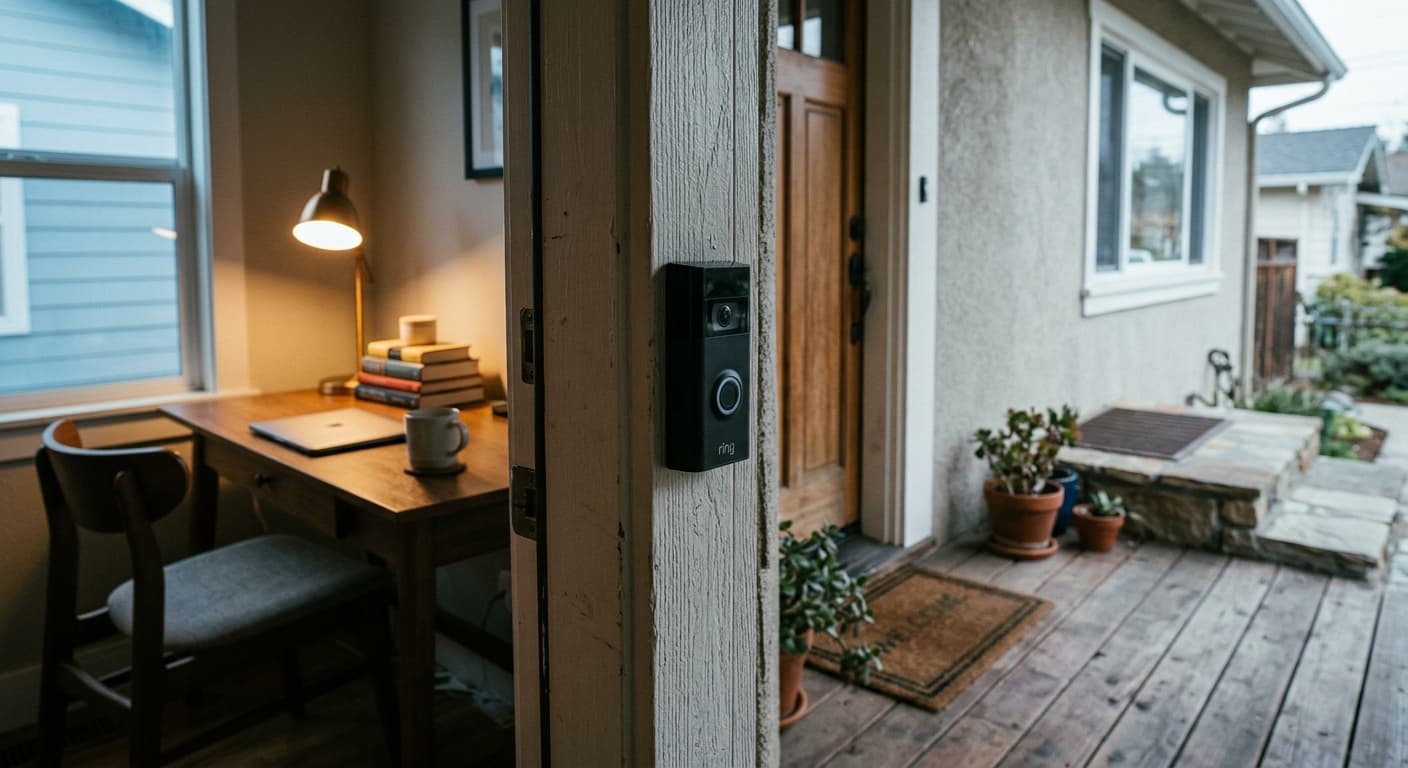
Massachusetts security camera law hinges on one critical question: does the camera capture audio? Under Mass. Gen. Laws ch. 272, Section 99, a security camera that secretly records conversations is treated the same as a hidden wiretap. The penalty is a felony carrying up to 5 years in state prison and a $10,000 fine, with no misdemeanor alternative. Silent security cameras face far fewer restrictions, but they must still comply with privacy laws and cannot be placed in areas where people have a reasonable expectation of privacy.
This guide covers the rules for home security cameras, business surveillance systems, cameras in common areas, and the legal boundaries that separate lawful monitoring from felony wiretapping.
The Audio vs. Silent Camera Distinction
Why Audio Changes Everything
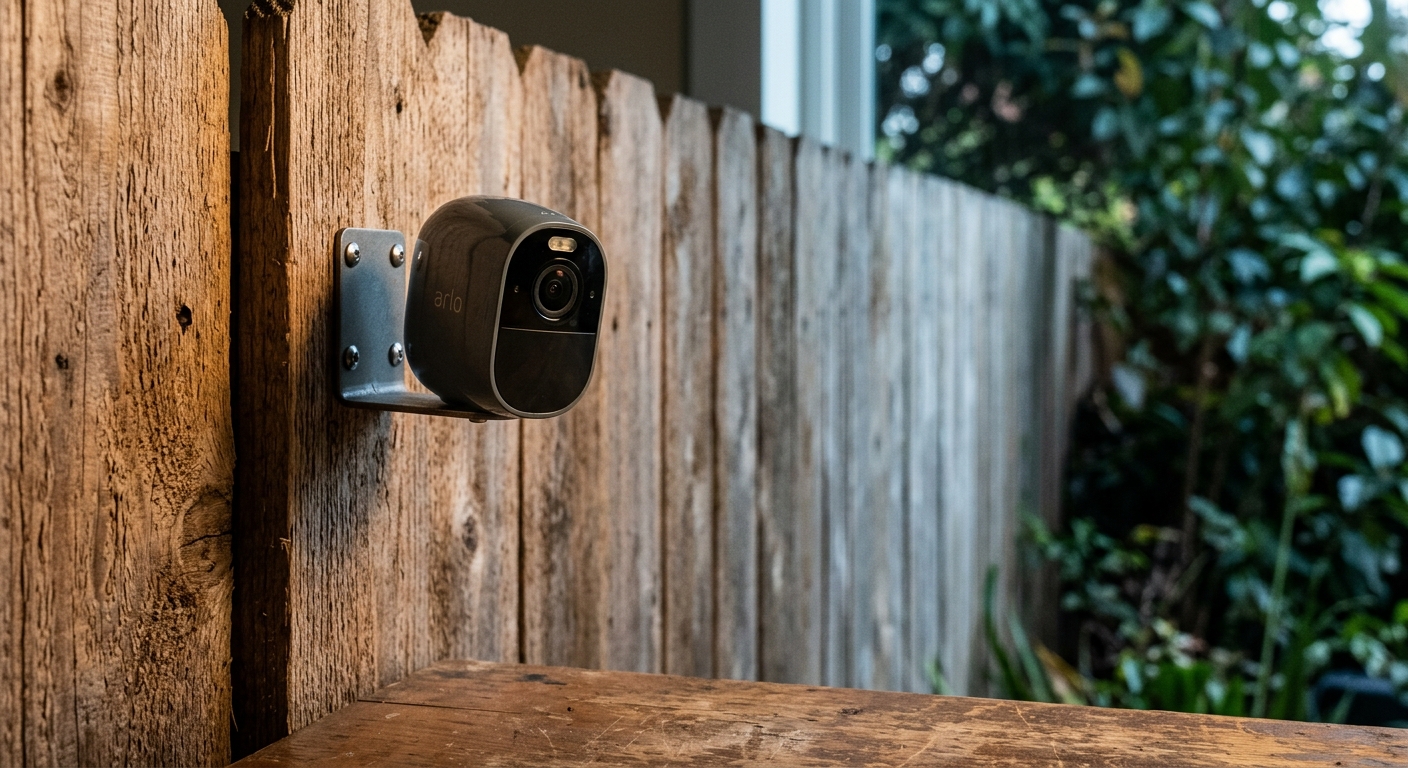
The Massachusetts wiretap statute targets the secret interception of "wire or oral communications." A security camera that records only video does not capture "oral communications" and therefore falls outside Section 99. The moment a camera's microphone activates and records spoken words, however, the full force of the wiretap statute applies.
This creates two very different legal categories:
| Camera Type | Legal Status | Key Restriction |
|---|---|---|
| Silent video camera | Generally legal | Cannot be placed in private areas (restrooms, changing rooms) |
| Camera with audio | Legal only with full disclosure | All persons whose conversations are captured must know about the recording |
The Secrecy Test
For cameras with audio capability, Massachusetts law asks one question: did all parties know the camera was recording their conversations? If the answer is yes (because of posted signage, verbal disclosure, or obvious equipment), the recording is lawful. If any person's conversation was secretly captured, the camera operator has committed a felony.
Many modern security cameras come with built-in microphones that are enabled by default. Camera owners should check their settings carefully and either disable audio recording or ensure proper disclosure if audio is active.
Home Security Cameras
Your Own Property
Massachusetts homeowners have broad rights to install security cameras on their own property. You can place cameras:
- On your home's exterior (front door, driveway, garage, backyard)
- Inside your own home, in rooms you control
- Pointed at your property boundaries to monitor your own land
Audio Restrictions for Home Cameras
If your home security camera has a microphone and captures conversations, Section 99 applies:
- Indoor cameras with audio are lawful as long as everyone in your household knows about them. Guests should be informed that audio recording is occurring.
- Outdoor cameras with audio that capture conversations on your property should be accompanied by visible signage or verbal disclosure to visitors.
- Cameras pointed at neighboring property present a risk if they capture neighbors' conversations. A camera with audio that picks up your neighbor's porch conversations could violate Section 99 if the neighbor does not know about the recording.
Ring Doorbells and Smart Cameras
Video doorbells (Ring, Nest, Arlo, etc.) and other smart cameras are extremely common. Most of these devices record audio by default. In Massachusetts:
- Visitors who ring the doorbell and see the camera are generally on notice that recording is occurring, satisfying the statute
- Conversations captured incidentally by a doorbell camera (such as neighbors talking on the sidewalk near your door) present more legal risk if those people do not know about the recording
- Two-way audio features on smart cameras are governed by the same rules. If you use the two-way audio to speak with a delivery person, both sides know audio is active, and the statute is satisfied
- Passive audio recording of conversations by people who do not realize the camera has a microphone could trigger Section 99
The safest practice is to post a visible sign near any audio-capable smart camera stating that audio and video recording are in progress.
Recording Nannies and Household Workers
Massachusetts homeowners who use "nanny cams" or other cameras to monitor household workers must follow the wiretap statute:
- Silent cameras are generally lawful. You can install hidden video-only cameras to monitor a caregiver.
- Cameras with audio must not be secret. You must inform the nanny, housekeeper, or other worker that their conversations are being recorded.
- Hidden cameras with audio violate Section 99 and constitute a felony, even if the purpose is to monitor the safety of your child.
This is a point where Massachusetts law is stricter than most states. In many one-party consent states, a homeowner can install a hidden audio-capable nanny cam. In Massachusetts, doing so is a felony.
Business Security Cameras
General Rules for Commercial Properties
Massachusetts businesses can install security camera systems, but must follow these guidelines:
- Post visible signage at entrances and throughout monitored areas indicating that video surveillance is in progress
- Disable audio recording on cameras in areas where employees or customers have conversations, or provide explicit disclosure that audio is being recorded
- Never place cameras in private areas such as restrooms, changing rooms, break rooms with an expectation of privacy, or lactation rooms
- Document surveillance policies in employee handbooks and training materials
Audio on Business Cameras
Business cameras that record audio must comply with Section 99. This means:
- All employees must be informed that audio recording occurs in their work areas
- Customers and visitors must be put on notice through visible signage
- "This area is under audio and video surveillance" signs should be posted at all entrances and in monitored areas
- Simply posting "video surveillance" signs is not sufficient if the cameras also record audio
Businesses that fail to disclose audio recording on security cameras face the same felony penalties as any other Section 99 violation: up to 5 years in state prison and $10,000 in fines, plus civil liability under Section 99 Q.
Retail and Customer-Facing Businesses
Retail stores, restaurants, and other customer-facing businesses should:
- Install cameras in visible locations rather than concealing them
- Use signage that specifically mentions both video and audio if cameras have microphones
- Ensure that camera coverage of fitting rooms, restrooms, or other private areas is physically impossible
- Train employees on the location and capabilities of all cameras
- Review camera settings to confirm whether audio recording is enabled
Cameras in Common Areas and Shared Spaces
Multi-Unit Buildings
Landlords and property managers who install cameras in shared spaces of apartment buildings, condominiums, or other multi-unit properties must:
- Limit cameras to common areas such as lobbies, hallways, parking garages, and building entrances
- Never install cameras inside individual units, on balconies or patios that serve specific units, or in laundry rooms or other areas where tenants have a reasonable expectation of privacy
- Post visible signage indicating video surveillance is active
- Disclose audio capability if cameras have microphones enabled
HOA and Condominium Surveillance
Homeowner associations that install security cameras in common areas should:
- Pass a formal vote authorizing the surveillance program
- Notify all residents about camera locations and capabilities
- Post signage at all monitored locations
- Address audio recording explicitly in the authorization
- Comply with the Massachusetts condominium law (Mass. Gen. Laws ch. 183A) regarding common area usage
Hidden Camera Restrictions
The Voyeurism Statute: Section 105
Regardless of whether a camera captures audio, Mass. Gen. Laws ch. 272, Section 105 makes it a crime to use a hidden camera to:
- Record a person's sexual or intimate parts without consent
- Record in locations where a person has a reasonable expectation of privacy (restrooms, changing rooms, bedrooms in another person's home)
- Engage in "upskirting" or similar invasive recording
Penalties under Section 105 include up to 5 years in state prison and fines of up to $5,000 (up to $10,000 when the victim is under 18).
Where Hidden Cameras Are Always Illegal
Hidden cameras are always illegal in the following locations, regardless of whether they capture audio:
- Restrooms and bathrooms
- Changing rooms and fitting rooms
- Locker rooms and showers
- Bedrooms (in someone else's home)
- Hotel and motel rooms
- Lactation rooms
- Any space where a person undresses or engages in intimate activity
Penalties for Security Camera Violations
Criminal Penalties
| Offense | Statute | Maximum Prison | Maximum Fine |
|---|---|---|---|
| Security camera with secret audio recording | Section 99 | 5 years (state prison) | $10,000 |
| Hidden camera in private area | Section 105 | 5 years (state prison) | $5,000 |
| Hidden camera targeting a minor | Section 105 | 5 years (state prison) | $10,000 |
| Disclosure of illegally recorded content | Section 99 | 2.5 years (house of correction) | $5,000 |
Civil Liability
Victims of illegal security camera recording can pursue:
- Section 99 Q damages: $100 per day of violation or $1,000 minimum, plus attorney fees
- Privacy tort damages: Under Mass. Gen. Laws ch. 214, Section 1B, intrusive surveillance can give rise to invasion of privacy claims
- Tenant remedies: Tenants who discover illegal cameras may have grounds to break their lease and seek damages
Massachusetts Recording Laws by Topic
Phone Call Recording | Audio Recording | Video Recording | Workplace Recording | Recording Police | Security Cameras | Recording in Public | Landlord-Tenant | Dashcam Laws | Schools | Medical Recording | Voyeurism & Hidden Cameras
Back to Massachusetts Recording Laws
More Massachusetts Laws
Sources and References
- Mass. Gen. Laws ch. 272, Section 99 - Wiretapping Statute(malegislature.gov).gov
- Mass. Gen. Laws ch. 272, Section 105 - Video Voyeurism(malegislature.gov).gov
- Mass. Gen. Laws ch. 214, Section 1B - Right of Privacy(malegislature.gov).gov
- Mass. Gen. Laws ch. 183A - Condominiums(malegislature.gov).gov
- Massachusetts Law About Employee Privacy(mass.gov).gov