New Mexico Ring Doorbell Laws: What You Need to Know in 2026
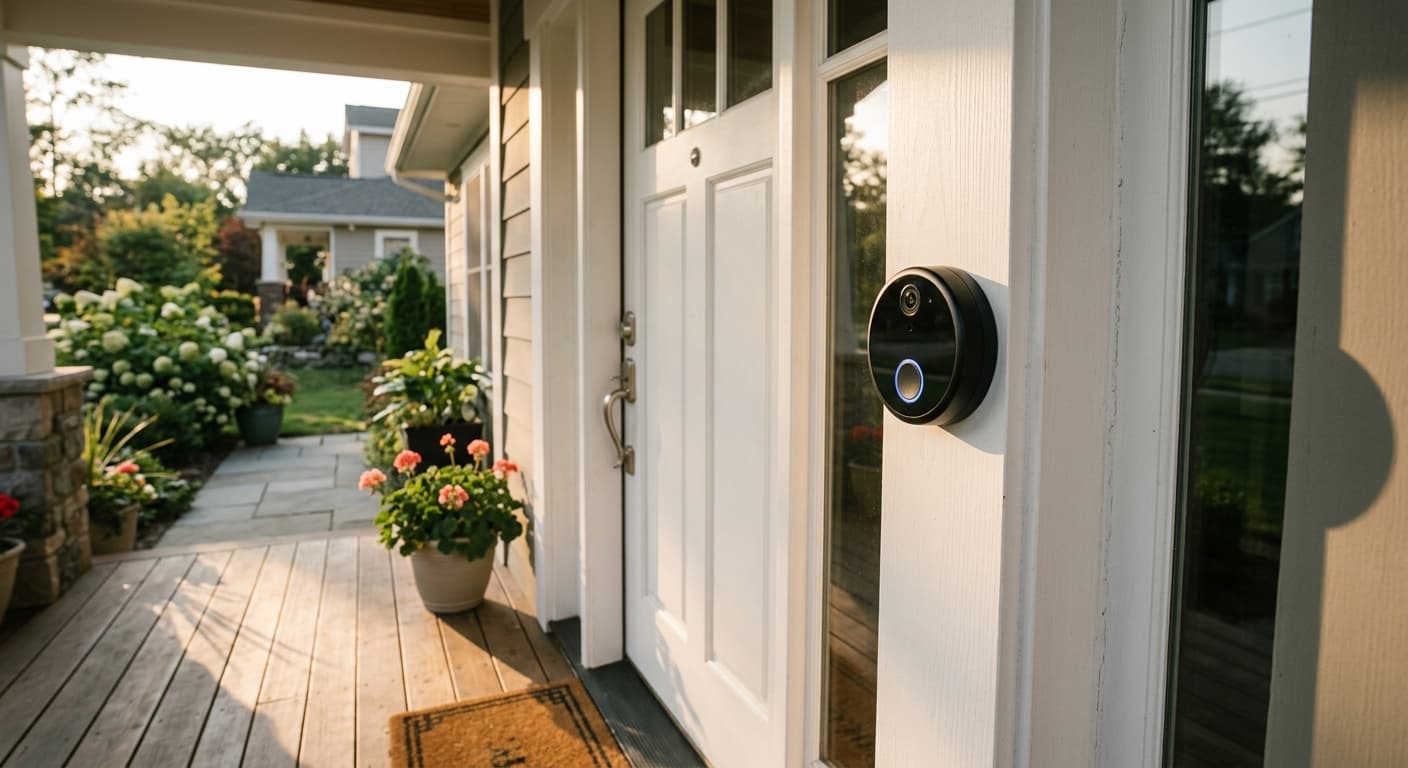
Ring doorbells capture video and audio of activity near your front door. In New Mexico, the legality of that recording depends on what your camera captures, where it points, and whether it records audio. Video surveillance of public-facing areas is broadly permitted, but the state's wiretapping and privacy laws create boundaries that every Ring doorbell owner should understand.
New Mexico's wiretapping statute takes an unusual approach compared to many states. It applies only to telephone and telegraph communications, leaving in-person conversations largely outside its scope. That distinction has real consequences for Ring doorbell owners who record audio of visitors on their porch. This guide covers every relevant New Mexico statute, explains how courts treat doorbell camera evidence, and provides practical steps for staying within the law.
Audio Recording Laws and Ring Doorbells
New Mexico's approach to audio recording differs from most states because the primary wiretapping statute has a narrow scope.
NMSA 30-12-1: Interference with Communications
NMSA 30-12-1 prohibits knowingly and unlawfully intercepting telegraph or telephone communications. Subsection C specifically addresses "reading, interrupting, taking or copying any message, communication or report intended for another by telegraph or telephone without the consent of a sender or intended recipient thereof."
The critical phrase here is "by telegraph or telephone." This statute does not cover face-to-face conversations, ambient sounds, or audio captured by a Ring doorbell on your porch. New Mexico courts have interpreted this language to apply exclusively to wire and electronic communications transmitted through telephone or telegraph infrastructure.
For Ring doorbell owners, this means the state's primary wiretapping law does not directly regulate the audio your device captures from in-person conversations at your door.
One-Party Consent for Wire Communications
When NMSA 30-12-1 does apply (telephone calls, for example), New Mexico follows a one-party consent framework. The statute requires only the consent of "a sender or intended recipient" for lawful interception. If your Ring doorbell happens to pick up audio from a phone call, the one-party standard would govern that recording.
The law enforcement exception in subsection (3) reinforces this standard, allowing interception when "one of the parties to the communication has given prior consent."
Practical Audio Considerations for Ring Owners
Because NMSA 30-12-1 does not cover in-person conversations, New Mexico lacks a clear statutory prohibition on recording face-to-face interactions with a Ring doorbell. However, this does not mean audio recording carries zero risk. Other legal theories, including invasion of privacy torts and the voyeurism statute, could apply depending on the circumstances.
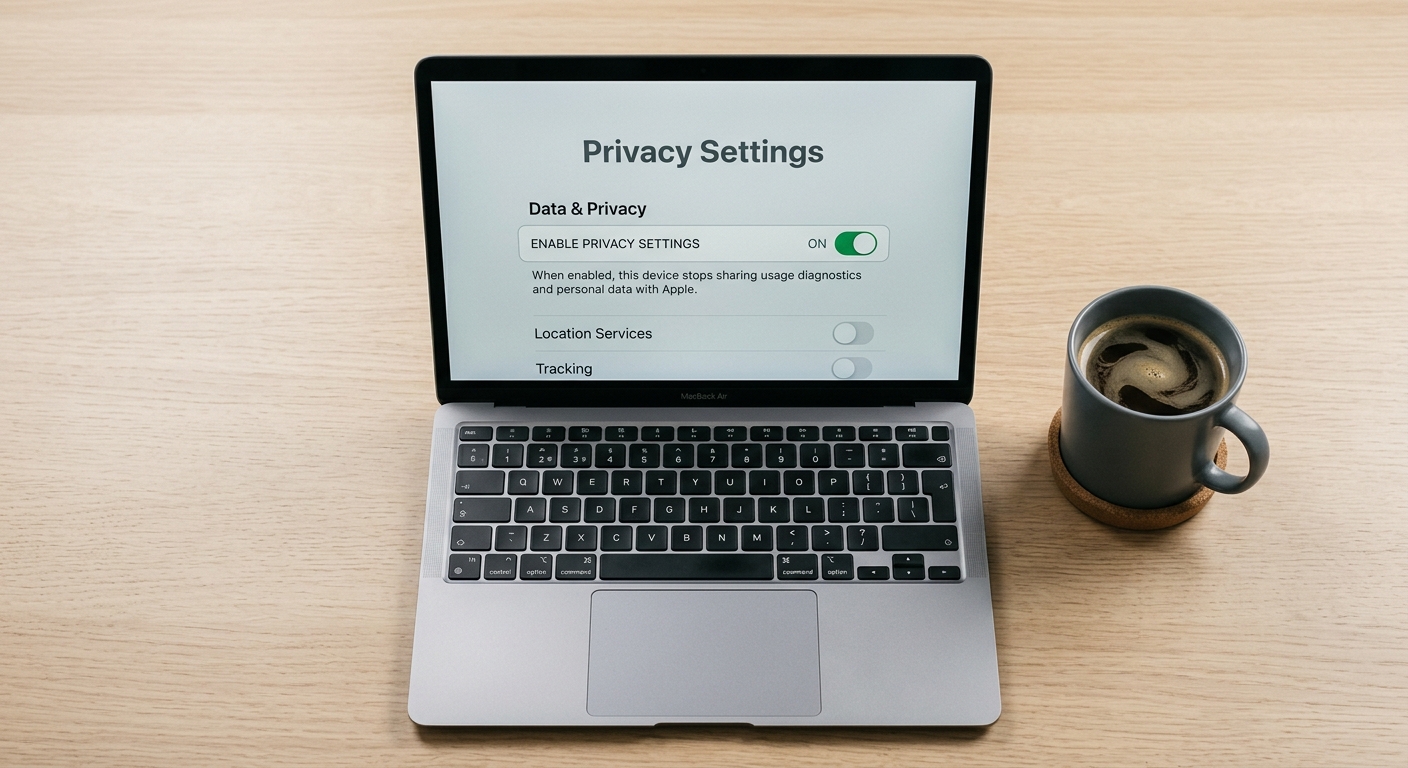
As of April 2026, Ring devices allow users to disable audio recording in the app settings. New Mexico homeowners who want to eliminate any legal ambiguity have two practical options:
- Disable audio recording entirely through the Ring app settings
- Post a visible notice near the doorbell informing visitors that audio and video recording is in progress
Posting a notice does not create a statutory safe harbor, but it reduces the likelihood that anyone captured on audio could argue they had a reasonable expectation of privacy on your doorstep.
Video Recording Laws and Ring Doorbells
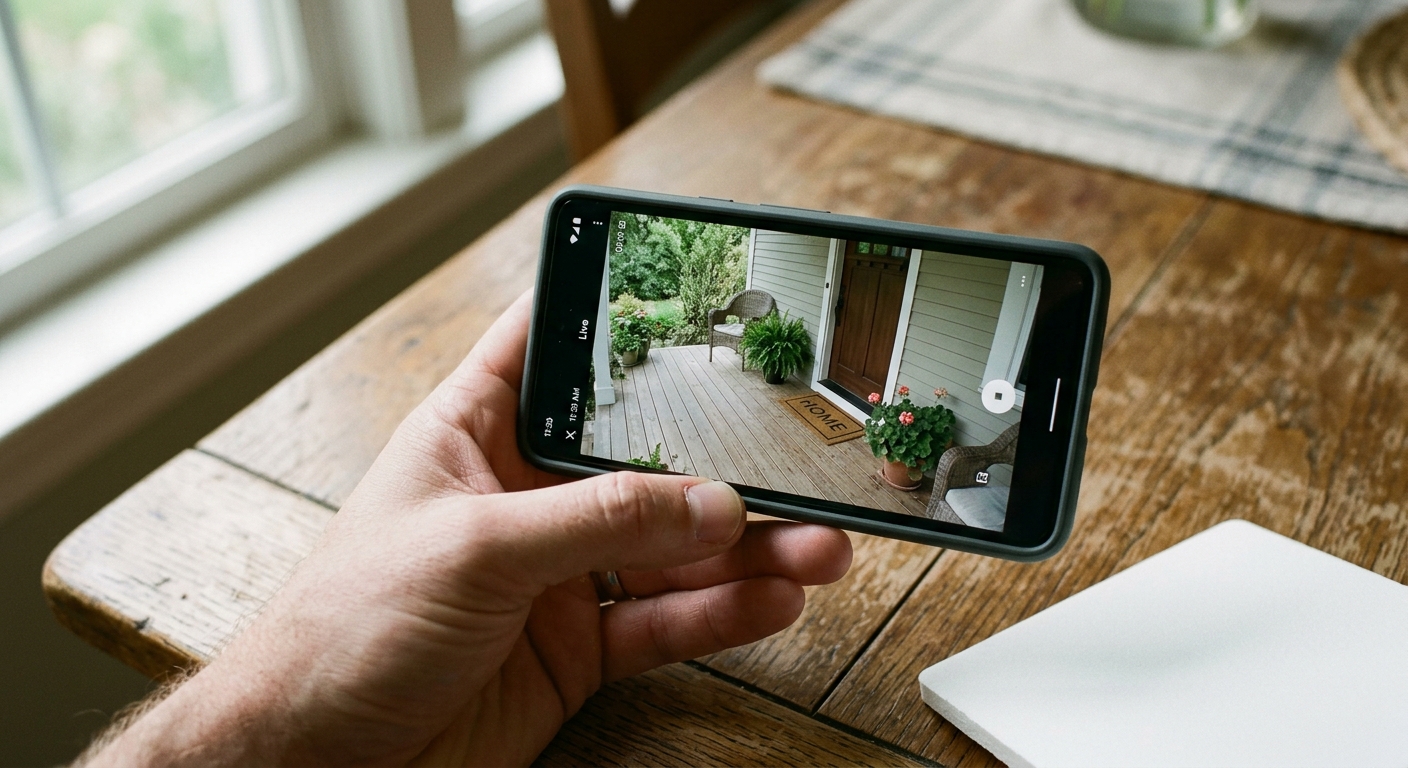
New Mexico does not have a general statute prohibiting outdoor video surveillance. Video recording from a Ring doorbell pointed at public areas, sidewalks, streets, or your own property is legal.
NMSA 30-9-20: Voyeurism Prohibited
NMSA 30-9-20 makes it unlawful to intentionally view, photograph, videotape, film, or record the "intimate areas" of another person without their knowledge and consent. The statute applies when the person is in a location where they have a reasonable expectation of privacy, such as a bedroom, bathroom, or changing room.
"Intimate areas" under this statute means the primary genital area, groin, buttocks, anus, or breasts, as well as undergarments covering those areas.
A Ring doorbell that records video of a public-facing area like a porch, driveway, or sidewalk does not violate NMSA 30-9-20. The statute targets recording of intimate body parts in private settings, not general outdoor surveillance.
Pointing Your Camera: Key Boundaries
New Mexico courts apply a "reasonable expectation of privacy" analysis consistent with Fourth Amendment principles. Areas visible from the public right-of-way carry a diminished expectation of privacy. A Ring doorbell that captures:
- Your own porch, driveway, and walkway: Legal
- The public sidewalk and street: Legal
- A neighbor's front yard visible from the street: Generally legal
- Through a neighbor's window into private rooms: Potentially actionable under privacy tort law and NMSA 30-9-20
Positioning your Ring doorbell to avoid capturing interior views of neighboring homes is the safest approach under New Mexico law.
HOA and Ring Doorbells in New Mexico
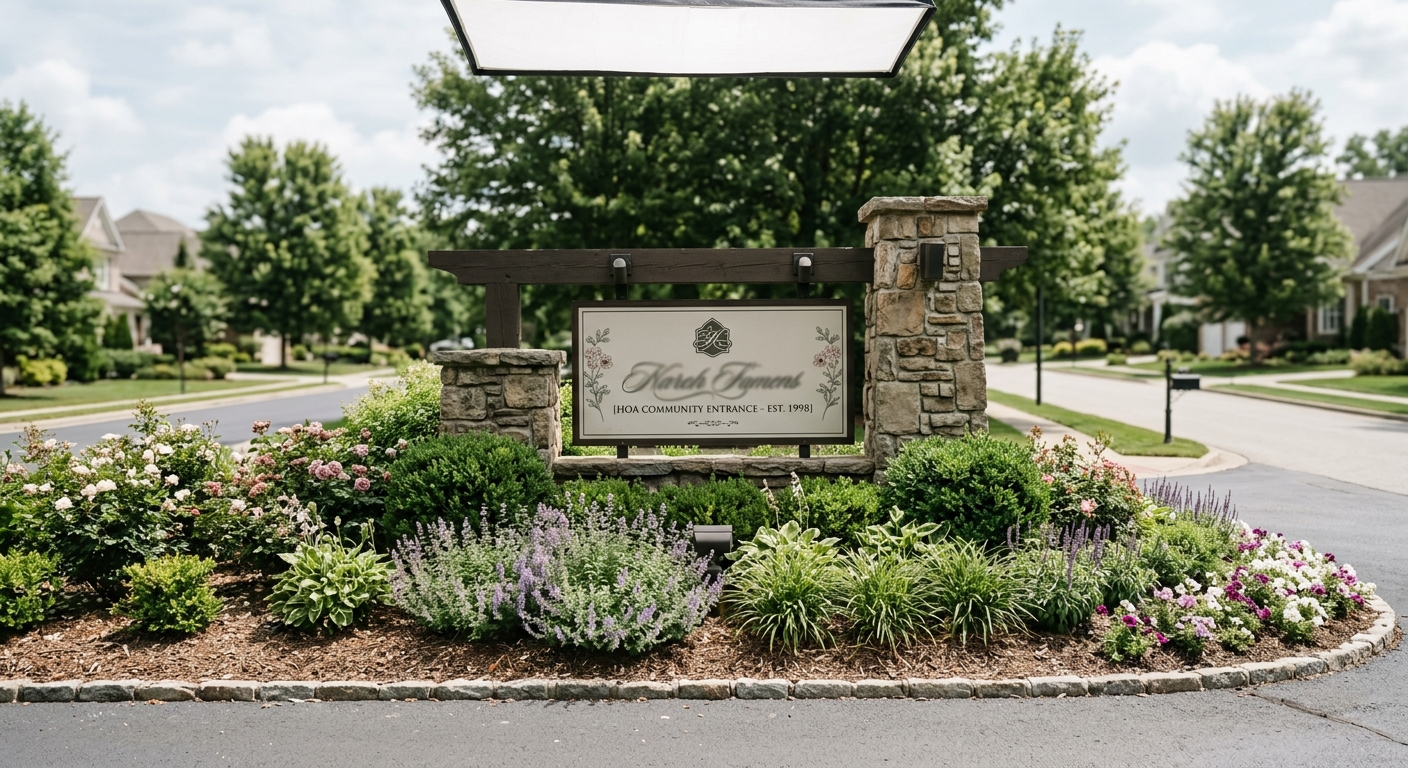
New Mexico's Homeowner Association Act, codified in NMSA Chapter 47, Article 16, governs the creation, authority, and operation of homeowners associations in the state.
What HOAs Can Regulate
HOA boards in New Mexico can adopt and enforce rules through Covenants, Conditions, and Restrictions (CC&Rs), including rules about exterior modifications and device installation. Common HOA restrictions on Ring doorbells include:
- Requirements for architectural review committee approval before installation
- Limits on device color, size, or visibility from common areas
- Rules about camera angle relative to shared spaces
- Restrictions on mounting hardware that damages exterior surfaces
The Homeowner Association Act requires that these regulations be reasonable and consistently applied to all homeowners. An HOA cannot single out one homeowner for enforcement while allowing others to operate identical devices.
What HOAs Cannot Do
While HOAs have broad authority over exterior aesthetics in New Mexico, they cannot adopt rules that violate state law. New Mexico does not have a specific statute guaranteeing the right to install security cameras that overrides HOA restrictions. Homeowners who face HOA pushback on Ring doorbell installation may need to work through the architectural review process or pursue the dispute resolution mechanisms outlined in their governing documents.
Practical Approach
Before installing a Ring doorbell in an HOA community in New Mexico, review your CC&Rs for any provisions covering exterior devices, security cameras, or architectural modifications. Submitting a formal request to the architectural review committee, if one exists, can prevent fines and enforcement actions.
Landlord and Tenant Rights
New Mexico's landlord-tenant law, the Uniform Owner-Resident Relations Act (NMSA Chapter 47, Article 8), does not specifically address doorbell camera installation. The general framework for modifications and access applies.
Tenant Installation Rights
Tenants in New Mexico can typically install a Ring doorbell if they:
- Obtain written permission from the landlord before making any exterior modifications
- Agree to restore the property to its original condition upon move-out
- Ensure the camera does not record areas beyond the tenant's leased space in ways that affect other tenants' privacy
Under NMSA 47-8-24, landlords must provide at least 24 hours' notice before entering a rental unit, except in emergencies. A Ring doorbell does not change this requirement, but footage from the device could document whether a landlord complied with notice requirements.
Landlord Installation
Landlords who install Ring doorbells on rental property exteriors should disclose the presence of cameras to tenants. While New Mexico law does not specifically mandate this disclosure for exterior cameras, failing to inform tenants about recording devices could raise privacy concerns, particularly regarding audio capture.
Cameras installed by landlords should never be pointed at areas where tenants have a reasonable expectation of privacy, such as through windows into the rental unit.
Law Enforcement Access to Ring Footage
How police access Ring doorbell footage in New Mexico involves both federal constitutional protections and Amazon's corporate policies.
Warrant Requirements
The Fourth Amendment protects against unreasonable searches and seizures. New Mexico's constitution provides its own privacy protections under Article II, Section 10. Law enforcement seeking Ring footage generally needs one of the following:
- A valid search warrant issued by a New Mexico court based on probable cause
- Homeowner consent to voluntarily share footage
- A subpoena or court order in certain circumstances
Amazon Ring's Policy
As of 2024, Amazon discontinued the "Request for Assistance" tool that allowed police to ask Ring users for footage through the Neighbors app. In 2025, Ring partnered with Axon to launch a new "Community Requests" feature, allowing law enforcement to request camera footage from users who opt in. Participation remains voluntary.
Law enforcement agencies can still access Ring footage through:
- A legally binding warrant or court order served to Amazon
- Direct requests to the homeowner, who can voluntarily share footage
- Emergency disclosure requests, which Amazon evaluates on a case-by-case basis for imminent threats to life
The FTC's 2023 settlement with Ring required the company to strengthen its privacy protections and delete certain unlawfully obtained data.
Ring Footage as Court Evidence
Ring doorbell footage is admissible as evidence in New Mexico courts when it meets standard authentication requirements under the New Mexico Rules of Evidence. Key factors courts consider include:
- Whether the footage was obtained legally
- Whether the recording system was functioning properly
- Whether the footage has been altered or tampered with
- The chain of custody for the digital files
Because homeowners (not police) own Ring doorbells, footage recorded by a homeowner's device typically does not constitute a warrantless government search under the Fourth Amendment.

Penalties for Illegal Recording in New Mexico
Violating New Mexico's recording and privacy laws carries both criminal and civil consequences.
Criminal Penalties
| Offense | Classification | Penalty |
|---|---|---|
| Interference with communications (NMSA 30-12-1) | Misdemeanor | Up to $1,000 fine and/or up to 1 year in jail |
| Voyeurism (NMSA 30-9-20) | Misdemeanor | Up to $1,000 fine and/or up to 1 year in jail |
| Voyeurism, victim under 18 (NMSA 30-9-20) | Fourth-degree felony | Up to $5,000 fine and/or up to 18 months in prison |
Civil Liability
Under NMSA 30-12-11, victims of illegal interception can bring a civil lawsuit and recover:
- Actual damages suffered as a result of the illegal interception
- Liquidated damages of $100 per day of violation, with a minimum of $1,000, whichever is higher
- Punitive damages at the court's discretion
- Reasonable attorney's fees and litigation costs
A Ring doorbell that continuously and unlawfully records wire communications could generate substantial per-day damages under this formula.
How to Use a Ring Doorbell Legally in New Mexico
Following these guidelines helps New Mexico residents operate Ring doorbells within the bounds of state law.
1. Position the camera carefully. Aim your Ring doorbell at your own property and public-facing areas. Avoid angles that capture through neighbors' windows or into private spaces where someone has a reasonable expectation of privacy.
2. Consider disabling audio or posting notice. While New Mexico's wiretapping statute does not directly cover in-person conversations, posting a visible sign stating "Audio and Video Recording in Progress" reduces the risk of privacy-related claims.
3. Check your HOA rules. Before installing, review your CC&Rs and submit any required architectural modification requests under your community's review process.
4. Get landlord permission if renting. Tenants should obtain written approval before installing any exterior device that modifies the property.
5. Secure your Ring account. Enable two-factor authentication, use a strong password, and review shared access regularly. The FTC's 2023 findings highlighted security vulnerabilities that led to unauthorized access to users' footage.
6. Understand your rights with police. You are not legally required to share Ring footage with law enforcement without a warrant or court order. Sharing is voluntary unless compelled by legal process.
7. Store footage responsibly. Ring footage stored in the cloud is subject to Amazon's data retention policies. Review your storage settings and delete footage you no longer need.
More New Mexico Laws
New Mexico has additional laws covering related topics that affect residents:
- New Mexico Recording Laws cover the full scope of audio and video recording rules in the state.
- New Mexico Hit and Run Laws explain reporting requirements and penalties for leaving the scene of an accident.
- New Mexico Lemon Law outlines protections for consumers who purchase defective vehicles.
This article provides general legal information about New Mexico Ring doorbell laws as of April 2026. Laws and their interpretations can change. Consult an attorney licensed in New Mexico for advice specific to your situation.
Sources and References
- NMSA 30-12-1 - Interference with communications; exception(nmonesource.com).gov
- NMSA 30-9-20 - Voyeurism prohibited; penalties(nmonesource.com).gov
- NMSA 30-12-11 - Right of privacy; damages(nmonesource.com).gov
- New Mexico Homeowner Association Act (NMSA Chapter 47, Article 16)(nmonesource.com).gov
- NMSA 47-8-24 - Uniform Owner-Resident Relations Act(nmonesource.com).gov
- New Mexico Constitution, Article II, Section 10(nmonesource.com).gov
- FTC - Ring employees illegally surveilled customers, failed to stop hackers(ftc.gov).gov
- FTC Blog - Ring lax practices led to privacy and security violations(ftc.gov).gov
- NPR - Ring will no longer allow police to request doorbell camera footage(npr.org)