Massachusetts Ring Doorbell Laws: What You Need to Know in 2026
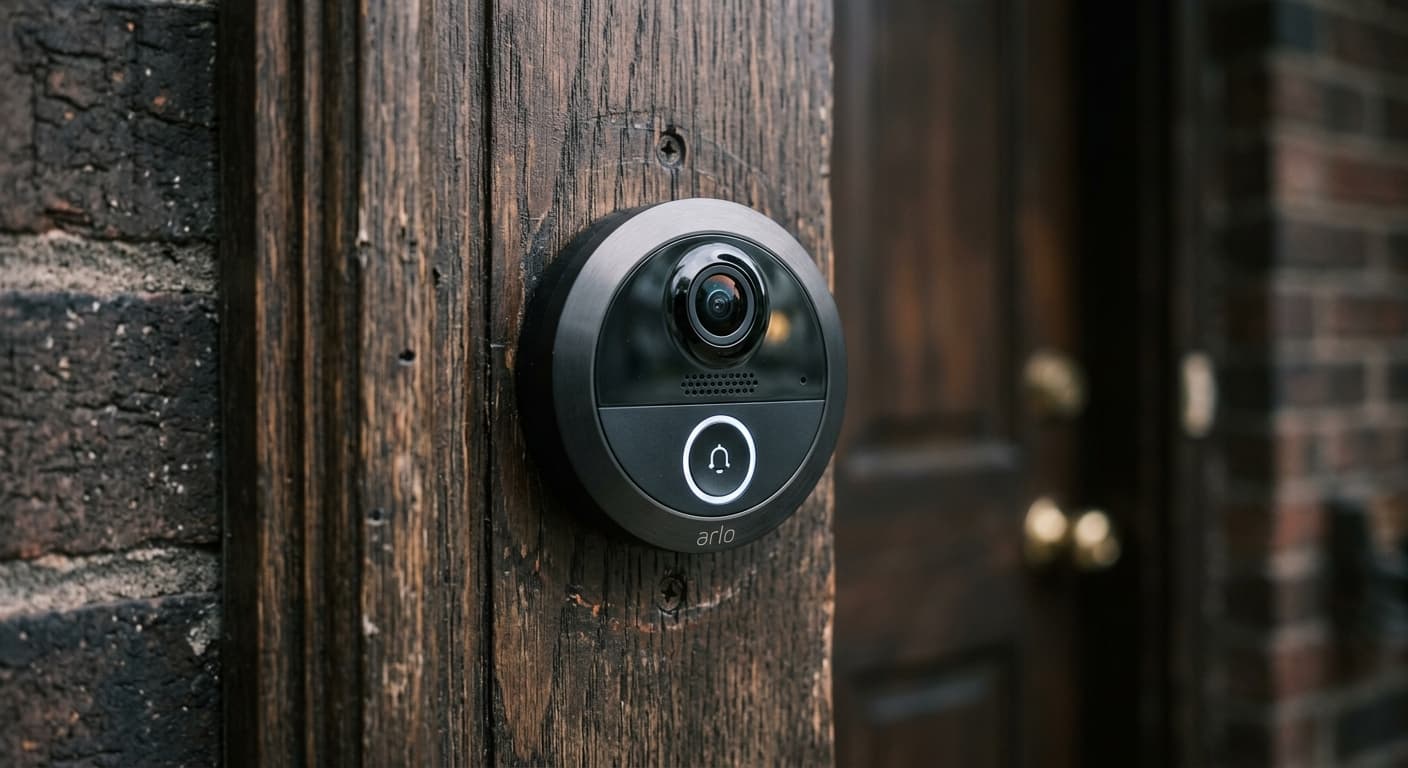
Massachusetts has one of the strictest wiretapping laws in the United States. Under Mass. Gen. Laws ch. 272, section 99, secretly recording any oral or wire communication is a criminal offense punishable by up to 5 years in state prison and a $10,000 fine. This law has direct implications for every Ring doorbell owner in the state.
The critical word in the Massachusetts statute is "secretly." Unlike other all-party consent states that focus on whether everyone agreed to be recorded, Massachusetts targets whether the recording was made without the knowledge of the other participants. A Ring doorbell that silently records conversations without any notice to the people being recorded runs afoul of this distinction.
Audio Recording Laws and Ring Doorbells in Massachusetts
Mass. Gen. Laws ch. 272, section 99 is the governing statute for all audio recording in Massachusetts. The law makes it a crime for any person to willfully commit an interception, attempt to commit an interception, or procure any other person to commit an interception of any wire or oral communication.
The "Secret" Recording Standard
Massachusetts takes a different approach from most all-party consent states. The statute specifically targets secret recordings. The Massachusetts Supreme Judicial Court has interpreted this to mean that if all parties are aware that recording is occurring, the recording does not violate the statute, even if one or more parties object to being recorded.
This distinction matters for Ring doorbell owners. A Ring doorbell that records audio without any visible indication or notice to visitors is making a secret recording under the statute. A Ring doorbell paired with a clearly visible sign stating that audio and video recording is in progress provides the awareness that may take the recording outside the statute's prohibition.

What "Interception" Covers
The statute defines "interception" broadly as the secret use of any device to hear or record the contents of any wire or oral communication. "Oral communication" means speech uttered by a person who has an expectation that the communication is not being intercepted.
A Ring doorbell's microphone captures all sounds within its range. When visitors, delivery drivers, neighbors, or passersby have conversations near the device, the Ring records their voices. If those individuals have no knowledge that recording is occurring, the interception is "secret" under the statute.
The Law Enforcement Exception Is Extremely Narrow
Unlike many states that allow law enforcement officers to record with one-party consent, Massachusetts restricts even police recordings. An officer may only record communications when investigating "designated offenses" connected to organized crime, and even then only with specific authorization. This narrow exception does not apply to civilian Ring doorbell recordings.
Video Recording Laws and Ring Doorbells
Massachusetts separates video surveillance from audio recording under its legal framework. The wiretapping statute applies only to oral and wire communications, not to video.
Where Video Recording Is Legal
Ring doorbell owners in Massachusetts can legally record video of outdoor areas where people do not have a reasonable expectation of privacy. This includes front porches, driveways, sidewalks, front yards, and other public-facing areas. No consent or notice is required for video-only surveillance of these areas.
Privacy Restrictions on Video
Mass. Gen. Laws ch. 214, section 1B establishes a general right against unreasonable, substantial, or serious interference with privacy. This statute can apply to video surveillance that goes beyond recording public areas.
Aiming a Ring doorbell camera through a neighbor's window, into their bedroom, or at any area where they have a reasonable expectation of privacy could violate this provision. The superior court has jurisdiction to enforce privacy rights and award damages for violations.
Voyeurism and Electronic Surveillance Statute
Mass. Gen. Laws ch. 272, section 105 specifically addresses electronic recording or surveillance of nude or partially nude persons. This statute covers any electronic device used to view, obtain, or record a person's visual image in circumstances where the person has a reasonable expectation of privacy. Violations can result in up to 2.5 years in the house of corrections or 5 years in state prison and fines up to $10,000.
While this statute targets a different type of conduct than typical Ring doorbell use, it underscores how seriously Massachusetts treats privacy-related surveillance offenses.
HOA Rules and Ring Doorbells in Massachusetts
Massachusetts condominium and HOA law adds a significant layer of complexity to Ring doorbell installations, particularly in multi-unit buildings.
Condominium Common Elements
Under Massachusetts condominium law, exterior walls, hallways, entryways, and doorframes are typically classified as common elements owned by the condominium trust rather than individual unit owners. Installing a Ring doorbell on a common element constitutes a modification to association property.
Most condominium declarations and bylaws require trustee approval before any modification to common elements. A unit owner who installs a Ring doorbell without this approval faces potential fines, removal orders, and legal action from the association.
Board Use Agreements
When a Massachusetts condominium board grants permission for a Ring doorbell installation, best practice calls for a written license or use agreement. This agreement typically specifies where the camera can be aimed, prohibits audio recording (to comply with section 99), addresses data storage and sharing, and sets conditions for removal.
Privacy in Common Areas
Massachusetts courts have generally held that residents do not have a reasonable expectation of privacy in condominium common areas like hallways. A Ring doorbell that records video of a shared hallway is less likely to violate privacy rights than one aimed at a neighbor's door or windows. However, the audio component remains problematic regardless of location.
HOA Architectural Review
Planned communities governed by HOA covenants typically require architectural review committee approval for exterior modifications, including Ring doorbells. Review your community's CC&Rs and submit required applications before installation.
Landlord and Tenant Rights
Massachusetts rental properties present specific challenges for Ring doorbell use, driven by both the wiretapping statute and landlord-tenant law.
Tenant-Installed Ring Doorbells
Tenants in Massachusetts generally have the right to install security cameras inside their own rental units. Exterior installations, including Ring doorbells, require landlord permission because the front door, doorframe, and building exterior are typically landlord property.
Written permission from the landlord protects the tenant from lease violations and security deposit deductions for any installation damage. Some Massachusetts landlords now include specific doorbell camera provisions in lease agreements.
Audio Recording in Multi-Unit Buildings
The wiretapping statute creates particular risks for Ring doorbells in apartment buildings. A device mounted on an apartment door captures audio from a shared hallway where other tenants regularly pass and converse. Without clear notice to all building residents, these recordings could constitute secret interceptions under section 99.
Disabling audio recording is the recommended approach for tenants in Massachusetts multi-unit buildings. If audio remains enabled, prominent signage in the hallway area helps establish that the recording is not secret.
Landlord-Installed Cameras
Landlords can install video surveillance cameras in common areas like parking lots, building entrances, and lobby spaces. Cameras cannot monitor private tenant spaces. Any camera with audio capability must comply with the wiretapping statute, which in practice means landlords should either disable audio or post conspicuous notice of audio recording.
Massachusetts landlords should disclose security camera locations to tenants, ideally in the lease agreement, with written details about where cameras are located and what areas they monitor.
Law Enforcement Access to Ring Footage
Massachusetts follows the same federal framework as other states for law enforcement access to Ring recordings, with one notable state-level wrinkle.
Standard Warrant and Legal Process
Law enforcement can obtain Ring footage through a valid warrant, subpoena, or court order. Since 2024, Ring has required valid legal process before releasing customer recordings to police. Ring discontinued its "Request for Assistance" program that previously allowed direct police requests through the Neighbors app.
Police officers can still approach homeowners directly and ask them to voluntarily share Ring footage. There is no legal obligation for homeowners to comply with voluntary requests.
Emergency Exceptions
Ring retains the ability to release footage without user permission in situations involving "danger of death or serious physical injury" under 18 U.S.C. section 2702.
End-to-End Encryption
Ring's E2EE feature encrypts video on the device itself. When enabled, neither Ring nor law enforcement can access footage without the user's cooperation and linked device. This provides a strong privacy protection for Massachusetts Ring doorbell owners concerned about unauthorized access.
Audio Admissibility in Massachusetts Courts
Audio captured by a Ring doorbell in violation of section 99 faces significant admissibility challenges in Massachusetts courts. The statute provides for suppression of illegally intercepted communications, and courts have consistently excluded secretly recorded audio from evidence. Even lawfully obtained Ring footage may have its audio component suppressed if the recording was made without the knowledge of the recorded parties.
Penalties for Illegal Recording in Massachusetts
Massachusetts imposes severe penalties for wiretapping violations, reflecting the legislature's strong stance on recording privacy.

Criminal Penalties
| Offense | Statute | Classification | Maximum Prison Time | Maximum Fine |
|---|---|---|---|---|
| Secret interception of communications | Ch. 272, section 99 | Felony | 5 years | $10,000 |
| Disclosure/use of illegally intercepted communications | Ch. 272, section 99 | Misdemeanor | 2 years | $5,000 |
| Electronic surveillance of nude person | Ch. 272, section 105 | Felony | 5 years | $10,000 |
Civil Liability
Under section 99(Q), any person whose communications were illegally intercepted can bring a civil action and recover damages of at least $100 per day of violation or $1,000, whichever is higher. The court may also award actual damages (if greater), punitive damages, reasonable attorney fees, and other litigation costs.
This civil remedy means that a neighbor who discovers a Ring doorbell has been secretly recording their conversations can sue for substantial damages without needing to involve law enforcement.
Practical Context
While prosecutions of homeowners for Ring doorbell audio recordings are uncommon, the penalties are real. A Massachusetts prosecutor sought to introduce Ring doorbell audio as evidence in a criminal case, and the defense argued that the Ring device itself violated the wiretapping statute. This type of legal challenge underscores the risk that Ring audio creates in Massachusetts.
How to Use a Ring Doorbell Legally in Massachusetts
The strict nature of Massachusetts recording law requires deliberate precautions from Ring doorbell owners.
Disable audio recording. Open the Ring app, navigate to device settings, and turn off audio recording. This is the single most effective step to eliminate criminal liability under section 99. Video-only recording is not covered by the wiretapping statute.
Post visible signage if keeping audio enabled. If you choose to leave audio recording on, place a clearly visible sign near the doorbell stating "Audio and video recording in progress." Because Massachusetts law targets secret recordings, giving notice that recording is happening may protect you. The sign should be visible to anyone approaching the door.
Use Ring's privacy zones. Configure the camera to exclude areas where neighbors have a reasonable expectation of privacy, such as windows, fenced yards, and private spaces.
Get condominium board approval. If you live in a condo, submit a request to the trustees before installing a Ring doorbell on any common element. Be prepared for conditions, including a prohibition on audio recording.
Get landlord permission if renting. Obtain written authorization before installing on rental property. Discuss audio recording implications, especially in multi-unit buildings.
Enable end-to-end encryption. Protect your stored footage by activating E2EE in the Ring app.
Consider the "knowledge" standard. Massachusetts law prohibits secret recording, not all unconsented recording. If every person who approaches your door can see a sign informing them of recording, you are providing the knowledge that the statute requires. This approach has stronger legal footing in Massachusetts than in states that require affirmative consent.
More Massachusetts Laws
Explore other Massachusetts legal topics on RecordingLaw.com:
- Massachusetts Recording Laws
- Massachusetts Hit and Run Laws
- Massachusetts Lemon Law
- Massachusetts Surveillance Camera Laws
- Massachusetts Data Privacy Laws
This article provides general legal information about Massachusetts Ring doorbell laws and is not legal advice. Massachusetts has one of the strictest wiretapping statutes in the country, with felony penalties for violations. Consult an attorney for advice specific to your situation.
Sources and References
- Mass. Gen. Laws ch. 272, § 99 (Wiretapping and Electronic Surveillance)(malegislature.gov).gov
- Mass. Gen. Laws ch. 214, § 1B (Right of Privacy)(malegislature.gov).gov
- Mass. Gen. Laws ch. 272, § 105 (Electronic Surveillance of Nude Person)(malegislature.gov).gov
- Massachusetts Jury Instructions: Wiretapping (Mass.gov)(mass.gov).gov
- Massachusetts Law About Privacy (Mass.gov)(mass.gov).gov
- Massachusetts Condominiums and Ring Camera Privacy Concerns (Allcock Marcus)(amcondolaw.com)
- MA Security Cameras vs. Right of Privacy in Condos (Goldman & Pease)(goldmanpease.com)
- Ring Law Enforcement Guidelines(ring.com)
- 18 U.S.C. § 2702 (Stored Communications Act)(law.cornell.edu)
- FTC Ring Privacy Settlement (2023)(ftc.gov).gov