
Georgia
Georgia Phone Call Recording Laws: One-Party Consent Rules (2026)

Georgia is a one-party consent state under O.C.G.A. 16-11-66, which means you can legally record any phone call you participate in without telling the other person. No announcement, beep tone, or prior permission from other parties is required.
Georgia law gives you broad rights to record your own phone calls. Under O.C.G.A. § 16-11-66, Georgia follows one-party consent for recording wire, oral, and electronic communications. If you are a party to a phone call, you can record it without informing or getting permission from anyone else on the line.
This guide covers everything you need to know about recording phone calls in Georgia, including personal calls, business calls, VoIP and video conference audio, interstate call complications, the parental monitoring exception, and the penalties you face if you record calls illegally.
Georgia's One-Party Consent Rule for Phone Calls
The Legal Basis
Two Georgia statutes govern phone call recording. O.C.G.A. § 16-11-62 prohibits intercepting private communications without consent. O.C.G.A. § 16-11-66 then creates the one-party consent exception, stating that nothing in the wiretapping statute prohibits a person from intercepting a wire, oral, or electronic communication where that person is a party to the communication, or where one of the parties has given prior consent.
This means phone call recording is legal in Georgia when:
- You are on the call. Your own participation satisfies the consent requirement.
- Someone on the call authorized you to record. A participant can give you prior consent to record, even if you are not directly on the line.
What Types of Calls Are Covered
Georgia's one-party consent rule applies to all forms of telephone communication:
- Landline calls from home or office phones
- Cell phone calls on any carrier or device
- VoIP calls through platforms like Skype, WhatsApp, Signal, or Google Voice
- Video call audio from Zoom, Microsoft Teams, Google Meet, or FaceTime (note: the video portion follows different rules in private settings)
- Conference calls with multiple participants, as long as you are one of them
What You Do NOT Need to Do
Under Georgia's one-party consent law, you are not required to:
- Announce that you are recording the call
- Play a beep tone or notification sound
- Get verbal or written consent from other parties
- Use any specific type of recording device or software
- Inform the other party after the call that it was recorded
Recording Personal Phone Calls
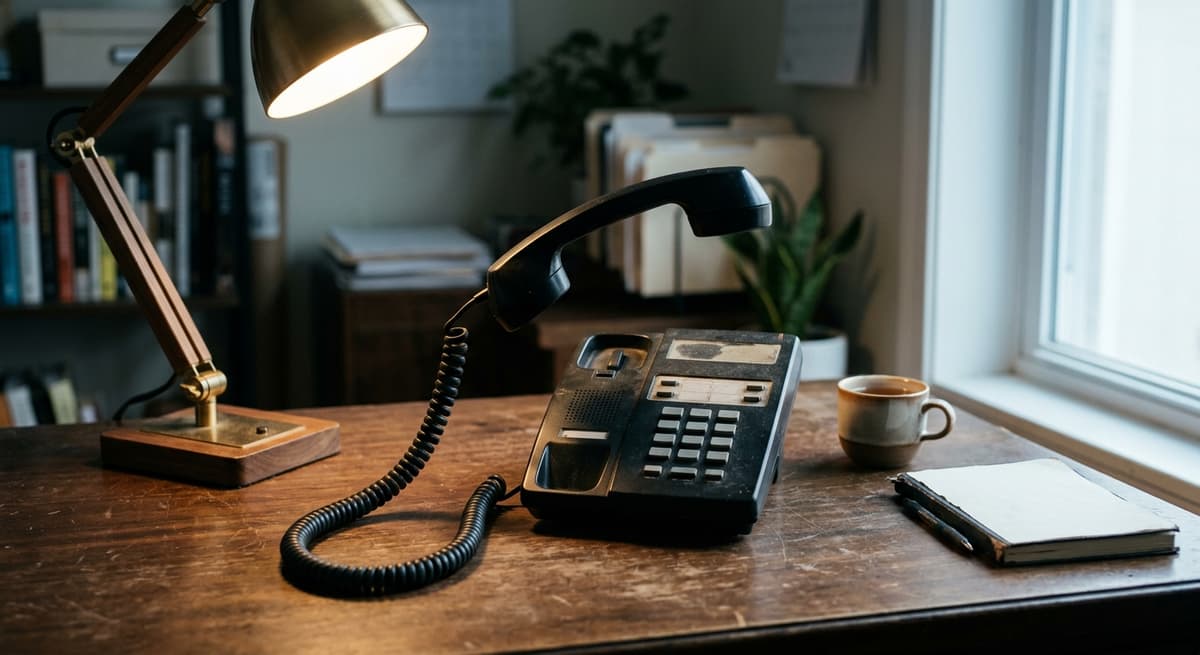
Calls With Family Members
You can record phone calls with family members, including your spouse, parents, siblings, or adult children, as long as you are participating in the conversation. These recordings can be useful for preserving important family discussions, documenting verbal agreements, or keeping a record of conversations during family disputes.
In divorce and custody proceedings, recorded phone calls are commonly submitted as evidence. Georgia courts will generally admit recordings made under the one-party consent rule, though judges evaluate each recording for relevance, authenticity, and potential prejudice.
Calls With Service Providers
Recording calls with customer service representatives, insurance companies, utility providers, medical offices, and other service providers is lawful. Many consumers record these calls to:
- Document promises or commitments made by representatives
- Preserve details of service agreements
- Create evidence if a dispute arises later
- Remember complex instructions or information
Since many companies already record their calls (and often announce this at the start), you are exercising the same right they do when you record from your end.
Calls Involving Disputes
Recording phone calls during disputes with landlords, contractors, neighbors, business partners, or creditors can provide valuable evidence. Georgia's one-party consent law protects these recordings as long as you are a participant.
Recording Business Phone Calls in Georgia
Employer Recording Policies
Georgia businesses can record calls for quality assurance, training, compliance monitoring, and dispute resolution. Because Georgia follows one-party consent, a business employee participating in the call provides the necessary consent. The employer does not need consent from the customer or client on the other end.
Despite this, many Georgia businesses announce call recording as a standard practice. Common methods include:
- Automated announcements. "This call may be recorded for quality assurance and training purposes."
- Verbal notification by the representative. The employee states at the beginning of the call that recording is in progress.
- Tone alerts. A periodic beep tone during the conversation.
These announcements serve as a best practice rather than a legal requirement under Georgia law. They reduce friction with callers from other states and provide an additional layer of legal protection.
Federal Law Alignment
The federal Wiretap Act (18 U.S.C. § 2511) also follows a one-party consent standard. This alignment means Georgia businesses operating under both state and federal jurisdiction face consistent rules. Federal law permits recording when one party to the communication consents, which matches Georgia's standard exactly.
Industry-Specific Requirements
Certain industries face additional recording obligations:
- Financial services. Regulations from the SEC and FINRA may require recording of client calls and retention of those recordings for specified periods.
- Healthcare. HIPAA does not prohibit patients from recording their own calls, but healthcare providers must handle recordings containing protected health information (PHI) under HIPAA's privacy and security rules.
- Legal profession. Attorneys should consider the Georgia Rules of Professional Conduct when recording calls with clients, opposing parties, or witnesses.
Interstate and Cross-State Phone Calls

The Two-State Problem
Phone call recording becomes complicated when parties are in different states with different consent laws. If you are in Georgia (one-party consent) calling someone in a two-party consent state, both states' laws may apply.
Courts have generally held that the stricter standard controls. In one notable case, when a Georgia company routinely recorded business calls with California clients, a court applied California's two-party consent law, reasoning that failing to apply California law would impair California's interest in protecting the privacy of its residents.
Two-Party Consent States to Watch
If you regularly make calls to people in any of the following states, consider informing all parties or getting explicit consent:
| State | Consent Standard |
|---|---|
| California | All-party |
| Connecticut | All-party |
| Florida | All-party |
| Illinois | All-party |
| Maryland | All-party |
| Massachusetts | All-party |
| Montana | All-party |
| New Hampshire | All-party |
| Pennsylvania | All-party |
| Washington | All-party |
Best Practices for Interstate Calls
- Know where the other party is located. Consent requirements depend on physical location, not area code.
- When in doubt, inform all parties. A simple statement like "I am recording this call for my records" satisfies even the strictest all-party consent states.
- Document the other party's location if possible. This helps determine which state's law applies if a dispute arises.
- Businesses should default to all-party notice. Companies making calls across state lines benefit from routinely announcing recording to avoid liability.
The Parental Monitoring Exception
What Parents Can Do
O.C.G.A. § 16-11-66 includes a specific provision allowing parents to monitor their children's phone communications. A parent or guardian of a child under 18 years of age may, with or without the child's consent:
- Monitor or intercept the child's telephone conversations using an extension phone within the family home
- Monitor or intercept the child's electronic or other communications from within the family home
This exception exists to protect children from predators, trafficking, drug involvement, and other dangers.
Reporting Criminal Evidence
If a parent discovers through monitoring that a phone conversation contains evidence of criminal conduct involving the child as a victim, the parent may:
- Disclose the content to a district attorney
- Share the recording with law enforcement officers
- Use the recording as evidence in judicial proceedings
Recordings made under the parental exception that contain evidence of criminal activity targeting the child are admissible in Georgia courts.
Limitations
The parental exception has defined boundaries:
- It covers only phone conversations intercepted through an extension phone in the family home
- It applies to parents and legal guardians, not extended family members or stepparents without legal guardianship
- It protects only children under 18
- It does not authorize installing monitoring software or spyware on the child's personal devices (this may fall under separate computer fraud statutes)
VoIP, Zoom, and Video Conference Recording
Audio Recording of Virtual Meetings
Georgia's one-party consent law applies to the audio component of virtual meetings. If you participate in a Zoom call, Teams meeting, or Google Meet session, you can record the audio without informing other participants.
However, several considerations apply:
- Video component. If participants are in private places, the video recording portion follows Georgia's stricter all-party consent rule for visual recordings in private places under O.C.G.A. § 16-11-62(2).
- Platform notifications. Most conferencing platforms display a recording indicator when someone uses the built-in recording feature. Using a separate, external recording device bypasses these notifications.
- Interstate participants. If any participant is located in a two-party consent state, the stricter standard may apply to the entire call.
AI Meeting Transcription Tools
AI-powered meeting transcription tools like Otter.ai, Fireflies.ai, and similar products record audio and generate transcripts. Using these tools on calls you participate in is lawful under Georgia's one-party consent rule. However, if participants are in two-party consent states, using AI notetakers without everyone's consent may violate those states' laws.
Call Recording Apps and Technology
Recommended Approaches
Several methods exist for recording phone calls in Georgia:
- Built-in phone features. Some Android devices include native call recording. Apple's iOS does not offer built-in call recording.
- Third-party apps. Apps like Rev Call Recorder, TapeACall, and Cube ACR provide call recording functionality.
- Dedicated recording devices. External voice recorders with phone adapters can capture calls from any phone type.
- VoIP platform features. Zoom, Teams, and Google Meet all offer recording functionality for virtual meetings.
Storage and Security
After recording a call, protect the recording by:
- Backing up files to cloud storage and a local device
- Noting the date, time, and participants for each recording
- Storing recordings securely to prevent unauthorized access
- Preserving original files without editing for potential evidentiary use
Penalties for Illegal Phone Call Recording
Criminal Consequences
Recording a phone call without any party's consent violates O.C.G.A. § 16-11-62 and carries felony penalties under O.C.G.A. § 16-11-69:
- Prison: 1 to 5 years
- Fine: Up to $10,000
- Combined: Both prison and fine
Each illegal recording constitutes a separate offense, so tapping multiple calls can result in multiple felony charges.
Civil Liability
Victims of illegal call recording can file civil lawsuits seeking:
- Compensatory damages for emotional distress and reputational harm
- Statutory damages under the federal Wiretap Act (18 U.S.C. § 2520) of $10,000 per violation or actual damages, whichever is greater
- Punitive damages
- Attorney fees and litigation costs
- Injunctive relief to prevent further recording
Evidence Suppression
Illegally recorded phone calls are generally inadmissible in Georgia courts. Both state and federal exclusionary rules prevent the use of evidence obtained through unlawful wiretapping. A recording that captures proof of someone else's wrongdoing will likely be thrown out if you obtained it illegally.
More Georgia Laws
- Georgia AI Meeting Recording Laws
- Georgia Alimony Laws
- Georgia At-Will Employment Laws
- Georgia Car Accident Laws
- Georgia Car Seat Laws
- Georgia Child Custody Laws
- Georgia Child Support Laws
- Georgia Common Law Marriage Laws
- Georgia Data Privacy Laws
- Georgia Deepfake Laws
- Georgia Divorce Laws
- Georgia Dog Bite Laws
- Georgia Emancipation Laws
- Georgia Expungement Laws
- Georgia Hit and Run Laws
- Georgia Landlord-Tenant Laws
More Georgia Recording Laws
Audio Recording | Video Recording | Voyeurism & Hidden Cameras | Workplace Recording | Recording Police | Phone Call Recording | Security Cameras | Recording in Public | Landlord-Tenant | Dashcam Laws | Schools | Medical Recording
Back to Georgia Recording Laws
More Georgia Recording Topics
- Georgia Recording Laws
- Georgia Audio Recording
- Georgia Video Recording
- Georgia Medical Recording
- Georgia Schools Recording
- Georgia Workplace Recording
- Georgia Police Recording
- Georgia Security Cameras Recording
- Georgia Voyeurism Recording
- Georgia Landlord Tenant Recording
- Georgia Dashcam Recording
- Georgia Public Recording Recording
- Georgia Biometric Privacy Laws
- Surveillance Camera Laws
Frequently Asked Questions
Can I record a phone call in Georgia without telling the other person?
Yes. Georgia is a one-party consent state under O.C.G.A. § 16-11-66. As long as you are a party to the call, you can record it without notifying the other person. You do not need to announce the recording, play a beep tone, or get any form of permission.
What if I call someone in a two-party consent state from Georgia?
The stricter law generally applies. If you are in Georgia calling someone in California, Florida, Pennsylvania, or another two-party consent state, you may need consent from all parties. Courts have applied the stricter state's law in interstate recording disputes. The safest approach is to inform all parties when calling across state lines.
Can my [employer record](/can-an-employer-record-conversations-without-consent) my work phone calls in Georgia?
Yes, if at least one person on the call consents. In most cases, the employer's representative on the call provides that consent. Employers commonly record calls for quality assurance, training, and compliance. Georgia's one-party consent law and the federal Wiretap Act both permit this practice.
Can I record a Zoom or Teams call under Georgia law?
You can record the audio portion of virtual meetings you participate in under Georgia's one-party consent rule. The video portion follows stricter rules if participants are in private places. Also, if any participant is in a two-party consent state, the stricter standard may apply to the entire call.
Can parents record their child's phone calls in Georgia?
Yes. O.C.G.A. § 16-11-66 specifically allows parents and legal guardians to monitor their minor child's telephone conversations using an extension phone in the family home, with or without the child's consent. If the call contains evidence of criminal conduct targeting the child, the parent can share it with law enforcement and courts.
Sources and References
- O.C.G.A. § 16-11-62 - Eavesdropping and Interception(ga.elaws.us)
- O.C.G.A. § 16-11-66 - One-Party Consent Exception(ga.elaws.us)
- O.C.G.A. § 16-11-69 - Penalties(ga.elaws.us)
- 18 U.S.C. § 2511 - Federal Wiretap Act(law.cornell.edu)
- Georgia Open Meetings Act(law.georgia.gov).gov
- Georgia AG FAQ on Open Government(law.georgia.gov).gov
- NLRB - Employee Rights Under Section 7(nlrb.gov).gov
- FCC 24-17 Declaratory Ruling (Feb. 2024) - AI-generated voices in robocalls(fcc.gov).gov
- Insurance Marketing Coalition Ltd. v. FCC, No. 24-10277 (11th Cir. 2025) - vacated One-to-One Consent Rule(media.ca11.uscourts.gov).gov
- 18 U.S.C. § 2520 - Recovery of Civil Damages(law.cornell.edu)
- FAQs on Photos and Videos under FERPA(studentprivacy.ed.gov).gov