Delaware Audio Recording Laws: All-Party Consent Rules and Penalties (2026)
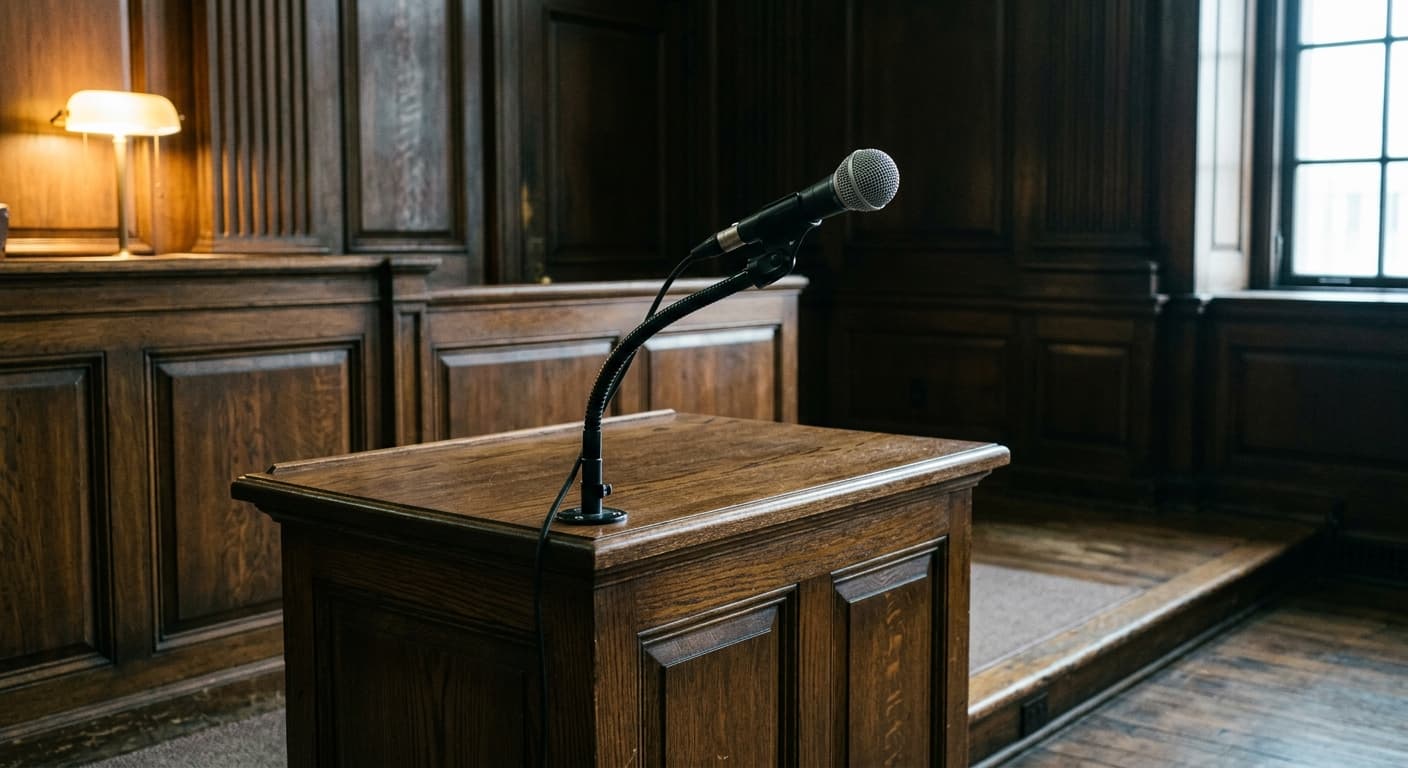
Delaware has a unique legal landscape for audio recording that sets it apart from most other states. Unlike states that fall neatly into one-party consent or two-party consent categories, Delaware has two statutes that directly conflict with each other on the question of how many people must agree before an audio recording can legally take place.
The wiretapping statute (11 Del. C. Section 2402) permits recording when at least one party to the conversation consents. The privacy statute (11 Del. C. Section 1335) requires the consent of all parties to any private communication, including conversations captured by audio recording devices. Because no Delaware state court has definitively resolved this conflict, the safest legal approach is to treat Delaware as an all-party consent state for all audio recording purposes.
The Two Statutes That Govern Audio Recording in Delaware
11 Del. C. Section 2402: The Wiretapping Statute
Delaware's wiretapping law is found in Title 11, Chapter 24, Subchapter I of the Delaware Code. Section 2402 makes it illegal to intentionally intercept, attempt to intercept, or procure any other person to intercept any wire, oral, or electronic communication.
The statute provides an exception for any person who is a party to a wire, oral, or electronic communication, or who has received prior consent from one of the parties. Under this framework, if you are participating in a conversation, you can legally record it without telling the other participants. The only limitation is that the recording cannot be made for the purpose of committing a criminal or tortious act.
This one-party consent framework mirrors the federal wiretap law (18 U.S.C. Section 2511) and is the standard used by the majority of U.S. states.
11 Del. C. Section 1335: The Privacy Statute
Delaware's privacy statute takes a very different approach. Found in Title 11, Chapter 5, Subchapter VII, Section 1335 defines several acts as violations of privacy. Subsection (a)(4) specifically addresses audio interception, making it a crime to "intercept without the consent of all parties thereto a message by telephone, telegraph, letter or other means of communicating privately, including private conversation."
The phrase "consent of all parties" is what creates the conflict with the wiretapping statute. While Section 2402 says one-party consent is sufficient, Section 1335 says every participant must agree before recording can take place.
Why the Conflict Has Not Been Resolved
The Delaware General Assembly has not amended either statute to harmonize them. The most relevant judicial guidance comes from the federal case U.S. v. Vespe (389 F. Supp. 1359, D. Del. 1975), where a federal district court concluded that the drafters of Section 1335 were attempting to mirror the parallel federal statute, which permits one-party consent.
However, the Vespe ruling was a federal court opinion, not a Delaware state court decision, and it dealt with a narrow factual scenario. Delaware state courts have not squarely addressed the statutory conflict. Because of this uncertainty, legal organizations including the Reporters Committee for Freedom of the Press recommend following the stricter all-party consent standard.
How Delaware Audio Recording Consent Works in Practice
What Counts as a "Private Conversation"?
Both Delaware statutes focus on private communications. A conversation qualifies as private when the participants have a reasonable expectation that they are not being overheard or recorded. Factors that courts consider when determining whether a conversation is private include:
- Location: Conversations in homes, private offices, and enclosed spaces are generally considered private. Conversations on a busy street corner or at a public rally are not.
- Volume and conduct: Speaking in hushed tones or moving to a secluded area signals an intent for privacy.
- Number of people present: A one-on-one conversation in a closed room carries a stronger expectation of privacy than a group discussion in an open workspace.
- Context: Business meetings behind closed doors, medical consultations, and legal discussions are typically private regardless of the specific setting.
How to Obtain Valid Consent
To comply with Delaware's all-party consent standard, you should obtain explicit consent before starting any audio recording. Best practices include:
- Verbal consent on the recording: State at the beginning of the recording who is present, that the conversation will be recorded, and ask each person to confirm their agreement. This creates a built-in record of consent.
- Written consent: For formal settings such as business meetings, interviews, or legal proceedings, have each participant sign a consent form before recording begins.
- Implied consent through notice: In business call settings, playing an automated message such as "This call may be recorded for quality assurance purposes" can establish implied consent if the other party remains on the line.
When Audio Recording Is Legal Without Consent
Delaware law does not require consent for audio recording in several situations:
- Public settings with no expectation of privacy: Recording audio in public spaces where conversations can be overheard by passersby, such as parks, sidewalks, and public government buildings during open meetings.
- Public government meetings: Under Delaware's Freedom of Information Act (29 Del. C. Section 10004), public meetings of government bodies must be open to the public, and citizens may record these proceedings.
- Law enforcement with proper authorization: Police officers acting under court orders or statutory authorization may intercept communications.
- Emergency situations: The wiretapping statute includes exceptions for communications relating to emergencies involving immediate danger of death or serious physical injury.
Criminal Penalties for Illegal Audio Recording
Delaware imposes significant criminal penalties for unauthorized audio recording. The specific charge and punishment depend on which statute is violated.
Wiretapping Penalties Under Section 2402
Illegally intercepting a wire, oral, or electronic communication under the wiretapping statute is classified as a Class E felony in Delaware. Under 11 Del. C. Section 4205, Class E felony sentencing includes:
- Up to 5 years in prison
- A fine of up to $10,000
- Or both imprisonment and a fine
Disclosing the contents of an illegally intercepted communication is a Class F felony, carrying up to 3 years in prison.
Privacy Statute Penalties Under Section 1335
Violating the privacy statute by recording a private conversation without all-party consent is classified as a Class A misdemeanor. Penalties include:
- Up to 1 year in jail
- A fine of up to $2,300
- Or both
| Statute | Offense | Classification | Max Prison | Max Fine |
|---|---|---|---|---|
| Section 2402 | Illegal interception | Class E Felony | 5 years | $10,000 |
| Section 2402 | Disclosing intercepted communication | Class F Felony | 3 years | $10,000 |
| Section 1335 | Recording without all-party consent | Class A Misdemeanor | 1 year | $2,300 |
Civil Liability for Illegal Audio Recording
Beyond criminal penalties, Delaware provides a private right of action for victims of illegal recording under 11 Del. C. Section 2409. Any person whose wire, oral, or electronic communication is unlawfully intercepted, disclosed, or intentionally used may file a civil lawsuit.
Available Damages
Victims can recover:
- Actual damages, with a statutory minimum of $100 per day of violation or $1,000, whichever is greater
- Punitive damages in cases involving willful or egregious conduct
- Reasonable attorney fees and litigation costs
Defenses to Civil Liability
A defendant can assert a complete defense if they relied in good faith on a court order or legislative authorization. This defense applies to both civil and criminal proceedings under the wiretapping chapter.
Employer Audio Monitoring in Delaware
Delaware has a specific statute governing employer monitoring that adds another layer of regulation to audio recording in the workplace.
Title 19 Section 705: Employee Monitoring Notice
Title 19 Section 705 of the Delaware Code requires employers to provide advance notice before monitoring employee telephone calls, electronic mail, transmissions, or internet access. Employers must give either:
- Daily electronic notice that monitoring may occur, or
- One-time written notice acknowledging that the employer may monitor these communications
The notice must be provided before any monitoring begins. Employers who fail to comply face a civil penalty of $100 per violation.
Practical Implications for Workplace Audio Recording
The combination of Delaware's all-party consent requirement and the Title 19 Section 705 notice mandate creates a two-part compliance obligation for employers:
- Consent: Employers must ensure they have all-party consent before recording any private workplace conversation, consistent with 11 Del. C. Section 1335.
- Notice: Even when consent is obtained, employers must separately satisfy the Title 19 Section 705 notice requirement for electronic monitoring of employees.
Employers should maintain written policies that clearly describe what types of audio monitoring take place, when and where monitoring occurs, and how recorded audio is stored and used.
Audio Recording and Federal Law
Federal wiretap law under 18 U.S.C. Section 2511 follows a one-party consent model. Under federal law, it is legal to record a conversation as long as at least one party consents, provided the recording is not made for a criminal or tortious purpose.
Delaware's all-party consent standard under Section 1335 is stricter than the federal baseline. This is permissible because federal law sets a floor for privacy protections, not a ceiling. States can impose greater restrictions but cannot offer less protection than the federal standard.
When Delaware and federal law conflict on consent requirements, the stricter standard applies. A recording that is legal under federal law may still violate Delaware state law if all-party consent was not obtained.
Interstate Audio Recording Issues
Which Law Applies to Cross-Border Calls?
When an audio recording involves parties in different states, the laws of each state involved may apply. Delaware residents should be aware of the following principles:
- If you are in Delaware recording a call with someone in a one-party consent state, Delaware's stricter all-party consent standard still applies to you.
- If you are in another state recording a call with someone in Delaware, you should comply with Delaware's all-party consent requirement as well as the laws of your own state.
- For calls involving parties in multiple two-party consent states, follow the strictest standard among all the states involved.
Best Practice for Interstate Recordings
The simplest approach is to always get consent from every party on the call, regardless of where they are located. This ensures compliance with the laws of every state that might have jurisdiction.
Audio Recording Devices and Technology
Smartphones and Voice Recorders
The most common audio recording devices, including smartphones, dedicated voice recorders, and laptop microphones, are all subject to Delaware's consent requirements. The type of device does not affect the legal analysis. Whether you use a phone's built-in recorder, a third-party app, or a professional-grade microphone, the same rules apply.
AI Voice Recorders and Smart Devices
AI-powered audio recording devices such as the Plaud NotePin, Otter.ai recorder, and similar products are subject to the same all-party consent standard. The fact that these devices can automatically transcribe, summarize, or analyze recorded audio does not create any exemption from 11 Del. C. Section 1335. Using an AI recorder without all-party consent in Delaware could result in criminal charges.
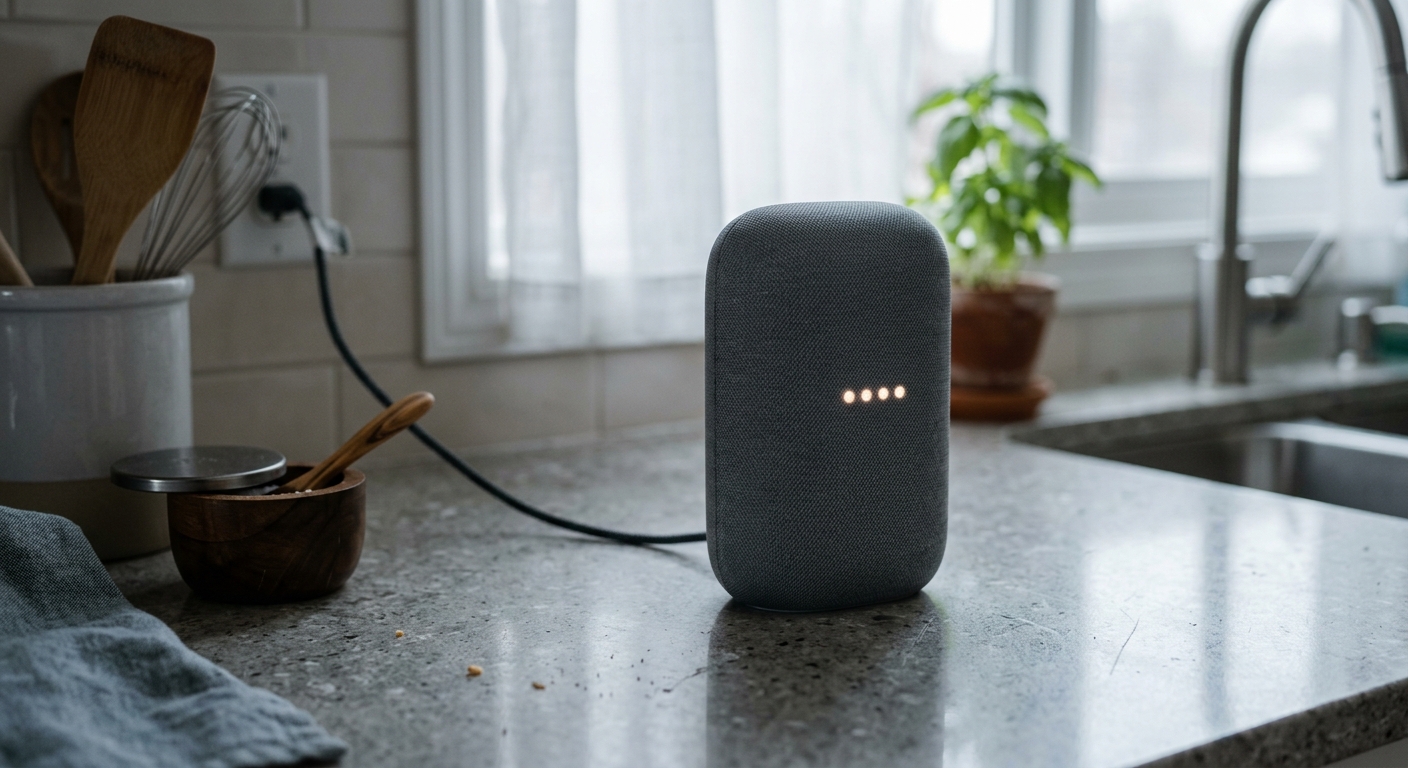
Smart home devices with always-listening features (such as Amazon Echo and Google Home) raise additional concerns. If a smart speaker captures audio of a private conversation between people in your home, the all-party consent standard may apply. Inform guests about any always-listening devices in your home to minimize legal risk.
Wearable Recording Devices
Wearable devices with audio recording capabilities, including smartwatches, smart glasses (such as Meta Ray-Bans), and body-mounted cameras, must comply with Delaware's all-party consent requirement. A built-in recording indicator light does not satisfy the consent requirement because the law requires actual consent, not just a visual notification.
Using Audio Recordings as Evidence in Delaware Courts
Admissibility Requirements
For an audio recording to be admissible in Delaware courts, it must meet several criteria:
- Lawful recording: The recording must have been made in compliance with Delaware's consent requirements. Illegally obtained recordings may be suppressed.
- Authenticity: The party introducing the recording must be able to demonstrate that it is a genuine, unaltered recording of what it purports to be.
- Chain of custody: The recording must have been preserved securely from the time it was made to the time it is presented in court.
- Relevance: The recording must be relevant to the issues in the case.
Best Practices for Evidentiary Audio Recordings
If you anticipate using an audio recording as evidence in a Delaware court proceeding:
- Obtain and document all-party consent before recording
- State the date, time, location, and names of all participants at the beginning of the recording
- Use reliable recording equipment that captures clear audio
- Do not pause, edit, or alter the recording after it is made
- Store the original recording file securely and create backup copies
- Consult with a Delaware attorney about the proper procedures for introducing the recording as evidence
More Delaware Laws
- Delaware Recording Laws
- Delaware Recording Laws
- Delaware Recording Laws
- Delaware Recording Laws
- Delaware Hit and Run Laws
- Delaware Whistleblower Laws
- Delaware Recording Laws
- Delaware Recording Laws
Explore More Delaware Recording Laws
Audio Recording | Video Recording | Voyeurism Laws | Workplace Recording | Recording Police | Phone Call Recording | Security Cameras | Recording in Public | Landlord-Tenant Recording | Dashcam Laws | School Recording | Medical Recording
Sources and References
- Delaware Code Title 11, Section 2402 - Interception of Communications Generally(delcode.delaware.gov).gov
- Delaware Code Title 11, Section 1335 - Violation of Privacy(delcode.delaware.gov).gov
- Delaware Code Title 11, Section 2409 - Civil Liability(delcode.delaware.gov).gov
- Delaware Code Title 19, Section 705 - Employer Monitoring(delcode.delaware.gov).gov
- Delaware Code Title 29, Chapter 100 - FOIA(delcode.delaware.gov).gov
- 18 U.S.C. Section 2511 - Federal Wiretap Act(law.cornell.edu)
- Delaware Reporters Recording Guide - RCFP(rcfp.org)
- U.S. v. Vespe, 389 F. Supp. 1359 (D. Del. 1975)(law.justia.com)