South Dakota Ring Doorbell Laws: What You Need to Know in 2026
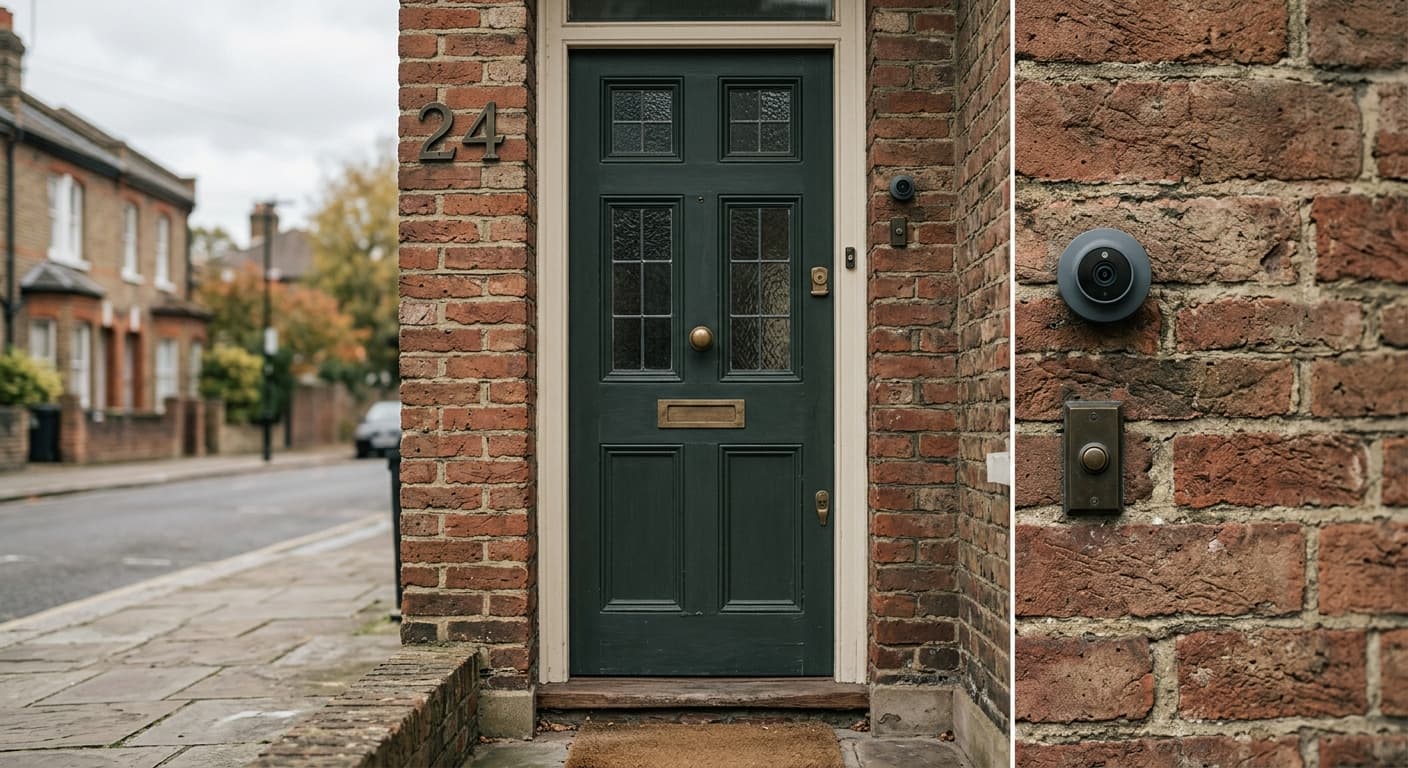
Ring doorbells record both video and audio of activity near your front door. In South Dakota, the legality of that recording hinges on what the camera captures, where it points, and whether the audio recording involves conversations you are participating in. Video surveillance of public-facing areas is broadly permitted, while audio recording falls under the state's eavesdropping and wiretapping statutes.
South Dakota's recording laws are structured differently from many other states, placing the key provisions in both the criminal procedure code and the crimes code. This guide breaks down each relevant statute, explains penalties for violations, and offers practical steps for using a Ring doorbell within South Dakota law.
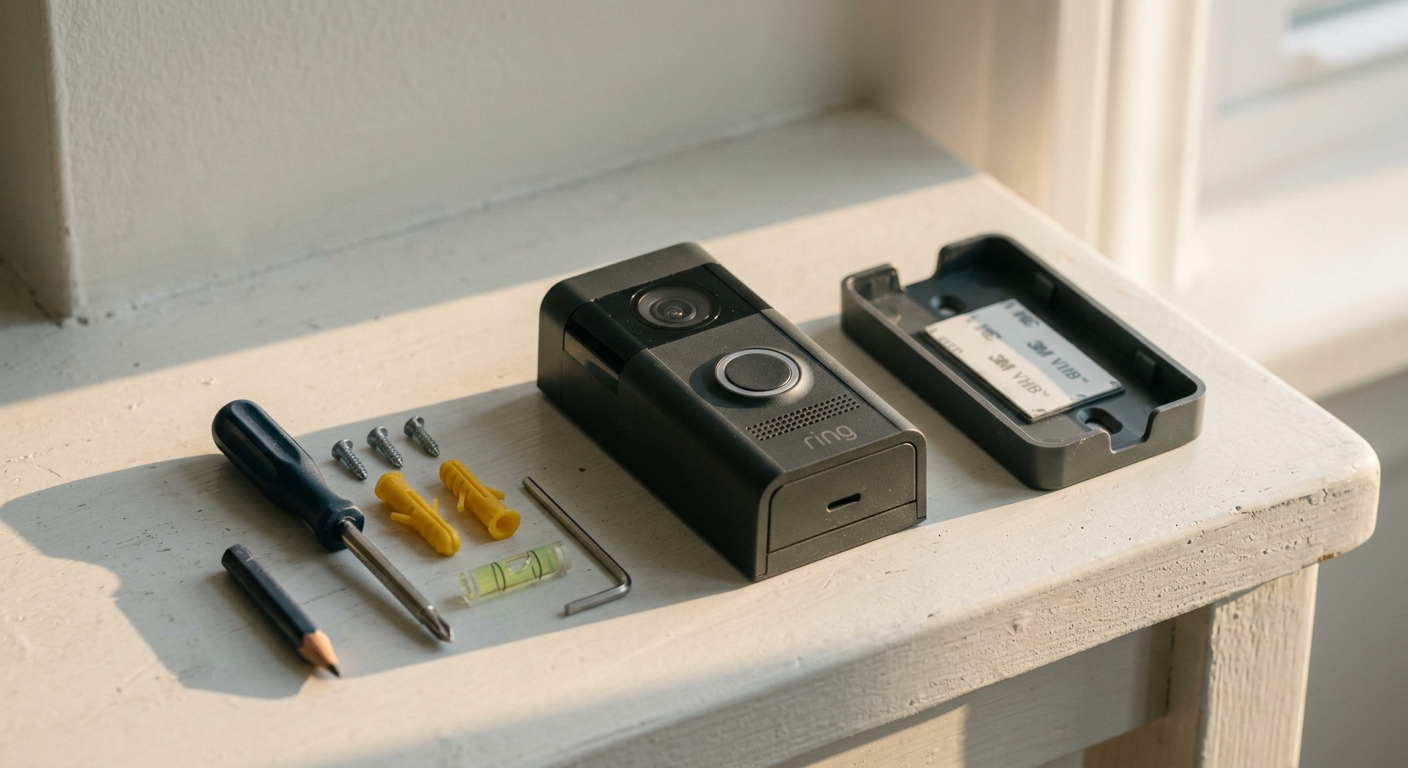
Audio Recording Laws and Ring Doorbells
South Dakota's audio recording framework is governed by SDCL Chapter 23A-35A, titled "Interception of Wire, Electronic, or Oral Communications." The central provision for Ring doorbell owners is Section 23A-35A-20.
One-Party Consent Standard (SDCL 23A-35A-20)
SDCL 23A-35A-20 makes it a Class 5 felony for a person who is not a sender or receiver of a communication to intentionally overhear or record that communication by means of an eavesdropping device "without the consent of either a sender or receiver." The statute also prohibits a person who is not present during a conversation from recording it "without the consent of a party to the conversation or discussion."
The critical phrase is "without the consent of either a sender or receiver." This language establishes South Dakota as a one-party consent state. If you are a party to the conversation, or if one party consents, the recording is lawful.
For Ring doorbell owners, this means that when you answer your Ring doorbell and speak with a visitor through the two-way talk feature, you are a party to the conversation. Your own consent satisfies the one-party requirement, making that audio recording legal.
Recording Third-Party Conversations
The one-party consent protection applies only when you or another consenting party participates in the conversation. If your Ring doorbell picks up a conversation between two visitors on your porch and you are not involved, no party to that conversation has consented. Recording that exchange could violate SDCL 23A-35A-20.
The statute requires the use of an "eavesdropping device" for the prohibition to apply. South Dakota law defines this term broadly as any electronic, mechanical, or other apparatus intentionally used to intercept wire, electronic, or oral communications. A Ring doorbell's microphone qualifies as such a device when it captures conversations.
Practical Audio Considerations
Ring doorbells have microphones that activate automatically. As of April 2026, Ring devices allow users to disable audio recording through the app settings. South Dakota homeowners concerned about recording third-party conversations have two practical options:
- Disable audio recording entirely through the Ring app, eliminating exposure to the eavesdropping statute
- Post a visible notice near the doorbell informing visitors that audio and video recording is in progress
A posted notice can help establish that visitors are aware of the recording. While South Dakota law does not specifically address implied consent through signage, a clear notice weakens any argument that the recording was done without the participants' knowledge.

Video Recording Laws and Ring Doorbells
South Dakota does not have a blanket statute prohibiting outdoor video surveillance. Video recording from a Ring doorbell pointed at public areas, sidewalks, streets, or your own property is generally legal. The restrictions come from the state's invasion of privacy statutes.
Eavesdropping and Surveillance in Private Places (SDCL 22-21-1)
SDCL 22-21-1 is South Dakota's primary privacy protection statute. It prohibits:
- Trespassing on property with intent to subject anyone to eavesdropping or other surveillance in a private place
- Installing in any private place, without consent, any device for observing, photographing, recording, amplifying, or broadcasting sounds or events
- Using any such unauthorized installation
- Intentionally using a drone to photograph, record, or otherwise observe another person in a private place where the person has a reasonable expectation of privacy
A violation of SDCL 22-21-1 is a Class 1 misdemeanor, punishable by up to one year in jail and a fine up to $2,000.
For Ring doorbell owners, this statute draws a clear line at "private places." A Ring doorbell mounted on your front door that captures your porch, driveway, and the public street does not violate this statute. Aiming a camera to capture activity inside a neighbor's home or in another area where someone has a reasonable expectation of privacy could trigger this provision.
Visual Recording Without Consent (SDCL 22-21-4)
SDCL 22-21-4 addresses a more specific scenario: using a visual recording device to photograph or record another person without clothing, or in a sexual manner, without consent, with intent to self-gratify, harass, or embarrass, in circumstances where the person has a reasonable expectation of privacy. This voyeurism statute is a Class 1 misdemeanor and becomes a Class 6 felony if the victim is 17 or younger and the perpetrator is 21 or older.
A standard Ring doorbell recording a front porch does not implicate SDCL 22-21-4. This statute targets intentional voyeuristic conduct, not incidental capture of public-facing areas.
Camera Positioning Guidelines
South Dakota courts apply a reasonable expectation of privacy analysis. A Ring doorbell that captures:
- Your own porch, driveway, and walkway: Legal
- The public sidewalk and street: Legal
- A neighbor's front yard visible from public areas: Generally legal
- Through a neighbor's window into private rooms: Potentially illegal under SDCL 22-21-1
HOA and Ring Doorbells in South Dakota
South Dakota is one of the few states without a comprehensive statutory framework governing homeowners associations. Unlike states with detailed HOA statutes, South Dakota relies primarily on each community's governing documents to set the rules.
How HOA Rules Apply
Since South Dakota has no state HOA statute comparable to other states' planned community acts, the authority of an HOA to regulate Ring doorbells comes entirely from:
- Articles of Incorporation, which establish the legal basis of the association
- Bylaws, outlining the association's operational structure
- Covenants, Conditions, and Restrictions (CC&Rs), specifying requirements and limitations for properties
If your community's CC&Rs include provisions about exterior modifications, architectural guidelines, or security devices, those rules govern whether and how you can install a Ring doorbell.
What HOAs Can Regulate
An HOA's architectural guidelines may include:
- Requirements for approval before installing exterior devices
- Restrictions on camera placement, color, or size
- Rules about where cameras can point relative to common areas
- Requirements to remove devices that do not comply with community standards
Dispute Resolution
Because South Dakota lacks a statutory HOA dispute resolution framework, homeowners who disagree with an HOA's decision regarding Ring doorbells would generally need to pursue resolution through the courts or any alternative dispute resolution process specified in the community's governing documents.
Practical Approach
Before installing a Ring doorbell in an HOA community in South Dakota, review your CC&Rs thoroughly. If your governing documents address exterior modifications or devices, submit a formal request to the architectural review committee before installation.
Landlord and Tenant Rights
The South Dakota Residential Landlord and Tenant Act (SDCL Chapter 43-32) governs rental relationships but does not specifically address doorbell camera installation.
Tenant Installation Rights
Tenants in South Dakota can generally install a Ring doorbell if they:
- Obtain written permission from the landlord before making exterior modifications
- Agree to restore the property to its original condition upon move-out
- Ensure the camera does not record areas that violate other tenants' privacy
Most lease agreements in South Dakota include clauses about modifications to the rental unit. A Ring doorbell that mounts with minimal hardware and replaces an existing doorbell may be considered a minor alteration, but written landlord consent is the safest approach.
Landlord Installation
Landlords who install Ring doorbells on rental property exteriors should disclose the camera's presence to tenants. Exterior cameras aimed at common areas like parking lots and entryways are generally permissible. Cameras that capture areas where tenants have a reasonable expectation of privacy could violate SDCL 22-21-1.
Landlords should never position cameras to view inside rental units or private outdoor spaces designated for specific tenants.
Law Enforcement Access to Ring Footage
How police access Ring doorbell footage in South Dakota involves constitutional protections and Amazon's corporate policies.
Fourth Amendment Protections
The Fourth Amendment protects against unreasonable searches and seizures. South Dakota courts recognize these protections for the home and its curtilage (the area immediately surrounding a residence). Law enforcement seeking Ring footage generally needs:
- A valid search warrant issued by a South Dakota court based on probable cause
- Homeowner consent to voluntarily share footage
- A subpoena or court order in certain circumstances
Amazon Ring's Evolving Policy
Amazon's approach to law enforcement access has changed over time. In January 2024, Ring discontinued the "Request for Assistance" tool that allowed police to directly ask Ring users for footage through the Neighbors app. However, in 2025, Ring partnered with Axon to create new integrations that allow officers to request footage through Axon's evidence management system.
South Dakota homeowners retain the right to refuse voluntary requests for footage. Sharing Ring footage with law enforcement is optional unless compelled by a warrant or court order.
Ring Footage as Court Evidence
Ring doorbell footage is admissible as evidence in South Dakota courts when it meets standard authentication requirements. The proponent of the evidence must establish that the footage accurately represents what it purports to show and that a proper chain of custody exists. Courts consider whether:
- The footage was obtained legally
- The recording system was functioning properly
- The footage has not been altered
- The chain of custody is documented
FTC Privacy Settlement
The FTC's 2023 settlement with Ring required the company to pay $5.8 million in consumer refunds and implement stronger privacy protections. The agency found that Ring employees had accessed customer videos without authorization and the company failed to prevent hackers from gaining control of user cameras. The FTC sent refunds to affected Ring customers in April 2024.

Penalties for Illegal Recording in South Dakota
Violating South Dakota's recording and surveillance laws carries significant consequences.
Eavesdropping Device Penalties (SDCL 23A-35A-20)
Using an eavesdropping device to record communications or conversations without the consent of a party is a Class 5 felony.
| Penalty | Details |
|---|---|
| Prison | Up to 5 years in a state correctional facility |
| Fine | Up to $10,000 |
| Record | Felony conviction on criminal record |
Invasion of Privacy Penalties (SDCL 22-21-1)
Trespassing with intent to eavesdrop or installing unauthorized surveillance devices in private places is a Class 1 misdemeanor.
| Penalty | Details |
|---|---|
| Jail | Up to 1 year in county jail |
| Fine | Up to $2,000 |
Visual Recording Violations (SDCL 22-21-4)
| Offense | Classification | Penalty |
|---|---|---|
| Unauthorized visual recording (adult victim) | Class 1 misdemeanor | Up to 1 year jail, up to $2,000 fine |
| Unauthorized visual recording (victim 17 or under, perpetrator 21+) | Class 6 felony | Up to 2 years prison, up to $4,000 fine |
Civil Liability
Beyond criminal penalties, victims of illegal surveillance can pursue civil lawsuits for invasion of privacy. South Dakota courts may award compensatory and punitive damages in cases involving intentional privacy violations.
How to Use a Ring Doorbell Legally in South Dakota
Following these guidelines helps South Dakota residents operate Ring doorbells within the bounds of state law.
1. Position the camera carefully. Aim your Ring doorbell at your own property and public-facing areas. Avoid angles that capture through neighbors' windows or into private spaces where people have a reasonable expectation of privacy.
2. Consider disabling audio recording. Turning off audio in the Ring app eliminates exposure to the eavesdropping statute entirely. This is the most conservative approach, particularly for cameras that may pick up third-party conversations.
3. Post a visible notice. A sign near your Ring doorbell stating "Audio and Video Recording in Progress" helps establish that visitors are aware of the recording. While South Dakota law does not specifically recognize implied consent through signage, a notice strengthens your position.
4. Check your HOA rules. Since South Dakota lacks a comprehensive HOA statute, your community's CC&Rs are the primary authority. Review them for provisions on exterior devices before installing.
5. Get landlord permission if renting. Tenants should obtain written approval before installing any exterior device on rental property.
6. Secure your Ring account. Enable two-factor authentication, use a strong unique password, and review shared access regularly. The FTC's 2023 findings about Ring's security vulnerabilities make account protection essential.
7. Understand your rights with police. You are not legally required to share Ring footage with law enforcement without a warrant or court order. Sharing is voluntary unless compelled by legal process.
More South Dakota Laws
South Dakota has additional laws covering related topics that affect residents:
- South Dakota Recording Laws cover the full scope of audio and video recording rules in the state.
- South Dakota Hit and Run Laws explain reporting requirements and penalties for leaving the scene of an accident.
- South Dakota Lemon Law outlines protections for consumers who purchase defective vehicles.
This article provides general legal information about South Dakota Ring doorbell laws as of April 2026. Laws and their interpretations can change. Consult an attorney licensed in South Dakota for advice specific to your situation.
Sources and References
- SDCL Chapter 23A-35A - Interception of Wire, Electronic, or Oral Communications(sdlegislature.gov).gov
- SDCL 23A-35A-20 - Overhearing or recording communications by eavesdropping device as felony(sdlegislature.gov).gov
- SDCL 22-21-1 - Eavesdropping, Privacy, Misdemeanor(sdlegislature.gov).gov
- SDCL 22-21-4 - Record, Privacy, Manipulated image, Violation(sdlegislature.gov).gov
- SDCL Chapter 22-21 - Invasions of Privacy(sdlegislature.gov).gov
- SDCL Chapter 43-32 - Residential Landlord and Tenant(sdlegislature.gov).gov
- SDCL 22-6-1 - Felony classes and penalties(sdlegislature.gov).gov
- FTC - Ring employees illegally surveilled customers, failed to stop hackers(ftc.gov).gov
- FTC Sends Refunds to Ring Customers (2024)(ftc.gov).gov
- FTC Blog - Ring lax practices led to privacy and security violations(ftc.gov).gov