
South Dakota
South Dakota Recording Laws (2026): One-Party Consent Rules
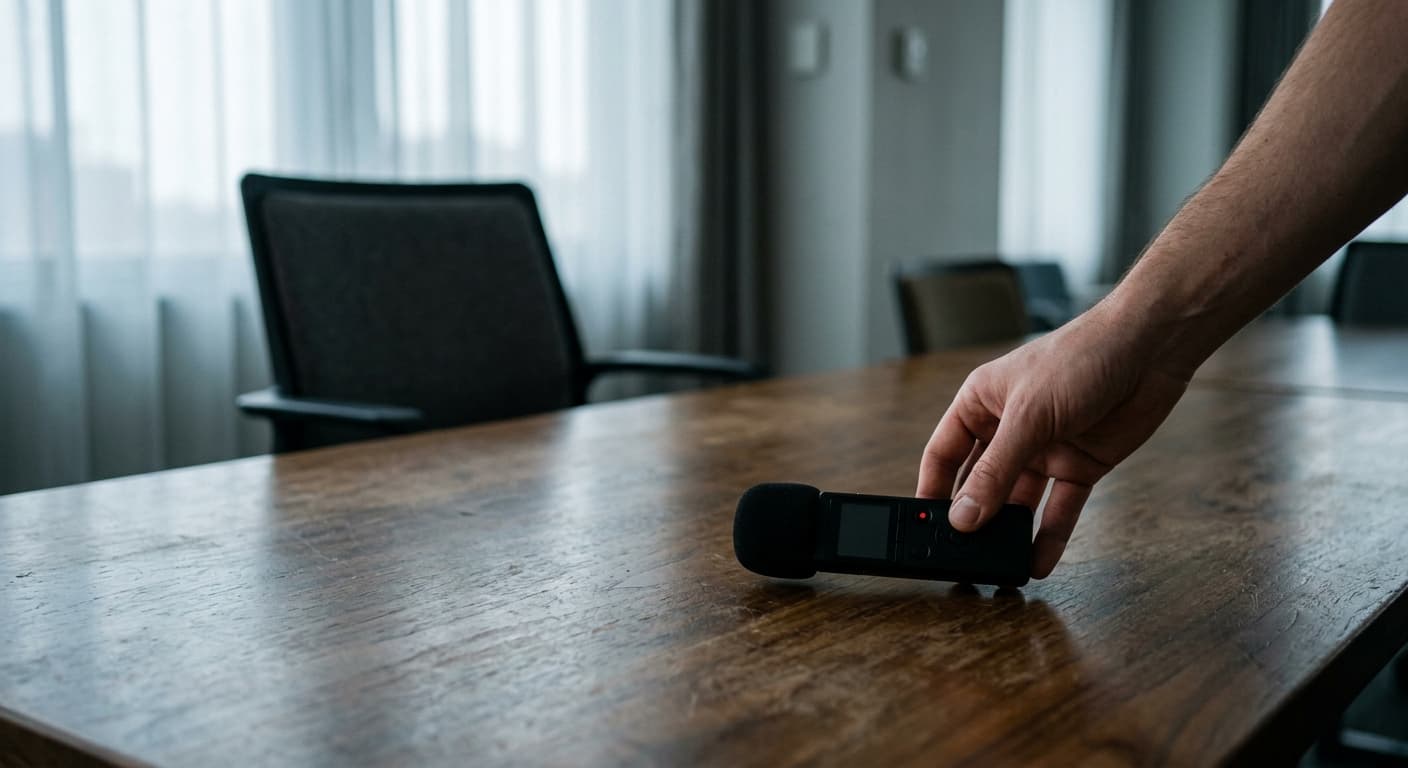
South Dakota is a one-party consent state for recording. Under SDCL 23A-35A-20, any party to a conversation may record it without notifying the other participants. The South Dakota Supreme Court confirmed this rule in State v. Braddock, 452 N.W.2d 785 (S.D. 1990). Recording without consent is a Class 5 felony, and victims may pursue civil relief under federal law and common-law tort.
South Dakota recording law at a glance
| Question | Answer |
|---|---|
| Consent rule | One-party consent |
| Main statute | SDCL 23A-35A-20 |
| When recording is illegal | When done by someone not a party and without any party's consent |
| Criminal penalty | Class 5 felony: up to 5 years and $10,000 (SDCL 22-6-1(8)) |
| Civil remedy | No state statutory cause; federal 18 U.S.C. 2520 + common-law invasion of privacy (Gantvoort) |
| Hidden cameras | SDCL 22-21-1 (Class 1 misdemeanor); SDCL 22-21-4 for intimate/voyeuristic recording |
| Recording police | Legally permissible under state law; no clearly established federal First Amendment right in the 8th Circuit |
For in-depth treatment of every context, see the South Dakota recording laws in depth section below.
Recording in-person conversations in South Dakota
SDCL 23A-35A-20 criminalizes interception only by someone who is not a sender, receiver, or person present at the conversation. The moment one party to the conversation consents (including the recorder themselves), the conduct falls entirely outside the prohibition. There is no notice requirement. If you are part of the conversation, you can record it.
The statute's structure is the inverse of most state wiretap laws. Instead of allowing recording as an exception to a general prohibition, it defines the criminal as an outsider who lacks any party's consent. The South Dakota Supreme Court made this explicit in State v. Braddock, 452 N.W.2d 785, 788 (S.D. 1990), holding that one-party consent removes the communication from the chapter's reach altogether.
For example, if you take a call with your landlord and record it, that is lawful: you are a party. If your neighbor places a listening device on your fence to capture your backyard conversations without your knowledge, that is a Class 5 felony: they are an outsider without any party's consent.
The federal Wiretap Act at 18 U.S.C. 2511(2)(d) sets the same one-party floor for interstate communications, adding one explicit limit: one-party recording done for the purpose of committing a criminal or tortious act is not protected. South Dakota's statute does not repeat that caveat on its face, but the federal floor applies to any interstate wire or electronic communication.
Recording phone calls in South Dakota
South Dakota's one-party rule extends to phone calls. SDCL 23A-35A-20 expressly covers wire and electronic communications, which the chapter's definitions reach across landline, cellular, VoIP, and the audio portion of video calls. A South Dakota party to a call may record without notice.
The cross-border rule matters most for South Dakota callers. When one party is in a stricter all-party consent state, courts and commentators apply the "stricter state governs" default. The all-party states include California, Florida, Illinois, Maryland, Massachusetts, New Hampshire, Pennsylvania, Washington, Connecticut, and Delaware. If you are calling into any of those states, get explicit consent at the start of the call before recording.
Montana is the most relevant cross-border exception. Under MCA 45-8-213, Montana is one-party for in-person conversations but requires notification to all parties for electronic communications (calls). A South Dakota resident calling into Montana should announce the recording at the start of the call.
For a full treatment of recording calls from South Dakota, see South Dakota Phone Call Recording Laws.
Hidden cameras, doorbells, and nanny cams
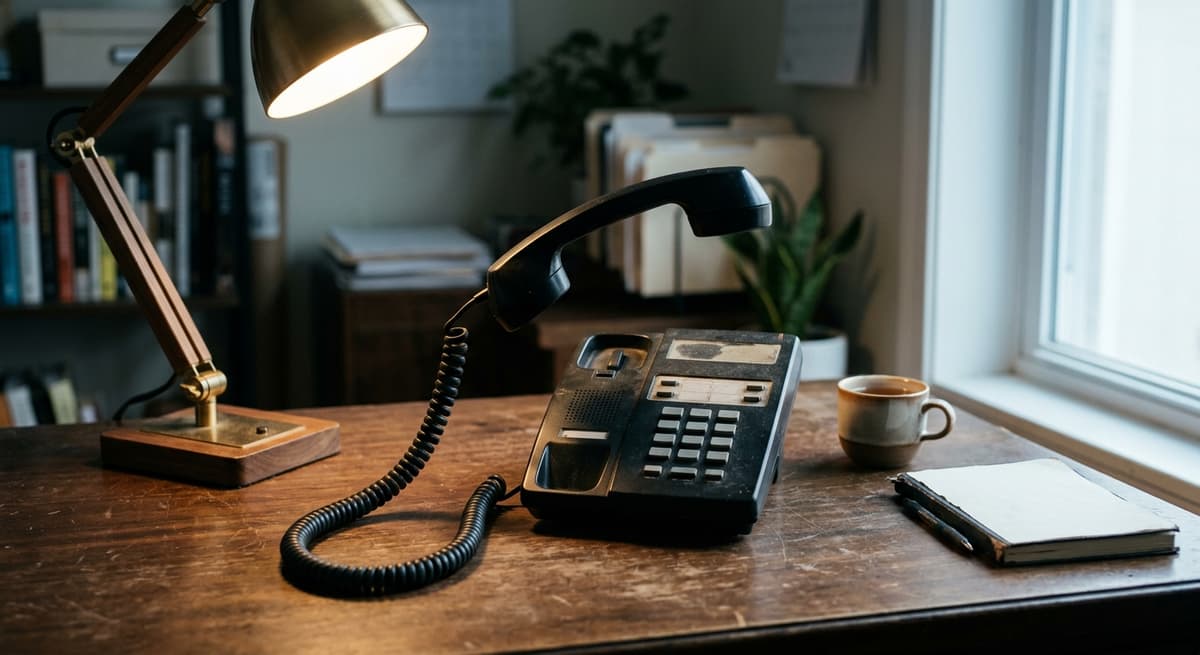
South Dakota's audio-side statute (SDCL 23A-35A-20) and its visual-privacy statute (SDCL 22-21-1) operate independently. A hidden camera that captures audio can trigger both.
SDCL 22-21-1 prohibits two things, both Class 1 misdemeanors. First, trespassing on property with intent to eavesdrop on or surveil someone in a private place. Second, installing or using any unauthorized observing, photographing, recording, amplifying, or broadcasting device in a private place without the consent of persons entitled to privacy there. Installation alone is sufficient: a camera placed in a guest bathroom violates the section even if it never records anyone.
For voyeuristic recording, SDCL 22-21-4 applies. It bars photographing or recording someone in states of undress or sexual activity without consent under circumstances where they expect privacy, as well as distributing such recordings. A standard violation is a Class 1 misdemeanor (up to 1 year, $2,000). The penalty escalates to a Class 6 felony (up to 2 years, $4,000) when the victim is 17 or younger and the perpetrator is at least 21. After July 1, 2026, SB 41 upgrades subdivision (3) (digitally fabricated intimate material) to a Class 5 felony (up to 5 years, $10,000) for AI-generated NCII of adults (see Special Topics below).
A Ring doorbell aimed at a public-facing porch or driveway is generally lawful. The homeowner is a party to any visitor-directed conversation (one-party rule), and no private place is captured. A camera that sweeps a neighbor's fenced backyard, bathroom window, or other reasonable-expectation-of-privacy area can trigger SDCL 22-21-1 liability. On drones: South Dakota has no dedicated drone-recording statute; a drone capturing someone in a private place falls under SDCL 22-21-1's device-installation prohibition, with FAA Part 107 governing the airspace side.
For more, see South Dakota Security Camera Laws and South Dakota Voyeurism Laws.
Penalties for illegal recording in South Dakota
A violation of SDCL 23A-35A-20 is a Class 5 felony. Under SDCL 22-6-1(8), this means up to 5 years imprisonment in a state correctional facility and a fine of up to $10,000. The court may impose imprisonment, the fine, or both. Many older secondary sources graded this offense at Class 6 (2 years, $4,000); that grading is wrong. The criminal statute of limitations is 7 years under SDCL 23A-42-2.
| Offense | Statute | Class | Max penalty |
|---|---|---|---|
| Interception without consent (audio/wire) | SDCL 23A-35A-20 | Class 5 felony | 5 years, $10,000 |
| Trespass-to-eavesdrop or unauthorized device | SDCL 22-21-1 | Class 1 misdemeanor | 1 year, $2,000 |
| Window-peeking | SDCL 22-21-3 | Class 1 misdemeanor | 1 year, $2,000 |
| Voyeuristic recording or distribution | SDCL 22-21-4 | Class 1 misdemeanor | 1 year, $2,000 |
| Voyeuristic recording, victim under 18, perpetrator 21+ | SDCL 22-21-4 | Class 6 felony | 2 years, $4,000 |
| AI-deepfake NCII, adult victim (effective July 1, 2026) | SDCL 22-21-4 (as amended by SB 41) | Class 5 felony | 5 years, $10,000 |
| Political deepfake within 90 days of election | SB 164 (2025) | Class 1 misdemeanor | 1 year, $2,000 |
On the civil side, South Dakota has no state statutory civil cause of action under Chapter 23A-35A. SDCL 23A-35A-25 is a pen-register "Contents of application" section, not a civil-recovery section. Victims pursue two paths: (1) common-law invasion of privacy (intrusion upon seclusion) as confirmed by the South Dakota Supreme Court in Gantvoort v. Ranschau, 2022 S.D. 22, and (2) the federal civil cause under 18 U.S.C. 2520, which provides actual damages or statutory damages of the greater of $100 per day or $10,000, punitive damages in appropriate cases, and reasonable attorney fees. The civil statute of limitations is 3 years for the common-law claim under SDCL 15-2-14 and 2 years for the federal claim under 18 U.S.C. 2520(e).
Gantvoort extended civil liability beyond the recorder to third parties who knowingly assist in further processing unlawfully obtained recordings. An attorney or paralegal who receives a clearly unlawful recording from a divorce client and downloads it to process for litigation may face aiding-and-abetting liability for invasion of privacy.
South Dakota has no statute governing the disclosure or publication of a recording once it exists. SDCL 23A-35A-20 criminalizes only the overhearing or recording itself; unlike Alabama (Ala. Code 13A-11-35) or North Dakota (N.D. Cent. Code 12.1-15-02(1)(b)), Chapter 23A-35A does not separately criminalize divulging or using an unlawfully obtained recording. An innocent recipient who played no part in an illegal interception, such as a journalist who receives a leaked recording, is also protected by the First Amendment: in Bartnicki v. Vopper, 532 U.S. 514 (2001), the U.S. Supreme Court held that publishing a lawfully obtained recording of an unlawfully intercepted communication on a matter of public concern cannot be punished under a state or federal wiretap statute, so long as the publisher did not participate in the interception.
Recording the police in South Dakota
Under South Dakota law, recording on-duty officers in public is lawful. SDCL 23A-35A-20 does not reach a recorder who is present at the scene: the recorder is a "person present" acting with at least their own one-party consent.
The federal civil-rights side is more complicated. South Dakota sits in the Eighth Circuit, which has NOT recognized a clearly established First Amendment right to record police. Chestnut v. Wallace, 947 F.3d 1085 (8th Cir. 2020), established a right to passively observe police-citizen interactions from a distance, but expressly did not reach active recording. Robbins v. City of Des Moines, 984 F.3d 673 (8th Cir. 2021), and Molina v. Book, No. 21-1830 (8th Cir. Feb. 2, 2023) (cert. denied Feb. 20, 2024), both granted qualified immunity to officers on First Amendment retaliation claims for recording, declining to extend Chestnut to a recording right.
A South Dakota plaintiff alleging retaliation for recording police faces a qualified-immunity barrier that does not exist in the 1st, 3rd, 5th, 7th, 9th, 10th, or 11th Circuits. Framing the claim under Chestnut (passive observation, not active recording) gives a better path. Practical tips: stay back, do not interfere, do not touch or block officers, and do not refuse lawful orders even while recording.
For more, see South Dakota Laws on Recording Police.
Special topics in South Dakota
Workplace recording and NLRB Stericycle
South Dakota's one-party rule means an employee who is a party to a workplace conversation may record without notifying their employer or coworkers. The federal NLRB overlay applies to covered employers. Stericycle, Inc., 372 NLRB No. 113 (Aug. 2, 2023), remains controlling Board precedent: a blanket no-recording policy that would reasonably chill Section 7 activity (documenting unsafe conditions, gathering wage-and-hour evidence, union organizing) is presumptively unlawful. NLRB GC 25-05 (Feb. 14, 2025) was a housekeeping rescission of 29 prior GC memos and did NOT reinstate Boeing or overrule Stericycle. NLRB GC 25-07 (June 25, 2025) treats surreptitious recording of collective-bargaining negotiation sessions as a per se Section 8 violation, but is narrowly scoped to formal CBA sessions only. South Dakota is a right-to-work state under SD Constitution art. VI, sec. 2.
For detail, see South Dakota Workplace Recording Laws.
Body-worn cameras and open records
South Dakota has no dedicated body-worn camera statute and no SDCL 23-3-45.1. Access to body-cam and dash-cam footage is governed only by the general law-enforcement records exemption at SDCL 1-27-1.5(5), which exempts records from active law-enforcement investigations. The 2020 BWC bill failed; no replacement has passed through the 101st Legislative Assembly. The South Dakota Highway Patrol operates both in-car video and body cameras under departmental policy, with no statewide retention floor, activation mandate, or release framework. Public FOIA-style requests for footage are routinely denied; release happens through discovery in prosecutions.
AI deepfakes and NCII
South Dakota has two active deepfake statutes. SB 164 (2025), signed March 25, 2025, bars dissemination of unlabeled AI-generated political content within 90 days of an election with intent to harm a candidate (Class 1 misdemeanor; exempts broadcasters, satire, parody). SB 41 (2026), signed March 17, 2026, amends SDCL 22-21-4 to add a Class 5 felony (up to 5 years and $10,000 under SDCL 22-6-1(8)) for the creation, possession, or sharing of computer-generated deepfake intimate images of non-consenting adults under subdivision (3), effective July 1, 2026. The federal TAKE IT DOWN Act, Pub. L. 119-12 (signed May 19, 2025), adds federal criminal exposure for NCII deepfakes immediately on enactment, with covered-platform 48-hour notice-and-removal obligations effective May 19, 2026.
Federal overlay: ECPA, FCC, and TCPA
The federal Wiretap Act at 18 U.S.C. 2511 is the floor that South Dakota's one-party rule mirrors. On the TCPA side: FCC 23-107's one-to-one consent rule was vacated by the Eleventh Circuit in Insurance Marketing Coalition Ltd. v. FCC, No. 24-10277 (Jan. 24, 2025, mandate Apr. 30, 2025). FCC 24-24 (consent-revocation framework, consumers may revoke by any reasonable means, honored within 10 business days) was NOT vacated and remains in force. FCC 24-17 (AI-generated voices fall within the TCPA's "artificial or prerecorded voice" restriction) also remains in force. The old 47 C.F.R. 64.501 "beep tone" rule was removed in 2017 by FCC 17-95 and is not live federal law.
Recent legal developments
- SB 41 (2026): Signed March 17, 2026 by Governor Rhoden; adds Class 5 felony to SDCL 22-21-4 subdivision (3) for AI-generated NCII of non-consenting adults (up to 5 years and $10,000); effective July 1, 2026.
- SB 164 (2025): Signed March 25, 2025 by Governor Rhoden; political AI deepfake disclosure requirement within 90 days of election; Class 1 misdemeanor; in force.
- TAKE IT DOWN Act (May 2025): Federal criminal coverage for NCII deepfakes live since May 19, 2025; platform takedown obligations live since May 19, 2026.
- FCC 23-107 vacated (Jan. 2025): One-to-one TCPA consent rule eliminated; FCC 24-24 consent-revocation framework remains.
- NLRB GC 25-07 (June 2025): Surreptitious bargaining-session recording treated as per se unfair labor practice; narrowly scoped.
- No BWC bill: The 2020 body-worn camera bill failed; no replacement enacted through the 101st Assembly.
South Dakota recording laws in depth
By type of recording
- South Dakota Audio Recording Laws
- South Dakota Video Recording Laws
- South Dakota Phone Call Recording Laws
- South Dakota Dashcam Laws
By place or relationship
- South Dakota Laws on Recording Police
- South Dakota Laws on Recording in Public
- South Dakota Workplace Recording Laws
- South Dakota Landlord-Tenant Recording Laws
- South Dakota Medical Recording Laws
- South Dakota School Recording Laws
- South Dakota Security Camera Laws
- South Dakota Voyeurism Laws
More South Dakota laws
- South Dakota Alimony Laws
- South Dakota At-Will Employment Laws
- South Dakota Child Custody Laws
- South Dakota Divorce Laws
- South Dakota Landlord-Tenant Laws
This article is general legal information, not legal advice. Recording laws change and apply differently to each situation. For advice about your situation, consult a licensed South Dakota attorney.
More South Dakota Laws
Frequently Asked Questions
Is South Dakota a one-party or two-party consent state?
South Dakota is a one-party consent state under SDCL 23A-35A-20. Any sender, receiver, or person present during a conversation may record it without notifying the other parties. The South Dakota Supreme Court confirmed this rule in State v. Braddock, 452 N.W.2d 785 (S.D. 1990). South Dakota does not require all-party consent.
Is illegal recording a felony in South Dakota?
Yes. Recording without consent under SDCL 23A-35A-20 is a Class 5 felony, punishable by up to 5 years imprisonment in a state correctional facility and a $10,000 fine under SDCL 22-6-1(8). Older guides that list a 2-year Class 6 penalty are incorrect. The criminal statute of limitations is 7 years under SDCL 23A-42-2.
Can I record a phone call in South Dakota without telling the other person?
Yes, if you are a party to the call. South Dakota's one-party rule under SDCL 23A-35A-20 covers phone calls. The exception is cross-border calls: if the other party is in an all-party consent state (California, Florida, Illinois, Maryland, Massachusetts, New Hampshire, Pennsylvania, Washington, Connecticut, Delaware, or Montana for electronic communications), the stricter state's rule applies and you should announce the recording.
Can I sue someone for recording me illegally in South Dakota?
South Dakota has no state statutory civil cause of action under Chapter 23A-35A. You have two civil paths: a common-law invasion-of-privacy claim as recognized in Gantvoort v. Ranschau, 2022 S.D. 22, and a federal claim under 18 U.S.C. 2520 (statutory damages of $100 per day or $10,000, plus punitive damages and attorney fees, with a 2-year limitations period). Both paths can be pursued together.
Can I publish or share a recording I legally made in South Dakota?
Yes. SDCL 23A-35A-20 criminalizes only the act of overhearing or recording without consent; it does not separately restrict disclosing or publishing a recording you lawfully made as a party or with a party's consent. Even someone who innocently receives an illegally recorded conversation, such as a journalist, is generally protected by the First Amendment from wiretap liability for publishing it if the recording concerns a matter of public concern, under Bartnicki v. Vopper, 532 U.S. 514 (2001).
Is a Ring doorbell or home security camera legal in South Dakota?
Generally yes, for cameras aimed at public-facing areas like a porch or driveway. For the audio side, the homeowner is a party to visitor-directed conversations and the one-party rule applies. For the visual side, SDCL 22-21-1 bars cameras pointed into private places: a camera that captures a neighbor's bathroom window or fenced backyard can trigger Class 1 misdemeanor liability. Cameras in your own bathroom or bedroom require the consent of anyone using those spaces.
Can I record police in South Dakota?
Under state law, yes: SDCL 23A-35A-20 does not reach a recorder who is present at the scene. The federal civil-rights side is harder. The Eighth Circuit has not established a clearly recognized First Amendment right to record police. Chestnut v. Wallace (8th Cir. 2020) covers passive observation only; Robbins (2021) and Molina (2023, cert. denied 2024) both declined to extend that right to active recording. A South Dakota plaintiff alleging retaliation for recording police faces a substantial qualified-immunity barrier.
Can my employer ban me from recording in the workplace?
An employer can have a no-recording policy and enforce it through discipline or termination under South Dakota at-will employment rules. But under NLRB Stericycle (2023), a blanket no-recording policy that chills Section 7 activity (documenting safety violations, organizing, gathering wage evidence) is presumptively unlawful for covered employers. NLRB GC 25-05 (Feb. 2025) did not reinstate the old Boeing standard. Narrowly drawn policies tied to legitimate interests such as HIPAA or trade secrets are more defensible.
Does South Dakota have a deepfake law?
Yes, two. SB 164 (2025), signed March 25, 2025, bars unlabeled AI political deepfakes within 90 days of a South Dakota election (Class 1 misdemeanor; media and parody are exempt). SB 41 (2026), signed March 17, 2026, adds a Class 5 felony to SDCL 22-21-4 subdivision (3) for AI-generated NCII of non-consenting adults (up to 5 years and $10,000), effective July 1, 2026. The federal TAKE IT DOWN Act also provides criminal coverage for NCII deepfakes and platform takedown obligations.
Updates
Restructured page for readability: added AEO lede, at-a-glance table, organized body into canonical sections (in-person, phone, hidden cameras, penalties, police, special topics), condensed SDCL statute deep-dives and federal overlay into tight special-topics subsections, added in-depth sub-page index. All statutes and cases preserved. No substantive fact changes: Class 5 felony grading for SDCL 23A-35A-20 confirmed, SB 41 (2026) deepfake felony confirmed (effective July 1, 2026), SB 164 (2025) political deepfake confirmed, Gantvoort civil pathway confirmed, Eighth Circuit police-recording qualified-immunity gap (Chestnut/Robbins/Molina) confirmed, FCC 23-107 vacatur confirmed, FCC 24-24 survival confirmed, Stericycle still controlling confirmed, no BWC statute confirmed.
Refreshed for 2026. Corrected the SDCL 23A-35A-20 grading to a Class 5 felony (5 years imprisonment and a fine of up to $10,000 under SDCL 22-6-1(7)); the prior Class 6 framing was wrong. Anchored the consent framework on the foundational decision in State v. Braddock, 452 N.W.2d 785 (S.D. 1990), which holds that one-party consent removes a communication from the interception prohibition. Surfaced the load-bearing differentiator that South Dakota has NO state-law statutory civil cause of action under SDCL Chapter 23A-35A; SDCL 23A-35A-25 is the pen-register and trap-and-trace 'Contents of application' section, not a civil-recovery section. The civil pathway is common-law invasion of privacy via Gantvoort v. Ranschau, 2022 S.D. 22, plus federal 18 U.S.C. 2520. Removed any active citation to SDCL 22-21-2, which was repealed by SL 1976, ch 158, section 21-3 and is not active law. Removed any reference to SDCL 23-3-45.1 (does not exist on sdlegislature.gov) and any inherited 'South Dakota body-worn camera statute' framing; access to body-cam and dash-cam footage is governed only by the general law-enforcement records exemption at SDCL 1-27-1.5(5). Dropped the unverified State v. Krebs, State v. Sanchez, and State v. McKnight references that prior copies of this article carried. Added Senate Bill 164 (2025), signed by Governor Larry Rhoden on March 25, 2025, prohibiting unlabeled political AI deepfakes within 90 days of a South Dakota election with intent to harm a candidate (Class 1 misdemeanor). Added Senate Bill 41 (2026), signed by Governor Larry Rhoden on March 17, 2026 and effective July 1, 2026, amending SDCL 22-21-4 to add a Class 6 felony tier for AI-generated NCII deepfakes of non-consenting adults. Reframed the Eighth Circuit record-the-police trio: Chestnut v. Wallace, 947 F.3d 1085 (8th Cir. 2020), clearly established the right of passive observation only; Robbins v. City of Des Moines, 984 F.3d 673 (8th Cir. 2021), and Molina v. Book, No. 21-1830 (8th Cir. 2023, cert. denied Feb. 20, 2024), both expressly declined to extend Chestnut to a clearly-established right to record police. South Dakota plaintiffs alleging First Amendment retaliation for recording police face a qualified-immunity barrier that does not exist in the 1st, 3rd, 5th, 7th, 9th, 10th, or 11th Circuits. Corrected the federal TCPA overlay: FCC 23-107 (one-to-one consent rule) was VACATED by the 11th Circuit in Insurance Marketing Coalition Ltd. v. FCC, No. 24-10277 (Jan. 24, 2025, mandate Apr. 30, 2025); FCC 24-24 (consent-revocation rules) was NOT vacated and REMAINS IN FORCE, with one subsection partially delayed to April 11, 2026. Reframed NLRB GC 25-05 (Feb. 14, 2025) as a housekeeping rescission of 29 prior General Counsel memoranda, NOT a Boeing reinstatement; Stericycle, 372 NLRB No. 113 (Aug. 2, 2023), remains binding Board precedent. Added NLRB GC 25-07 (June 26, 2025) narrowly scoped to surreptitious recording of collective-bargaining sessions as a per se Section 8(a)(5) or 8(b)(3) violation; it does not reach general workplace audio. Updated federal overlay to include 47 C.F.R. 64.501 (REMOVED effective Nov. 20, 2017 by FCC 17-95) and the TAKE IT DOWN Act, Pub. L. 119-12 (signed May 19, 2025; covered-platform 48-hour notice-and-removal duty effective May 19, 2026). Replaced commercial-codifier URLs with sdlegislature.gov, ujs.sd.gov, ecf.ca8.uscourts.gov, media.ca11.uscourts.gov, uscode.house.gov, fcc.gov, docs.fcc.gov, congress.gov, nlrb.gov, federalregister.gov, atg.sd.gov, puc.sd.gov, dps.sd.gov, and justice.gov primaries.
Refreshed for 2026. Corrected the SDCL 23A-35A-20 grading to a Class 5 felony (5 years imprisonment and a fine of up to $10,000 under SDCL 22-6-1(8)); the prior Class 6 framing was wrong. Anchored the consent framework on the foundational decision in State v. Braddock, 452 N.W.2d 785 (S.D. 1990), which holds that one-party consent removes a communication from the interception prohibition. Surfaced the load-bearing differentiator that South Dakota has NO state-law statutory civil cause of action under SDCL Chapter 23A-35A; SDCL 23A-35A-25 is the pen-register and trap-and-trace 'Contents of application' section, not a civil-recovery section. The civil pathway is common-law invasion of privacy via Gantvoort v. Ranschau, 2022 S.D. 22, plus federal 18 U.S.C. 2520. Removed any active citation to SDCL 22-21-2, which was repealed by SL 1976, ch 158, section 21-3 and is not active law. Removed any reference to SDCL 23-3-45.1 (does not exist on sdlegislature.gov) and any inherited 'South Dakota body-worn camera statute' framing; access to body-cam and dash-cam footage is governed only by the general law-enforcement records exemption at SDCL 1-27-1.5(5). Dropped the unverified State v. Krebs, State v. Sanchez, and State v. McKnight references that prior copies of this article carried. Added Senate Bill 164 (2025), signed by Governor Larry Rhoden on March 25, 2025, prohibiting unlabeled political AI deepfakes within 90 days of a South Dakota election with intent to harm a candidate (Class 1 misdemeanor). Added Senate Bill 41 (2026), signed by Governor Larry Rhoden on March 17, 2026 and effective July 1, 2026, amending SDCL 22-21-4 to add a Class 6 felony tier for AI-generated NCII deepfakes of non-consenting adults. Reframed the Eighth Circuit record-the-police trio: Chestnut v. Wallace, 947 F.3d 1085 (8th Cir. 2020), clearly established the right of passive observation only; Robbins v. City of Des Moines, 984 F.3d 673 (8th Cir. 2021), and Molina v. Book, No. 21-1830 (8th Cir. 2023, cert. denied Feb. 20, 2024), both expressly declined to extend Chestnut to a clearly-established right to record police. South Dakota plaintiffs alleging First Amendment retaliation for recording police face a qualified-immunity barrier that does not exist in the 1st, 3rd, 5th, 7th, 9th, 10th, or 11th Circuits. Corrected the federal TCPA overlay: FCC 23-107 (one-to-one consent rule) was VACATED by the 11th Circuit in Insurance Marketing Coalition Ltd. v. FCC, No. 24-10277 (Jan. 24, 2025, mandate Apr. 30, 2025); FCC 24-24 (consent-revocation rules) was NOT vacated and REMAINS IN FORCE, with one subsection partially delayed to April 11, 2026. Reframed NLRB GC 25-05 (Feb. 14, 2025) as a housekeeping rescission of 29 prior General Counsel memoranda, NOT a Boeing reinstatement; Stericycle, 372 NLRB No. 113 (Aug. 2, 2023), remains binding Board precedent. Added NLRB GC 25-07 (June 25, 2025) narrowly scoped to surreptitious recording of collective-bargaining sessions as a per se Section 8(a)(5) or 8(b)(3) violation; it does not reach general workplace audio. Updated federal overlay to include 47 C.F.R. 64.501 (REMOVED effective Nov. 20, 2017 by FCC 17-95) and the TAKE IT DOWN Act, Pub. L. 119-12 (signed May 19, 2025; covered-platform 48-hour notice-and-removal duty effective May 19, 2026). Replaced commercial-codifier URLs with sdlegislature.gov, ujs.sd.gov, ecf.ca8.uscourts.gov, media.ca11.uscourts.gov, uscode.house.gov, fcc.gov, docs.fcc.gov, congress.gov, nlrb.gov, federalregister.gov, atg.sd.gov, puc.sd.gov, dps.sd.gov, and justice.gov primaries.
Added wearable recording devices section and 2 new FAQs about AI voice recorders and smart glasses
Sources and References
- SDCL 23A-35A-20 (Overhearing or recording communications by eavesdropping device as Class 5 felony; senders, receivers, persons present, and actors with one-party consent are outside the prohibition)(sdlegislature.gov).gov
- SDCL 23A-35A-1 (Definition of eavesdropping device; excludes common-carrier equipment, law-enforcement equipment in ordinary course, and hearing aids)(sdlegislature.gov).gov
- SDCL 23A-35A-21 (Six categorical exemptions from Chapter 23A-35A; private one-party consent is built into 23A-35A-20 itself)(sdlegislature.gov).gov
- SDCL Chapter 23A-35A (Interception of Wire, Electronic, or Oral Communications; 34 sections; no statutory civil cause of action; 23A-35A-25 is 'Contents of application' for pen registers)(sdlegislature.gov).gov
- SDCL 22-6-1 (Felony penalty schedule; (8) Class 5 felony: 5 years and $10,000; (9) Class 6 felony: 2 years and $4,000)(sdlegislature.gov).gov
- SDCL 22-6-2(1) (Class 1 misdemeanor: up to 1 year in county jail and $2,000 fine)(sdlegislature.gov).gov
- SDCL 22-21-1 (Trespass-to-eavesdrop and installation of unauthorized recording devices in private places; Class 1 misdemeanor; law-enforcement exemption)(sdlegislature.gov).gov
- SDCL 22-21-3 (Window-peeking on private property; Class 1 misdemeanor)(sdlegislature.gov).gov
- SDCL 22-21-4 (Voyeuristic recording and manipulated-image statute; Class 1 misdemeanor for subdivisions (1)-(2); Class 6 felony for victim 17 or younger and perpetrator 21+; amended by SB 41 (2026) to add Class 5 felony for subdivision (3) AI-generated NCII of adults, effective July 1, 2026)(sdlegislature.gov).gov
- SDCL 23A-42-2 (7-year catch-all criminal statute of limitations; applies to Class 5 felony interception under SDCL 23A-35A-20)(sdlegislature.gov).gov
- SDCL 15-2-14 (3-year personal-injury civil limitations period; applies to common-law invasion-of-privacy claims based on unlawful recording)(sdlegislature.gov).gov
- SDCL 1-27-1.5(5) (General law-enforcement records exemption; governs access to body-cam and dash-cam footage absent a dedicated BWC statute)(sdlegislature.gov).gov
- SDCL Chapter 1-25 (South Dakota Open Meetings Law; public meetings may generally be recorded by attendees)(sdlegislature.gov).gov
- SDCL Chapter 37-30A (South Dakota Do Not Call List; administered by the Public Utilities Commission)(sdlegislature.gov).gov
- South Dakota Constitution art. VI, sec. 2 (right-to-work provision; relevant to NLRA workplace-recording overlay)(sdlegislature.gov).gov
- Senate Bill 164 (2025, 100th Legislative Assembly; signed March 25, 2025 by Governor Larry Rhoden; political AI deepfake disclosure within 90 days of election; Class 1 misdemeanor; broadcaster, satire, parody exempt)(sdlegislature.gov).gov
- Gantvoort v. Ranschau, 2022 S.D. 22 (Apr. 6, 2022) (Common-law invasion of privacy available for unlawful recording; aiding-and-abetting liability extends to attorneys and third parties who knowingly process unlawful recordings)(ujs.sd.gov).gov
- State v. Braddock, 452 N.W.2d 785 (S.D. 1990) (Foundational decision: one-party consent removes a communication from the SDCL Chapter 23A-35A interception prohibition)(ujs.sd.gov).gov
- 18 U.S.C. 2511 (Federal Wiretap Act criminal prohibition; section 2511(2)(d) civilian one-party consent floor; congruent with SDCL 23A-35A-20)(uscode.house.gov).gov
- 18 U.S.C. 2520 (Federal civil cause of action; actual damages or $100/day or $10,000 statutory damages; punitive damages; attorney fees; 2-year limitations period; primary civil hook for SD plaintiffs absent a state civil cause)(uscode.house.gov).gov
- Chestnut v. Wallace, 947 F.3d 1085 (8th Cir. Jan. 21, 2020) (Clearly established First Amendment right to passive observation of police-citizen interactions; did NOT clearly establish a right to record)(ecf.ca8.uscourts.gov).gov
- Robbins v. City of Des Moines, 984 F.3d 673 (8th Cir. Jan. 5, 2021) (Qualified immunity on First Amendment retaliation claim for recording; right to record assumed but not clearly established in the Eighth Circuit)(ecf.ca8.uscourts.gov).gov
- Molina v. Book, No. 21-1830 (8th Cir. Feb. 2, 2023, cert. denied Feb. 20, 2024) (Qualified immunity; not clearly established that people have a constitutional right to unobtrusively observe and record police in public)(ecf.ca8.uscourts.gov).gov
- Insurance Marketing Coalition Ltd. v. FCC, No. 24-10277 (11th Cir. Jan. 24, 2025, mandate Apr. 30, 2025) (Vacated FCC 23-107 one-to-one TCPA consent rule; FCC 24-24 consent-revocation framework not affected)(media.ca11.uscourts.gov).gov
- FCC 24-17 (Feb. 2, 2024; AI-generated voice calls fall within TCPA 'artificial or prerecorded voice' restriction; prior express consent required)(docs.fcc.gov).gov
- FCC 24-24 (Feb. 16, 2024; consumer revocation of TCPA consent by any reasonable means within 10 business days; NOT vacated by IMC v. FCC; remains in force)(docs.fcc.gov).gov
- 47 C.F.R. 64.501 (REMOVED effective Nov. 20, 2017 by FCC 17-95; former 'beep tone' obligation is obsolete)(federalregister.gov).gov
- Stericycle, Inc., 372 NLRB No. 113 (Aug. 2, 2023) (Controlling Board precedent; blanket no-recording rules presumptively unlawful if they chill Section 7 activity from the perspective of a reasonable economically-dependent employee)(nlrb.gov).gov
- NLRB GC 25-05 (Feb. 14, 2025; housekeeping rescission of 29 prior GC memos; did NOT reinstate Boeing or overrule Stericycle)(nlrb.gov).gov
- NLRB GC 25-07 (June 25, 2025; surreptitious recording of collective-bargaining sessions as per se Section 8 violation; narrowly scoped to formal CBA sessions only)(nlrb.gov).gov
- TAKE IT DOWN Act, Pub. L. 119-12 (signed May 19, 2025; federal criminal NCII coverage immediate; covered-platform 48-hour notice-and-removal effective May 19, 2026)(congress.gov).gov
- DOJ Justice Manual section 9-7.302 (Federal consensual monitoring approval requirements for sensitive-category subjects)(justice.gov).gov
- MCA 45-8-213 (Montana bifurcated rule: one-party in-person, all-party notification for electronic communications; controls cross-border calls from South Dakota into Montana)(leg.mt.gov).gov
- South Dakota Department of Public Safety, Highway Patrol (Operates in-car video and body cameras under departmental policy; no statewide BWC statute, retention floor, or release framework)(dps.sd.gov).gov
- South Dakota Public Utilities Commission (Administers the SD Do Not Call List; no rules specifically governing call recording)(puc.sd.gov).gov
- South Dakota Attorney General Marty Jackley (No published AG opinion directly interpreting SDCL 23A-35A-20)(atg.sd.gov).gov