Arkansas Ring Doorbell Laws: What You Need to Know in 2026
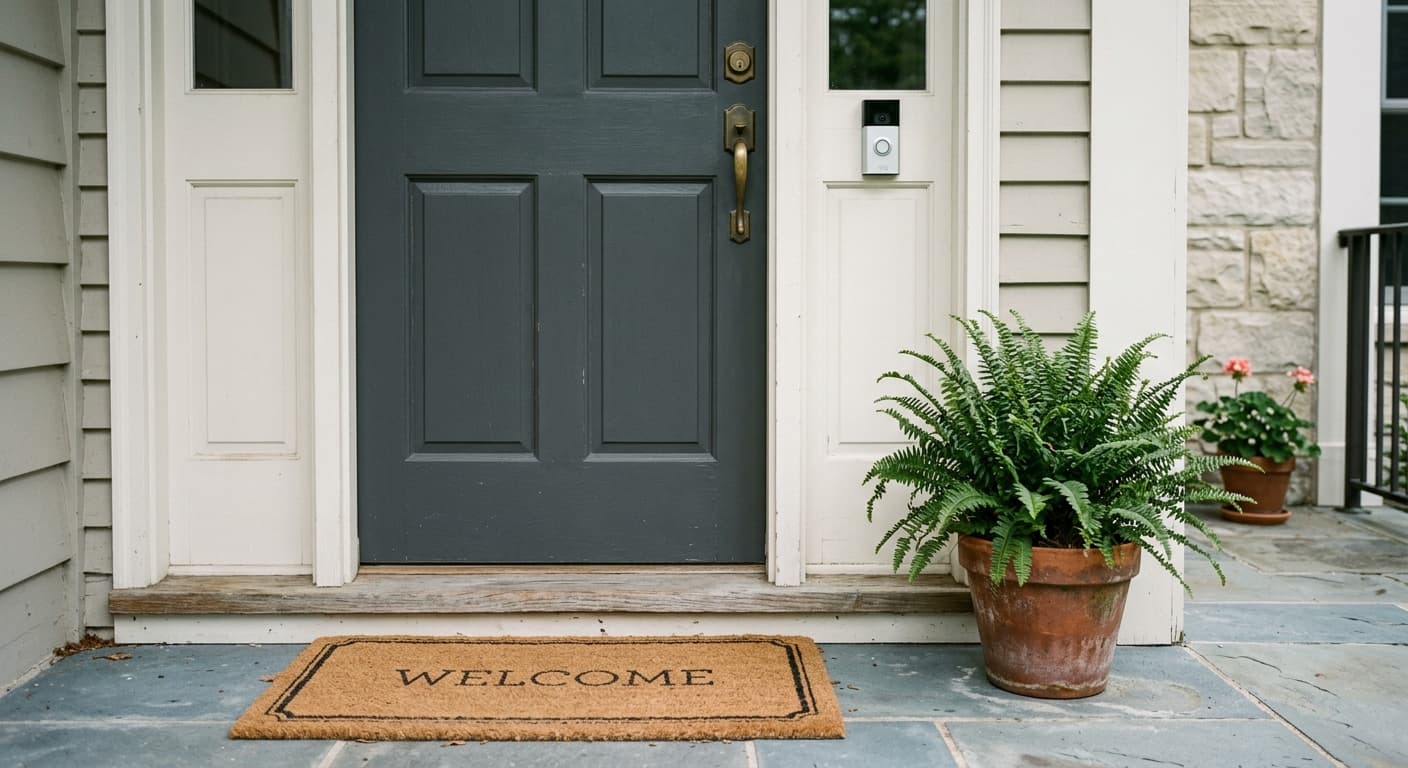
Arkansas follows a one-party consent rule for audio recordings, making it one of the more permissive states for Ring doorbell camera owners. Under Ark. Code 5-60-120, only one party to a conversation needs to consent to a recording. But the audio captured by a Ring doorbell raises specific legal questions that every Arkansas homeowner and renter should understand before pressing "record."
Audio Recording Laws and Ring Doorbells in Arkansas
The central legal issue with any Ring doorbell is its audio recording capability. Ring devices capture both video and audio by default, and the audio component carries the greatest legal risk in every state.
Arkansas law addresses audio recording through Ark. Code 5-60-120, the state's wiretapping and eavesdropping statute. This law makes it unlawful to intercept or record any wire, landline, oral, telephonic, or wireless communication unless at least one party to the conversation has given prior consent.
Because Arkansas is a one-party consent state, a Ring doorbell owner who is present during a conversation captured by the device satisfies the consent requirement. The homeowner is a party to the conversation, and that single party's consent is enough under state law.

When Audio Recording Gets Complicated
The legal picture becomes less clear when a Ring doorbell records conversations between visitors or passersby when the homeowner is not present. In those situations, the homeowner is not a party to the conversation. If none of the people being recorded have consented, the recording could technically violate Ark. Code 5-60-120.
Ring doorbells equipped with motion-activated recording can capture audio of delivery drivers, mail carriers, neighbors, and anyone else who approaches the front door. Arkansas courts have not directly addressed whether passive, automated audio capture by a doorbell camera constitutes "interception" under the statute. However, the safest legal approach is to provide visible notice that audio recording is in progress.
It is also worth noting that Ark. Code 5-60-120(e) invalidates consent when a recording is made "for the purpose of committing any criminal or tortious act." Recording a neighbor's private conversations with intent to harass or blackmail, for example, would not be protected even with one-party consent.
Video Recording Laws for Ring Doorbells
Video surveillance carries fewer legal restrictions than audio in Arkansas. As a general rule, recording video of areas visible from public view is legal. A Ring doorbell mounted on a front door that captures the porch, walkway, driveway, and public sidewalk operates within legal boundaries.
Arkansas does impose limits through its video voyeurism statute, Ark. Code 5-16-101. This law prohibits using any camera or image recording device to secretly observe, view, photograph, film, or videotape a person in a residence, place of business, school, or other structure where the person is in a private area, out of public view, and has a reasonable expectation of privacy.
For Ring doorbell owners, this means the camera cannot be aimed into a neighbor's windows, backyard, or other areas where privacy is reasonably expected. A doorbell camera that captures your own front porch and the public street is fine. One positioned to peer into a neighbor's bedroom window could trigger a Class D felony charge under Ark. Code 5-16-101.

Reasonable Expectation of Privacy
Arkansas courts apply the "reasonable expectation of privacy" standard when evaluating surveillance disputes. Front porches, driveways, and public sidewalks generally do not carry a reasonable expectation of privacy. Backyards with fences, interior rooms, and bathrooms do.
Ring doorbell cameras typically have a wide-angle lens (up to 180 degrees on some models). Arkansas homeowners should review their camera's field of view to confirm it does not capture private areas belonging to neighbors.
HOA Rules and Ring Doorbells in Arkansas
Homeowners' associations in Arkansas have broad authority to regulate the exterior appearance of homes within their communities, including the installation of security cameras and video doorbells.
An HOA's covenants, conditions, and restrictions (CC&Rs) may prohibit exterior modifications, restrict the placement of visible electronics on front doors, or require architectural review board approval before installing a Ring doorbell. As of 2026, Arkansas does not have a state law that specifically protects homeowners' rights to install security cameras over HOA objections.
Before purchasing a Ring doorbell, homeowners in an HOA community should review their CC&Rs and any architectural guidelines. Some HOAs have adopted specific policies addressing video doorbells, either permitting them with conditions (such as disabling audio recording in common areas) or prohibiting them entirely.
If an HOA denies a Ring doorbell installation request, the homeowner's options are typically limited to appealing through the HOA's internal process or working to change the CC&Rs through a community vote.
Landlord and Tenant Rights
Arkansas tenants who want to install a Ring doorbell face additional considerations. Because Ring doorbells typically require drilling into a door frame or exterior wall, most lease agreements require landlord approval before making exterior modifications.
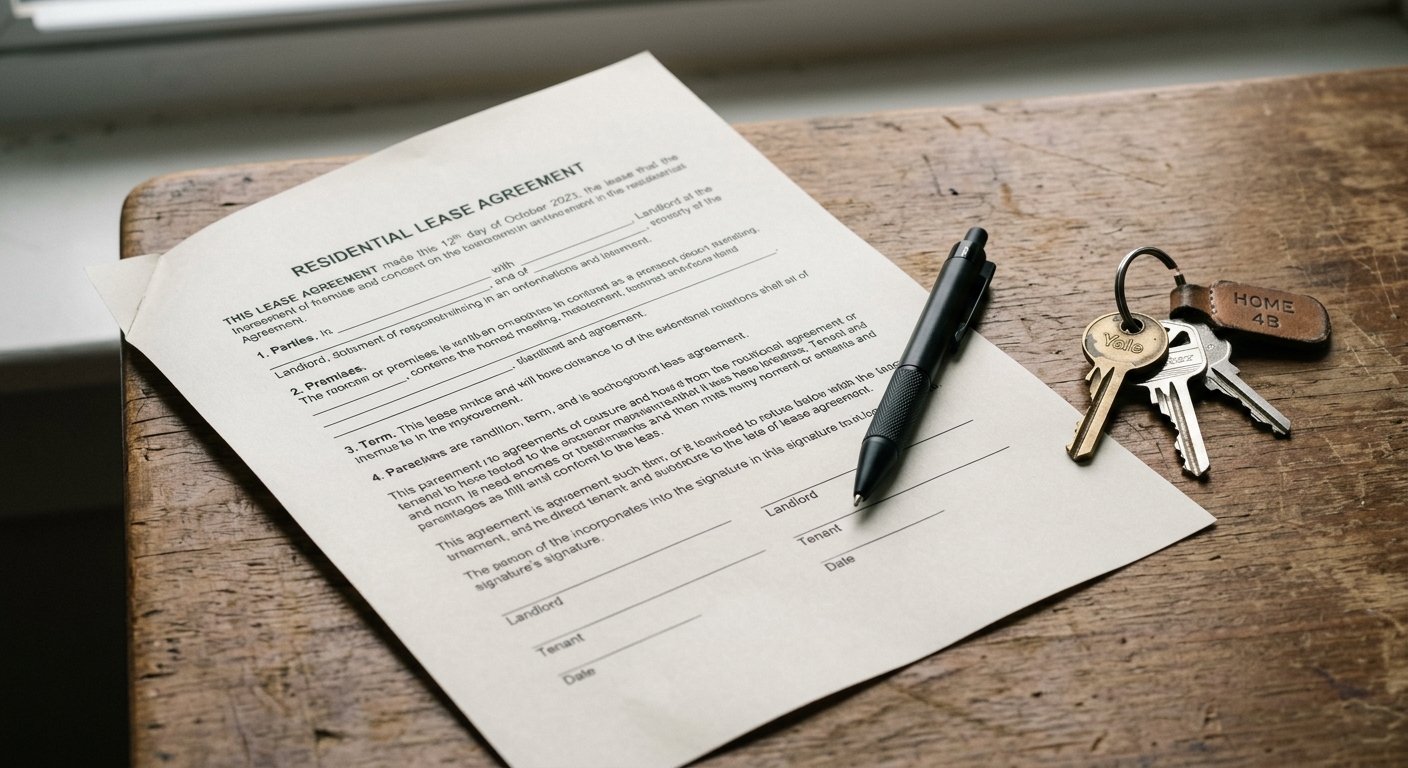
Arkansas landlord-tenant law does not specifically address doorbell cameras. However, tenants generally have the right to install security devices inside their rental unit. Exterior installations, including doorbell cameras, usually require written landlord permission.
Tenants should check their lease for clauses covering exterior modifications, security devices, and property alterations. Many Arkansas landlords now include specific provisions about doorbell cameras in their lease agreements, given the popularity of these devices.
For landlords, installing surveillance cameras on rental properties is legal in common areas as long as tenants are informed. Cameras cannot be placed in areas where tenants have a reasonable expectation of privacy, such as inside the rental unit, without explicit consent.
Practical Tips for Renters
Tenants considering a Ring doorbell in Arkansas should request written permission from their landlord before installation. Battery-powered Ring models that do not require hardwiring may be easier to get approved since they avoid permanent modifications to the property. Tenants should also confirm that the camera's field of view does not capture neighboring units' private spaces, particularly in apartment or duplex settings.
Law Enforcement Access to Ring Footage
Arkansas law enforcement officers generally need a search warrant supported by probable cause to compel access to a homeowner's Ring doorbell footage. The Fourth Amendment to the U.S. Constitution and Article 2, Section 15 of the Arkansas Constitution protect against unreasonable searches and seizures, including digital evidence.
Police can ask a Ring owner to voluntarily share footage at any time. Homeowners are free to comply or decline. Voluntary sharing does not require a warrant.

Ring's Evolving Relationship with Police
Ring's policies on law enforcement access have shifted significantly in recent years. In January 2024, Ring announced it would no longer allow police to request footage directly from users through the Neighbors app without a warrant.
However, in 2025, Ring partnered with Axon (the company behind Taser and police body cameras) to create a new system for law enforcement evidence requests. Under this partnership, police can send footage requests through Axon's platform, and Ring users can opt in to share short recordings. Ring also maintains an emergency disclosure exception, allowing the company to release footage without user consent when it believes someone faces "danger of death or serious physical injury."
As of April 2026, Arkansas has not enacted any state-specific legislation governing law enforcement access to doorbell camera footage.
Penalties for Illegal Recording in Arkansas
Violations of Arkansas recording and surveillance laws carry significant consequences.
Audio recording violations (Ark. Code 5-60-120): Illegal interception or recording of communications is a Class A misdemeanor, punishable by up to one year in county jail and a fine of up to $2,500.
Video voyeurism (Ark. Code 5-16-101): Using a camera to secretly observe someone in a private place is a Class D felony, carrying up to six years in prison. Repeat offenders or those in positions of trust over minors face enhanced charges up to a Class C felony.
Voyeurism (Ark. Code 5-16-102): The general voyeurism statute carries a Class A misdemeanor penalty, with enhancements to Class D felony for offenders in positions of trust over minors.
Federal penalties: The FTC's 2023 enforcement action against Ring resulted in a $5.8 million settlement after the agency found that Ring employees had illegally surveilled customers and the company failed to prevent hackers from accessing approximately 55,000 customer accounts.
Civil liability: Beyond criminal penalties, a person whose privacy has been violated through illegal recording may pursue civil damages in Arkansas courts.
How to Use a Ring Doorbell Legally in Arkansas
Following these practices can help Arkansas residents stay within the law when using a Ring doorbell.
Post visible signage. Place a small sign or sticker near the doorbell indicating that audio and video recording is in progress. This provides constructive notice to visitors and strengthens a consent argument under Ark. Code 5-60-120.
Review the camera's field of view. Confirm that the Ring doorbell captures only your property and public areas. Adjust the camera angle or use Ring's privacy zones feature to exclude neighboring windows, fenced backyards, and other private areas.
Consider disabling audio when away. If the Ring doorbell records conversations when no household member is present, the one-party consent protection may not apply. Disabling audio recording through the Ring app eliminates this risk entirely.
Check HOA and lease terms. Review governing documents before purchasing and installing a Ring doorbell. Obtaining written approval avoids disputes later.
Enable end-to-end encryption. Ring offers optional end-to-end encryption for video recordings. Enabling this feature limits who can access stored footage, including Ring employees.
Keep firmware updated. Regular updates patch security vulnerabilities. The FTC's 2023 findings against Ring highlighted the importance of strong account security, including two-factor authentication.
More Arkansas Laws
Arkansas has specific laws covering many areas of daily life. Here are other Arkansas legal guides available on RecordingLaw.com:
- Arkansas Recording Laws covers the full scope of one-party consent rules.
- Arkansas Security Camera Laws addresses broader surveillance regulations.
- Arkansas Video Recording Laws details video-specific rules.
- Arkansas Audio Recording Laws explains audio consent requirements.
- Arkansas Hit and Run Laws covers accident reporting obligations.
- Arkansas Lemon Law explains vehicle warranty protections.
- Arkansas Data Privacy Laws covers data breach notification requirements.
- Arkansas Landlord-Tenant Recording Laws addresses surveillance in rental properties.
This article provides general legal information about Ring doorbell laws in Arkansas, not legal advice. Laws and their interpretations can change. Consult an attorney for advice specific to your situation.
Sources and References
- Ark. Code 5-60-120 - Interception and Recording(arkleg.state.ar.us).gov
- Ark. Code 5-16-101 - Crime of Video Voyeurism(arkleg.state.ar.us).gov
- Ark. Code 5-16-102 - Voyeurism(arkleg.state.ar.us).gov
- Ark. Code 5-4-401 - Sentencing (Misdemeanor Penalties)(arkleg.state.ar.us).gov
- FTC v. Ring LLC - Settlement and Enforcement Action(ftc.gov).gov
- FTC Ring Customer Refunds (2024)(ftc.gov).gov
- Ring Law Enforcement Information Requests Policy(ring.com)
- Arkansas Constitution, Article 2, Section 15 - Unreasonable Searches(arkleg.state.ar.us).gov
- Consumer Reports - Federal Law Enforcement Access to Ring Videos(consumerreports.org)