Alabama Ring Doorbell Laws: What You Need to Know in 2026
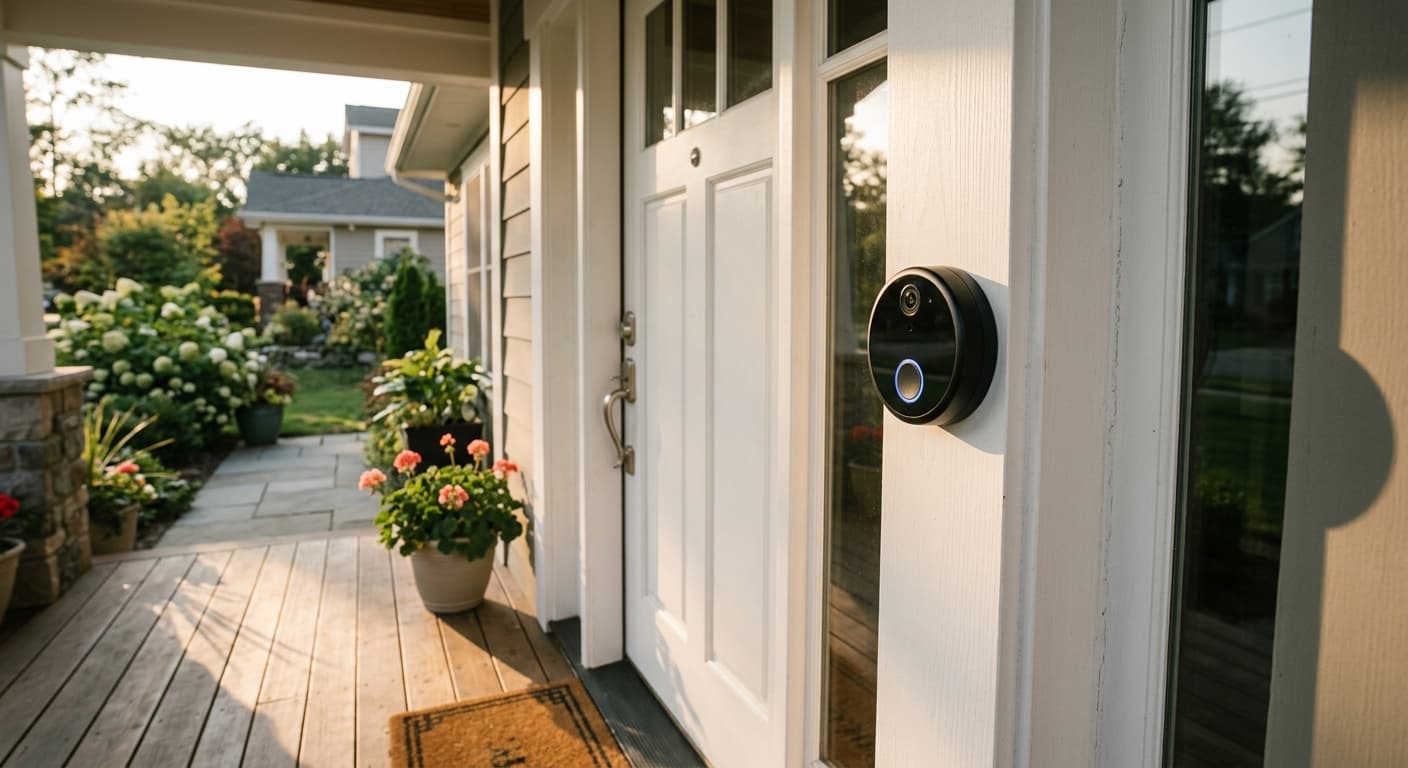
Ring doorbells and video doorbell cameras have become a fixture on Alabama porches and front doors. But the legal landscape around these devices is more complicated than most homeowners realize. The core issue in Alabama comes down to audio recording. While video surveillance from your own property is broadly permitted, Alabama's eavesdropping statute (Ala. Code § 13A-11-31) governs how and when the audio features on Ring devices can legally capture conversations. Understanding these rules can help Alabama residents avoid criminal liability while protecting their homes.
Alabama Audio Recording Laws and Ring Doorbells
The biggest legal concern with Ring doorbells in Alabama centers on audio recording. Every Ring doorbell model includes a built-in microphone that captures audio alongside video. This audio recording capability triggers Alabama's criminal eavesdropping law.
One-Party Consent Rule
Alabama follows a one-party consent framework under Ala. Code § 13A-11-31. This means at least one person involved in a conversation must consent to the recording for it to be legal. The statute defines "eavesdrop" as overhearing, recording, amplifying, or transmitting any part of the private communication of others without the consent of at least one of the persons engaged in the communication (Ala. Code § 13A-11-30).
For Ring doorbell owners, this works in a straightforward way. When someone rings the doorbell and the homeowner answers through the Ring app, the homeowner is a participant in that conversation. The homeowner's consent satisfies the one-party requirement. The audio recording of that two-way conversation is legal under Alabama law.
When Audio Recording Becomes Illegal
Problems arise when the Ring doorbell records conversations the homeowner is not part of. If two delivery drivers have a private conversation on the porch, and the Ring doorbell captures that audio, the homeowner has recorded a private conversation without the consent of any participant. Under a strict reading of the statute, this could constitute criminal eavesdropping.
Alabama law does provide an important exception for conversations in public places. Under Ala. Code § 13A-11-30, a "private place" does not include locations where the public or a substantial group of the public has access. A front porch visible from the street may not qualify as a "private place," which could reduce the legal risk. However, no Alabama court has directly ruled on whether a residential front porch constitutes a private place for eavesdropping purposes, as of April 2026.
Practical Steps for Audio Compliance
Ring devices offer the option to disable audio recording entirely. Alabama homeowners who want to avoid any legal gray area can turn off the microphone in the Ring app settings. This eliminates the eavesdropping concern while preserving the video surveillance functionality.
Video Recording Laws in Alabama
Alabama's approach to video surveillance is more permissive than its audio recording rules. Under Ala. Code § 13A-11-32, criminal surveillance occurs when a person "intentionally engages in surveillance while trespassing in a private place." Two elements must both be present: the surveillance must be intentional, and the person must be trespassing.
A homeowner recording video from their own property satisfies neither element of the offense. The homeowner is not trespassing on their own land, and placing a Ring doorbell on property you own or lawfully occupy is not criminal surveillance.
Limits on Video Recording
Alabama law does restrict where video cameras can point. Recording areas where individuals have a reasonable expectation of privacy, such as a neighbor's bathroom window or bedroom, could violate Alabama's aggravated criminal surveillance statute (Ala. Code § 13A-11-32.1). This offense is a Class C felony and applies when surveillance targets someone in a place where they reasonably expect privacy, without consent, for the purpose of sexual gratification.
Ring doorbell cameras pointed at a front door, walkway, driveway, or street generally capture areas where no reasonable expectation of privacy exists. Positioning the camera to avoid recording into neighbors' windows or private spaces is both a legal safeguard and a best practice.
HOA Rules and Ring Doorbells in Alabama
Homeowners associations in Alabama can impose rules that affect Ring doorbell installation. Alabama does not heavily regulate HOAs at the state level, although HOAs formed after January 1, 2016 must file certain disclosure documents with the local Probate Judge's Office under Alabama law.
What HOAs Can Restrict
An HOA's covenants, conditions, and restrictions (CC&Rs) may include provisions about exterior modifications, aesthetics, or electronic devices. If installing a Ring doorbell qualifies as an architectural modification under the CC&Rs, the homeowner may need to seek approval from the HOA board before installation.
HOAs do have the authority to compel a homeowner to remove a security camera that does not comply with the association's rules. Violations of CC&R provisions can result in fines or legal action from the HOA.
How to Navigate HOA Requirements
Before purchasing a Ring doorbell, homeowners in an Alabama HOA community should review their CC&Rs for any clauses about security cameras, exterior modifications, or electronic devices. Requesting written approval from the board before installation provides documentation that protects the homeowner if disputes arise later.
Some Alabama HOAs have adopted specific security camera policies that allow doorbell cameras but restrict placement, size, or the number of devices. Checking with the HOA management office is the safest approach.
Landlord and Tenant Rights
Renters in Alabama face additional considerations when installing Ring doorbells. The Alabama Uniform Residential Landlord and Tenant Act (Ala. Code § 35-9A) governs the relationship between landlords and tenants, including property modifications.
Tenant Installation Rights
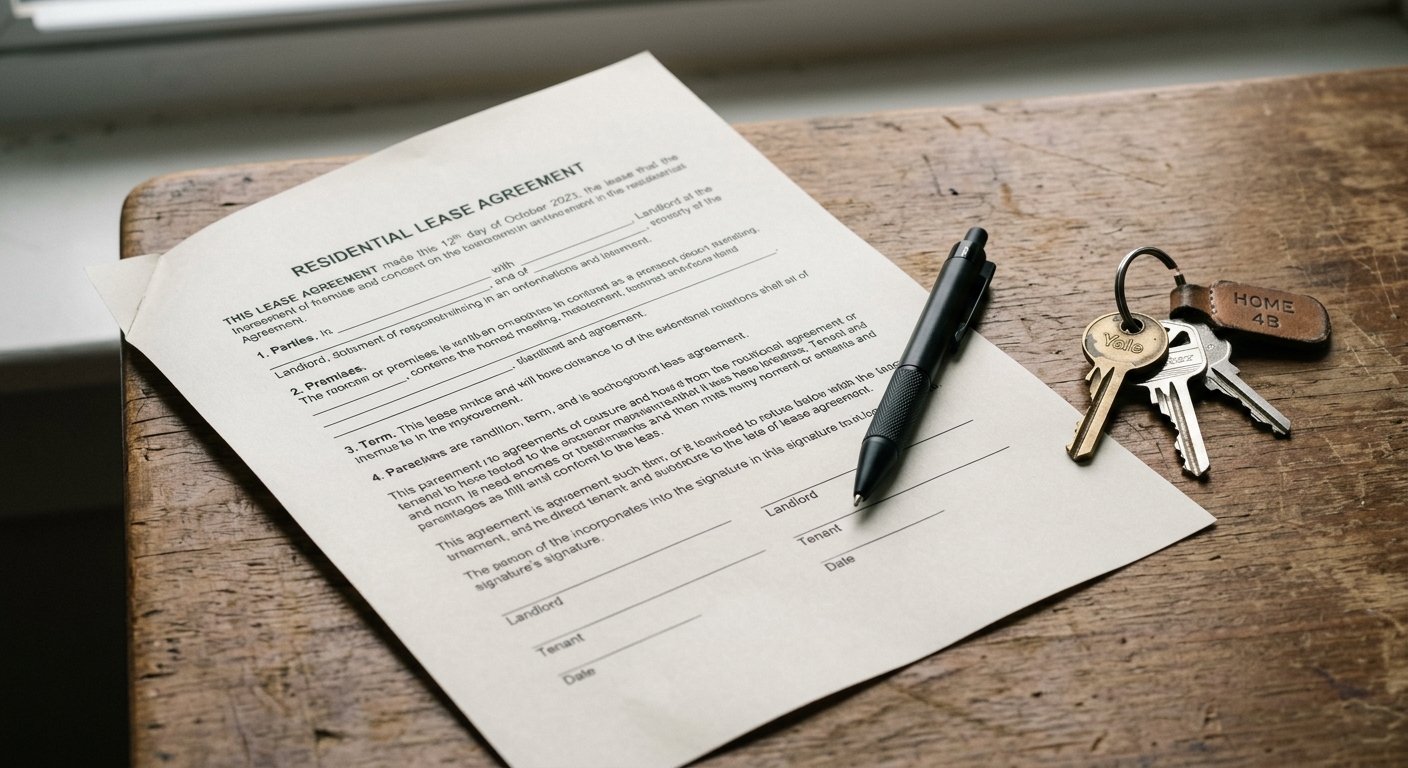
Alabama tenants generally need the landlord's written consent before making modifications to the rental property. A Ring doorbell that requires drilling or wiring changes typically qualifies as a modification. Even battery-powered Ring models that attach with adhesive may fall under lease provisions about alterations to the property's exterior.
Tenants should review the lease agreement for clauses about security devices, exterior modifications, or alterations. Getting landlord approval in writing before installation prevents disputes and protects the tenant's security deposit.
Landlord Obligations
Alabama landlords who install Ring doorbells or other surveillance cameras on rental properties must comply with the same eavesdropping laws that apply to all Alabama residents. Landlords cannot use Ring doorbells to record tenants' private conversations. Placing cameras in areas where tenants have a reasonable expectation of privacy, such as inside the unit, could violate Alabama's criminal surveillance statute.
Landlords who provide Ring doorbells as part of the property should disclose this to tenants in the lease agreement. Transparency about recording capabilities helps both parties avoid legal disputes.
Law Enforcement Access to Ring Footage
Law enforcement agencies in Alabama can obtain Ring doorbell footage through several legal mechanisms. Understanding these pathways helps Ring owners know their rights when police request video.
Warrant and Subpoena Requirements
Police in Alabama can access Ring footage by presenting the homeowner with a request, which the homeowner can voluntarily accept or decline. If the homeowner refuses, law enforcement can obtain a search warrant or subpoena to compel Amazon (Ring's parent company) to produce the footage directly.
Under the Fourth Amendment to the U.S. Constitution, a search warrant requires probable cause and judicial approval. A subpoena has a lower legal threshold but still requires a connection to an active investigation or legal proceeding.
Ring's Disclosure Policy
As of April 2026, Ring requires a valid legal order (warrant, subpoena, or court order) before sharing customer footage with law enforcement. Ring ended its previous practice of allowing police to request footage directly from users through the Neighbors app.
Ring does maintain an exception for emergency situations. In cases involving imminent danger of death or serious physical injury, Ring may share footage with law enforcement without a warrant or user consent. Ring's transparency reports indicate the company receives thousands of legal requests for footage each reporting period.
FTC Enforcement Action
The Federal Trade Commission took action against Ring LLC in May 2023, charging the company with failing to restrict employee and contractor access to customer videos and failing to implement basic security protections. Ring agreed to pay $5.8 million in consumer refunds and was required to delete data derived from videos it had unlawfully reviewed. The FTC distributed payments to over 117,000 affected customers in 2024.
Penalties for Illegal Recording in Alabama
Alabama imposes criminal penalties at several levels for recording violations. The severity depends on the specific offense.
Criminal Eavesdropping (§ 13A-11-31)
Recording private conversations without the consent of at least one participant is a Class A misdemeanor. Penalties include up to one year in jail and a fine of up to $6,000.
Criminal Surveillance (§ 13A-11-32)
Engaging in surveillance while trespassing in a private place is a Class B misdemeanor. Penalties include up to six months in jail and a fine of up to $3,000.
Installing an Eavesdropping Device (§ 13A-11-33)
Installing an eavesdropping device on private property is a more serious offense. This is classified as a felony carrying a prison sentence of one to ten years and a fine of up to $15,000.
Aggravated Criminal Surveillance (§ 13A-11-32.1)
Surveillance of an individual in a place where they have a reasonable expectation of privacy, without consent, for the purpose of sexual gratification is a Class C felony.
Divulging Illegally Obtained Information (§ 13A-11-35)
Sharing information obtained through criminal eavesdropping or surveillance is a Class B misdemeanor, carrying up to six months in jail and a $3,000 fine.
How to Use a Ring Doorbell Legally in Alabama
Following these guidelines helps Alabama residents stay within the law when using Ring doorbell cameras.
Position the Camera Appropriately
Point the Ring doorbell toward your own property, including your front door, porch, walkway, and driveway. Avoid angling the camera to capture areas where neighbors have a reasonable expectation of privacy, such as through windows or into fenced backyards.
Consider Disabling Audio
Turning off the microphone eliminates the primary legal risk associated with Ring doorbells in Alabama. The video recording alone provides significant security value without triggering eavesdropping concerns.
Post Notice of Recording
While Alabama does not require signage for residential security cameras, posting a small notice near the Ring doorbell that recording is in progress can strengthen a legal defense. Visitors who see the notice and continue approaching have arguably consented to being recorded.
Review HOA and Lease Terms
Check CC&Rs before installing in an HOA community. Tenants should get landlord approval in writing before installation. Keep copies of all approvals and correspondence.
Understand Law Enforcement Requests
Homeowners are not legally required to share Ring footage with police voluntarily. If police request footage, the homeowner can ask them to obtain a warrant. Cooperating is a personal choice, not a legal obligation, unless law enforcement presents a valid court order.
Keep Firmware Updated
Regular updates help protect against security vulnerabilities. The FTC's 2023 action against Ring highlighted the importance of security measures, including multi-factor authentication. Enabling two-factor authentication on the Ring account adds protection against unauthorized access.
More Alabama Laws
Alabama has additional laws that affect residents' daily lives. Here are related legal topics:
- Alabama Recording Laws cover all aspects of audio and video recording consent in the state.
- Alabama Hit and Run Laws explain the legal requirements after a traffic accident.
- Alabama Lemon Law protects consumers who purchase defective vehicles.
This article provides general legal information about Ring doorbell laws in Alabama, not legal advice. Laws and their interpretations can change. Consult an attorney licensed in Alabama for advice specific to your situation.
Sources and References
- Ala. Code § 13A-11-30 - Definitions (Eavesdropping and Surveillance)(womenslaw.org)
- Ala. Code § 13A-11-31 - Criminal Eavesdropping(alisondb.legislature.state.al.us).gov
- Ala. Code § 13A-11-32 - Criminal Surveillance(womenslaw.org)
- Ala. Code § 13A-11-32.1 - Aggravated Criminal Surveillance(judicial.alabama.gov).gov
- Alabama HOA FAQs - Alabama Secretary of State(sos.alabama.gov).gov
- FTC Says Ring Employees Illegally Surveilled Customers (May 2023)(ftc.gov).gov
- FTC Sends Refunds to Ring Customers (April 2024)(ftc.gov).gov
- Alabama Recording Guide - Reporters Committee for Freedom of the Press(rcfp.org)
- Alabama Uniform Residential Landlord and Tenant Act(lanierford.com)
- Ring LLC - FTC Case Proceedings(ftc.gov).gov