Washington DC Ring Doorbell Laws: What You Need to Know in 2026
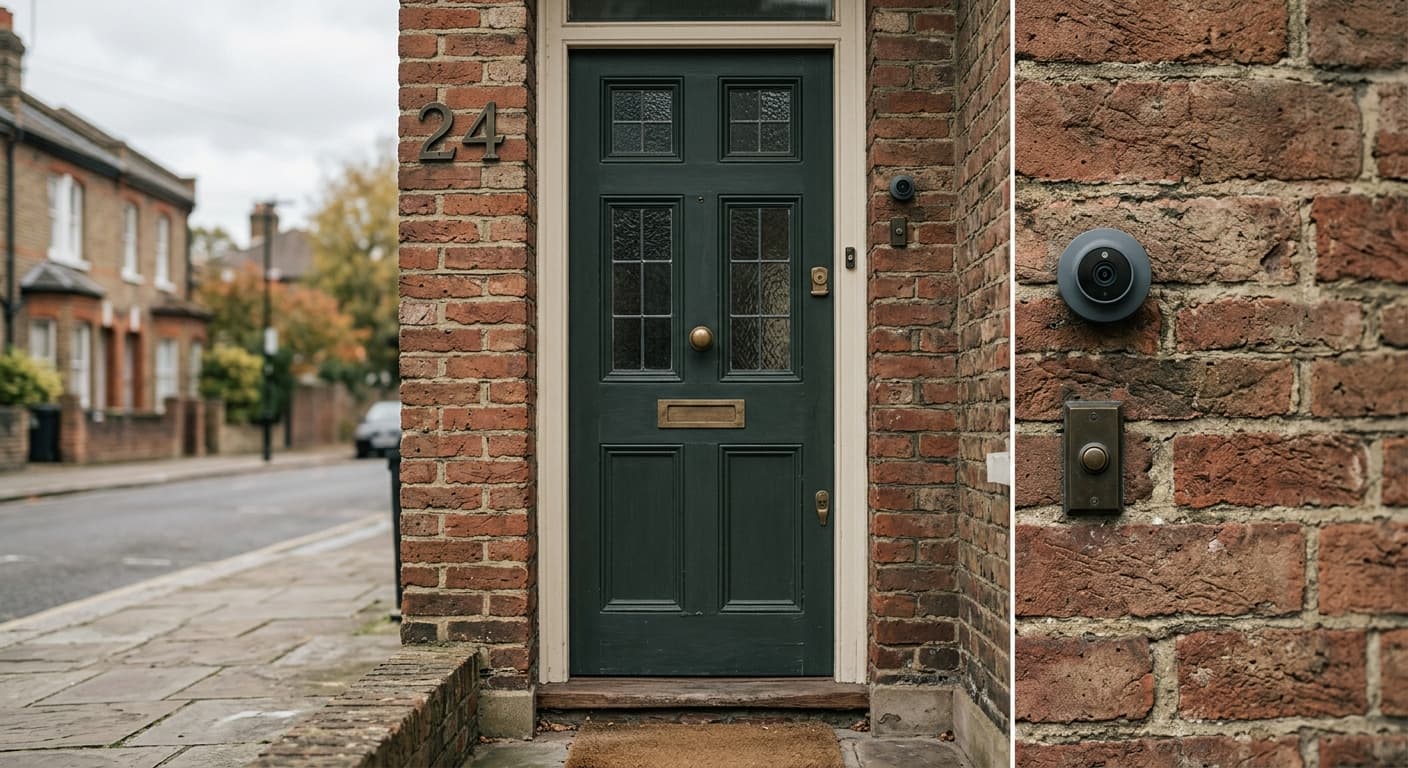
Ring doorbells are a common security feature in Washington, DC, from Capitol Hill row houses to apartment buildings in Northwest. The District of Columbia occupies a unique legal position as a federal district, not a state, which means DC has its own criminal code alongside federal law. For Ring doorbell owners, the key statute is D.C. Code 23-542, which governs the interception of wire and oral communications. Despite a common misconception that DC requires all-party consent, the District actually follows a one-party consent standard for audio recording. DC also stands out for its Private Security Camera Rebate Program, which provides financial incentives for residents to install cameras like Ring doorbells.
DC Audio Recording Laws and Ring Doorbells
Audio recording is the most significant legal concern with Ring doorbells in Washington, DC. Every Ring doorbell model includes a built-in microphone that captures sound alongside video, bringing the District's wiretapping statute into play.
One-Party Consent Rule
Washington, DC follows a one-party consent framework under D.C. Code 23-542. The statute prohibits the willful interception of wire or oral communications. However, D.C. Code 23-542(b)(3) provides an exception for a person not acting under color of law to intercept a wire or oral communication where such person is a party to the communication, or where one of the parties to the communication has given prior consent to such interception.
There is a common misconception that DC is an all-party consent jurisdiction. This is incorrect. The statute's plain language permits recording when at least one party to the conversation consents, placing DC squarely in the one-party consent category alongside the majority of U.S. states.
For Ring doorbell owners, this means the audio recording is legal when the homeowner participates in the conversation. When a visitor rings the doorbell and the homeowner answers through the Ring app, the homeowner is a party to that exchange. Their participation satisfies the one-party consent requirement.
Important Limitation on Consent
D.C. Code 23-542(b)(3) includes a critical limitation. The one-party consent exception does not apply if the communication is intercepted for the purpose of committing any criminal or tortious act in violation of the Constitution or laws of the United States, any State, or the District of Columbia, or for the purpose of committing any other injurious act. This means the recording cannot be made with the intent to use it for an unlawful purpose. Recording for legitimate home security purposes satisfies this requirement.
When Audio Recording Raises Concerns
The legal gray area emerges when a Ring doorbell passively records conversations the homeowner is not part of. If two people have a private conversation on the front steps and the Ring device captures that audio, the homeowner has potentially intercepted a communication without the consent of any participant.
D.C. Code 23-541(2) defines "oral communication" as any oral communication uttered by a person exhibiting an expectation that such communication is not subject to interception under circumstances justifying such expectation. A conversation on an open front porch or stoop in a dense urban environment like DC, where foot traffic is constant and passersby are within earshot, may not carry a reasonable expectation of privacy. No DC court has directly addressed this question in the context of Ring doorbells, as of April 2026.
Practical Steps for Audio Compliance
Ring devices allow homeowners to disable audio recording through the app settings. DC residents who want to eliminate any legal ambiguity can turn off the microphone while keeping video surveillance active. This removes the wiretapping concern while preserving the core security functionality.
Video Recording Laws in DC
Washington, DC's approach to video surveillance involves multiple statutory provisions, reflecting the District's dual nature as both a residential community and the seat of the federal government.
Voyeurism Statute
Under D.C. Code 22-3531, it is unlawful for a person to intentionally capture an image of a private area of an individual, under circumstances in which the individual has a reasonable expectation of privacy, without the individual's express and informed consent. The statute provides an exception for security monitoring in any building where there are signs prominently displayed informing persons that the entire premises or designated portions of the premises are under surveillance.
A Ring doorbell camera pointed at a front door, stoop, walkway, or sidewalk captures areas where people do not have a reasonable expectation of privacy. These public-facing areas in DC's neighborhoods, from Georgetown to Anacostia, are spaces where residents and visitors expect to be observed.
Signage Considerations
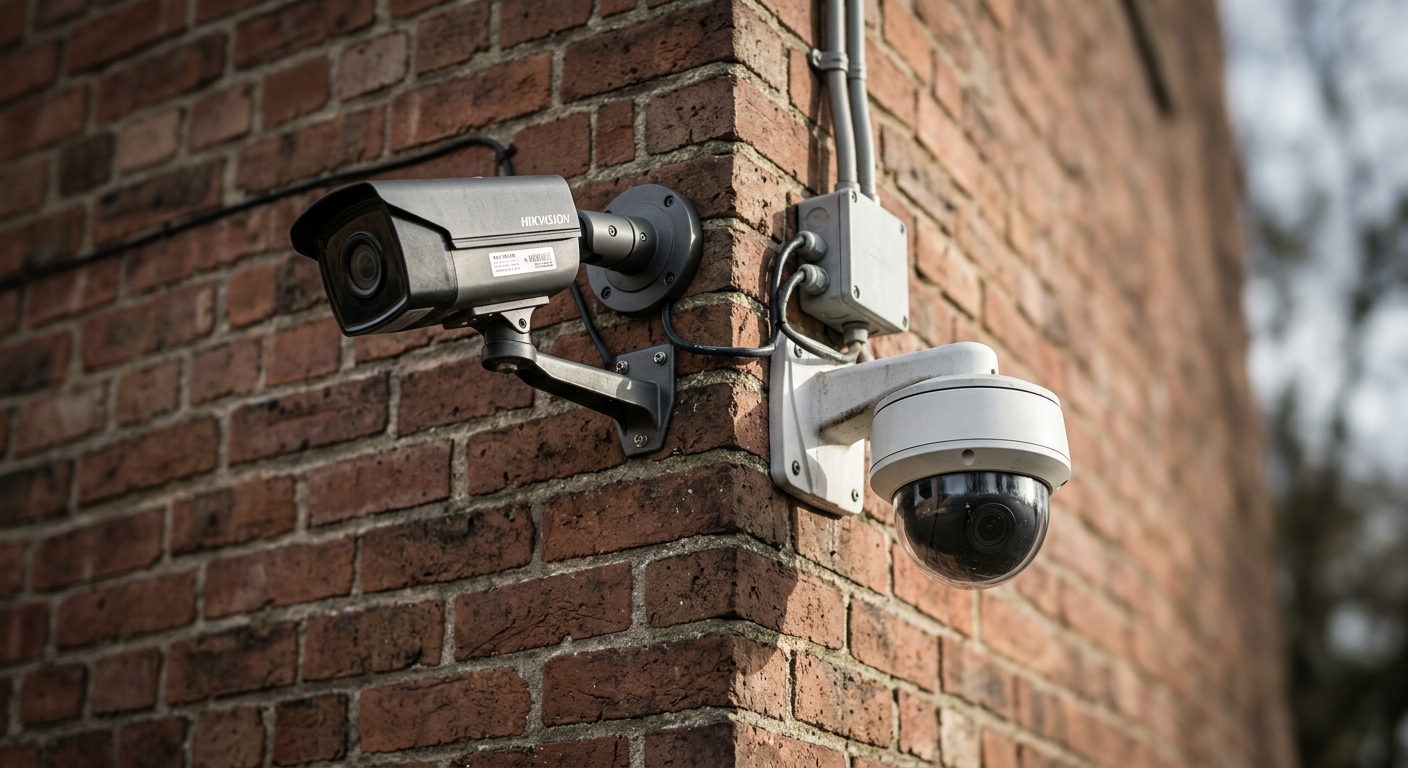
While the voyeurism statute's exception for security monitoring references signage, this exception primarily applies to buildings and businesses. For residential Ring doorbell cameras, the general rule is that recording video in public-facing areas does not require signage. Posting a small notice indicating that recording is in progress can provide additional legal protection, but it is not a statutory requirement for residential doorbell cameras.
Limits on Video Recording
Pointing a Ring camera to capture areas where individuals have a reasonable expectation of privacy creates legal risk in DC. Recording through a neighbor's windows, into their bathroom, or into private interior spaces could violate D.C. Code 22-3531. Violations are classified as misdemeanors punishable by a fine of up to $2,500 or imprisonment for up to 1 year, or both.
DC's Private Security Camera Rebate Program
Washington, DC is one of the few jurisdictions in the country that actively encourages residents to install security cameras through a government rebate program. The Private Security Camera System Incentive Program, established under D.C. Code 7-2831 and administered by the Office of Victim Services and Justice Grants (OVSJG), provides financial incentives for purchasing and installing security cameras, including Ring doorbells.
Program Details
As of April 2026, the program offers a rebate of up to $200 per camera and a maximum of $500 per residential address. To qualify, residents purchase and install their security camera system, then apply for the rebate through OVSJG. Ring doorbells and similar video doorbell cameras are eligible devices under the program.
Registration with Metropolitan Police
Participants in the rebate program register their cameras with the Metropolitan Police Department (MPD) through the CameraConnect DC program. Registration is voluntary and does not give police direct access to the camera feed. Instead, it lets MPD know where private security cameras are located so officers can request footage from the owner if an incident occurs nearby. The homeowner retains full control over whether to share footage.
HOA and Condo Association Rules in DC
Washington, DC has a large condominium population, and condo associations can set rules that affect Ring doorbell installation. The District governs condominiums under D.C. Code Title 42, Chapter 19 (Condominium Act of 1976).
What Associations Can Restrict
Under D.C. Code 42-1903.08, unit owners' associations have the power to adopt and amend bylaws or rules and regulations for the governance and operation of the condominium. This authority can extend to regulating exterior modifications, including the installation of doorbell cameras.
A front door in a DC condo building may be considered a common element or limited common element under the condominium declaration. If so, the association has authority over what can be attached to it. Some DC condo boards have adopted specific policies addressing Ring doorbells and similar devices, often requiring board approval before installation.
The Department of Housing and Community Development (DHCD) publishes a Condominium Association Bill of Rights and Responsibilities that outlines the general rights and obligations of unit owners and associations in the District. Reviewing this document alongside the specific condo's governing documents provides the clearest picture of what is permitted.
Navigating Association Requirements
Before purchasing a Ring doorbell, DC residents in a condo or HOA community should review the declaration, bylaws, and any house rules for provisions about security devices, exterior modifications, or electronic equipment. Requesting written approval from the board before installation creates documentation that protects the unit owner if disputes arise.
Landlord and Tenant Rights in DC
Washington, DC has some of the strongest tenant protection laws in the country, which adds important context for Ring doorbell installation in rental properties.
Tenant Installation Rights
DC tenants generally need landlord permission before making modifications to the rental property. The District's landlord-tenant statutes (D.C. Code Title 42, Chapters 32 and 35) govern the relationship between housing providers and tenants. A Ring doorbell that requires drilling into a door frame or wall qualifies as a physical modification that typically requires landlord approval.
Battery-powered Ring models that attach with adhesive mounting may present fewer issues, but tenants should still check the lease for provisions about exterior modifications, security devices, or electronic equipment. Getting written landlord approval before installation prevents disputes and protects the security deposit.
The Office of the Tenant Advocate (OTA) provides guidance on tenant rights in the District. Tenants with questions about installing security devices can contact OTA for assistance.
Landlord Obligations
DC landlords who install Ring doorbells on rental properties must comply with the District's recording laws. Landlords cannot use Ring doorbells to record tenants' private conversations without consent. Placing recording devices where tenants have a reasonable expectation of privacy, such as inside the unit, could violate both D.C. Code 23-542 (wiretapping) and D.C. Code 22-3531 (voyeurism).
Landlords who provide Ring doorbells as part of the rental property should disclose the device and its recording capabilities to tenants. Including this disclosure in the lease agreement helps both parties understand the boundaries.
Law Enforcement Access to Ring Footage in DC
Law enforcement in Washington, DC has access to an extensive public camera network, but private Ring doorbell footage remains under the homeowner's control unless law enforcement follows proper legal channels.
Voluntary and Compelled Disclosure
DC police, including the Metropolitan Police Department (MPD), can ask a homeowner to voluntarily share Ring footage. The homeowner has the right to agree or decline. If the homeowner declines, law enforcement can obtain a search warrant based on probable cause, or pursue a subpoena or court order.
Under the Fourth Amendment to the U.S. Constitution, a search warrant requires probable cause and judicial approval. DC's own procedures for intercepting communications under D.C. Code 23-546 through 23-550 establish additional requirements for law enforcement access to electronic communications.
CameraConnect DC and Police Access
The MPD's CameraConnect DC program allows residents to voluntarily register their security cameras, including Ring doorbells. Registration does not grant police direct access to camera feeds or stored footage. If an incident occurs nearby, MPD may contact the registered camera owner to request footage. The owner retains full discretion over whether to share.
Ring's Disclosure Policies
As of April 2026, Ring (owned by Amazon) requires a valid legal order before sharing customer footage with law enforcement. Ring ended its previous practice of allowing police to request footage directly from users through the Neighbors app.
Ring does maintain an exception for emergency situations. When law enforcement certifies imminent danger of death or serious physical injury, Ring may provide footage without a warrant or the user's consent.
FTC Enforcement and Ring Privacy
The Federal Trade Commission took action against Ring LLC in May 2023, charging the company with failing to restrict employee and contractor access to customer videos and failing to implement basic security protections. Ring agreed to pay $5.8 million in consumer refunds. The FTC distributed payments to over 117,000 affected customers in 2024. DC Ring users should enable two-factor authentication and keep firmware updated to protect against unauthorized access.
Penalties for Illegal Recording in DC
Washington, DC imposes both criminal and civil penalties for recording violations.
Illegal Interception (D.C. Code 23-542)
Willfully intercepting wire or oral communications without proper consent is punishable by a fine of up to $12,500 or imprisonment for up to 5 years, or both. The fine amount is set under the District's general criminal fine schedule in D.C. Code 22-3571.01.
Civil Liability for Interception (D.C. Code 23-554)
Any person whose wire or oral communication is intercepted in violation of D.C. Code 23-542 has a civil cause of action. The victim can recover actual damages or liquidated damages computed at the rate of $100 per day of violation, with a minimum of $1,000, whichever is higher.
Voyeurism (D.C. Code 22-3531)
Intentionally capturing images of a person in a private area where they have a reasonable expectation of privacy, without consent, is a misdemeanor. Penalties include a fine of up to $2,500 or imprisonment for up to 1 year, or both.
Federal Law Considerations
Because DC is a federal district, both D.C. law and federal law apply. The federal Wiretap Act (18 U.S.C. 2511) also follows a one-party consent standard. A recording that complies with D.C. Code 23-542 will generally comply with the federal Wiretap Act as well, since both require only one-party consent.
How to Use a Ring Doorbell Legally in DC
These guidelines help DC residents use Ring doorbell cameras within the law.
Position the Camera Appropriately
Point the Ring doorbell toward your own property: the front door, stoop, walkway, and sidewalk approach. Avoid angling the camera to capture areas where neighbors have a reasonable expectation of privacy, such as through windows or into private interior spaces.
Consider the DC Camera Rebate Program
Before purchasing a Ring doorbell, check whether the OVSJG Private Security Camera Rebate Program is accepting applications. The rebate of up to $200 per camera can offset a significant portion of the cost. Register the camera with CameraConnect DC to support neighborhood safety efforts.
Consider Disabling Audio Recording
Turning off the microphone through the Ring app eliminates the primary legal risk under DC's wiretapping statute. Video-only recording avoids triggering D.C. Code 23-542 entirely while still providing effective home security.
Post a Notice of Recording
While DC does not require signage for residential security cameras, the voyeurism statute's exception for security monitoring references prominently displayed signs. Posting a visible notice near the Ring doorbell that audio and video recording is in progress provides additional legal protection.
Review Condo and Lease Terms
Check the condominium declaration, bylaws, and house rules before installing a Ring doorbell in a DC condo building. Tenants should get written landlord approval before installation. Contact the Office of the Tenant Advocate with questions about tenant rights regarding security devices.
Understand Law Enforcement Requests
DC homeowners are not legally required to share Ring footage with police upon a verbal request. The homeowner can decline and ask that police obtain a warrant. Participation in CameraConnect DC is voluntary and does not waive the homeowner's right to refuse a request.
Enable Security Features
Enable two-factor authentication on the Ring account, use a strong unique password, and keep the Ring app and device firmware updated. The FTC's 2023 enforcement action against Ring underscored the importance of these measures.
More DC Laws
Washington, DC has additional laws that affect residents' daily lives. Here are related legal topics:
- DC Recording Laws cover all aspects of audio and video recording consent in the District.
- DC Hit and Run Laws explain the legal requirements after a traffic accident.
- DC Lemon Law protects consumers who purchase defective vehicles.
This article provides general legal information about Ring doorbell laws in Washington, DC, not legal advice. Laws and their interpretations can change. Consult an attorney licensed in the District of Columbia for advice specific to your situation.
Sources and References
- D.C. Code 23-542 - Interception, Disclosure, and Use of Wire or Oral Communications Prohibited(code.dccouncil.gov).gov
- D.C. Code 23-541 - Definitions (Wire Interception and Interception of Oral Communications)(code.dccouncil.gov).gov
- D.C. Code 23-554 - Authorization for Recovery of Civil Damages(code.dccouncil.gov).gov
- D.C. Code 22-3531 - Voyeurism(code.dccouncil.gov).gov
- D.C. Code 22-3571.01 - Fines for Criminal Offenses(code.dccouncil.gov).gov
- D.C. Code 7-2831 - Private Security Camera System Incentive Program(code.dccouncil.gov).gov
- Private Security Camera Rebate Program - OVSJG(ovsjg.dc.gov).gov
- CameraConnect DC - Metropolitan Police Department(mpdc.dc.gov).gov
- D.C. Code 42-1903.08 - Unit Owners Associations Powers and Rights(code.dccouncil.gov).gov
- Condominium Association Bill of Rights and Responsibilities - DHCD(dhcd.dc.gov).gov
- Office of the Tenant Advocate - Tenant Bill of Rights(ota.dc.gov).gov
- FTC Says Ring Employees Illegally Surveilled Customers (May 2023)(ftc.gov).gov