Iowa Ring Doorbell Laws: What You Need to Know in 2026
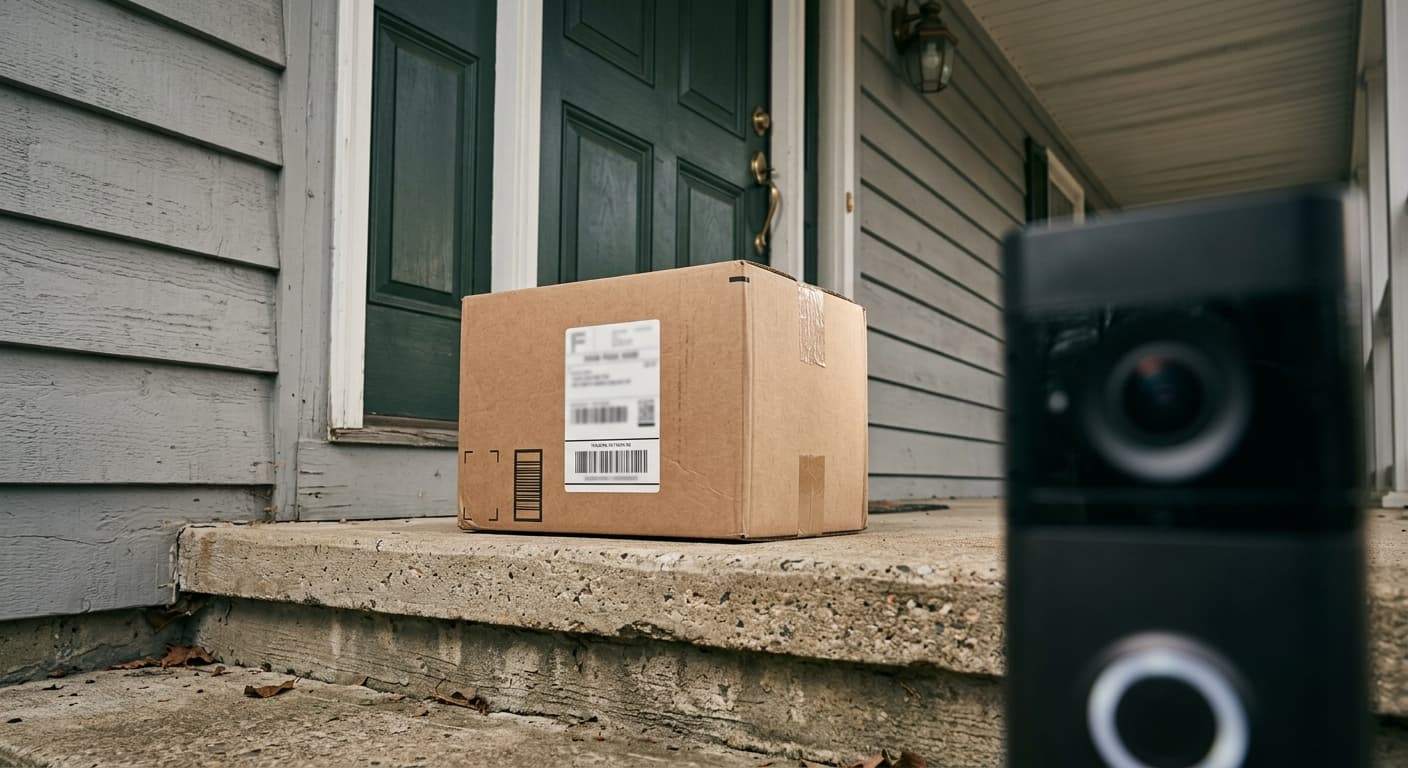
Iowa is a one-party consent state for audio recording, which means Ring doorbell owners face fewer legal hurdles than residents in all-party consent states. Iowa law permits recording a conversation when at least one participant consents, and video recording of your own property is broadly allowed.
Iowa's eavesdropping statute, voyeurism laws, and trespass-related surveillance rules still set boundaries that Ring doorbell owners need to respect. Audio recording of conversations where you are not a party, cameras pointed into private areas, and placing devices on someone else's property can all trigger criminal penalties.
Audio Recording Laws and Ring Doorbells in Iowa
Iowa has two statutes that govern audio recording: the electronic eavesdropping law (Iowa Code 727.8) and the interception of communications statute (Iowa Code Chapter 808B). Both follow a one-party consent framework, which is favorable for Ring doorbell owners.
One-Party Consent Under Iowa Code 808B
Under Iowa Code 808B.2(2)(c), it is not unlawful for a person who is not acting under color of law to intercept a wire, oral, or electronic communication if the person is a party to the communication or if one of the parties to the communication has given prior consent to the interception. This is the core one-party consent provision.
For Ring doorbell owners, this means recording audio of a conversation through the two-way talk feature is lawful. When you speak with someone at your door through Ring's intercom, you are a party to the conversation, and your consent satisfies the statute.
Iowa Code 727.8: Eavesdropping
Iowa Code 727.8 provides a separate but complementary rule. Any person who, without right or authority, taps into or connects a listening or recording device to any communication wire, or who by electronic or mechanical means listens to, records, or otherwise intercepts a conversation or communication of any kind, commits a serious misdemeanor. The statute explicitly exempts the sender or recipient of a message, or anyone who is openly present and participating in or listening to a communication.
This exemption is important for Ring doorbell owners. When you are actively listening to or participating in a doorbell conversation through the Ring app, you fall within the exemption. The legal risk increases when your Ring doorbell passively records conversations between other people at your door where you are not a participant and have not been given consent.
Practical Audio Recording Advice
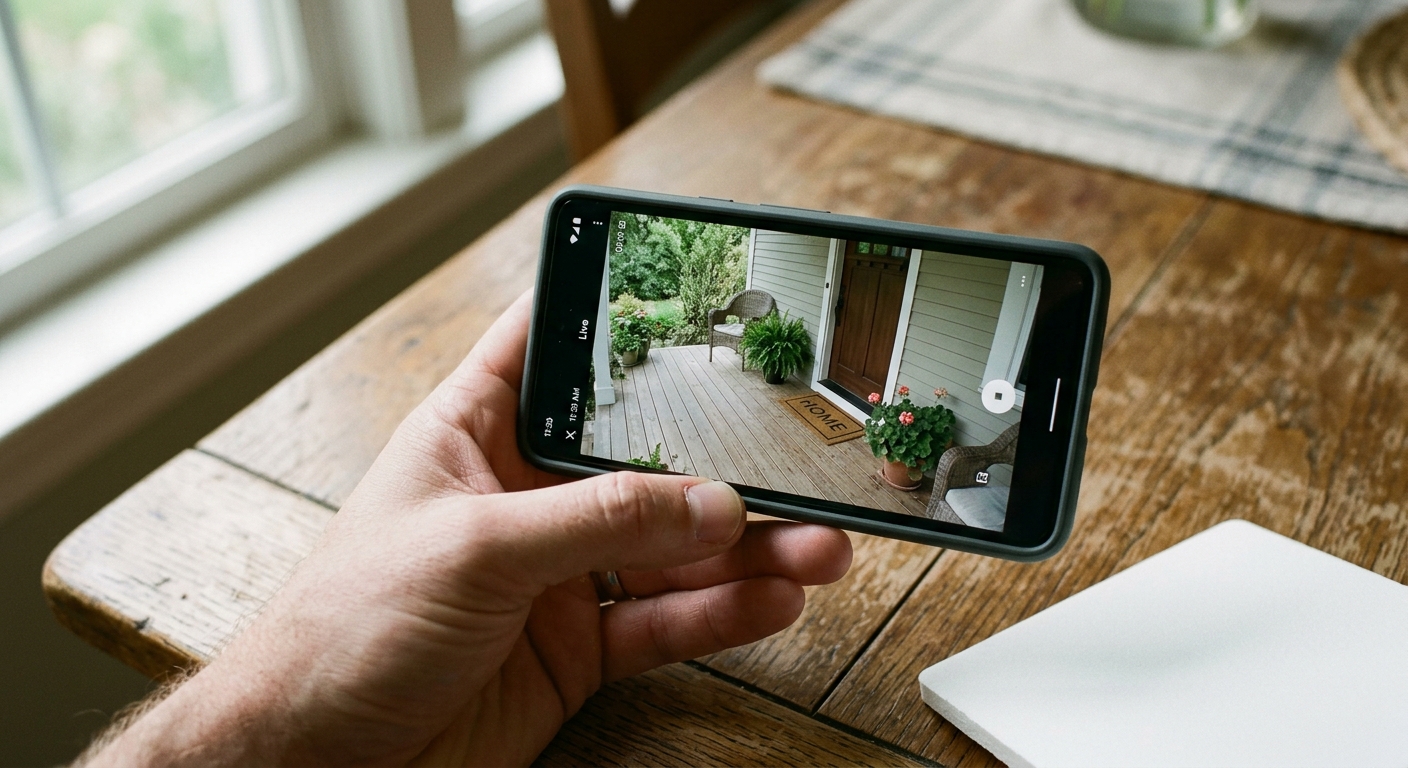
The safest approach for Iowa Ring doorbell owners is to use the two-way talk feature when communicating with visitors. For passive recordings, posting a visible sign informing visitors that audio and video recording is in progress helps eliminate any expectation of privacy and reduces legal risk.
Video Recording Laws and Ring Doorbells
Iowa does not have a single comprehensive video surveillance statute for residential cameras. Video recording on your own property and of public areas is generally permitted. The restrictions come from specific statutes addressing privacy violations, voyeurism, and trespass.
General Video Recording Rules
Iowa law allows video recording in areas where people do not have a reasonable expectation of privacy. This includes your front porch, driveway, sidewalks, and other areas visible from public view. A Ring doorbell pointed at these areas is lawful for video recording purposes.
Iowa Code 709.21: Invasion of Privacy (Nudity)
Iowa Code 709.21 makes it illegal to knowingly view, photograph, or film another person in a state of full or partial nudity without consent when the person has a reasonable expectation of privacy. The offense is classified as an aggravated misdemeanor, punishable by up to 2 years in prison and fines between $625 and $6,250.
This statute applies to Ring doorbells if the camera is positioned to capture images inside a bathroom, bedroom, or any area where someone might reasonably be in a state of undress. A Ring doorbell aimed at your own front door is extremely unlikely to trigger this statute, but a camera pointed directly at a neighbor's window could.
If the recording is made for the purpose of sexual gratification, the penalties increase, and a conviction may require sex offender registration under Iowa Code 692A.
Iowa Code 727.8A: Camera Use During Trespass
Iowa Code 727.8A addresses the specific scenario of placing cameras on property where you are trespassing. A person who commits a trespass and knowingly places or uses a camera or electronic surveillance device that transmits or records images or data on the trespassed property commits an aggravated misdemeanor for a first offense and a Class D felony for a second or subsequent offense.
This statute makes it clear that mounting a Ring camera on a neighbor's property without permission, such as on their fence, porch, or structure, is not just a trespass but carries enhanced penalties when a recording device is involved.
HOA and Ring Doorbells in Iowa
Iowa homeowners associations have the authority to regulate Ring doorbell installations through their governing documents and bylaws.
Common HOA Restrictions
Iowa HOAs that address Ring doorbells typically include rules covering:
- Architectural review committee (ARC) approval before exterior device installation.
- Placement guidelines to prevent cameras from capturing neighboring units or private common areas.
- Aesthetic requirements for camera color, size, and mounting location.
- Audio recording policies, particularly in condo buildings where hallways and common areas are shared.
Iowa HOA Authority
Under Iowa's Homeowners Associations Act (Iowa Code Chapter 501B) and the Uniform Common Interest Ownership Act as adopted in Iowa, HOAs have broad power to adopt rules governing common elements and the exterior appearance of individually owned units. This authority extends to regulating or prohibiting Ring doorbells.
Iowa does not have a state statute that specifically prevents HOAs from banning doorbell cameras. Homeowners who want to install a Ring doorbell in an HOA community should review the CC&Rs and submit any required applications before installation.
Can an Iowa HOA Ban Ring Doorbells?
Yes. Iowa HOAs can prohibit Ring doorbells through their governing documents. Owners who install devices in violation of HOA rules may face fines, mandatory removal, or legal action to enforce compliance.
Landlord and Tenant Rights
Iowa landlord-tenant law (Iowa Code Chapter 562A, the Uniform Residential Landlord and Tenant Act) does not specifically address Ring doorbell cameras, but general principles govern the relationship.
Tenant Installation Rights
Iowa tenants generally have the right to enjoy their rental unit in peace, which includes reasonable security measures. Interior security cameras within the tenant's unit are typically permitted. Exterior installations, including Ring doorbells mounted on a front door or shared hallway, usually require the landlord's written permission because the tenant does not own the door or exterior structure.
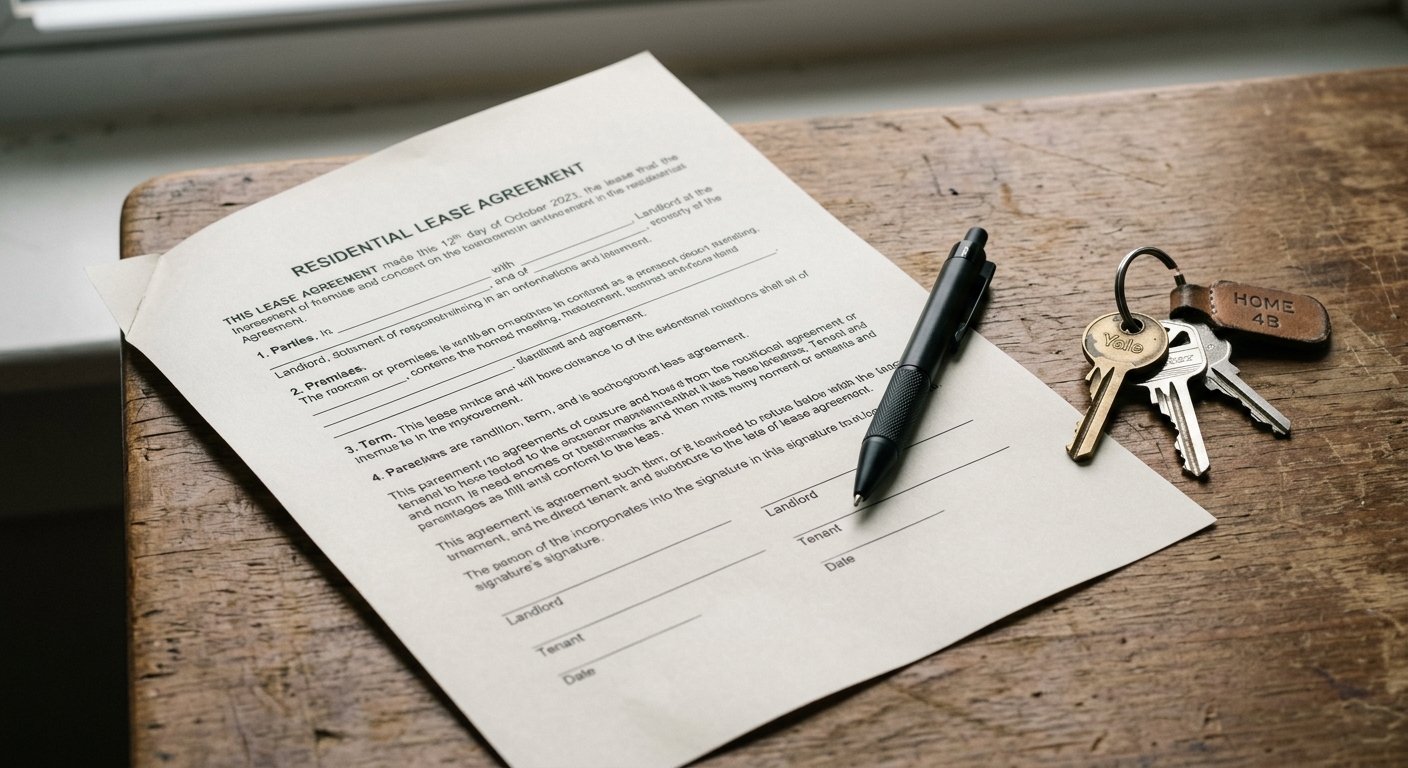
Tenants should review their lease for provisions addressing modifications to the property, smart home devices, or security camera installations. If the lease is silent on the issue, requesting written permission from the landlord before installation is the recommended approach.
Landlord Obligations
Iowa landlords can install Ring doorbells on rental properties as part of the property's security features. The landlord should disclose the presence of any recording devices to tenants, particularly if audio recording is enabled. Iowa's one-party consent law permits recording conversations the landlord participates in, but passively recording tenant conversations raises legal concerns.
Landlords cannot use Ring doorbells to monitor the interior of a tenant's unit. Iowa Code 562A.19 requires landlords to maintain the premises and respect the tenant's right to privacy. Using a Ring doorbell to surveil a tenant's personal activities could constitute harassment or an invasion of privacy.
Shared Building Considerations
In multi-unit buildings, a Ring doorbell in a shared hallway records all tenants and visitors passing through. Landlords installing cameras in common areas should provide written notice to all tenants and ensure audio recording is either disabled or that tenants consent to it.
Law Enforcement Access to Ring Footage
Iowa follows federal and state constitutional protections against unreasonable searches, which limit how police can access Ring doorbell footage.
How Police Obtain Footage
- Search warrants: Iowa law enforcement can obtain a search warrant from an Iowa court compelling Ring (through Amazon) to provide footage. This requires probable cause.
- Voluntary consent: Ring doorbell owners can voluntarily share footage with police at any time. No warrant is required when the owner consents to disclosure.
- Court orders: A court order based on specific, articulable facts can compel Ring to disclose subscriber information.
- Emergency exceptions: Under federal law (18 U.S.C. 2702), Ring may disclose footage without a warrant in emergencies involving imminent danger of death or serious physical injury.
Ring's Law Enforcement Policy
Ring routes all law enforcement requests through Amazon's Law Enforcement Request Tracker (ALERT). Ring does not produce video or audio content in response to subpoenas. A valid search warrant is required for content data.
Amazon ended the Neighbors Public Safety Service in January 2024, removing the ability for police to directly request footage from Ring users through the app. As of 2026, Ring partners with Axon to facilitate evidence sharing, with users opting in to provide recordings through Axon's platform.
Iowa-Specific Considerations
The Iowa Public Information Board has addressed questions about the applicability of Iowa's open records law (Iowa Code 22.7) to camera footage in certain contexts. Ring doorbell footage owned by a private homeowner is not a public record. Footage voluntarily shared with police may become part of a criminal investigation file, subject to Iowa's public records exemptions for ongoing investigations.
Penalties for Illegal Recording in Iowa
Iowa imposes criminal penalties at several levels for recording violations:
| Offense | Classification | Jail/Prison | Fine |
|---|---|---|---|
| Eavesdropping (Iowa Code 727.8) | Serious misdemeanor | Up to 1 year | $315-$1,875 |
| Unlawful interception (Iowa Code 808B.2) | Class D felony | Up to 5 years | $750-$7,500 |
| Camera use during trespass, first offense (727.8A) | Aggravated misdemeanor | Up to 2 years | $625-$6,250 |
| Camera use during trespass, second offense (727.8A) | Class D felony | Up to 5 years | $750-$7,500 |
| Invasion of privacy/nudity (Iowa Code 709.21) | Aggravated misdemeanor | Up to 2 years | $625-$6,250 |
The distinction between Iowa Code 727.8 (serious misdemeanor) and 808B.2 (Class D felony) is significant. Section 727.8 covers basic eavesdropping, while 808B.2 targets the willful interception of wire, oral, or electronic communications. Using electronic equipment to intentionally intercept private communications carries the heavier penalty.
How to Use a Ring Doorbell Legally in Iowa
Iowa's one-party consent framework makes Ring doorbell use straightforward, but following these guidelines helps avoid legal problems:
-
Use two-way talk for audio recording. When you speak with a visitor through Ring's intercom feature, you are a party to the conversation. This satisfies Iowa's one-party consent requirement under Iowa Code 808B.2.
-
Post visible signage. A sign near your Ring doorbell informing visitors that audio and video recording is in progress eliminates any reasonable expectation of privacy and reduces the risk from passive recordings.
-
Point your camera at your own property. Aim your Ring doorbell at your front door, porch, and driveway. Avoid capturing the interior of a neighbor's home, their private yard, or any area where someone could reasonably expect privacy.
-
Do not install cameras on others' property. Placing a Ring camera on a neighbor's property, even on a shared fence that belongs to them, violates Iowa Code 727.8A and can result in aggravated misdemeanor charges.
-
Check HOA and lease rules. Review your HOA's CC&Rs or lease agreement before installing a Ring doorbell. Obtain written approval if your governing documents require it.
-
Consider disabling audio for passive recording. If your Ring doorbell records all motion events with audio, consider disabling the microphone to avoid any risk from recording third-party conversations you are not part of.
-
Know your rights with police. Sharing Ring footage with law enforcement is voluntary unless police present a valid warrant. You can decline requests and are not penalized for doing so.
More Iowa Laws
Explore other Iowa legal guides on Recording Law:
- Iowa Recording Laws cover the state's full wiretapping and eavesdropping statutes.
- Iowa Hit and Run Laws explain reporting obligations and penalties.
- Iowa Lemon Law covers consumer protections for defective vehicle purchases.
This article provides general legal information about Ring doorbell laws in Iowa. Laws change, and their application depends on specific facts and circumstances. Consult an attorney licensed in Iowa for advice specific to your situation.
Sources and References
- Iowa Code 808B.2 - Unlawful Interception of Communications(legis.iowa.gov).gov
- Iowa Code 727.8 - Electronic and Mechanical Eavesdropping(legis.iowa.gov).gov
- Iowa Code 727.8A - Camera or Electronic Surveillance During Trespass(legis.iowa.gov).gov
- Iowa Code 709.21 - Invasion of Privacy (Nudity)(legis.iowa.gov).gov
- Iowa Code 902.9 - Maximum Sentence for Felons(legis.iowa.gov).gov
- Iowa Code Chapter 808B - Interception of Communications(legis.iowa.gov).gov
- Iowa Public Information Board - Camera Footage and Public Records(ipib.iowa.gov).gov
- Ring Law Enforcement Information Requests(ring.com)
- Iowa Consumer Data Protection Act (SF 262)(legis.iowa.gov).gov