Oklahoma Ring Doorbell Laws: What You Need to Know in 2026
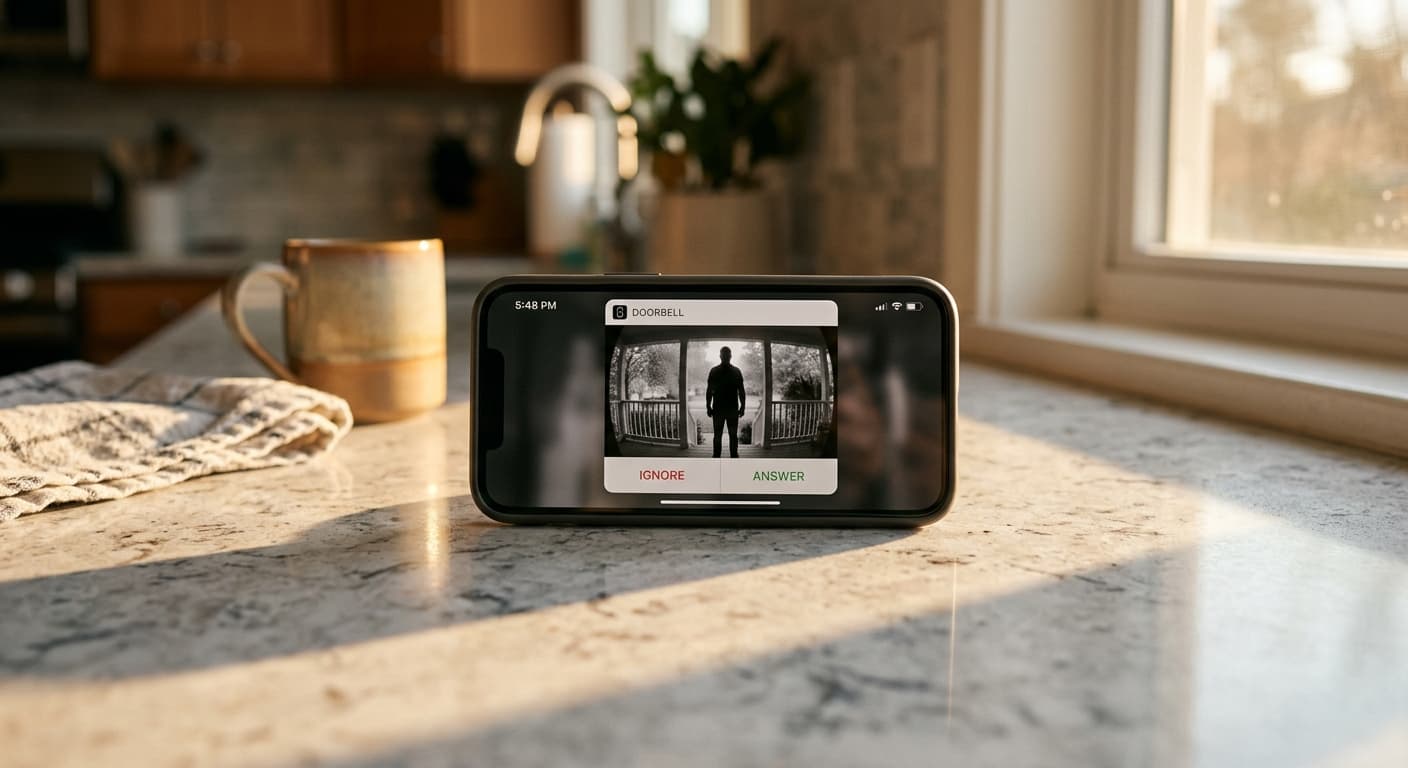
Ring doorbells are a common sight on Oklahoma homes, from Oklahoma City neighborhoods to Tulsa apartment complexes. These devices provide video and audio surveillance of the front door area, which intersects with several Oklahoma laws. Oklahoma's Security of Communications Act (Okla. Stat. tit. 13, §§ 176.2-176.4) governs audio recording and follows a one-party consent model. The state's Peeping Tom statute (Okla. Stat. tit. 21, § 1171) restricts certain types of visual surveillance. Violations of the wiretapping law carry felony penalties, including up to five years in prison. Knowing how these statutes apply to Ring doorbells helps Oklahoma residents use their devices legally while protecting their property.
Oklahoma Audio Recording Laws and Ring Doorbells
The most significant legal concern with Ring doorbells in Oklahoma involves their audio recording capability. Every Ring doorbell model has a built-in microphone that captures sound alongside video, which brings Oklahoma's Security of Communications Act into play.
One-Party Consent Rule
Oklahoma follows a one-party consent framework under Okla. Stat. tit. 13, § 176.4. This section provides that it is not a prohibited act for a person to intercept a wire, oral, or electronic communication when that person is a party to the communication, or when one of the parties has given prior consent to the interception. The exception applies only when the communication is not intercepted for the purpose of committing any criminal act.
For Ring doorbell owners, this works in a straightforward manner. When a visitor rings the doorbell and the homeowner answers through the Ring app's two-way talk feature, the homeowner becomes a party to the conversation. That participation satisfies the one-party consent requirement, making the audio recording lawful under Oklahoma law.
When Audio Recording Becomes Problematic
The legal landscape shifts when a Ring doorbell captures conversations the homeowner is not participating in. If two visitors have a private conversation on the porch while the Ring camera records audio, the homeowner has intercepted a communication without any party's consent.

Under Okla. Stat. tit. 13, § 176.2, an "oral communication" is defined as any communication uttered by a person exhibiting an expectation that the communication is not subject to interception, under circumstances justifying that expectation. Whether a conversation on a front porch visible from the street carries a reasonable expectation of privacy is an open question. Oklahoma courts have not directly addressed whether passive Ring doorbell audio recording constitutes "interception" under the Security of Communications Act, as of April 2026.
Reducing Legal Risk
Ring devices allow users to disable the microphone in the app settings. Oklahoma homeowners who want to eliminate the audio recording risk entirely can turn off this feature while retaining full video surveillance capability. Homeowners who keep audio enabled should make a habit of answering through the Ring app to ensure they qualify as a party to any recorded conversation.
Video Recording Laws in Oklahoma
Oklahoma does not have a broad statute that prohibits homeowners from recording video on their own property. The video component of a Ring doorbell, on its own, does not trigger the Security of Communications Act because that statute applies specifically to wire, oral, and electronic communications rather than visual recordings.
Peeping Tom Statute
Oklahoma's Peeping Tom law (Okla. Stat. tit. 21, § 1171) does restrict certain video surveillance activities. The statute contains two main provisions.
Under subsection A, every person who hides, waits, or otherwise loiters in the vicinity of any private dwelling, apartment building, or other place of residence, or any location where a person has a reasonable expectation of privacy, with the unlawful and willful intent to watch, gaze, or look upon any person in a clandestine manner, is guilty of a misdemeanor. This offense carries up to one year in the county jail and a fine of up to $5,000.
Under subsection B, every person who uses photographic, electronic, or video equipment in a clandestine manner for any illegal, illegitimate, prurient, lewd, or lascivious purpose with the unlawful intent to view, watch, or gaze upon any person without their knowledge and consent, when the person viewed is in a place where they have a reasonable expectation of privacy, commits a felony. Publishing or distributing images obtained through such conduct is also a felony offense.
How This Applies to Ring Doorbells
A Ring doorbell pointed at the homeowner's own front door, porch, walkway, and driveway records areas where visitors generally do not have a reasonable expectation of privacy. The Peeping Tom statute is more likely to apply if a camera is deliberately aimed into a neighbor's windows, bathroom, or other private space.
The key factor is the location being recorded and the intent behind the recording. A security camera installed for the legitimate purpose of protecting one's home and property is fundamentally different from a device positioned to secretly observe someone in a private space.

HOA Rules and Ring Doorbells in Oklahoma
Oklahoma's Real Estate Development Act (Okla. Stat. tit. 60, Chapter 17) regulates homeowners associations formed after June 5, 1975. This law provides the framework within which Oklahoma HOAs operate, though individual community rules vary widely.
HOA Authority Over Exterior Modifications
Oklahoma HOAs derive their regulatory authority from their declaration, bylaws, and CC&Rs. If the community's governing documents include provisions about exterior modifications, architectural standards, or electronic devices, the HOA may regulate Ring doorbell installation. An HOA with architectural review requirements can require homeowners to submit an application before mounting any device on the exterior of the home.
The declaration can restrict how properties in the community are used, including the types of modifications homeowners can make to the exterior of their homes. A Ring doorbell, depending on the model, may require drilling into the door frame or wall, which some communities classify as an exterior modification requiring approval.
How to Navigate HOA Requirements
Before purchasing and installing a Ring doorbell in an Oklahoma HOA community, homeowners should review their CC&Rs and any supplemental architectural guidelines. Requesting written approval from the HOA or architectural review committee creates a record that protects against future disputes. Some Oklahoma communities have adopted specific policies addressing security cameras and doorbell cameras, sometimes allowing them with conditions on size, color, or placement.

Landlord and Tenant Rights
Oklahoma renters face additional considerations when installing Ring doorbells. The Oklahoma Residential Landlord and Tenant Act (Okla. Stat. tit. 41, §§ 101-136) governs the relationship between landlords and tenants.
Tenant Installation Rights
Under the Oklahoma Residential Landlord and Tenant Act, tenants have obligations to maintain the dwelling unit. No repairs, decorating, or alterations to the rental property should be done by the tenant without the landlord's prior written consent, except in emergency situations. A Ring doorbell that requires drilling into the door frame or exterior wall falls squarely within this restriction.
Even battery-powered Ring models that use adhesive mounting may be considered an alteration to the property's exterior under the lease terms. Tenants should review the lease agreement for specific clauses about security devices and exterior modifications, then get written landlord approval before installation.
Landlord Obligations and Restrictions
Oklahoma landlords who install Ring doorbells on rental properties must comply with the same audio recording and privacy laws that apply to all Oklahoma residents. A landlord cannot use a Ring doorbell to intercept tenants' private conversations. Placing cameras where tenants have a reasonable expectation of privacy, such as inside the rental unit, could violate both the Security of Communications Act and the Peeping Tom statute.
Landlords who provide Ring doorbells as part of the property should disclose this in the lease agreement, including details about what the device records and who has access to the footage.
Security Deposit Implications
Oklahoma law requires landlords to hold security deposits in an escrow account at a federally insured financial institution within the state. If a tenant installs a Ring doorbell without permission and causes damage to the property (such as drill holes in the door frame), the landlord may deduct repair costs from the security deposit. Tenants who get written approval before installation protect both the property and their deposit.
Law Enforcement Access to Ring Footage
Law enforcement agencies across Oklahoma can seek Ring doorbell footage through several legal channels.
Voluntary Sharing and Warrants
Oklahoma police can ask a homeowner to voluntarily share Ring footage. The homeowner can agree or decline without any legal consequence. If the homeowner refuses, law enforcement can obtain a search warrant supported by probable cause, or a subpoena, to compel Amazon (Ring's parent company) to produce the footage directly.
The Fourth Amendment to the U.S. Constitution and Article II, Section 30 of the Oklahoma Constitution both protect against unreasonable searches and seizures. A search warrant in Oklahoma requires a showing of probable cause before a judge or magistrate.
Ring's Evolving Law Enforcement Policies
Ring's approach to sharing footage with police has shifted multiple times. In January 2024, Ring ended its "Request for Assistance" feature that allowed police to request footage directly from users through the Neighbors app. In 2025, Ring reversed course and partnered with Axon to launch a new "Community Requests" system. Under this program, police submit requests tied to active investigation case numbers, Axon reviews the requests, and Ring users can opt in to share short clips. Users who decline are not identified to law enforcement, and all shared footage is encrypted and stored in Axon's secure evidence database.
Emergency Exceptions
Ring retains the ability to share footage with law enforcement without user consent in limited emergency situations. Under the federal Electronic Communications Privacy Act (18 U.S.C. § 2702), service providers like Ring may disclose customer communications when they believe in good faith that an emergency involving danger of death or serious physical injury requires immediate disclosure. Ring alone determines what qualifies as an emergency.
FTC Enforcement History
The Federal Trade Commission took action against Ring LLC in May 2023, alleging that Ring employees and Ukraine-based contractors had unrestricted access to customer video from private spaces, including bedrooms and children's rooms. Ring agreed to pay $5.8 million in consumer refunds, delete unlawfully obtained data, and implement a comprehensive privacy and security program. The FTC distributed over $3.9 million in initial payments to more than 117,000 affected customers in April 2024.
Penalties for Illegal Recording in Oklahoma
Oklahoma imposes significant penalties for recording violations. The severity depends on which statute is violated.
Illegal Interception of Communications (tit. 13, § 176.3)
Willfully intercepting any wire, oral, or electronic communication, or willfully disclosing the contents of an illegally intercepted communication, is a felony under Oklahoma's Security of Communications Act. Conviction carries imprisonment of up to five years, a fine of not less than $5,000, or both. The minimum fine of $5,000 applies to every conviction, making this one of the more severe wiretapping penalties among U.S. states.
Peeping Tom, Subsection A (tit. 21, § 1171)
Loitering near a private dwelling or other place where a person expects privacy, with the intent to watch or gaze upon someone in a clandestine manner, is a misdemeanor. Penalties include up to one year in the county jail, a fine of up to $5,000, or both.
Peeping Tom, Subsection B (tit. 21, § 1171)
Using photographic, electronic, or video equipment in a clandestine manner to view someone without their consent in a place where they expect privacy, or publishing images obtained through such conduct, is a felony. Penalties include imprisonment and a fine of up to $5,000.
Civil Liability
Oklahoma recognizes a limited tort cause of action for invasion of privacy. A person whose privacy has been violated through unlawful recording or surveillance may pursue civil damages, including compensatory and potentially punitive damages, through the Oklahoma court system.
How to Use a Ring Doorbell Legally in Oklahoma
Following these guidelines helps Oklahoma residents use Ring doorbell cameras within the boundaries of state law.
Position the Camera Toward Your Own Property
Aim the Ring doorbell at your front door, porch, walkway, and driveway. Avoid pointing the camera into areas where neighbors have a reasonable expectation of privacy, such as windows, bathrooms, or fenced backyards. Recording publicly visible areas like the street or sidewalk is generally permissible.
Consider Disabling Audio Recording
Turning off the microphone in the Ring app eliminates the primary legal risk under Oklahoma's Security of Communications Act. The video recording alone provides substantial security value without raising wiretapping concerns. Oklahoma homeowners who keep audio enabled should answer calls through the Ring app to ensure they are a party to any recorded conversation.
Post a Notice of Recording
While Oklahoma law does not specifically require signage for residential security cameras, posting a visible notice near the Ring doorbell that audio and video recording is in progress can strengthen a legal defense. Visitors who see the notice and proceed to the door have arguably consented to being recorded.
Review HOA and Lease Terms
Homeowners in HOA communities should check their CC&Rs and architectural guidelines before installation. Tenants should get written landlord approval before mounting any Ring device on rental property. Keeping copies of all correspondence and approvals protects against future disputes.
Understand Your Rights With Law Enforcement
Oklahoma homeowners are not legally required to share Ring footage with police voluntarily. If police request footage, the homeowner can decline and ask the officer to obtain a warrant. Sharing footage is a personal choice, not a legal obligation, unless law enforcement presents a valid court order.
Secure Your Ring Account
The FTC's 2023 enforcement action against Ring highlighted the importance of account security. Enable two-factor authentication, use a strong unique password, and keep firmware updated. These steps protect against unauthorized access to stored footage.

More Oklahoma Laws
Oklahoma has additional laws that affect residents' daily lives. Here are related legal topics:
- Oklahoma Recording Laws cover all aspects of audio and video recording consent in the state.
- Oklahoma Hit and Run Laws explain the legal requirements after a traffic accident.
- Oklahoma Lemon Law protects consumers who purchase defective vehicles.
This article provides general legal information about Ring doorbell laws in Oklahoma, not legal advice. Laws and their interpretations can change. Consult an attorney licensed in Oklahoma for advice specific to your situation.
Sources and References
- Okla. Stat. tit. 13, § 176.4 - Acts Not Prohibited (One-Party Consent)(oscn.net).gov
- Okla. Stat. tit. 13, § 176.3 - Prohibited Acts, Felonies, Penalties(oklegislature.gov).gov
- Okla. Stat. tit. 21, § 1171 - Peeping Tom, Use of Electronic Equipment(oscn.net).gov
- Oklahoma Real Estate Development Act (tit. 60, Chapter 17)(oklegislature.gov).gov
- Oklahoma Residential Landlord and Tenant Act(oklahoma.gov).gov
- Oklahoma Constitution - Article II(oklegislature.gov).gov
- FTC Says Ring Employees Illegally Surveilled Customers (May 2023)(ftc.gov).gov
- FTC Sends Refunds to Ring Customers (April 2024)(ftc.gov).gov
- Ring LLC - FTC Case Proceedings(ftc.gov).gov
- 18 U.S.C. § 2702 - Electronic Communications Privacy Act(law.cornell.edu)