North Dakota Ring Doorbell Laws: What You Need to Know in 2026
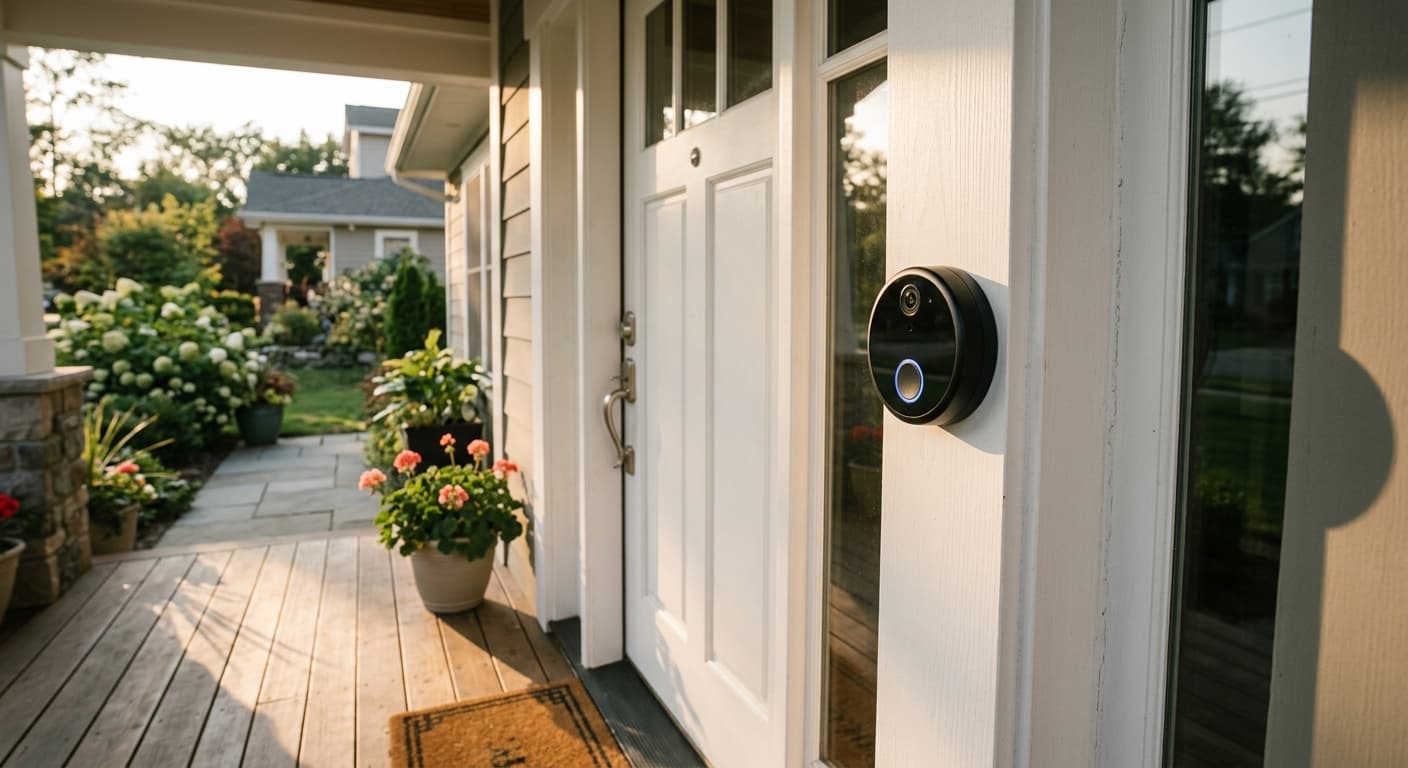
Ring doorbells and video doorbell cameras are increasingly common on North Dakota properties, from Fargo suburbs to rural farmsteads. While these devices offer real security benefits, they also raise legal questions under North Dakota law. The primary concern involves audio recording. North Dakota's wiretapping statute (N.D. Cent. Code § 12.1-15-02) governs when electronic interception of conversations is lawful, and violations carry felony-level penalties. Video recording from your own property faces fewer restrictions, but separate privacy statutes still apply. Understanding how these laws interact with Ring doorbell use helps North Dakota residents protect their homes without breaking the law.
North Dakota Audio Recording Laws and Ring Doorbells
The biggest legal risk with Ring doorbells in North Dakota centers on their built-in microphones. Every Ring doorbell model captures audio alongside video, which triggers North Dakota's wiretapping and eavesdropping laws.
One-Party Consent Rule
North Dakota follows a one-party consent framework under N.D. Cent. Code § 12.1-15-02. The statute makes it a crime to intentionally intercept any wire or oral communication using an electronic, mechanical, or other device. However, the law provides an affirmative defense when the person intercepting the communication was a party to the conversation, or when one of the parties gave prior consent to the interception. The interception also cannot be for the purpose of committing a crime or causing unlawful harm.
For Ring doorbell owners, this means that when a visitor rings the bell and the homeowner answers through the Ring app, the homeowner is a participant in the conversation. That participation satisfies the one-party consent requirement. The audio recording of that two-way exchange is lawful under North Dakota law.
When Audio Recording Becomes Problematic
Complications arise when the Ring doorbell records conversations that the homeowner is not part of. If two people have a private conversation on the porch while the Ring camera captures audio, the homeowner has intercepted a communication without the consent of any participant.

North Dakota courts have not directly addressed whether a Ring doorbell passively recording front-porch conversations constitutes "interception" under § 12.1-15-02, as of April 2026. The statute targets intentional interception, which could mean that passive, always-on recording occupies a legal gray area. The safest approach for homeowners who want to eliminate this uncertainty is to disable the audio recording feature in the Ring app settings.
Eavesdropping Provision
A separate subsection of § 12.1-15-02 addresses traditional eavesdropping. A person who secretly loiters about a building with intent to overhear discourse or conversation, and then repeats or publishes what they heard with intent to vex, annoy, or injure others, commits a Class A misdemeanor. While this provision is aimed at physical eavesdroppers rather than electronic devices, it reflects North Dakota's broader commitment to protecting conversational privacy.
Video Recording Laws in North Dakota
North Dakota's approach to video surveillance is more permissive than its audio recording rules, though specific privacy protections still apply.
General Video Surveillance
No North Dakota statute broadly prohibits homeowners from recording video on their own property. Placing a Ring doorbell on your front door to capture video of your porch, walkway, driveway, and the street is generally lawful. The video component of a Ring doorbell, standing alone, does not trigger the wiretapping statute because § 12.1-15-02 specifically addresses "wire or oral communications," not visual recordings.
Surreptitious Intrusion on Privacy
North Dakota does restrict video surveillance in certain contexts. Under N.D. Cent. Code § 12.1-31-14, a person commits surreptitious intrusion on privacy (a Class B misdemeanor) if they enter another's property and surreptitiously install or use any device for observing, photographing, recording, amplifying, or broadcasting sounds or events from a house or place of dwelling.
The statute also covers surreptitious gazing or peeping into a tanning booth, hotel sleeping room, or other place where a reasonable person would expect privacy. This means pointing a Ring doorbell camera into a neighbor's windows or other areas where they have a reasonable expectation of privacy could violate this statute.
Practical Camera Placement
Ring doorbells aimed at a front door, porch, walkway, and public-facing areas capture spaces where no reasonable expectation of privacy exists. Avoiding angles that peer into neighbors' windows, fenced backyards, or other private spaces keeps the camera placement within legal boundaries.

HOA Rules and Ring Doorbells in North Dakota
North Dakota does not have a standalone homeowners association statute. Most HOAs in the state operate as nonprofit corporations under North Dakota's general corporate law and derive their authority from recorded covenants, conditions, and restrictions (CC&Rs).
What HOAs Can Restrict
Because HOA authority in North Dakota flows from CC&Rs rather than a specific state HOA act, the governing documents control what an HOA can and cannot regulate. If the CC&Rs include provisions about exterior modifications, architectural standards, or electronic devices, the HOA may have the authority to restrict or require approval for Ring doorbell installation.
An HOA board that has adopted architectural guidelines can compel a homeowner to remove a security camera that does not comply with the community's rules. Violations of CC&R provisions can result in fines or legal action by the association.
How to Navigate HOA Requirements
Before installing a Ring doorbell in a North Dakota HOA community, homeowners should review their CC&Rs and any supplemental architectural guidelines. Requesting written approval from the HOA board before installation creates documentation that protects against future disputes. Some North Dakota HOAs have adopted specific security camera policies that allow doorbell cameras but regulate placement, size, or appearance.
Landlord and Tenant Rights
Renters in North Dakota face additional considerations when installing Ring doorbells. North Dakota's landlord-tenant laws under N.D. Cent. Code Chapter 47-16 govern the relationship between landlords and tenants, including rules about property modifications.
Tenant Installation Rights
North Dakota tenants generally need the landlord's consent before making modifications to rental property. A Ring doorbell that requires drilling into the door frame or exterior wall qualifies as a modification. Even battery-powered Ring models that use adhesive mounting may fall under lease provisions about alterations to the property's exterior.
Tenants should review the lease agreement for clauses about security devices, exterior modifications, or alterations. Getting written landlord approval before installation prevents disputes and protects the security deposit. Under N.D. Cent. Code § 47-16-07.2, a landlord may retain the security deposit to cover damages beyond normal wear and tear, which could include unauthorized modifications.
Landlord Obligations
North Dakota landlords who install Ring doorbells on rental properties must comply with the same wiretapping and privacy laws that apply to all state residents. A landlord cannot use a Ring doorbell to intercept tenants' private conversations. Placing cameras in areas where tenants have a reasonable expectation of privacy, such as inside the rental unit, could violate § 12.1-31-14.
Landlords who provide Ring doorbells as part of the rental property should disclose this in the lease agreement. Transparency about recording capabilities helps both parties avoid legal disputes and ensures the tenant can make an informed decision about living on the property.
Law Enforcement Access to Ring Footage
Law enforcement agencies in North Dakota can obtain Ring doorbell footage through several legal pathways. Ring's policies on law enforcement access have shifted significantly in recent years.
Warrant and Subpoena Requirements
Police in North Dakota can ask a homeowner to voluntarily share Ring footage. The homeowner can agree or decline without legal consequence. If the homeowner refuses, law enforcement can obtain a search warrant supported by probable cause, or a subpoena, to compel Amazon (Ring's parent company) to produce the footage directly.
The Fourth Amendment to the U.S. Constitution and Article I, Section 8 of the North Dakota Constitution both protect against unreasonable searches and seizures. A search warrant requires a showing of probable cause before a judge or magistrate.
Ring's Evolving Law Enforcement Policies
Ring's approach to law enforcement partnerships has changed multiple times. In 2024, Ring dismantled its "Request for Assistance" feature in the Neighbors app after significant backlash over privacy concerns. In 2025, Ring reversed course and partnered with Axon to create a new system called Community Requests, which allows police officers to request camera footage from Ring users. Under this system, users can opt in to share short recordings, and Axon reviews police requests to verify they are tied to active investigations with valid case numbers. Footage is encrypted once submitted, and Axon does not reveal which users decline to share.
Emergency Exceptions
Ring maintains the ability to share footage with law enforcement without user consent in limited emergency circumstances. Under the federal Electronic Communications Privacy Act (18 U.S.C. § 2702), service providers like Ring may disclose customer communications to law enforcement when they believe in good faith that an emergency involving danger of death or serious physical injury requires disclosure. Ring alone determines what qualifies as an emergency, and that determination is not reviewed by a court beforehand.
FTC Enforcement History
The Federal Trade Commission took action against Ring LLC in May 2023, charging the company with failing to restrict employee and contractor access to customer videos and failing to implement basic security protections. Ring employees and Ukraine-based contractors had broad access to view, download, and share customer footage from bedrooms, children's rooms, and other private spaces. Ring agreed to pay $5.8 million in consumer refunds, and the FTC distributed over $3.9 million in initial payments to more than 117,000 affected customers in April 2024.
Penalties for Illegal Recording in North Dakota
North Dakota imposes serious penalties for recording violations. The severity depends on the specific offense.
Illegal Interception (§ 12.1-15-02, Subsection 1)
Intentionally intercepting any wire or oral communication using an electronic device, or intentionally disclosing or using the contents of an illegally intercepted communication, is a Class C felony. Under N.D. Cent. Code § 12.1-32-01, a Class C felony carries a maximum penalty of five years of imprisonment, a fine of $10,000, or both.
Eavesdropping (§ 12.1-15-02, Subsection 2)
Secretly loitering about a building with intent to overhear conversations and repeat or publish them to vex, annoy, or injure others is a Class A misdemeanor. Under § 12.1-32-01, a Class A misdemeanor carries a maximum penalty of 360 days of imprisonment, a fine of $3,000, or both.
Surreptitious Intrusion on Privacy (§ 12.1-31-14)
Entering another's property to surreptitiously install recording devices, or peeping into places where a person has a reasonable expectation of privacy, is a Class B misdemeanor. A Class B misdemeanor carries a maximum penalty of 30 days of imprisonment, a fine of $1,500, or both.
Civil Liability
Beyond criminal penalties, individuals whose privacy has been violated may pursue civil claims for damages. North Dakota recognizes the tort of invasion of privacy, and a person who has been unlawfully recorded may seek compensatory damages, and potentially punitive damages, through a civil lawsuit.
How to Use a Ring Doorbell Legally in North Dakota
Following these guidelines helps North Dakota residents stay within the law when using Ring doorbell cameras.
Position the Camera Appropriately
Point the Ring doorbell toward your own property, including your front door, porch, walkway, and driveway. Avoid angling the camera to record areas where neighbors have a reasonable expectation of privacy, such as through windows or into fenced yards. Capturing publicly visible areas like the street or sidewalk is generally permissible.
Consider Disabling Audio Recording
Turning off the microphone in the Ring app settings eliminates the primary legal risk. The video recording alone provides substantial security value without raising eavesdropping concerns under § 12.1-15-02. North Dakota homeowners who keep audio enabled should participate in conversations (by answering through the Ring app) to satisfy the one-party consent requirement.
Post a Notice of Recording
While North Dakota law does not require signage for residential security cameras, posting a small notice near the Ring doorbell that audio and video recording is in progress can strengthen a legal defense. Visitors who see the notice and continue approaching have arguably provided implied consent to being recorded.
Review HOA and Lease Terms
Homeowners in HOA communities should check CC&Rs and architectural guidelines before installation. Tenants should obtain written landlord approval before mounting any Ring device on rental property. Keeping copies of all approvals protects against future disputes.
Understand Your Rights With Law Enforcement
Homeowners are not legally required to share Ring footage with police voluntarily. If police request footage, the homeowner can ask them to obtain a warrant. Cooperating is a personal choice, not a legal obligation, unless law enforcement presents a valid court order.
Enable Security Features
The FTC's 2023 enforcement action against Ring highlighted the importance of account security. Enable two-factor authentication on the Ring account, use a strong unique password, and keep firmware updated. These steps protect against unauthorized access to footage.
More North Dakota Laws
North Dakota has additional laws that affect residents' daily lives. Here are related legal topics:
- North Dakota Recording Laws cover all aspects of audio and video recording consent in the state.
- North Dakota Hit and Run Laws explain the legal requirements after a traffic accident.
- North Dakota Lemon Law protects consumers who purchase defective vehicles.
This article provides general legal information about Ring doorbell laws in North Dakota, not legal advice. Laws and their interpretations can change. Consult an attorney licensed in North Dakota for advice specific to your situation.
Sources and References
- N.D. Cent. Code § 12.1-15-02 - Interception of Wire or Oral Communications - Eavesdropping(ndlegis.gov).gov
- N.D. Cent. Code § 12.1-31-14 - Surreptitious Intrusion on Privacy(ndlegis.gov).gov
- N.D. Cent. Code § 12.1-32-01 - Classification of Offenses and Penalties(ndlegis.gov).gov
- N.D. Cent. Code Chapter 47-16 - Leasing of Real Property(ndlegis.gov).gov
- North Dakota Attorney General - Tenant Rights(attorneygeneral.nd.gov).gov
- FTC Says Ring Employees Illegally Surveilled Customers (May 2023)(ftc.gov).gov
- FTC Sends Refunds to Ring Customers (April 2024)(ftc.gov).gov
- Ring LLC - FTC Case Proceedings(ftc.gov).gov
- North Dakota Constitution - Article I, Section 8(ndlegis.gov).gov
- 18 U.S.C. § 2702 - Electronic Communications Privacy Act(law.cornell.edu)