North Dakota Public Recording Laws: Filming Rights in Public Spaces (2026)
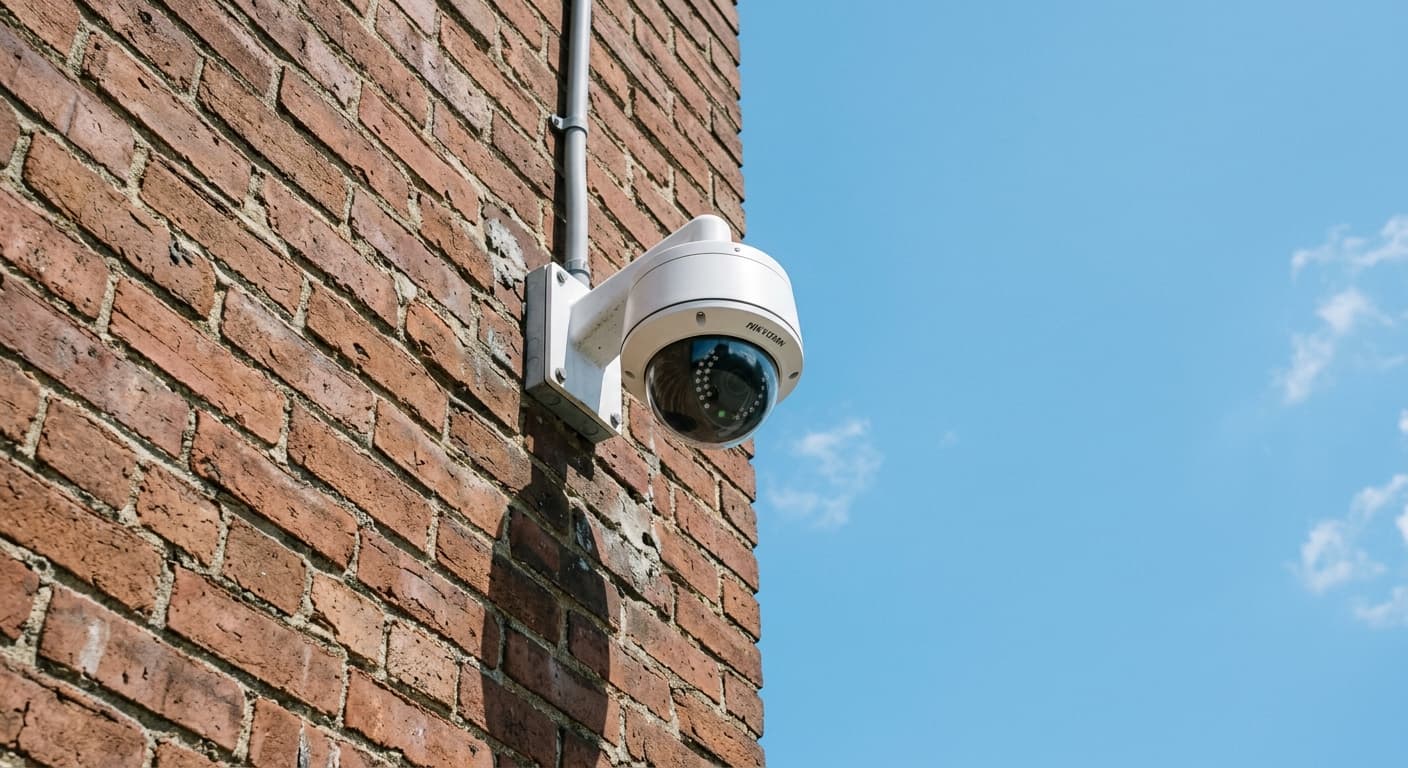
North Dakota broadly protects your right to record in public. The state has no law prohibiting photography, video recording, or audio recording in public spaces. The wiretapping statute under N.D.C.C. § 12.1-15-02 applies one-party consent to audio recording, and the First Amendment provides constitutional protection for recording activity in public.
This guide covers public filming rights, government meeting recording under the Open Records and Meetings Law, government building rules, and recording on private property open to the public.
First Amendment Recording Rights
Federal courts recognize broad First Amendment rights to record in public spaces. In North Dakota, you can record people on streets and sidewalks, buildings, public events, protests, government buildings (public areas), and anything visible from public property.
Recording Government Meetings
North Dakota's Open Records and Meetings Law (N.D.C.C. Chapter 44-04) requires most government meetings to be open. A "meeting" includes any gathering of a quorum regarding public business. You can record city council meetings, county commission meetings, school board meetings, legislative proceedings, and public hearings.
Closed executive sessions are permitted for limited purposes and recording is not allowed during those portions.
The North Dakota Attorney General's office provides guidance and enforcement support for open meetings violations.
Recording in Government Buildings
Public areas of government buildings (lobbies, hallways, service counters) are generally available for recording. Restricted areas include courtrooms during proceedings (subject to court rules), secure areas of law enforcement facilities, and restricted federal building areas.
Recording on Private Property Open to the Public
Stores, restaurants, and entertainment venues allow recording until the owner asks you to stop. If asked to stop and you refuse to leave, you may face trespass charges.
Audio Recording in Public
North Dakota's one-party consent rule applies to audio recording in public. You can record conversations you participate in. For recording conversations between others in public, consider whether the speakers exhibit an expectation that their communication is not subject to interception (the definition of "oral communication" under § 12.1-15-04).
More North Dakota Recording Laws
Audio Recording | Video Recording | Voyeurism & Hidden Cameras | Workplace Recording | Recording Police | Phone Call Recording | Security Cameras | Recording in Public | Landlord-Tenant | Dashcam Laws | Schools | Medical Recording
Sources and References
- N.D.C.C. § 12.1-15-02(ndlegis.gov).gov
- ND AG Open Records(attorneygeneral.nd.gov).gov
- ND Open Meetings(ndlegis.gov).gov