Minnesota Ring Doorbell Laws: What You Need to Know in 2026
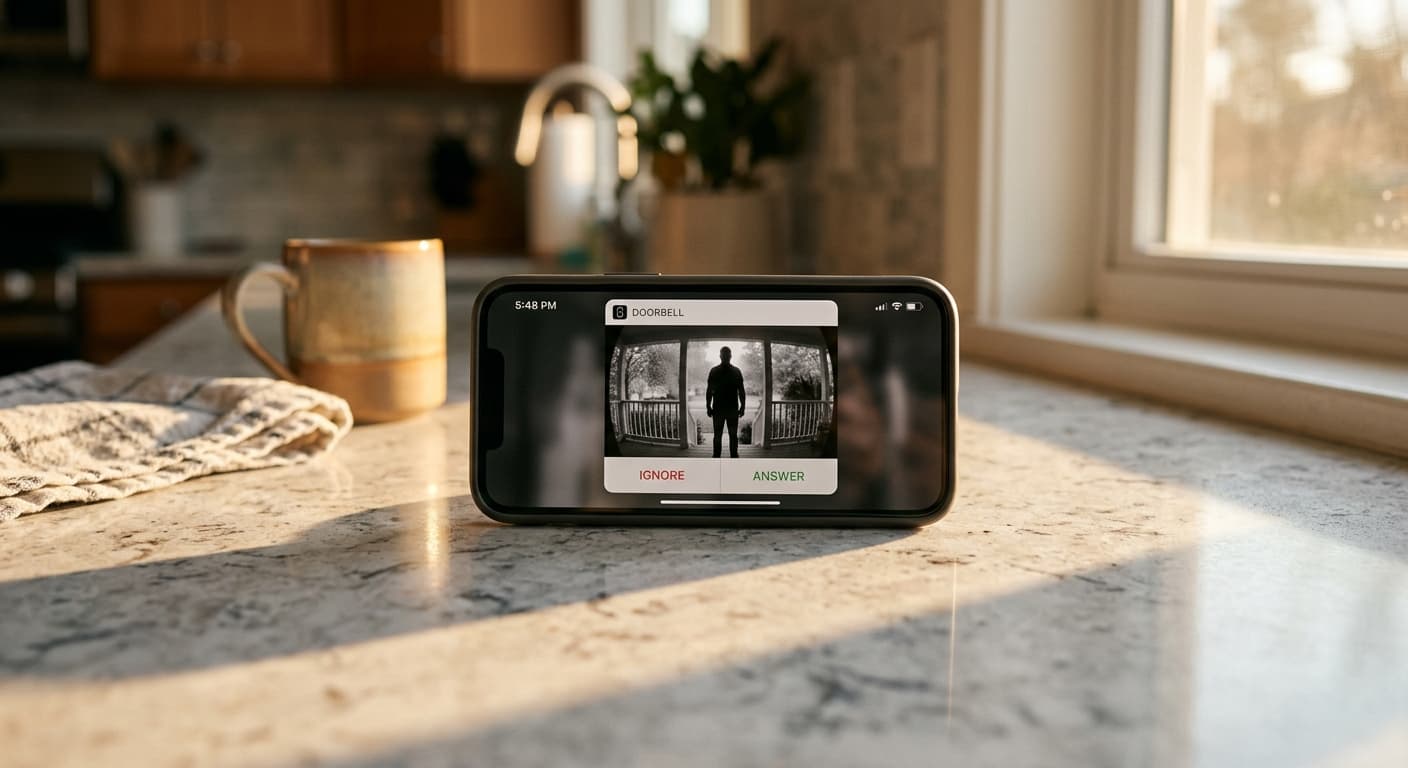
Minnesota residents can legally use Ring doorbell cameras, but the state's wiretapping and privacy statutes set clear boundaries on audio recording, video surveillance, and how footage can be shared. The primary laws governing Ring doorbell use are Minnesota Statutes Chapter 626A (wiretapping and electronic surveillance) and Section 609.746 (interference with privacy).

Minnesota Audio Recording Laws and Ring Doorbells
Minnesota Statutes Section 626A.02 governs the interception of wire, electronic, and oral communications. The statute makes it a crime to intentionally intercept or attempt to intercept any wire, electronic, or oral communication without proper authorization.
One-Party Consent Rule
Under Minn. Stat. 626A.02, subdivision 2(d), it is not unlawful for a person to intercept a wire, electronic, or oral communication where that person is a party to the communication or where one of the parties to the communication has given prior consent to the interception. This one-party consent standard applies equally to phone calls and in-person conversations.
The critical limitation: the recording cannot be made for the purpose of committing any criminal or tortious act. Recording a conversation to use as blackmail, for example, would not be protected by the one-party consent exception.
How This Applies to Ring Doorbells
Ring doorbells with audio capabilities record sound when motion is detected or the doorbell is pressed. The homeowner is typically not a party to conversations that happen on their porch between visitors, delivery drivers, or passersby. Recording those third-party conversations without any participant's consent could violate Minn. Stat. 626A.02.
Posting visible signage that audio recording is in progress provides a practical safeguard. When visitors see the notice and continue speaking, a court may find that they implicitly consented to the recording. Without notice, a Ring doorbell that captures private conversations between people who are unaware of the recording creates potential criminal liability for the homeowner.
Minn. Stat. 626A.02 Penalties
Criminal violations of Minnesota's wiretapping statute carry severe penalties. Any person who violates the statute faces a fine of up to $20,000, imprisonment for up to 5 years, or both. These penalties are among the harshest in the country for recording violations.
Video Recording Laws and Ring Doorbells in Minnesota
Minnesota does not have a standalone residential video surveillance statute. Instead, video recording by Ring doorbells is governed primarily by Minn. Stat. 609.746, the state's interference with privacy law.
What 609.746 Prohibits
Minn. Stat. 609.746 targets surveillance that intrudes on privacy in specific settings. The statute makes it a gross misdemeanor to surreptitiously install or use any device for observing, photographing, recording, amplifying, or broadcasting sounds or events through the window or any other aperture of a house or place of dwelling, when done with intent to intrude upon or interfere with the privacy of a member of the household.
The statute also covers recording in places where individuals have a reasonable expectation of privacy and are likely to expose intimate parts, including hotel rooms, tanning booths, bathrooms, locker rooms, changing rooms, and indoor shower facilities.
Ring Doorbells and Reasonable Expectation of Privacy
A Ring doorbell aimed at the homeowner's front porch, walkway, driveway, and the adjacent public sidewalk or street generally does not raise issues under 609.746. People in these areas do not have a reasonable expectation of privacy.
The analysis changes when a Ring camera's field of view captures the interior of a neighbor's home through a window. If the camera position allows regular observation of private activities inside another dwelling, the homeowner could face gross misdemeanor charges under 609.746, carrying a potential sentence of up to one year in jail and a $3,000 fine.
Commercial Establishment Exception
Minn. Stat. 609.746 includes an exception for commercial establishments that post conspicuous signs warning of surveillance. While this exception does not directly apply to residential Ring doorbells, it reinforces the legal significance of posting visible recording notices.
HOA and Ring Doorbells in Minnesota
Minnesota does not have a state statute specifically addressing HOA or condominium association authority over Ring doorbells. The authority to regulate these devices comes from each association's governing documents and the Minnesota Common Interest Ownership Act (Minn. Stat. Chapter 515B).
Condominium Associations
Under Minnesota's Common Interest Ownership Act, the association controls common elements. In most condominiums, the exterior walls, doors, and hallways qualify as common elements. Because Ring doorbells mount on or near the front door, the board typically has authority to approve or deny installation requests.
A Minnesota condo board may adopt rules that limit Ring doorbell use. Common restrictions include requiring board approval before installation, limiting the camera's field of view to the unit owner's immediate entryway, prohibiting continuous recording in shared hallways, and requiring that audio recording be disabled in common areas.
Single-Family HOA Communities
HOAs governing single-family homes have more limited authority over Ring doorbells. Unless the association's covenants, conditions, and restrictions (CC&Rs) specifically address security cameras or exterior modifications, the HOA may lack the legal basis to prohibit Ring doorbells entirely.
However, an HOA with architectural review authority could require that Ring doorbells meet aesthetic standards (color, size, placement) or that homeowners submit an application before installation. Minnesota courts generally enforce reasonable HOA restrictions that are consistently applied.
Landlord and Tenant Rights for Doorbell Cameras
Minnesota's landlord-tenant relationship is governed by Chapter 504B of the Minnesota Statutes. While this chapter does not specifically address Ring doorbells, several provisions affect how both landlords and tenants can use these devices.
Tenant Privacy Rights
Minn. Stat. 504B.211 establishes that a landlord may enter rented premises only for a reasonable business purpose and after making a good faith effort to give the tenant at least 24 hours' notice. This privacy protection means landlords cannot use Ring doorbells or other surveillance devices to monitor the interior of a tenant's unit or to track tenant movements in ways that would constitute an unreasonable intrusion.
A tenant cannot waive this right to prior notice of entry as a condition of the lease. This provision prevents landlords from requiring tenants to accept constant surveillance as a condition of renting.
Tenant Installation Rights
Tenants who want to install a Ring doorbell on a rental property face practical and legal considerations. Interior installation within the rented unit is generally permitted as long as it does not cause damage. Exterior installation typically requires landlord approval because it involves modifying the building's exterior.
Battery-powered Ring doorbell models that attach with adhesive or a simple bracket cause minimal or no damage to the property. Landlords are more likely to approve these models compared to hardwired versions that require electrical work.
Landlord Use of Ring Doorbells
Minnesota landlords can install Ring doorbells and security cameras in common areas of multi-unit properties, such as lobbies, parking areas, and building entrances. They cannot install recording devices inside a tenant's unit or direct cameras at areas where tenants have a reasonable expectation of privacy, such as through apartment windows.
If a landlord installs Ring doorbells with audio recording in common areas, the one-party consent issue applies. Since the landlord is not a party to tenant conversations in hallways, recording audio could violate Minn. Stat. 626A.02. Disabling audio recording or posting conspicuous notice helps reduce this risk.
Law Enforcement Access to Ring Footage in Minnesota
Law enforcement access to Ring doorbell footage in Minnesota has changed significantly since 2024.
Ring's Evolving Policies
In January 2024, Amazon permanently ended Ring's Request for Assistance feature, which had allowed police departments to request footage from Ring users through the Neighbors app. In October 2025, Ring announced a partnership with Flock Safety, a company that provides automated license plate recognition and video evidence management tools used by law enforcement. Ring canceled that partnership in February 2026 following public backlash and a comprehensive review.
How Minnesota Police Access Ring Footage Now
As of 2026, Minnesota law enforcement can obtain Ring doorbell footage through these channels:
-
Voluntary consent: A Ring owner can share footage with police at any time. This is entirely voluntary, and there is no penalty for declining.
-
Search warrant: Police can obtain a warrant from a Minnesota court, compelling Amazon to provide Ring footage stored in the cloud. A warrant requires a showing of probable cause.
-
Subpoena: A grand jury or court-issued subpoena can compel the production of Ring footage, though the legal standards differ from a warrant.
-
Emergency exception: Under the federal ECPA, Amazon can share footage without a warrant when there is an imminent threat of death or serious bodily injury.
Minnesota residents are not legally obligated to share Ring footage with police absent a valid court order.
Penalties for Illegal Recording in Minnesota
Minnesota imposes both criminal and civil penalties for illegal recording.
Criminal Penalties
| Violation | Statute | Maximum Prison | Maximum Fine |
|---|---|---|---|
| Wiretapping/eavesdropping | Minn. Stat. 626A.02 | 5 years | $20,000 |
| Interference with privacy (peeping) | Minn. Stat. 609.746, subd. 1(a) | 90 days | $1,000 |
| Surveillance device in dwelling | Minn. Stat. 609.746, subd. 1(b) | 1 year | $3,000 |
| Recording intimate images without consent | Minn. Stat. 609.746, subd. 1(e) | 1 year | $3,000 |
Civil Remedies
Under Minn. Stat. 626A.13, any person whose wire, electronic, or oral communication is intercepted in violation of Chapter 626A can bring a civil action. The court may award:
- Actual damages or statutory damages (the greater of $100 per day of violation or $10,000 for repeat offenders)
- Punitive damages in appropriate cases
- Litigation costs and reasonable attorney's fees
The statute of limitations for civil claims is two years from the date the victim first has a reasonable opportunity to discover the violation.
How to Use a Ring Doorbell Legally in Minnesota
These practices can help Minnesota residents operate Ring doorbells within state law:
Post visible recording notices. Place a sign near your Ring doorbell indicating that audio and video recording is in progress. This helps establish consent for audio recording and demonstrates that surveillance is not surreptitious.
Aim the camera at your property. Position your Ring doorbell to capture your porch, walkway, and driveway. Avoid angles that look into neighboring windows or private outdoor spaces where people have a reasonable expectation of privacy.
Consider disabling audio. If you are concerned about capturing conversations between visitors on your porch, disable audio recording in the Ring app settings. Video-only recording avoids wiretapping issues entirely.
Review HOA or condo rules. Check your association's governing documents for restrictions on security cameras, exterior modifications, or common element alterations before installing a Ring doorbell.
Get landlord permission. Tenants should get written approval from their landlord before installing a Ring doorbell on the exterior of a rental property.
Respond appropriately to police requests. Sharing Ring footage with law enforcement is voluntary unless you receive a valid warrant or subpoena. You have the right to decline voluntary requests without consequence.
Keep recordings secure. Minn. Stat. 626A.02 prohibits using intercepted communications for criminal or tortious purposes. Sharing Ring footage publicly to harass or defame someone could create legal liability.
More Minnesota Laws
Explore other Minnesota legal topics covered on Recording Law:
This article provides general legal information about Ring doorbell laws in Minnesota. It is not legal advice. Laws and court interpretations change over time. Consult a Minnesota attorney for advice specific to your situation.
Sources and References
- Minn. Stat. 626A.02 - Interception of Communications Prohibited(revisor.mn.gov).gov
- Minnesota Statutes Chapter 626A - Full Text(revisor.mn.gov).gov
- Minn. Stat. 609.746 - Interference with Privacy(revisor.mn.gov).gov
- Minn. Stat. 626A.13 - Civil Action for Violations(revisor.mn.gov).gov
- Minn. Stat. 504B.211 - Tenant Right to Privacy(revisor.mn.gov).gov
- Minnesota Chapter 504B - Landlord and Tenant(revisor.mn.gov).gov
- Minn. Stat. 626A.09 - Procedures for Interception Orders(revisor.mn.gov).gov
- FTC Action Against Ring for Privacy Violations(ftc.gov).gov
- Ring Ends Law Enforcement Request Feature (NPR)(npr.org)
- Ring Cancels Flock Safety Partnership (Snopes)(snopes.com)